AMD is expanding support for FidelityFX Super Resolution 4, more than a year after it limited the upscaling technology to Radeon RX 9000 series GPUs based on the RDNA4 architecture.
AMD Computing and Graphics Senior Vice President Jack Huynh announced that FSR 4 support will begin rolling out to older GPUs in July. The first phase will cover RDNA3 and RDNA3.5 graphics hardware.
The July rollout will include the Radeon RX 7000 series and integrated GPUs such as the Radeon 890M and Radeon 8060S.
Until now, FSR 4 support has been limited to a small number of Radeon RX 9000 series cards. These include the RX 9070 XT, RX 9070, the 8GB and 16GB versions of the RX 9060 XT, and the RX 9060, which is only available to PC manufacturers.
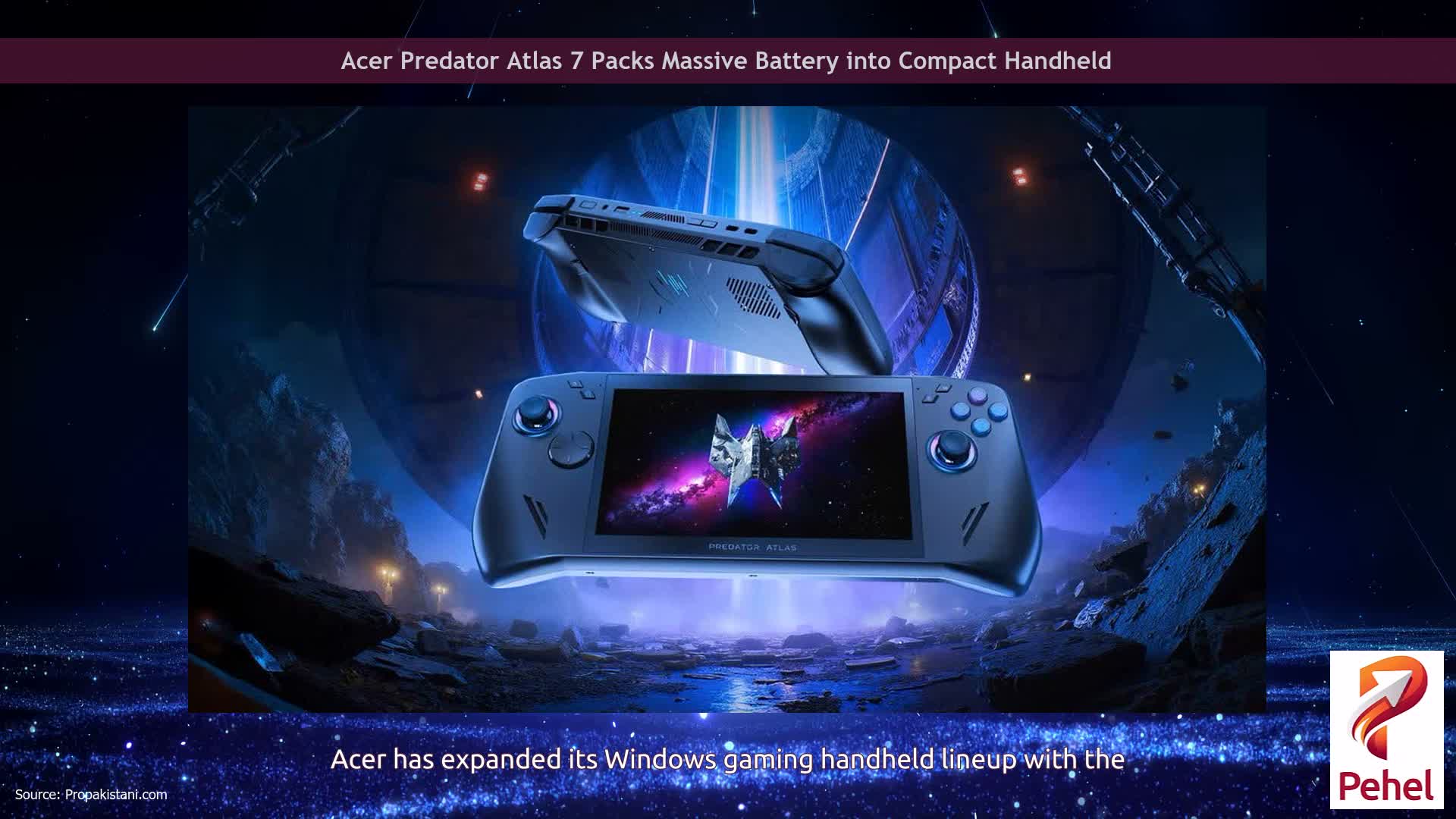
The earlier list did not include integrated GPUs used in thin and light laptops or gaming handhelds.
AMD also plans to bring FSR 4 support to RDNA2 hardware in early 2027.
That would include the Radeon RX 6000 series, integrated GPUs such as the Radeon 680M, and the GPU used in the Steam Deck. The move could also make FSR 4 support possible on the PlayStation 5, Xbox Series X, and Xbox Series S, since those consoles also use RDNA2-based graphics hardware.
AMD had to adjust FSR 4 to work on older graphics architectures. RDNA4 GPUs support the FP8 data format through their AI accelerators, while RDNA3 and RDNA2 chips rely on INT8 hardware.
Because of that difference, FSR 4.1 may have a larger performance cost on older Radeon GPUs than it does on RDNA4 cards. Image quality may also vary slightly.
Modders have already managed to run FSR 4 on GPUs with INT8 support. Those unofficial tests reportedly showed a 10% to 20% performance drop compared with FSR 3.1 on the same hardware. AMD’s official version may perform differently.
Games that already support FSR 4 should also support FSR 4.1 on Radeon RX 7000 series cards.
Users will likely need a driver update in July to enable the feature. Games that support FSR 3.1 can also be forced to use FSR 4 through AMD’s Radeon graphics driver.
AMD’s FSR competes with Nvidia’s DLSS, which is more widely supported in games and often delivers better results because it has used hardware acceleration from the start.
Earlier versions of FSR worked on many modern GPUs, including Intel integrated graphics and older GeForce cards that did not support DLSS. FSR 4.1 will expand support beyond RX 9000 GPUs, but it will still not be as widely compatible as older FSR versions.
📢 For the latest Tech & Telecom news, videos and analysis join ProPakistani's WhatsApp Group now!
Follow ProPakistani on Google News & scroll through your favourite content faster!
Shares