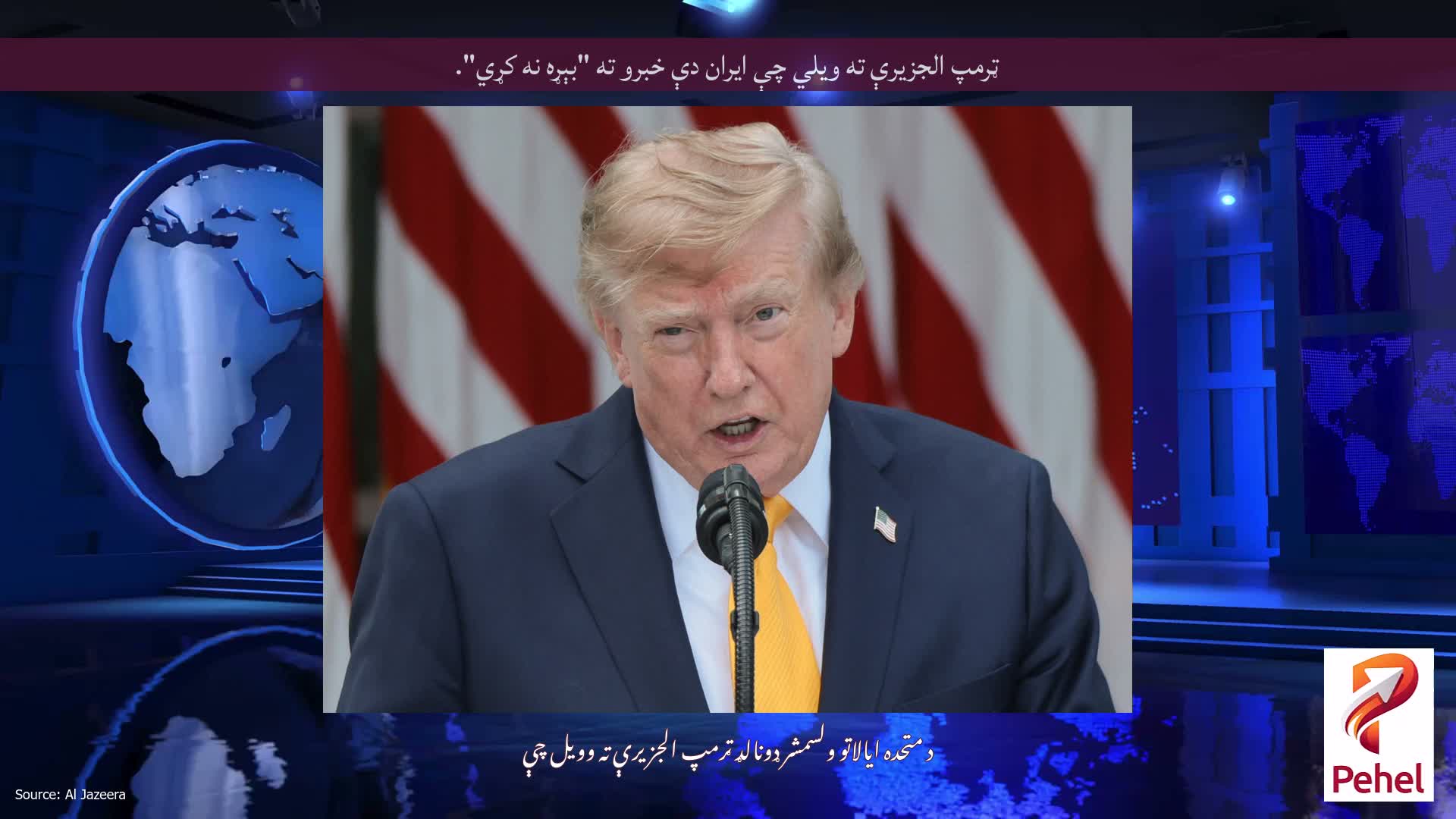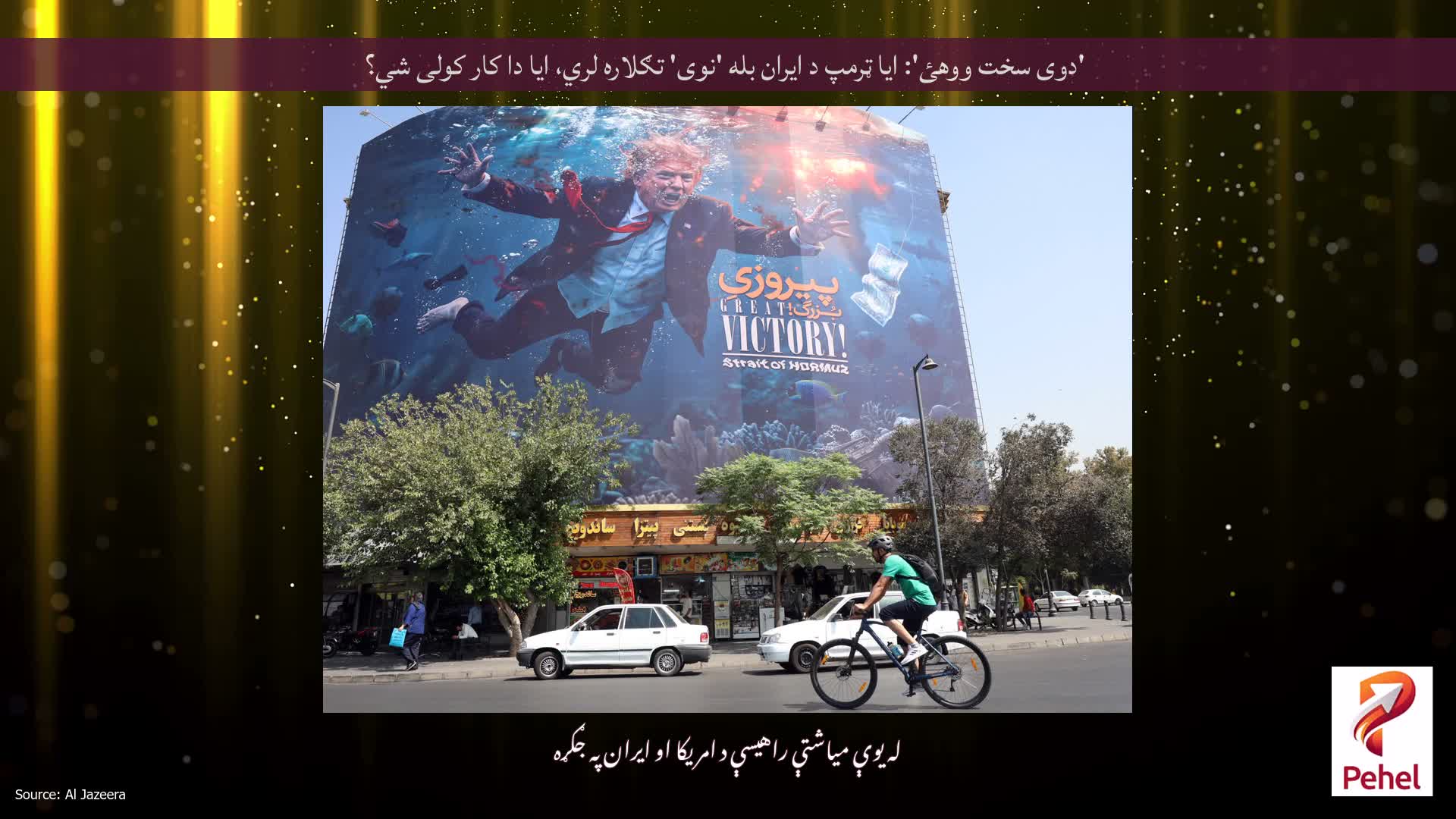
ولسمشر ډونلډ ټرمپ په رسمي ډول له ایران سره هغه شخړه پای ته ورسوله چې د فبرورۍ په ۲۸مه هغه مهال پیل شوه چې امریکا او اسرائیلو پر تهران او ټول هېواد هوايي بریدونه پیل کړل.
د امریکا او ایران تر منځ د ۱۴ مادو د تفاهم یادښت پر شرطونو نیوکې شوي چې څه پکې شامل دي او څه پاتې دي.
There have also been questions about how the agreement - which lays the groundwork for talks on Iran's nuclear weapons programme - will also affect economic sanctions and access to the Strait of Hormuz.
Comparisons have inevitably been made between this deal and the 2015 Obama-era nuclear accord known as the Joint Comprehensive Plan of Action (JCPOA) which Trump scrapped in his first term.
To make sense of the current deal, BBC Verify has looked through key details of the documents to compare it with the situation during three distinct periods:
1. When the JCPOA was in force between 2016 and 2018
2. مخکې له دې چې جګړه د 2026 د فبروري په 28 پیل شوه
3. اوس تفاهم لیک لاسلیک شوی دی
د JCPOA ټوله ټکی - چې انګلستان، فرانسه، اروپايي اتحادیه، چین او روسیه په کې شامل دي - د ایران د اټومي پروګرام په اړه ځانګړي محدودیتونه وضع کول وو.
That highly technical document restricted Iran's stockpile of nuclear material to 300kg and said it could not enrich its uranium above 3.67% for 15 years. This level of enrichment is not high enough to be used in nuclear warheads but can be used in reactors to generate electricity.
The JCPOA also allowed the International Atomic Energy Agency (IAEA) access to Iran's nuclear programme to ensure it was complying with the agreement.
The IAEA said Iran had been complying until Trump withdrew the US from the JCPOA in 2018, calling it "decaying and rotten".
د دغه تړون له لغوه کېدو وروسته ایران خپل اټمي پروګرام زیات کړ.
At the start of the war on 28 February 2026, Iran possessed approximately 440kg of uranium enriched to 60%, according to US officials. دا مواد په چټکۍ سره د وسلو د درجې یورانیم لپاره اړین 90٪ حد ته بډایه کیدی شي.
While the new MoU text, as read out by the White House to the BBC and other media organisations, states that Iran "reaffirms that it shall not procure or develop nuclear weapons" there is little detail about the issue in the document.
There is similar language in the JCPOA, which stated "Iran reaffirms that under no circumstances will Iran ever seek, develop or acquire any nuclear weapons".
The new MoU also says the two parties "agreed to discuss the issue of enrichment" and to "resolve the disposition of stockpiled enriched material pursuant to a mechanism that will be mutually agreed upon" - again, suggesting this will be included in forthcoming negotiations.
په وروستیو اونیو کې ټرمپ ویلي وو چې د ایران پاتې اټومي مواد به له دغه هېواده وباسي.
د متحده ایالاتو چارواکو خبر ورکړ چې دا تړون "لږترلږه معیار ټاکي چیرې چې ... بډایه شوې زیرمه به ویجاړ شي". مګر د یاد وزارت په حقیقت کې د دې پیښې یادونه نه کوي.
It is important to bear in mind that the JCPOA was a final, detailed, agreement negotiated over two years while the MoU is framework for 60 days of talks about a nuclear agreement so the two are not directly comparable.
As well as tackling Iran's nuclear weapons programme, Trump said on 2 March, shortly after the start of the conflict, the US was "destroying Iran's missile capabilities… and their capacity to produce brand new ones".
But the MoU text makes no mention of Iran's ballistic missiles.
او ټرمپ د جون په 17 وویل چې دا به د ایران لپاره "غیر عادلانه" وي چې دا توغندي د سیمې نورو هیوادونو ته نه ورکوي.
په 2018 کې، کله چې هغه JCPOA لغوه کړ، ټرمپ شکایت وکړ: "نه یوازې دا تړون د ایران د اټومي هیلو په مخنیوي کې پاتې راغلی، بلکې دا د رژیم د بالستیک توغندیو پراختیا ته په ګوته کولو کې هم پاتې راغلی چې کولی شي اټومي سرګلولې وړاندې کړي."
The 2015 JCPOA did not involve the US paying Iran new money but provided sanctions relief and restored Iran's access to some of its own assets, including those of its central bank, that had been frozen or seized abroad.
An official at the US Treasury estimated in 2015 that unfrozen Iranian central bank assets were worth between $100bn and $125bn - but did add that the total assets which Tehran could access as a result of the sanctions relief would only be around $50bn.
وروسته له هغه چې ټرمپ JCPOA لغوه کړه او په راتلونکو کلونو کې په تدریجي ډول په ایران باندې اقتصادي بندیزونه بیا ولګول شول. مخکې له دې چې د فبرورۍ په ۲۸ مه جګړه پیل شي، د امریکا او نورو هېوادونو بندیزونو په ایران کې سخت اقتصادي مشکلات رامنځته کړي وو.
The state of the economy is considered to be one of the causes of country-wide protests across Iran which were violently repressed by the government in January.
The US also placed sanctions on Iranian oil which made it difficult for Tehran to sell its crude overseas - although it was able to partially get round them by using a "shadow fleet" of tankers.
نوی تفاهم لیک وایی چې امریکا به د یوه توافق شوی مهالویش سره سم د ایران پر ضد ټول بندیزونه لغوه کړی.
But significantly it allows for the issuing of waivers immediately after the signing of the deal allowing "the export of Iranian crude oil, petroleum products and derivatives and all associated services including banking, transactions, insurances, transportation".
د دې لپاره پر ایران هیڅ شرط نشته او ظاهراً د جګړې د پیل په پرتله په ښه حالت کې پریږدي.
The memorandum also says the US along with "regional partners" will develop a plan, funded with "at least $300bn", for the "reconstruction and development" of Iran.
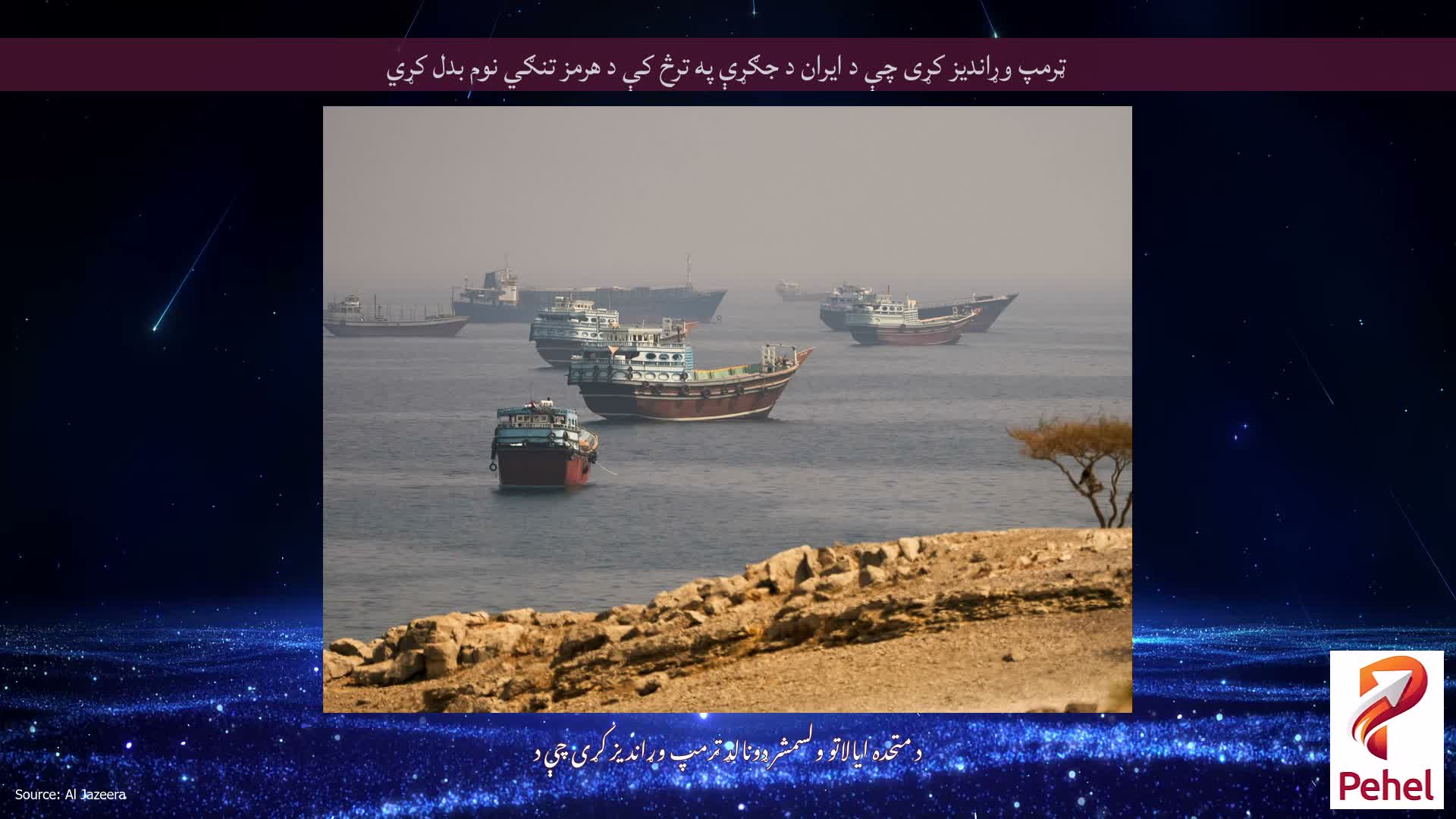
Before the recent conflict began ships carrying oil, natural gas and fertiliser had been able to pass freely through the Strait of Hormuz for many years.
په حقیقت کې، تنګ سمندري لاره په JCPOA کې هیڅ یادونه نه وه شوې.
د نړیوال وجهي صندوق (IMF) لخوا خپاره شوي د کښتۍ تعقیب ډیټا ښیې چې په 2025 کې هره ورځ په اوسط ډول 94 سوداګریز کښتۍ له تنګي څخه تیریږي.
له هغه وخته چې د فبرورۍ په ۲۸ مه شخړه پیل شوه، د دې ارقامو له مخې د ترانزیت ورځنی اوسط شمیر یوازې شپږو ته راښکته شوی، که څه هم یو شمیر د دوی د موقعیت لیږدونکي بندیدو سره تیریږي نو ریښتینې شمیره به یو څه لوړه وي.
This collapse was due to a combination of Iranian attacks on commercial shipping that began shortly after the war started and a US blockade of Iranian ports.
د یاد تړون په متن کې راغلي چې امریکا به په ۳۰ ورځو کې د ایران سمندري محاصره په بشپړه توګه پای ته ورسوي.
It also states that Iran will "make arrangements using its best efforts for the safe passage of commercial vessels with no charge" through the Strait of Hormuz but adds that this will be "for 60 days only".
له هغې وروسته دا وايي چې ایران به له عمان سره "ډیالوګ" ترسره کړي چې "د هرمز تنګي کې راتلونکي اداره او سمندري خدمات تعریف کړي".
د مې په ۲۱مه ایران اعلان وکړ چې په یو اړخیزه توګه یې د فارس خلیج د تنګي اداره جوړه کړې چې د اوبو له لارې د بار وړونکو توکو د لیږد تنظیم وکړي.
And Iran's foreign ministry is reported to have said this week that, although there will not be "transit tolls" for shipping, there will be "fees" for using the strait which will be "charged in exchange for the services that are provided".
دا تړون، او په حقیقت کې د سپینې ماڼۍ تبصره، په راتلونکي کې د دې فیسونو د اخیستلو څخه د ایران د مخنیوي لپاره د ګام پورته کولو یادونه نه کوي - چې دا به د جګړې څخه مخکې د وضعیت په پرتله په سیمه کې د ایران اقتصادي ځواک او نفوذ ته وده ورکړي.