As temperatures climb across the country, electricity demand has surged, prompting the Power Division to request four Liquified Natural Gas (LNG) cargoes from the Petroleum Division, Geo News reported.
In a letter addressed to the Petroleum Division, the Power Division warned that failure to secure LNG supplies could lead to increased load-shedding. It cautioned that in the absence of LNG, power producers would be forced to rely on costly diesel, driving up generation expenses.
The letter further noted that the use of diesel would place an additional burden on consumers in the form of fuel adjustment charges. It stressed that RLNG is crucial for electricity generation, adding that higher production costs could also result in longer hours of load-shedding.
The Power Division has urged the Petroleum Division to make arrangements for procuring LNG cargoes from Qatar.
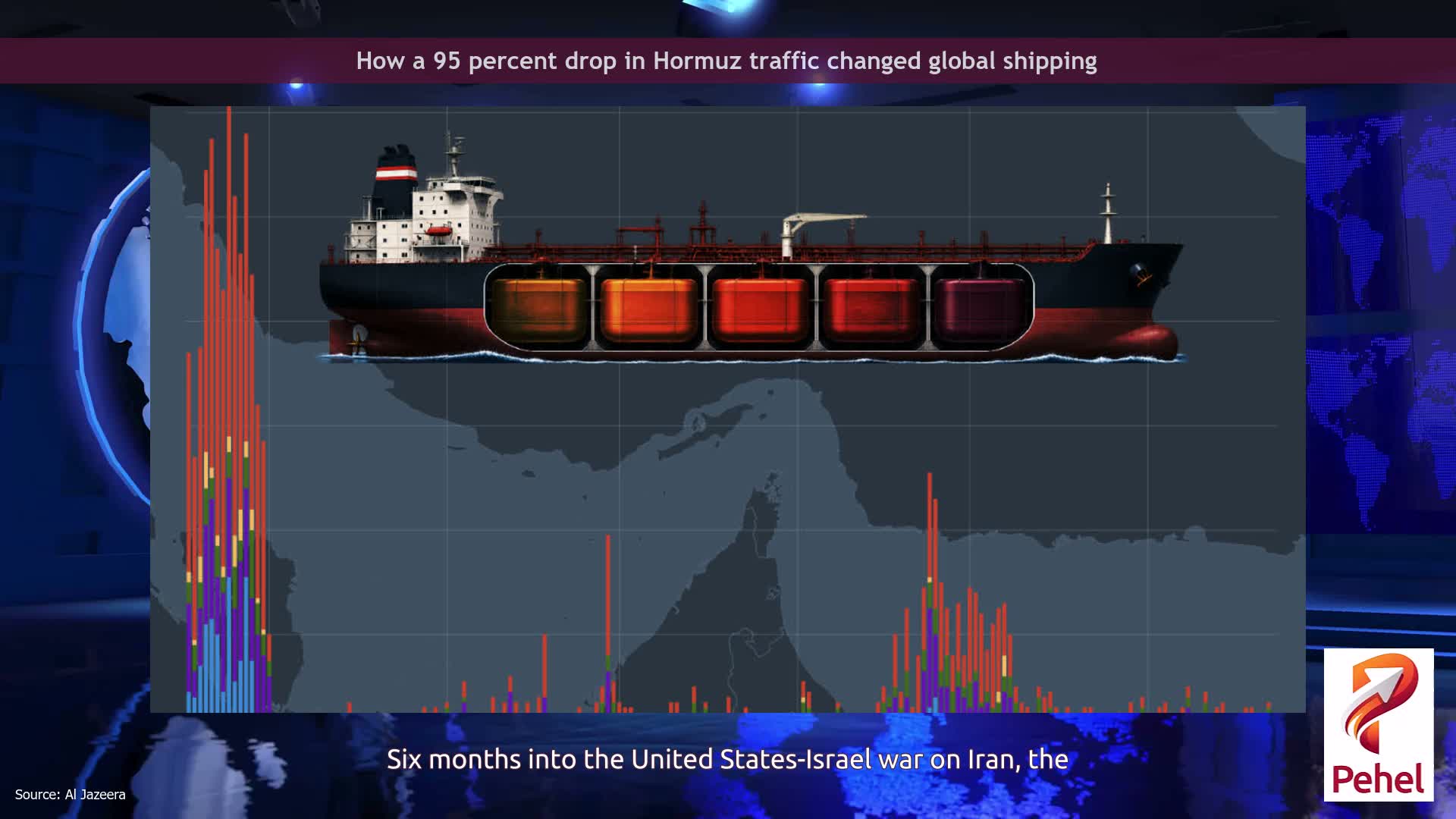
Meanwhile, authorities in the Petroleum Division have been informed that the import of four LNG cargoes from Qatar has been halted due to Iran’s renewed closure of the Strait of Hormuz, The News reported
This situation is likely to prolong power outages across the country until RLNG becomes available.
Pakistan State Oil (PSO), which was arranging the import of four LNG cargoes stranded in the strait under two agreements with QatarEnergy, has communicated via email to the Petroleum Division that the imports have been suspended until the situation caused by the closure of Strait of Hormuz stabilises.
Earlier, Pakistan had requested Qatar to provide four cargoes out of the 8-10 that were loaded and stranded due to the ongoing conflict, to be delivered once Iran reopened the Strait of Hormuz. However, Tehran closed the strait again after determining that the US naval blockade had not ended and was instead continuing what it described as acts of piracy.
Federal Minister Ali Pervaiz Malik, speaking to The News two days ago, stated that QatarEnergy currently has 8-10 loaded LNG vessels available and Pakistan is seeking to secure as much volume as possible from these cargoes in the short term. He added that once QatarEnergy lifts its force majeure conditions, Pakistan is expected to resume a more regular schedule of LNG imports.
Following an attack on a Qatar LNG facility, QatarEnergy declared force majeure on March 4. Since then, Pakistan has been deprived of imported gas supplies. The Power Division currently requires 400mmcfd (million cubic feet per day) of gas for electricity generation to bridge the gap and eliminate loadshedding.
However, power outages have somewhat decreased due to increased hydropower generation, supported by water releases from Tarbela Dam of up to 30,000 cusecs per day. Currently, the Power Division is receiving about 90mmcfd of gas, with a promise to increase this to 160mmcfd in May if RLNG supplies remain unavailable. Gas supply to the CNG sector in May is expected to be cut off and diverted to the power sector. The domestic sector would be provided gas on cooking times only.