The US war on Iran has boosted prices of globally traded natural gas by throttling exports from the Gulf. In West Texas, gas is so abundant that some producers must pay to have it taken away.
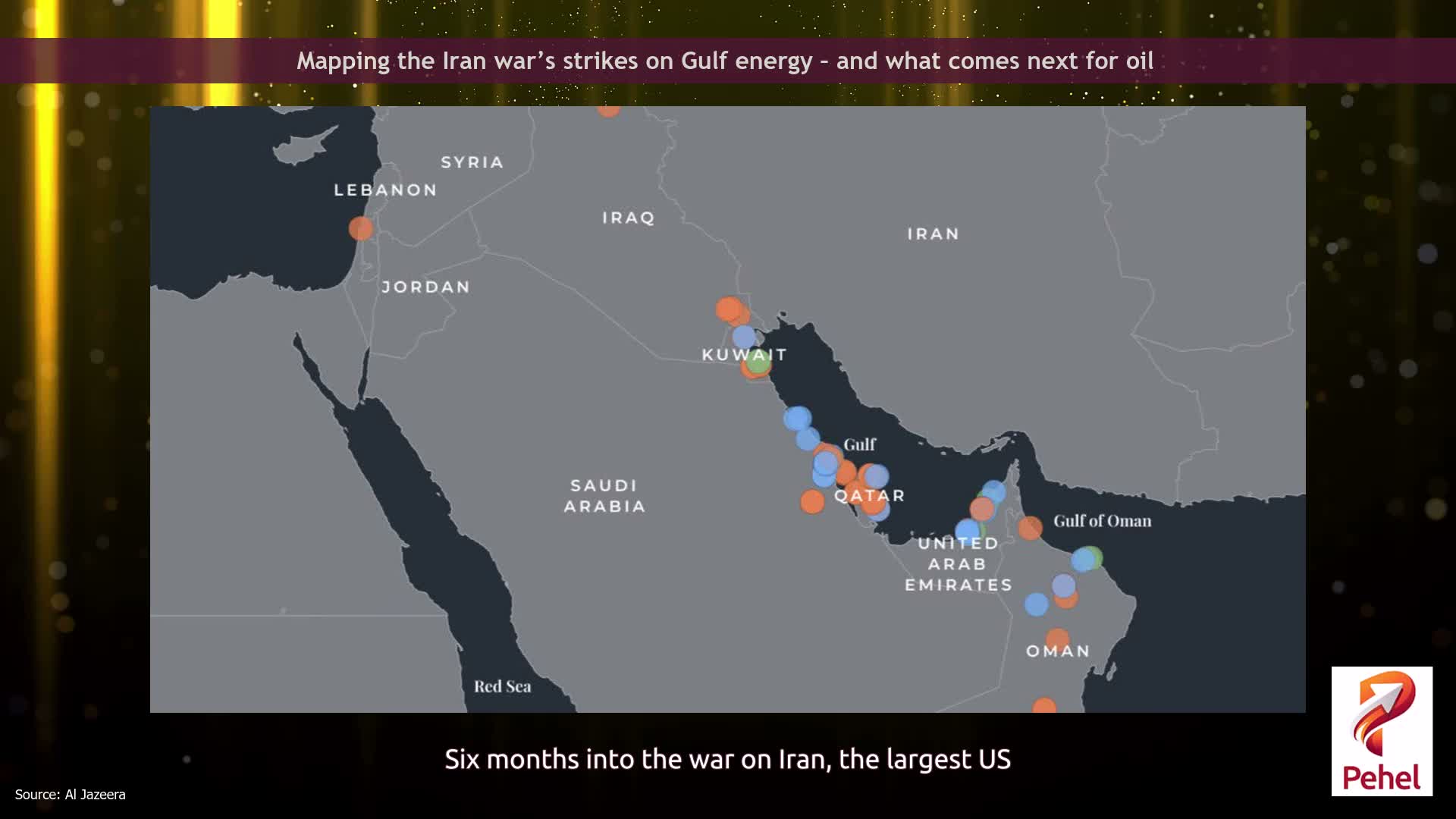
The war and Iran’s attacks on Gulf energy producers have halted 20 per cent of global liquefied natural gas (LNG) supply.
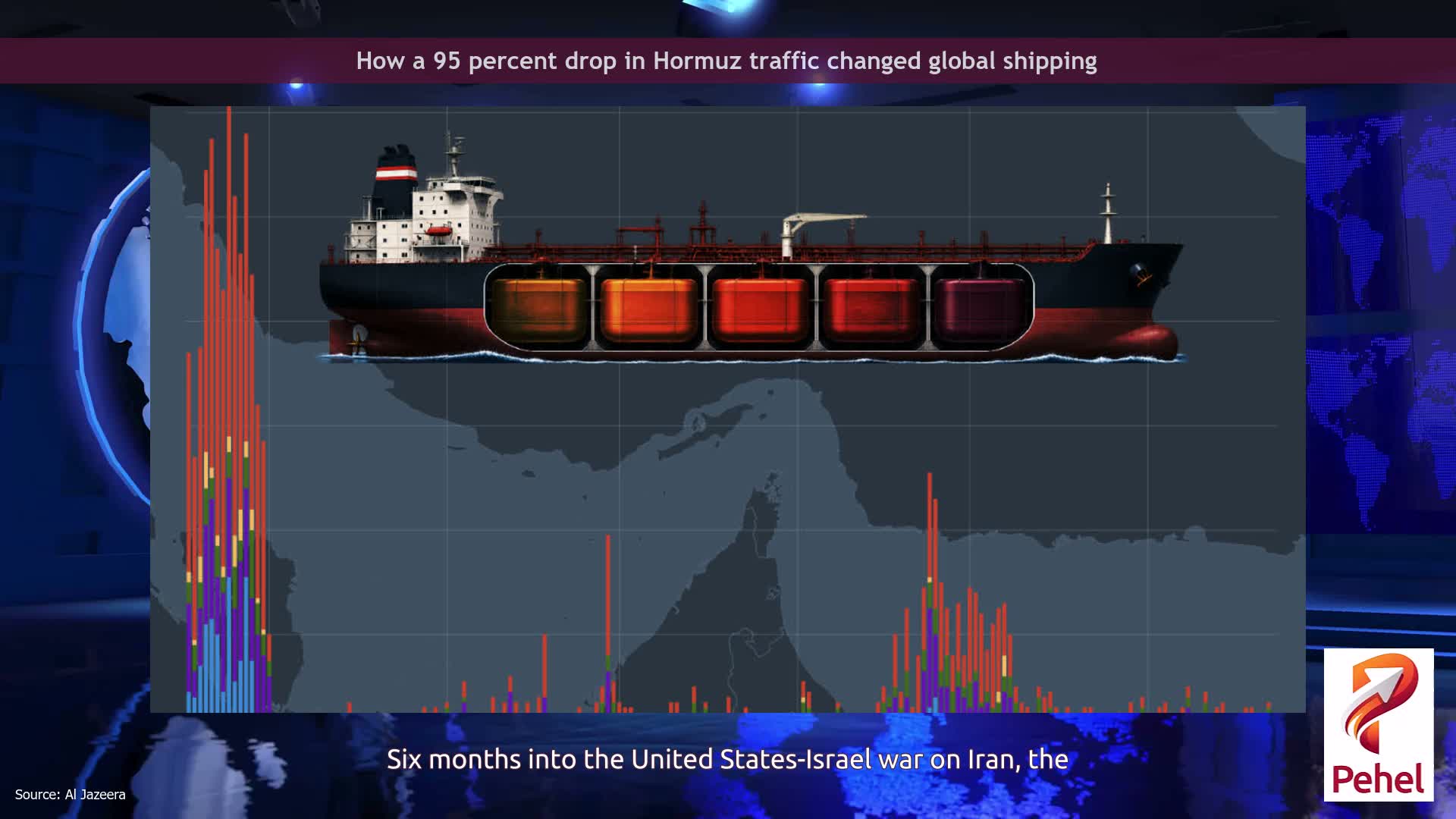
Qatari LNG facilities have been damaged , and tankers have been unable to sail through the Strait of Hormuz waterway at the Gulf’s entry because of Iranian threats to fire on them.
The crisis has exposed a major split in the global gas market: Import-dependent countries across Europe and Asia are scrambling for scarce supplies, but the US — the world’s largest gas producer, consumer and exporter — remains awash in fuel, with prices near 17-month lows.
But US pipelines are full and LNG export plants are at capacity, so that cheap US gas cannot reach overseas buyers, creating a bifurcation much more stark than in the oil markets.
Since the war began on February 28, gas futures at the US Henry Hub benchmark in Louisiana have dropped by as much as 12pc to a 17-month low of $2.52 per million British thermal units (mmBtu), while prices around the world have soared by as much as 84pc in Europe and 108pc in Asia, to around $21 to $22 per mmBtu.
By contrast, the international crude benchmark Brent is trading around $111 a barrel, while the US benchmark is at $104 a barrel, with both having risen more than 50pc as a result of the war.
The US has sufficient supply both to meet domestic demand and to fill the LNG export plants that chill gas to liquid form. However, those plants were already operating near maximum capacity before the war, so no matter how high global gas prices go, the US cannot turn much more gas into LNG for export.
US prices in the top shale field, the Permian Basin, are even lower than benchmark futures. Spot gas at the Waha Hub in West Texas has traded below zero almost every day this year because gas pipelines out of the Permian are full, meaning there is no spare capacity to transport the fuel.
Simply put, some producers have to pay others to take it away, as if it were a waste product.
US gas production — already at a record 107.7 billion cubic feet per day (bcfd) in 2025 — is expected to keep rising to meet growing demand for power-hungry data centres and to supply new LNG export plants, according to a recent US Energy Department outlook .
Output is also increasing as oil producers increase output, and as their wells gradually produce more gas than they used to, as oil reserves are depleted. Additional pipeline capacity is months away, at best.
“Meaningful transport relief doesn’t show up until late this year or early 2027, when larger pipeline projects are anticipated to start,” analysts at Bank of America said in a report.
Some parts of the country are more exposed to high international gas prices, including New England, which must import expensive LNG and burn oil to generate power during the winter months because the region lacks enough connections to the national gas pipeline grid to meet heating demand.
Firms best able to take advantage of the global price dislocations from the Iran war, at least in the short term, have been those with excess LNG to sell.
To replace gas deliveries cancelled by Qatar, energy firms around the world have purchased additional cargoes from US LNG producers such as Venture Global, the nation’s second-biggest LNG company behind Cheniere Energy.
“Venture Global is [relatively] new to the LNG game and had spot cargoes available to put out to the highest bidder,” said Bob Yawger, director of energy futures at Mizuho.
“Suddenly, everybody needs LNG now that QatarEnergy is out of the picture.”
US LNG capacity will almost double over the next five years from around 18 bcfd in 2025 to around 35 bcfd in 2030, based on the plants currently under construction.
US gas producers who sell to LNG companies, however, have not fared as well because they sell much of their output at the domestic price, which, in addition to near-record production, has been held down by weak spring demand and ample supply in storage.
Low US prices have even prompted some energy firms, such as EQT, the second-biggest US gas producer behind Expand Energy, to cut output while they wait for demand and prices to rise later in the year.
“Our strategic curtailments act as a form of storage, keeping gas in the ground [during] seasonally low periods of demand,” EQT CFO Jeremy Knop told analysts last week after the company reported earnings.