ISLAMABAD: State-run Pakistan LNG Limited (PLL) on Wednesday floated urgent tenders for the import of two liquefied natural gas (LNG) cargoes for delivery between May 12-14 and May 24-26 amid rising temperatures and power shortfall.
The company set May 7 (Thursday) as the deadline for bids, which will be opened the same day, given the urgent need to meet the power demand expected to spike again as the cargo imported in the last week of April has been consumed.
The tender comes after authorities’ expectations of the Middle East crisis easing and the reopening of the Strait of Hormuz did not materialise. Last month, PLL had rejected two bids for the same delivery period but accepted one cargo at $18.4 per million British thermal units (mmBtu).
Qatar, a long-term LNG supplier to Pakistan, had been reluctant to dispatch LNG cargoes stranded in the Gulf amid the closure of the Strait of Hormuz. Earlier, three LNG cargoes from Qatar destined for Pakistan were turned back from the strait due to security reasons.
Both tenders require 140,000 cubic metres of LNG to be delivered on an ex-ship (DES) basis. Each cargo of this capacity for Pakistan typically translates into around 100 million cubic feet per day (mmcfd) of gas supply.
In April, the Oil and Gas Regulatory Authority (Ogra) had notified a massive 19–22 per cent increase in the price of regasified liquefied natural gas (RLNG) to $12.50–$14 per mmBtu for sale at the distribution stage by the two Sui gas companies for the month of March.
The increase was mainly due to higher terminal charges amid lower import volumes and a minor rise in import prices, data from the authority showed.
The basket RLNG price was based on only two cargoes in March, compared to eight cargoes each in February and March, due to a force majeure declared by Qatar .
Both cargoes were imported under two LNG contracts between Pakistan State Oil and QatarGas at an average price of about $7.68 per mmBtu (DES), compared to $7.45 per mmBtu last month, but still significantly lower than $8.9 per mmBtu in March last year.
PLL, one of the public sector entities responsible for LNG imports, did not import any cargo last month. It had, in fact, imported one cargo a few months earlier after a gap of almost a year at about $7.65 per mmBtu through its old contract with a private entity.
The PLL, established almost a decade ago for LNG imports, could not import energy over the past year despite its executives and board of directors enjoying hefty remuneration and associated perks and privileges. It had last floated and LNG tender in December 2023 for delivery in January 2024 but later cancelled the tender.
Facing criticism over loadshedding even before the beginning of summer, the Power Division had already placed an order with the Petroleum Division last week to arrange around 400 million mmcfd of LNG for power generation, amid hopes of the opening of international supply routes.
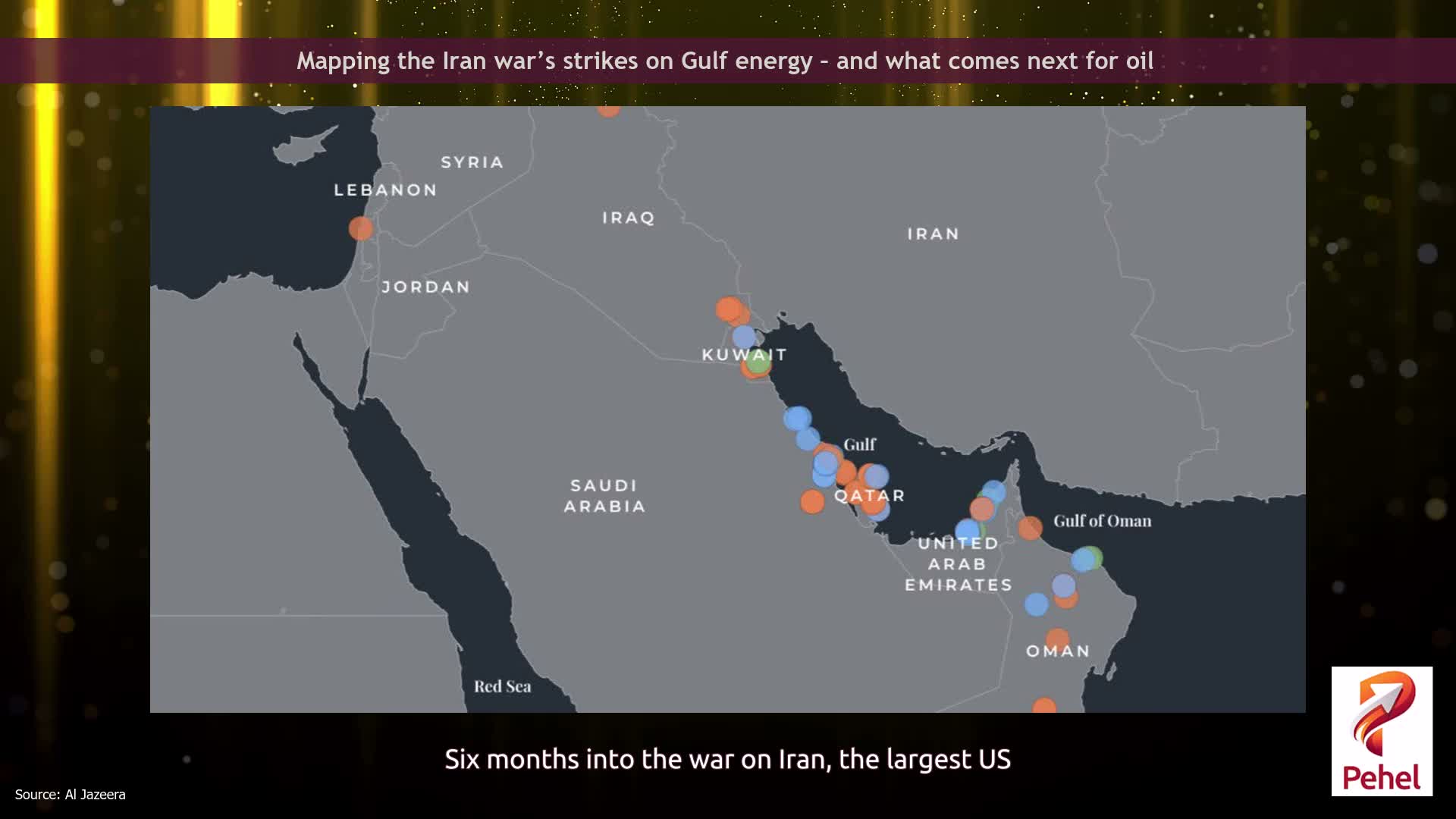
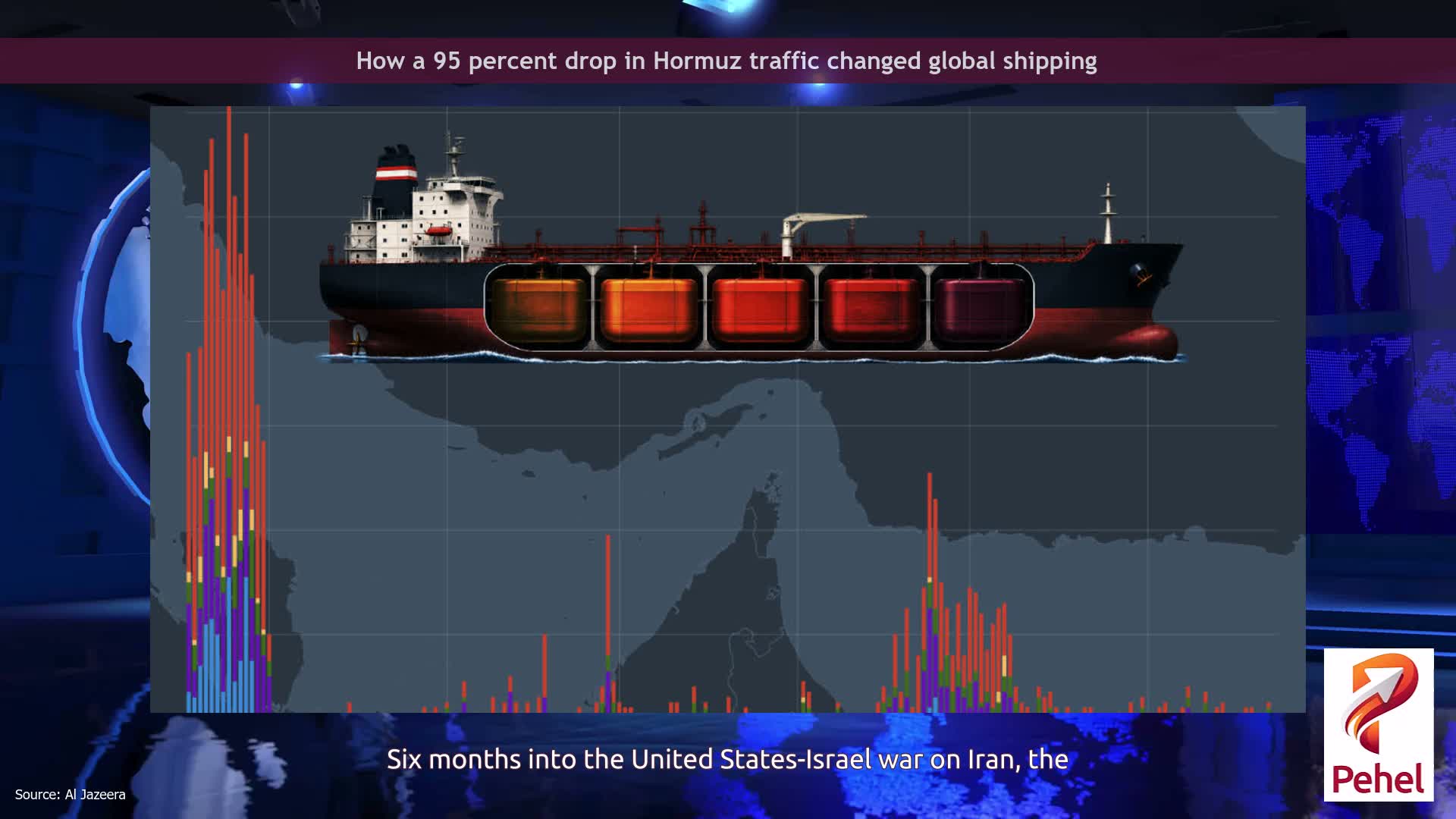
LNG imports had stopped in March after the closure of the Strait of Hormuz following US-Israel attacks on Iran, which, in retaliation, targeted fuel installations in neighbouring countries, including Qatar, Saudi Arabia, the UAE and Kuwait, among others. Subsequently, Qatar declared force majeure early last month on all its global LNG contracts, including those with Pakistan.