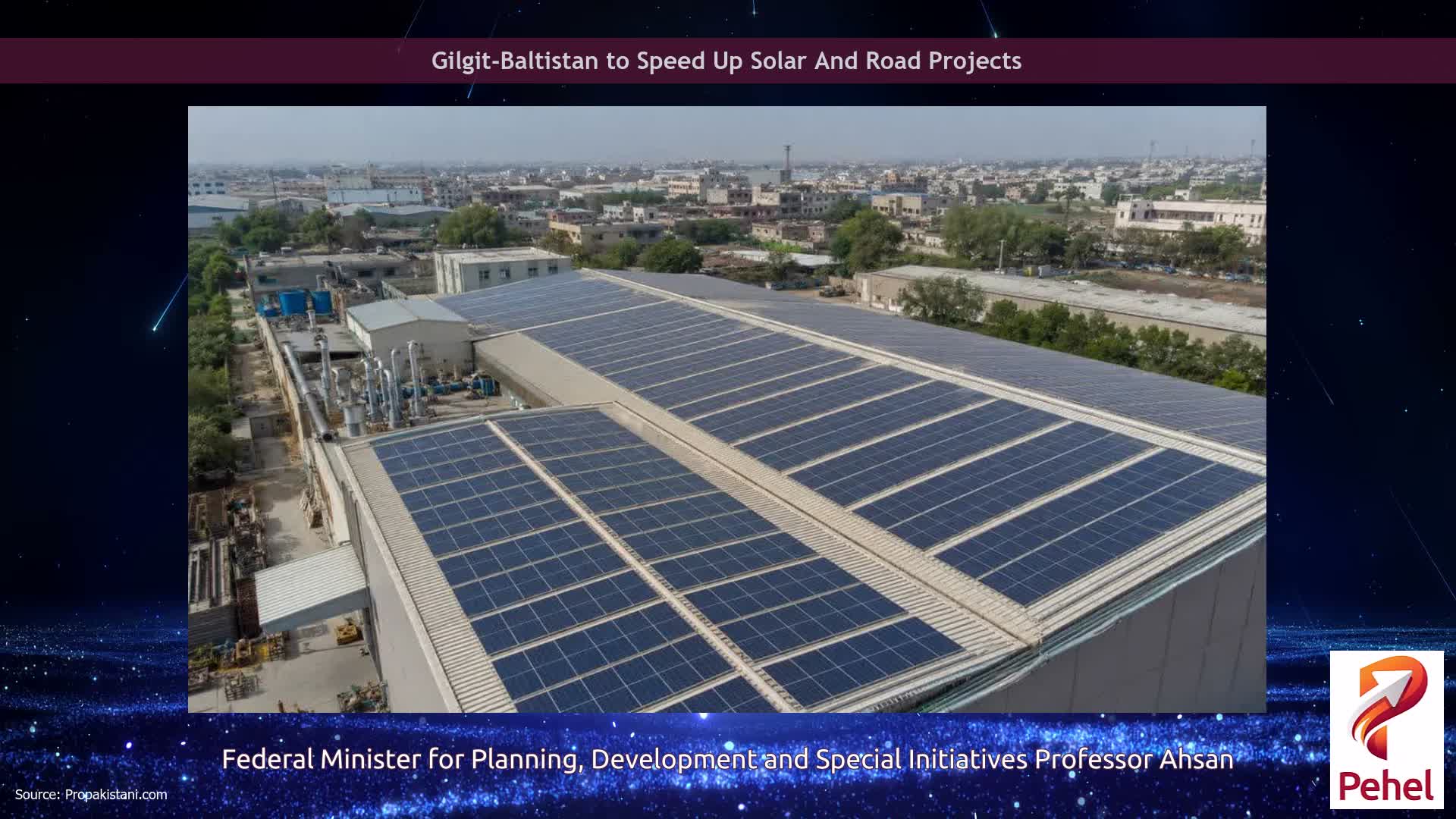
Academics at Northumbria University have secured nearly £1.25 million in UK government funding to build Pakistan’s first full-scale plant that will convert agricultural waste into clean energy.
The university’s School of Engineering, Physics and Mathematics is leading the Safer Plus project, which will convert cotton stalks and sugarcane waste into bio-coal pellets through a heating process known as torrefaction.
Farmers burn millions of tonnes of agricultural waste across Punjab every year, contributing to air pollution and seasonal smog. The project will turn the waste into fuel while creating new income opportunities for rural women.
A women led biomass cooperative will collect and supply the agricultural waste. More than 120 households near the plant will receive formal payments for material that farmers currently pay to dispose of. The project will reserve at least 60% of its training places for women and send payments directly to their mobile wallets.
The bio-coal pellets could replace imported coal in brick kilns and textile mill boilers at 40% to 50% lower cost. Pakistan spends more than $2.5 billion annually on coal imports for industrial use, according to project lead Dr. Jibran Khaliq.
Three Pakistani textile manufacturers have signed letters of commitment to test the bio-coal as boiler fuel. The project aims to turn six years of research into a commercial facility that Pakistan can replicate and expand.
Get the latest news and stories wherever you prefer.
Add ProPakistani to Preferred Sources and see more of our stories in Google Search and Top Stories.
Shares