Hélène Akilimali says she’s taking every precaution against contracting Ebola, including always wearing a face mask in public. But her work as a cocoa seller in eastern Democratic Republic of Congo (DRC) - the epicenter of the latest outbreak - brings her into daily contact with other people, some of whom doubt the disease is even real, and she has no control over how they behave.
“Ebola is a real disease. People need to stop deluding themselves,” said Akilimali, cautioning that misinformation, myths about the virus and lax attitudes are killing people.
“I always wear my face mask. But as for the customers, when they come, they may or may not be wearing face masks,” Akilimali told a journalist on the ground working on behalf of CNN. “You’re not going to chase them away.”
Locals in Ituri and North Kivu, the two provinces most heavily impacted by the outbreak, say they are not only contending with the delayed response to the epidemic, but also with health misinformation and a cavalier attitude towards face masks in their communities.
“As we see people dying, we used to think it was a joke, but now we can see that it’s real,” said Élie Ilunga, a resident of the city of Bunia, the capital of Ituri Province. “The disease is definitely here.”
The World Health Organization has said that at least 177 deaths are now thought to be linked to the Ebola outbreak in DRC, with nearly 750 suspected cases so far. The outbreak is believed to have originated in a rural area, but it has now spread to cities including Bunia and Goma. Neighboring Uganda has also recorded five confirmed cases as well as two deaths.
WHO on Friday raised the risk level to “very high” in DRC and “high” on the regional level, although it says epidemic risk remains low on a global level. Ebola case numbers are expected to “keep increasing, given the amount of time the virus was circulating before the outbreak was detected,” the organization has warned.
“Those who doubt are perhaps those who haven’t experienced this (death) yet or whose families haven’t been affected yet,” added Ilunga, who set up a washbasin at home to protect his own family. He’s been urging others to stop doubting the reality of the threat the virus poses.
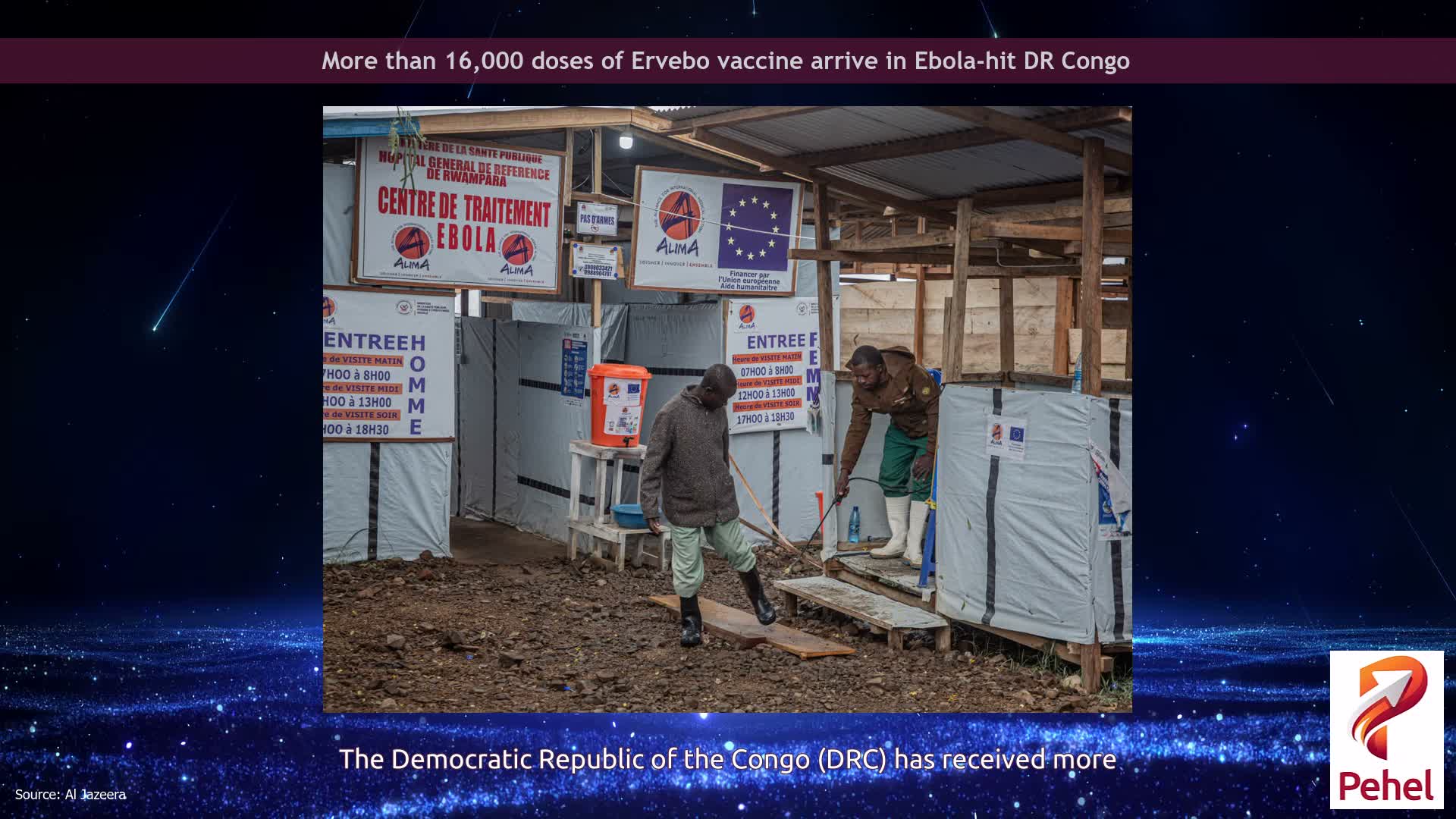
Tensions flared on Thursday in Ituri, when the relatives of a young man who died of Ebola tried to take his body “by force” from the Rwampara Hospital, a local politician told CNN. Protesters caused a blaze at that health facility , burning down two hospital tents, officials said.
On Friday, local authorities in Ituri announced restrictions on public gatherings and banned wakes.
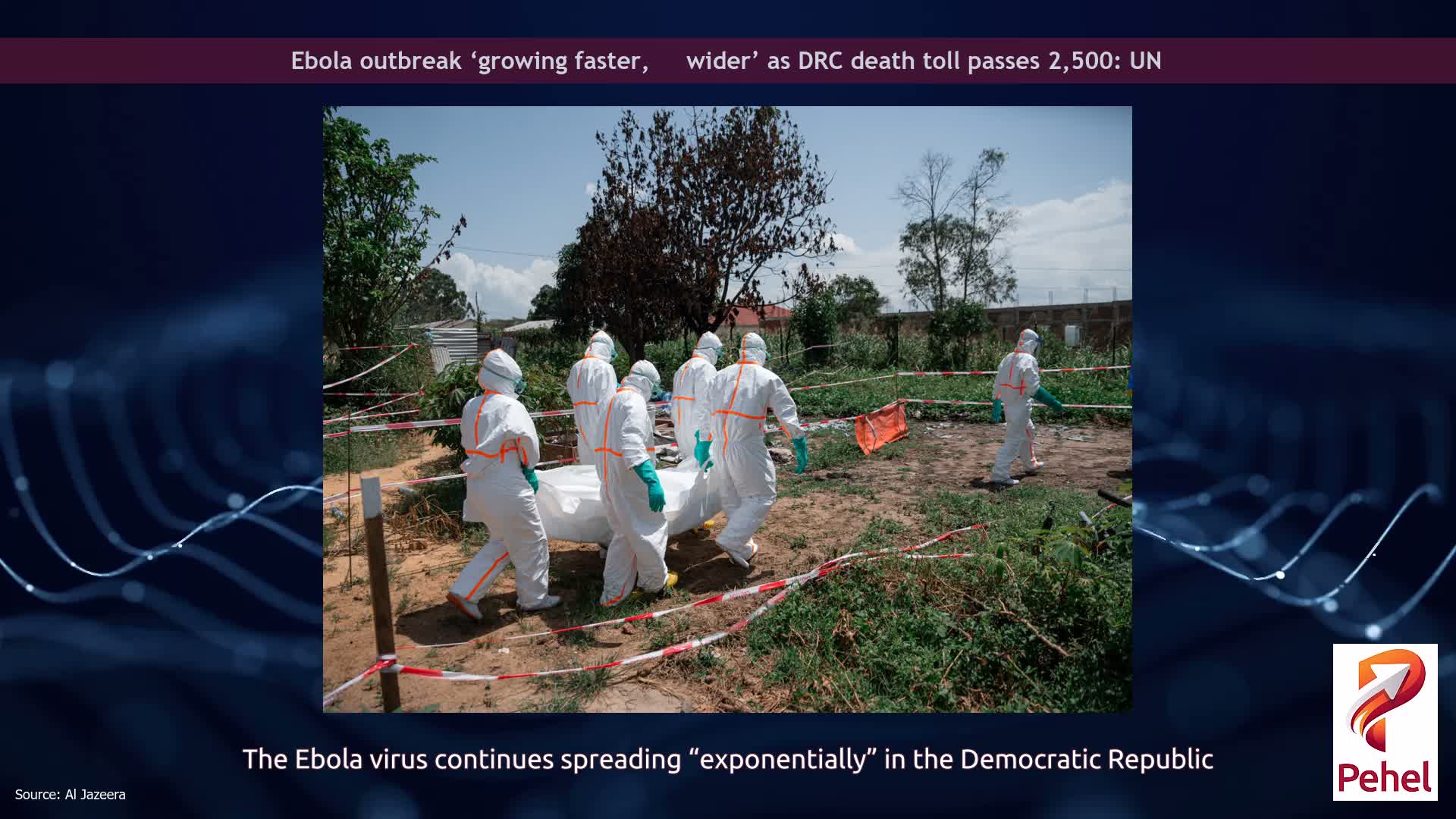
Health officials have raised alarm that traditional funerals and mourning practices can rapidly spread the virus, as the corpses of Ebola victims are highly infectious. A community mobilizer based in Bunia previously told CNN that a local funeral custom involving mourners touching the deceased may have contributed to the rise of infections.
“Building trust in the affected communities is critical to a successful response, and is one of our highest priorities,” WHO Director-General Dr. Tedros Adhanom Ghebreyesus said Friday after the hospital fire. “We are also committed to ensuring that essential services for the affected communities are maintained and strengthened.”
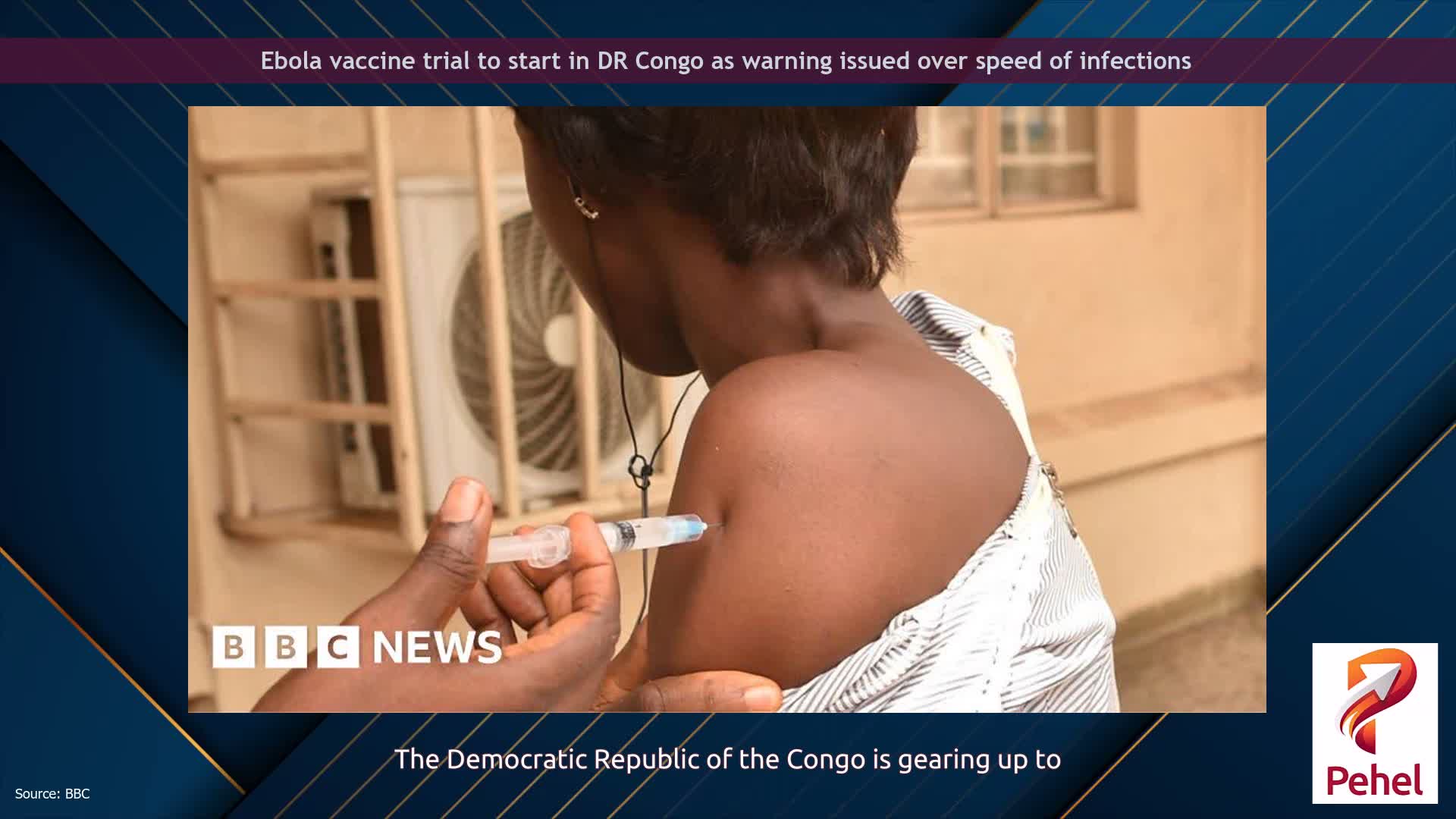
Beyond fear and doubt, there are multiple factors hugely complicating the emergency response – the area is in a conflict zone and an estimated two million people are displaced. Eastern DRC has historically underfunded healthcare infrastructure. And the strain of the virus driving the outbreak has no approved vaccine or treatment.
Aid workers have also told CNN that the dismantling of the US Agency for International Development (USAID) and US funding cuts carried out prior to the outbreak have impeded the response. However, a State Department official denied the claims and said none of the Trump administration’s changes have hampered its efforts.
Speaking shortly after returning from a humanitarian visit to Ituri Province, Greg Ramm, DRC country director for the organization Save the Children, said their teams are working alongside local authorities to deliver basic supplies like disinfectant and chlorine to clinics. Humanitarian funding is far less than it was a couple years ago, he noted.
“We are in a game of catch-up. There are not enough health resources,” Ramm told CNN on Tuesday. “It’s about getting basic infection prevention and control measures into health centers.”
“The goal is to keep health centers functioning to encourage people who are sick with Ebola or something else to get help,” he added. “The last thing we need right now is for the health system to shut down.”
Experts fear that many more people could die if citizens become afraid of going to the hospital for other ailments, like malaria, measles and malnutrition. Children under five are particularly at risk from malaria, the WHO regional director for Africa has cautioned.
Protesters attack DRC treatment center as the WHO warns violence is threatening Ebola efforts
Meanwhile, doctors working in eastern DRC are hammering home the message that people should avoid touching anyone who may have Ebola, stop unnecessary physical contact like hugging with anyone, and avoid touching dead animals.
“Every person must adopt a preventative attitude to break this chain of infection,” said Dr. Mwarabu Hugue.
Uganda’s President Yoweri Museveni has urged citizens to avoid shaking hands, although he noted that the vast majority of cases are in DRC. On Friday, WHO described the situation in Uganda as “stable.”
Meanwhile, the head of Africa Centers for Disease Control and Prevention (Africa CDC), which is tasked with coordinating health matters across all African Union countries, has said authorities are stepping up efforts to ensure there are medicines available to treat people, while also pressing ahead with vaccine development.
“It will take us a few months to complete the vaccine,” Africa CDC Director-General Dr. Jean Kaseya told reporters. “Anyone who gives you a specific number of months is not telling the truth. It may take quite some time.”
Bunia resident Aline Kitambala Masika, originally from North Kivu Province, said she hopes people come to their senses when it comes to wearing personal protection.
“Ebola devastated my whole family,” she said.
CNN’s Niamh Kennnedy and Nimi Princewill contributed to this report.