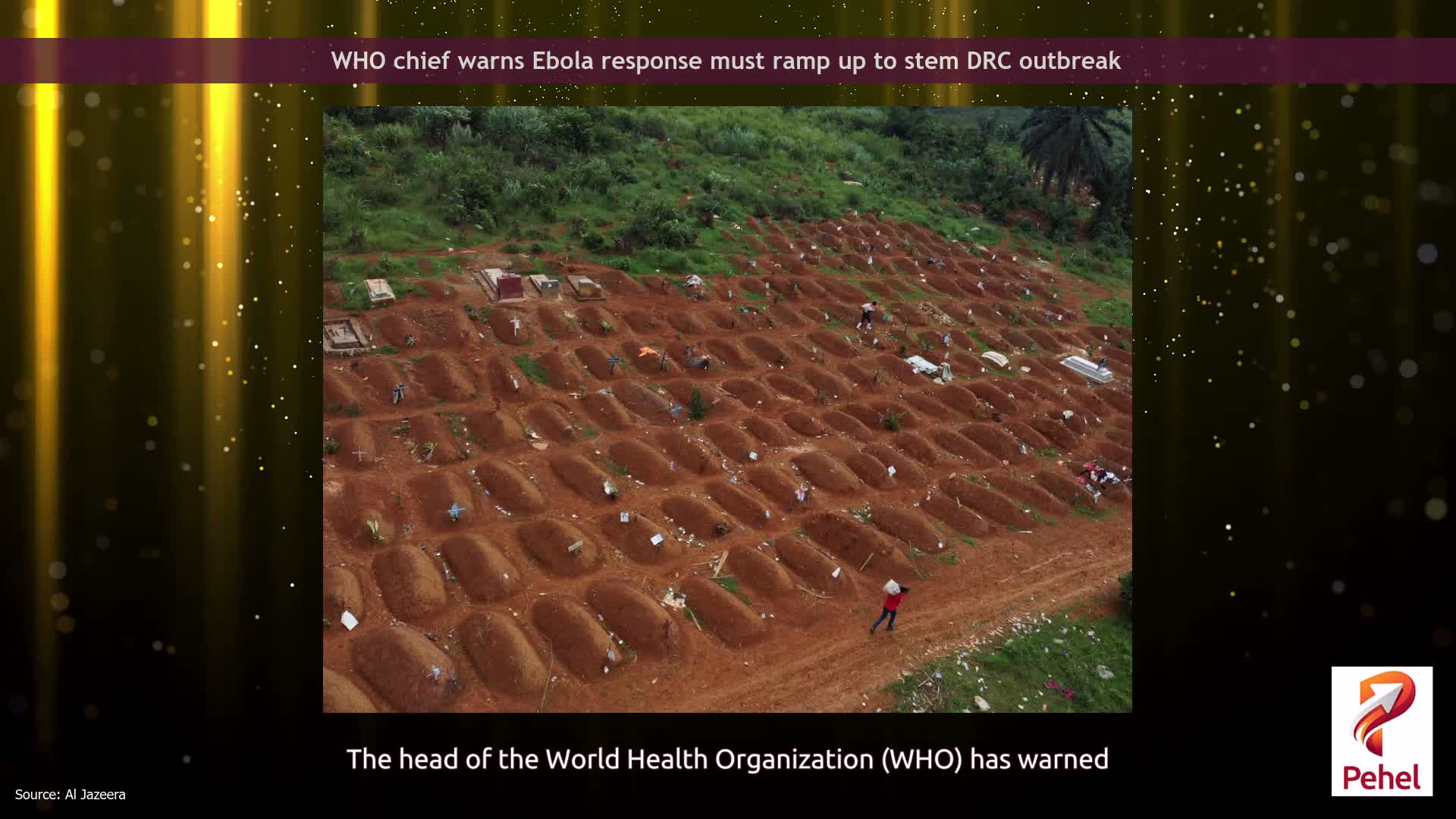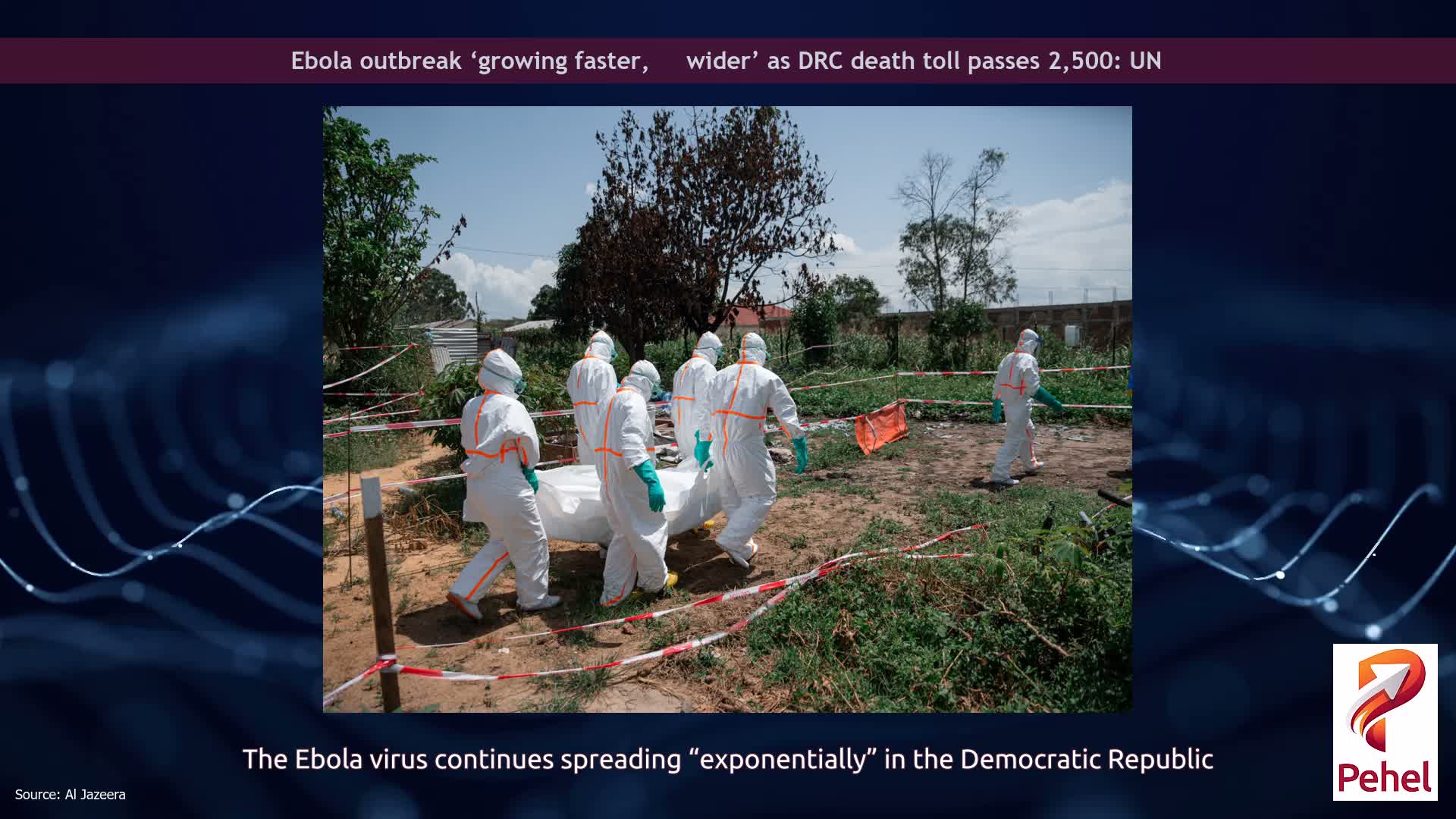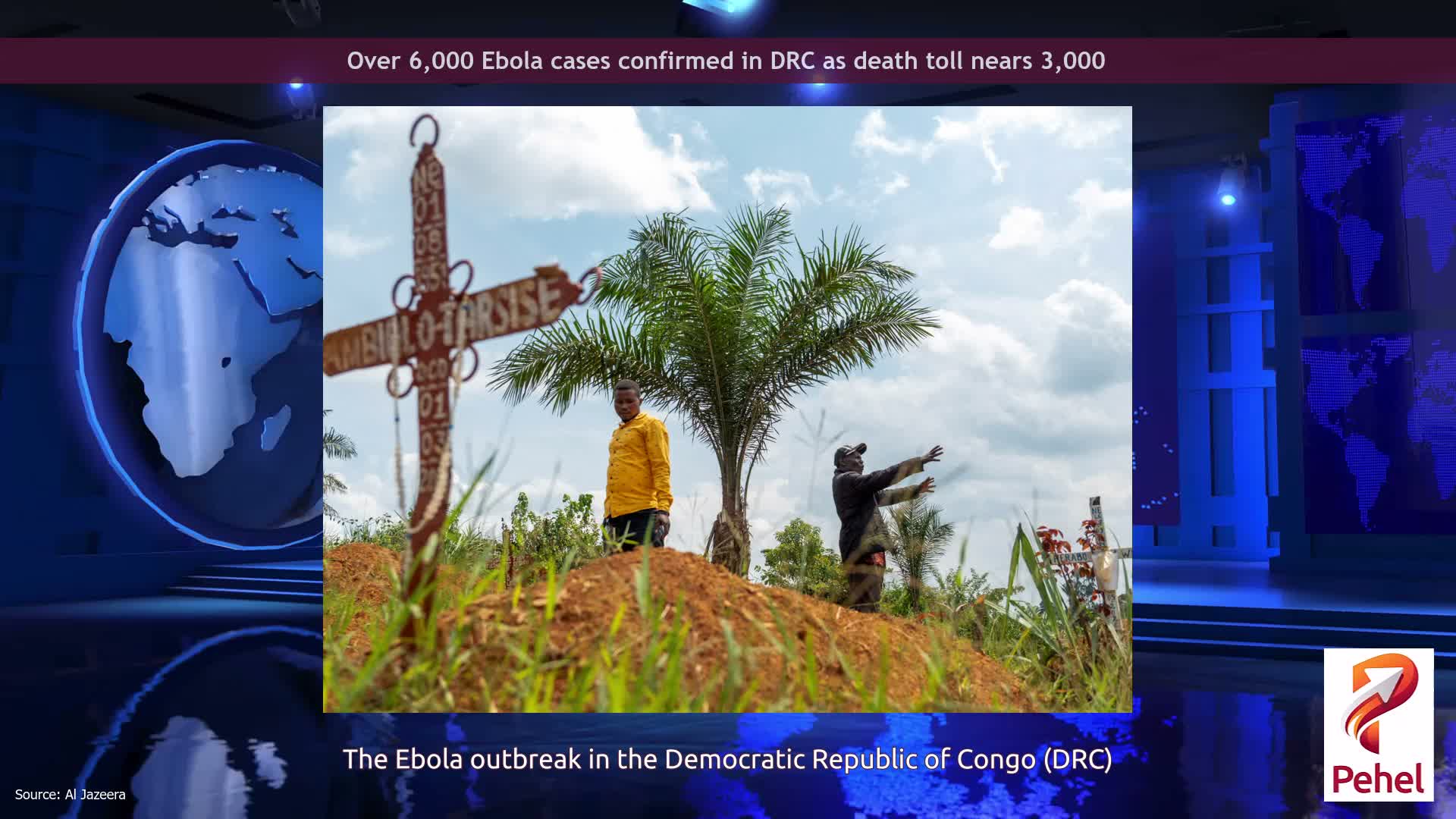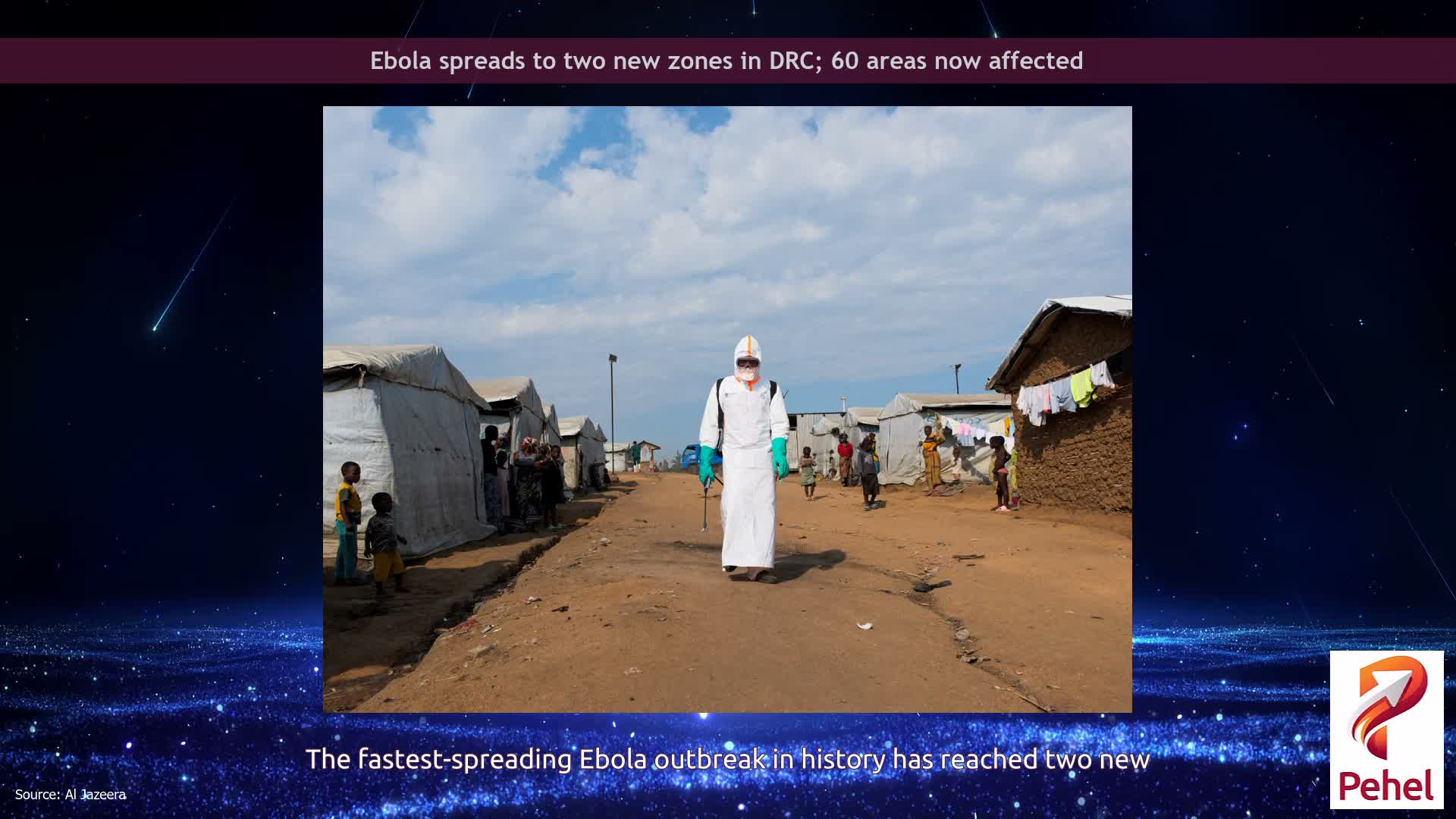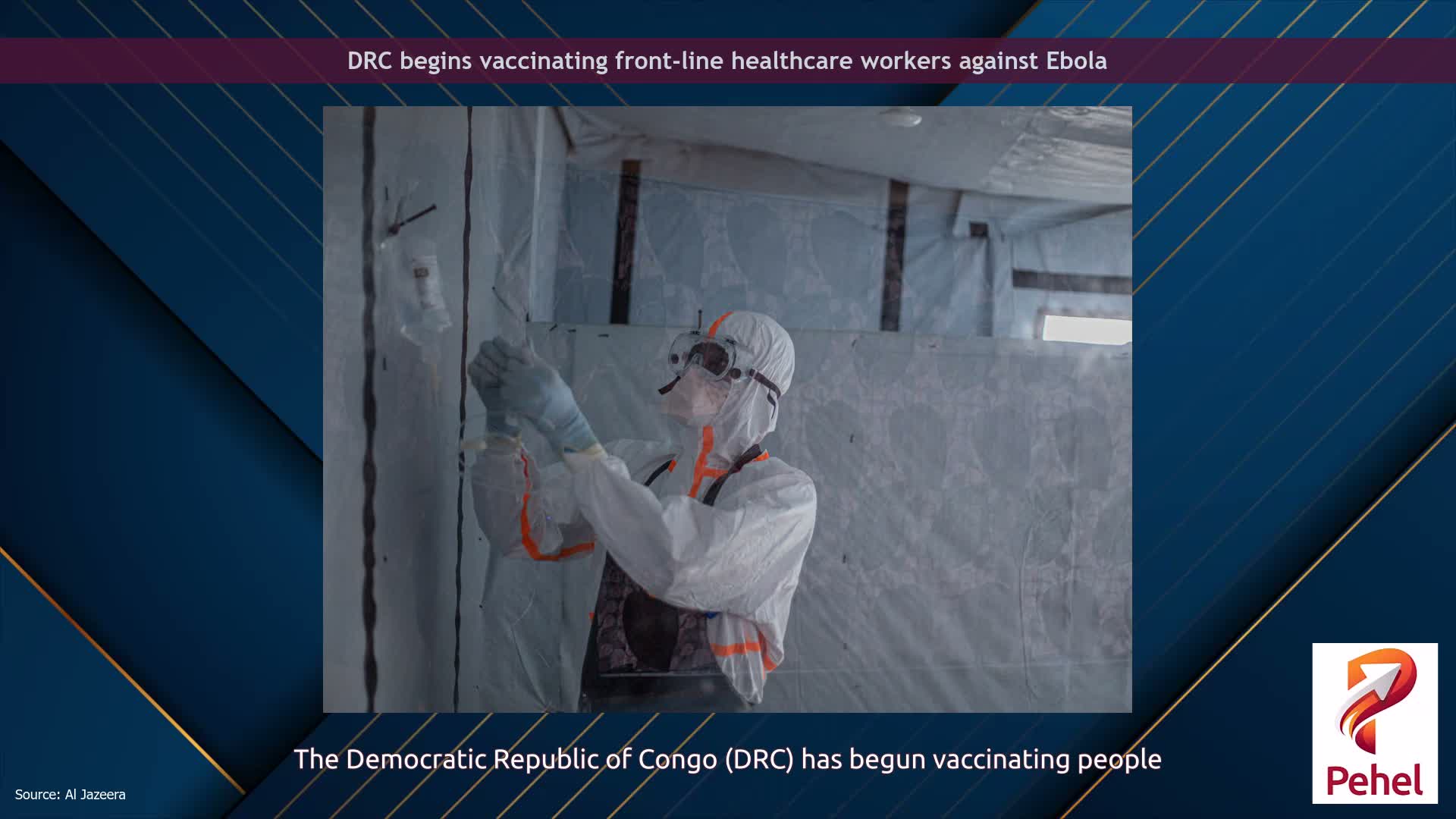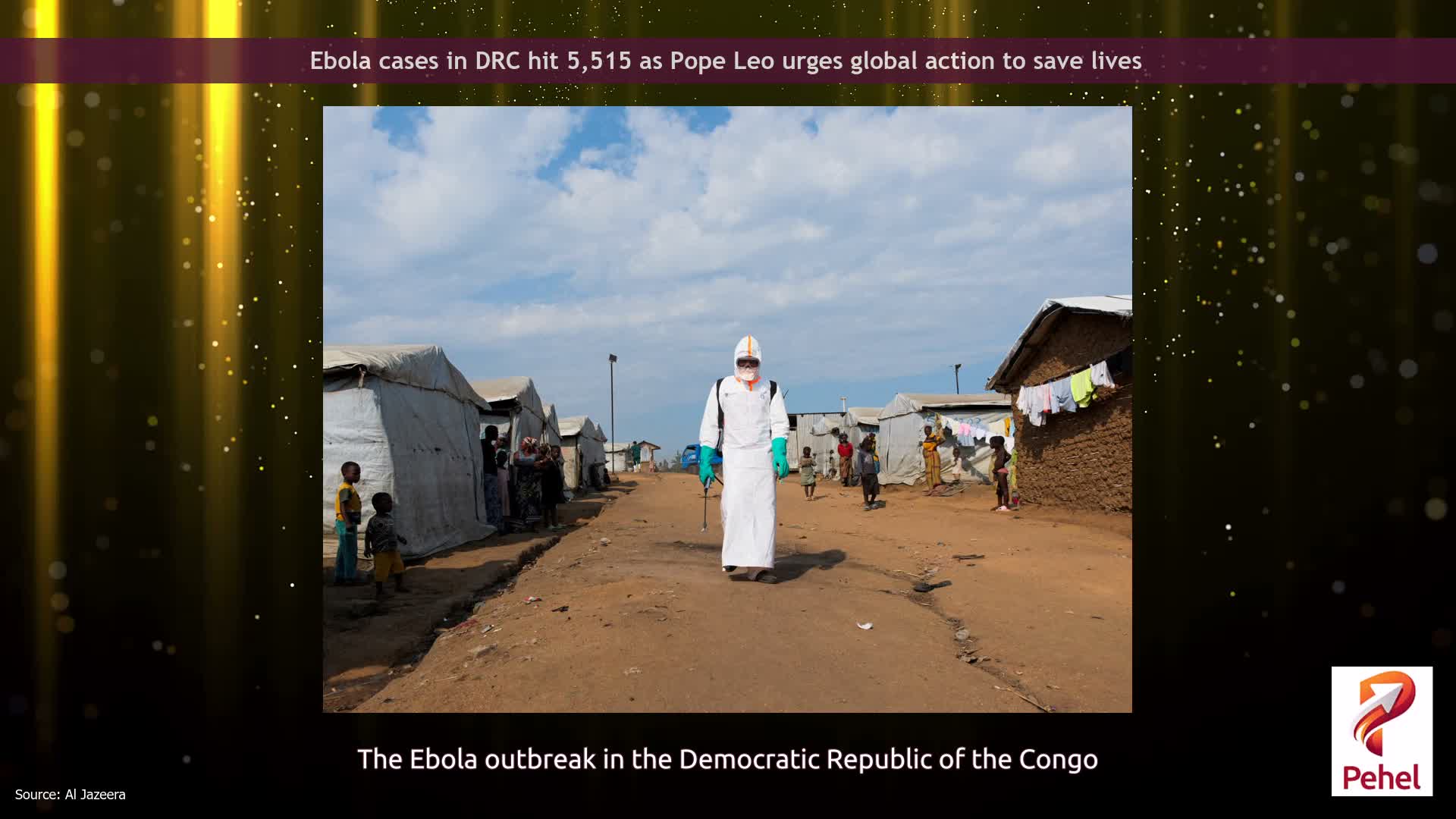
The death toll from the Ebola outbreak in the Democratic Republic of the Congo (DR Congo) has risen above 500, according to the World Health Organization (WHO), as health workers threaten strike action over low wages and poor working conditions.
The data released on Monday, based on reports from Congolese health authorities, showed that at least 506 deaths and 1,561 confirmed Ebola cases have been recorded in the country, according to a WHO situation report dated July 4. In neighbouring Uganda, the toll remained at two deaths and 20 confirmed cases.
Ebola, which is transmitted through contact with bodily fluids and causes haemorrhagic fever, has killed more than 15,000 people in Africa over the past 50 years. The deadliest outbreak in the DR Congo resulted in nearly 2,300 deaths out of 3,500 recorded cases between 2018 and 2020.
The 17th epidemic in the DR Congo, officially declared on May 15, is caused by the Bundibugyo virus, for which there is neither a vaccine nor a treatment.
A clinical trial involving two treatments for this rare strain began on Thursday, according to the WHO, which also granted emergency use authorisation for the first molecular diagnostic test for the virus.
Officials have yet to identify the outbreak’s patient zero and still need to trace possibly tens of thousands of people who have come in contact with infected individuals.
The first month of this Ebola outbreak was already the worst on record, the WHO has said.
In the mining town of Mongbwalu in Ituri province, considered the starting point of the epidemic, the high lethality of 50.7 percent suggests persistent challenges in early management and access to care for the sick.
The crisis in the province has been further compounded by front-line health workers threatening to go on strike on Monday over unpaid benefits and poor working conditions.
In a notice to the government, a copy of which was seen by the AP news agency, workers both in and outside hospitals said they had not been paid benefits since the outbreak began and they do not have adequate supplies for their work.
They also complained of poor salaries, the “arrogance” of teams sent from the DR Congo’s capital of Kinshasa, and the “excessive” use of labour from other provinces without prioritising local labor in Ituri, as well as the lack of adequate equipment.
The virus is also present in the provinces near North Kivu and South Kivu, where the provincial capitals and large swathes of territory are controlled by the anti-government armed group M23.
In North Kivu, the mortality rate of 57.4 percent, significantly higher than the average, is considered “worrying” by Congolese health authorities.
In South Kivu province, no cases have been confirmed since May 26.
Health authorities in the M23 region announced last week that the epidemic had been eradicated in the controlled areas.