Samsung could bring the Galaxy S26 Ultra’s Privacy Display technology to its entire Galaxy S27 lineup next year, according to a new report.
The feature is reportedly planned for the Galaxy S27, Galaxy S27+, Galaxy S27 Pro and Galaxy S27 Ultra. This would mark a major expansion from the current Galaxy S26 series, where Privacy Display remains exclusive to the Ultra model. Samsung has not officially confirmed the plans.
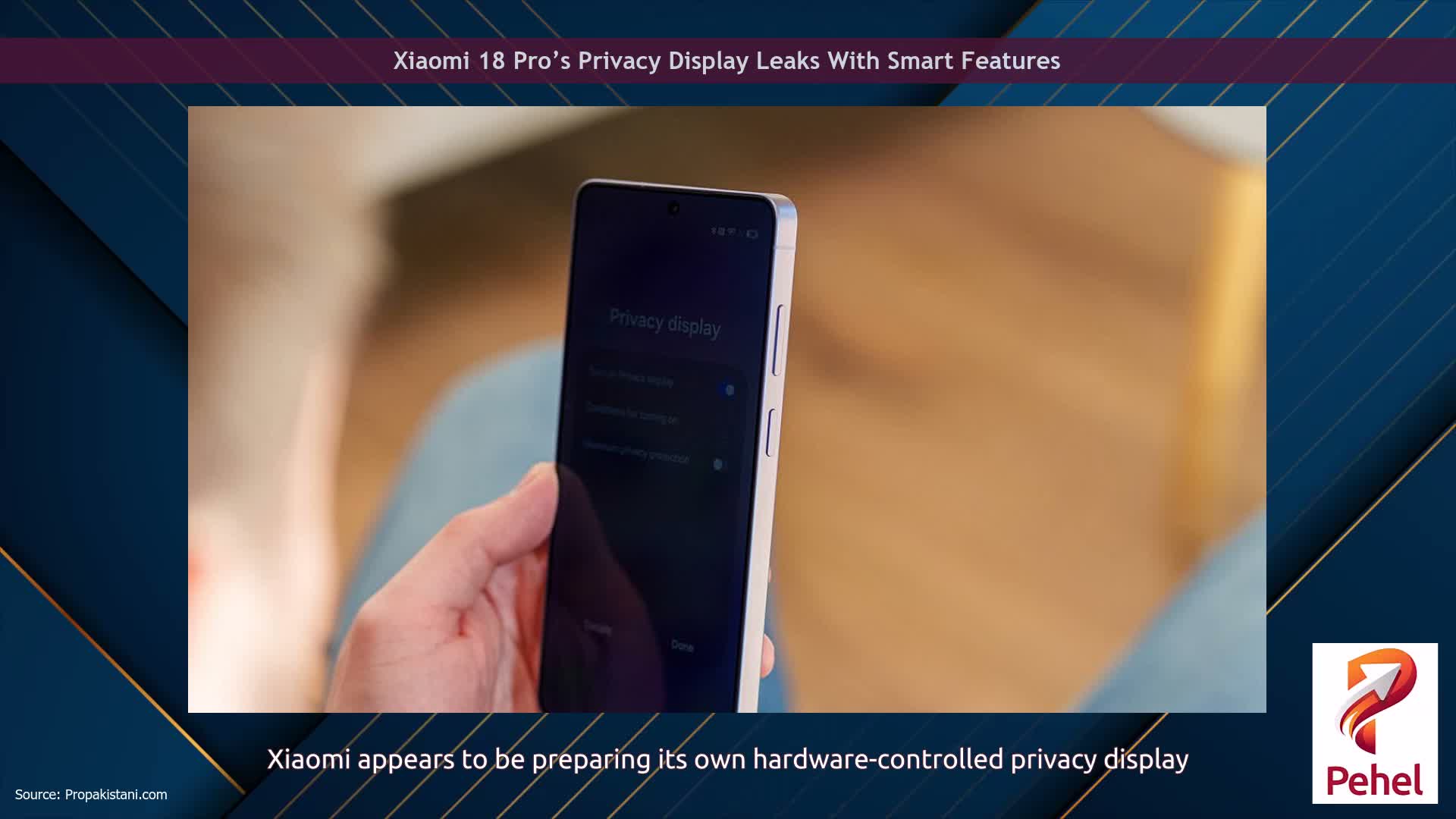
Privacy Display restricts the screen’s viewing angle, making content harder to see from the sides while remaining visible to the person directly in front of the phone.
Users can enable it across the entire display or configure it for selected apps, notification pop-ups and password entry screens. This allows private information to remain hidden from nearby people without requiring a permanent privacy screen protector.
The reported expansion is particularly notable for the standard Galaxy S27, as Samsung often reserves certain hardware features for its more expensive phones. The base Galaxy S models have previously missed features such as 45W charging and ultra-wideband support.
Samsung is expected to introduce a new Galaxy S27 Pro alongside the standard, Plus and Ultra models.
Earlier reports had already suggested that the Pro and Ultra variants would receive Privacy Display. The latest information now claims Samsung plans to include it across all four devices.
Samsung Electronics had reportedly considered purchasing cheaper OLED panels from Chinese display manufacturer BOE for the standard Galaxy S27.
However, negotiations between the companies reportedly collapsed. The base model is now expected to use panels supplied by Samsung Display, making it possible for Samsung to include its hardware-based Privacy Display technology.
Privacy Display phones remain relatively uncommon, but shipments are expected to increase sharply.
Market research company Sigmaintell estimates that manufacturers shipped around one million phones with privacy displays in 2025. Shipments are projected to rise to 21 million units in 2026 and 29 million in 2027.
Huawei and Xiaomi are considering similar technology, while Oppo and Vivo are developing related features for future devices.
Privacy Display could eventually appear on foldable phones, although manufacturers still face technical problems.
The technology separates standard pixels from dedicated privacy pixels that restrict viewing angles. During normal use, both pixel types operate together. When privacy mode is enabled, the display relies on the restricted-angle pixels.
This design can reduce resolution and brightness while increasing power consumption. Manufacturers will need to address these limitations before using the feature widely on larger foldable screens.
Get the latest tech news, telecom insights, and product launches wherever you prefer.
Add ProPakistani to Preferred Sources and see more of our stories in Google Search and Top Stories.
Shares