گزشتہ ماہ امریکہ اور ایران کے درمیان عارضی معاہدے پر دستخط کرنے کے بعد سے "کوئی جنگ نہیں، امن نہیں" کی نازک صورت حال اب جنگ کی طرف بڑھ گئی ہے۔
یہ ایک بار پھر جنگ بندی تیزی سے مشتعل عرب اور پاکستانی ثالثوں کی کوششوں، اور دونوں فریقوں کی جانب سے ایک ختم شدہ، ہمہ گیر جنگ کی طرف واپسی سے بچنے کی ترجیحات کے ذریعے دوبارہ زندگی میں ڈوب سکتی ہے۔
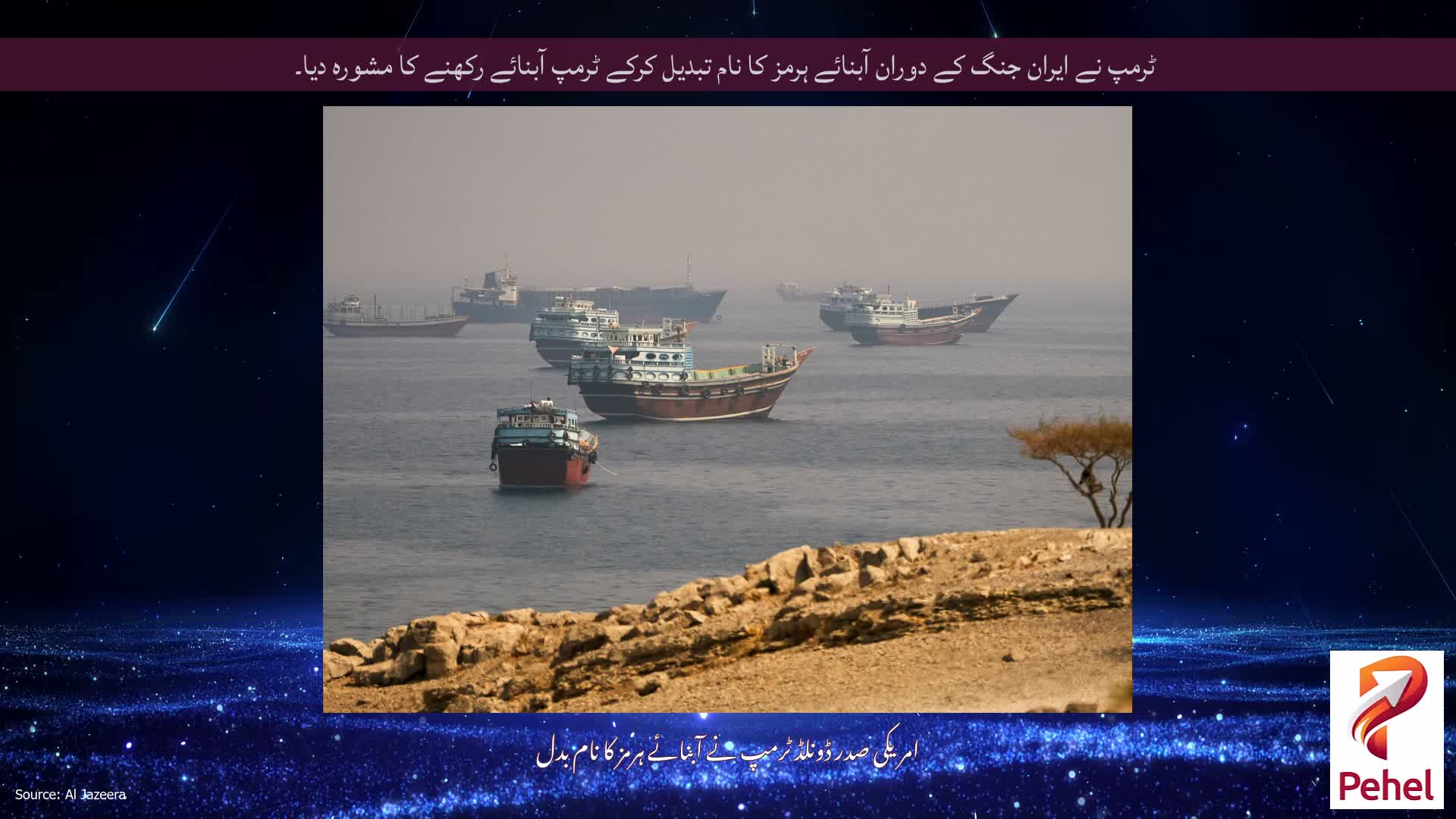
But its biggest fault line is the status of the strategic Strait of Hormuz - and Iran is again making it clear that its control over this vital maritime corridor is a big, bright red line that neither military, economic nor diplomatic pressure can break.
"We told you: keep your word or pay the price," is how Iran's lead negotiator Mohammad Bagher Ghalibaf recently phrased it on social media, quoting the agreement.
Tehran has found backing for that word in the very vague details of the deal - known as a memorandum of understanding - which was drafted in haste in June.
It has been understood differently by both sides from the start.
Iran sees in point five of the 14-point plan a green light, which gives it sway over the management of this critical maritime corridor. Point five reads: "The Islamic Republic of Iran will make arrangements using its best efforts for the safe passage of commercial vessels."
The US reads that as saying Tehran has to open this strategic strait to the free flow of global oil and gas supplies, along with other vital commodities, including ingredients to produce fertiliser.
"You can drive a truck through those clauses," an Arab oil executive working in the region said.
While the new leadership, which emerged in Tehran from weeks of all-out war and waves of US-Israeli assassinations, appears to be aligned on their broad strategic vision for this new chapter of the Islamic Republic, there are clear and growing signs of splits over how to move forward.
"Some want to cash in on battlefield gains through diplomacy and some believe the ceasefire came too soon before Iran had inflicted enough pain on the US," assesses Robert Malley of the International Crisis Group, who was part of the US delegation that negotiated the landmark 2015 nuclear deal US President Donald Trump pulled out of in his first term.
Recent Iranian attacks on three vessels including a Qatari-flagged liquefied natural gas tanker, moving through a shipping corridor close to Oman's coastline to the south, were described by a diplomatic source in the region as the work of a "rogue unit" within the Islamic Revolutionary Guard Corps (IRGC).
In a system where the IRGC now plays a dominant role, Iran's non-negotiable red line is that vessels must now stick to its designated routes.
Last night, far from the thunder of this escalation, its parliament quietly introduced a new bill to manage the strait called the Strategic Action for the Security and Sustainable Progress of the Strait of Hormuz and the Persian Gulf.
That news was posted on X by Ebrahim Azizi, head of the assembly's national security commission, who told us in April that controlling the waterway was Iran's "inalienable right".
When asked when Iran would cede control, his reply was short and sharp – "never."
انہوں نے اسے "دشمن کا سامنا کرنے کا اثاثہ" قرار دیا۔
Iran's zero trust in the US' promises, fuelled by the repeated eruptions of war or threats during negotiations, have cemented its resolve.
Control over the strait is seen not just as a bargaining chip in this impasse, it also sees it as its new leverage, a new form of deterrence, as well as an economic lifeline - in case sanctions never get lifted, and its assets worldwide remain frozen.
But Tehran's determination to rewrite the rules in the region is also causing tension with its neighbours including Qatar, one of the main mediators in this crisis, as well as Iran's longstanding traditional ally Oman, which has played a role for decades behind the scenes.
Countries like the United Arab Emirates have made it crystal clear that Iran's plans to play a controlling role, including charging some form of "service fees" is unacceptable and sets a dangerous precedent.
A source informed on the back and forth said Oman had objected to Iran's inclusion of a specific mention in the agreement in that same contested fifth point - that Iran "will conduct dialogue with the Sultanate of Oman to define the future administration and maritime services". مسقط اب خود کو واشنگٹن کی خواہشات کے درمیان پھنسا ہوا پاتا ہے، اور تہران، سب سے بڑھ کر، خطے کے سمجھدار سفارتی مڈل مین کے طور پر اپنی دیرینہ ساکھ کو برقرار رکھنا چاہتا ہے۔
عمانی تجزیہ کار، پروفیسر عبداللہ بابود نے بی بی سی کے نیوز آور پروگرام کو بتایا، "عمان نے ایرانیوں کے ساتھ بہت صبر و تحمل کا مظاہرہ کیا ہے جو اچھے ہمسایہ تعلقات کو برقرار رکھنے کی کوشش کر رہے ہیں۔"
"This particular episode has driven Oman to take quite a substantial stand...but we want this conflict to be resolved through dialogue."
Some observers still see a small possibility of an eventual compromise.
سابق سینئر برطانوی سفارت کار سائمن گاس نے کہا، "میرے خیال میں وہاں کوئی بہت اچھا حل موجود نہیں ہے لیکن میٹھا مقام کسی ایسے انتظام میں ہو سکتا ہے جس میں آبنائے سے گزرنے والے بحری جہازوں کے لیے کوئی ٹول وصول نہیں کیا جاتا تھا لیکن کچھ قسم کی شپنگ فیس ہو سکتی ہے جس سے ایران یہ دکھا سکتا ہے کہ وہ اپنا اختیار برقرار رکھتا ہے۔"
اس تنازعہ سے آگے اس کے دشمن کے ہر فریق کی طرف سے ایک بنیادی غلط فہمی موجود ہے۔
Both believe they emerged from this war with the upper hand; both believe the other will be forced by its own weaknesses to back down first.
It is always noted that Iran has a capacity "to absorb pain".
It did manage to exploit the window in this deal, which has now been shut by the US, where sanctions on exporting its oil were briefly waived.
But we saw during recent visits to Iran how its deepening economic and financial crisis is hurting. مہنگائی تقریباً 80 فیصد تک بڑھ رہی ہے، اور لاکھوں ملازمتیں نہ صرف اس تنازعہ کی وجہ سے ختم ہو چکی ہیں بلکہ تاریخ کے طویل ترین انٹرنیٹ بلیک آؤٹ میں سے ایک ہے۔
اس میں ایک سال سے بھی کم عرصے میں ہونے والی دو جنگوں کے ساتھ ساتھ حکومت مخالف بڑے مظاہروں کو مہلک طاقت سے کچل دیا گیا جس میں ہزاروں افراد مارے گئے۔
President Trump has his own political and economic pressures, which may yet bring his team back to talks, however sporadic.
اس کلیدی راہداری کی بندش پر پیدا ہونے والے بحران - اس جنگ سے پیدا ہونے والا مسئلہ - کا مطلب یہ ہے کہ بنیادی مسئلے یعنی ایران کے جوہری پروگرام کی شکل پر تقریباً کوئی بات چیت نہیں ہوئی ہے۔
The memorandum's 60-day window for intensive negotiations, which was never realistic, is yet another weakness.
"میں جنگ بندی کو کسی نہ کسی شکل میں صحت یاب ہونے کا ایک مناسب موقع دیتا ہوں کیونکہ کوئی بھی فریق مکمل طور پر اپنا راستہ نہیں پا سکتا ہے کیونکہ انہیں جلد ہی پتہ چل جائے گا،" میلے نے مزید کہا: "لیکن دونوں طرف سے غیر فعالی کو دیکھتے ہوئے، میں اس پر پوری طرح سے شرط نہیں لگاؤں گا۔"