• Trump eyes ‘great deal’, claims US in ‘very strong’ negotiating position • Iran’s top negotiator slams attempt to ‘turn negotiating table into table of submission’ • Iranian tanker seized; Tehran says move akin to ‘state terrorism, piracy’ • US Senate to vote again on resolution seeking to limit president’s war powers
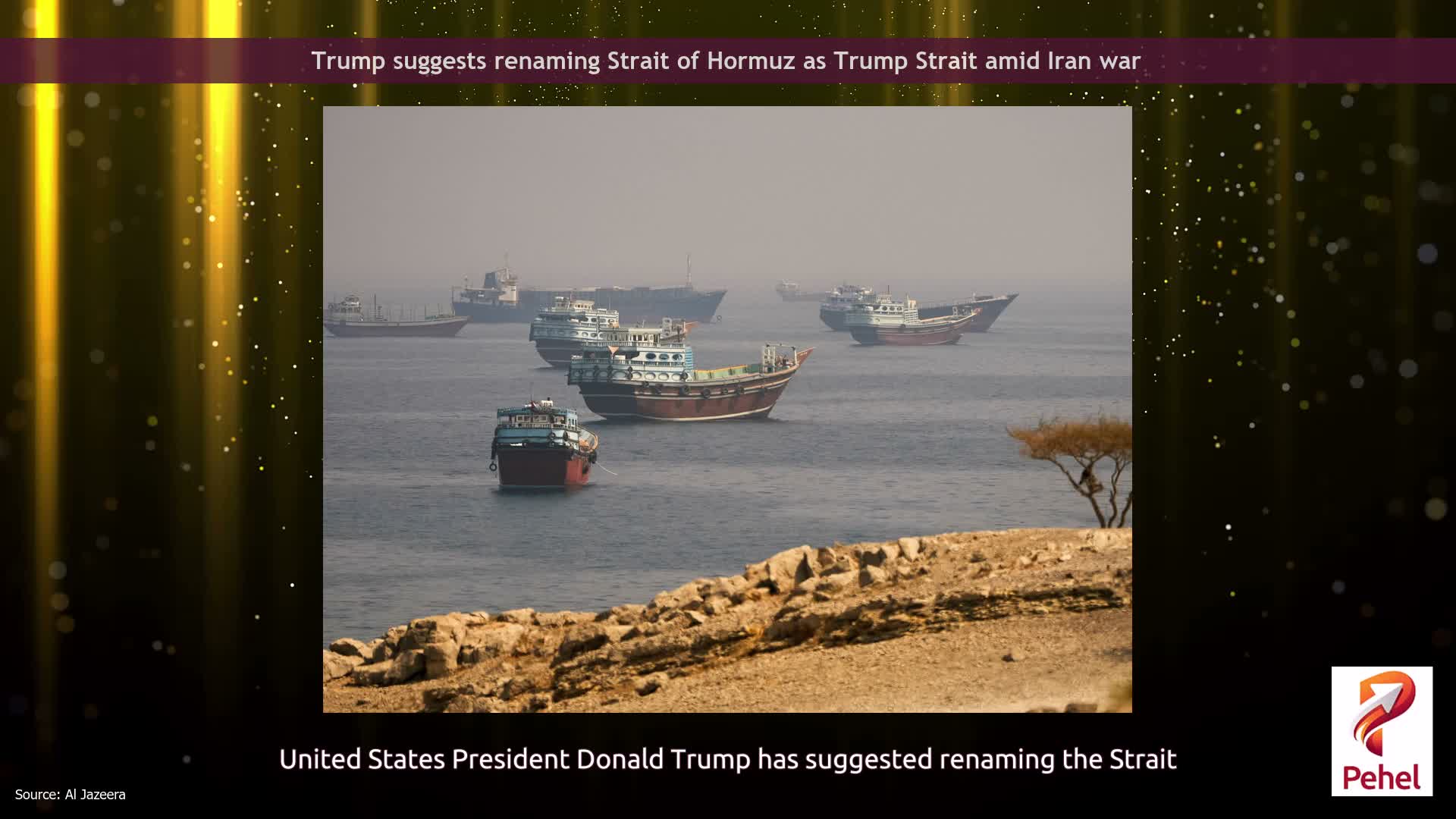
WASHINGTON: As the blockade in the Strait of Hormuz derailed peace talks between the US and Iran, global powers asked both sides to exercise restraint and create conditions conducive to dialogue to end the conflict, which sent energy prices soaring across the world.
The statements by Qatar and China came amid uncertainty surrounding the talks between the warring parties, as tensions escalated between Washington and Tehran over the seizure of an Iranian tanker by the US and the blockade of Iranian ports.
Beijing described the situation as being at a “critical stage” and called for conditions conducive to restoring normal maritime activity in the Strait of Hormuz. Chinese officials said their engagements were aimed at stabilising energy flows while backing Islamabad’s facilitation role.
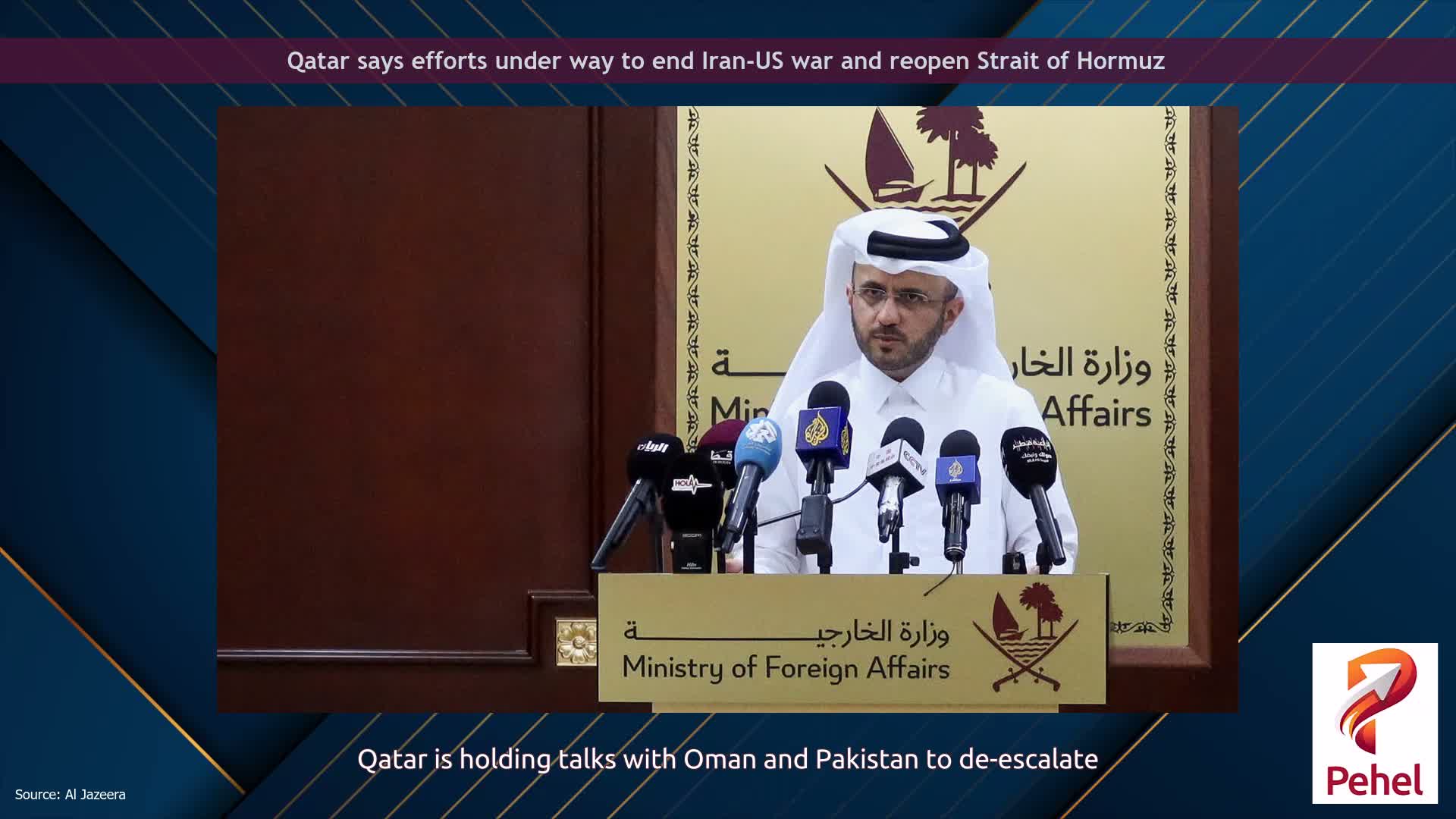
Qatar also urged diplomacy, warning prolonged tensions risk wider global fallout, particularly if disruption in the Strait of Hormuz affects energy flows and markets. It asked both parties to return to negotiations on Tuesday, saying it was in contact with all parties as uncertainty surrounded the US-Iran talks. “The crisis is ours, and the crisis of our region. That’s why we have direct contacts,” foreign ministry spokesperson Dr Majed al-Ansari said at a press conference in Doha.
The calls for restraint came as US President Donald Trump, earlier in the day, warned that his military was “raring to go” if the deal with Iran was not reached before the ceasefire expired. He said the US was in a “very strong” negotiating position. “We’re going to end up with a great deal. I think they have no choice…We’re in a very, very strong negotiating position,” the US president said.
He had also said that it was “very unlikely” that the ceasefire would be extended and threatened to bomb the country. However, in a late-night statement, he had extended the agreement at Pakistan’s request.
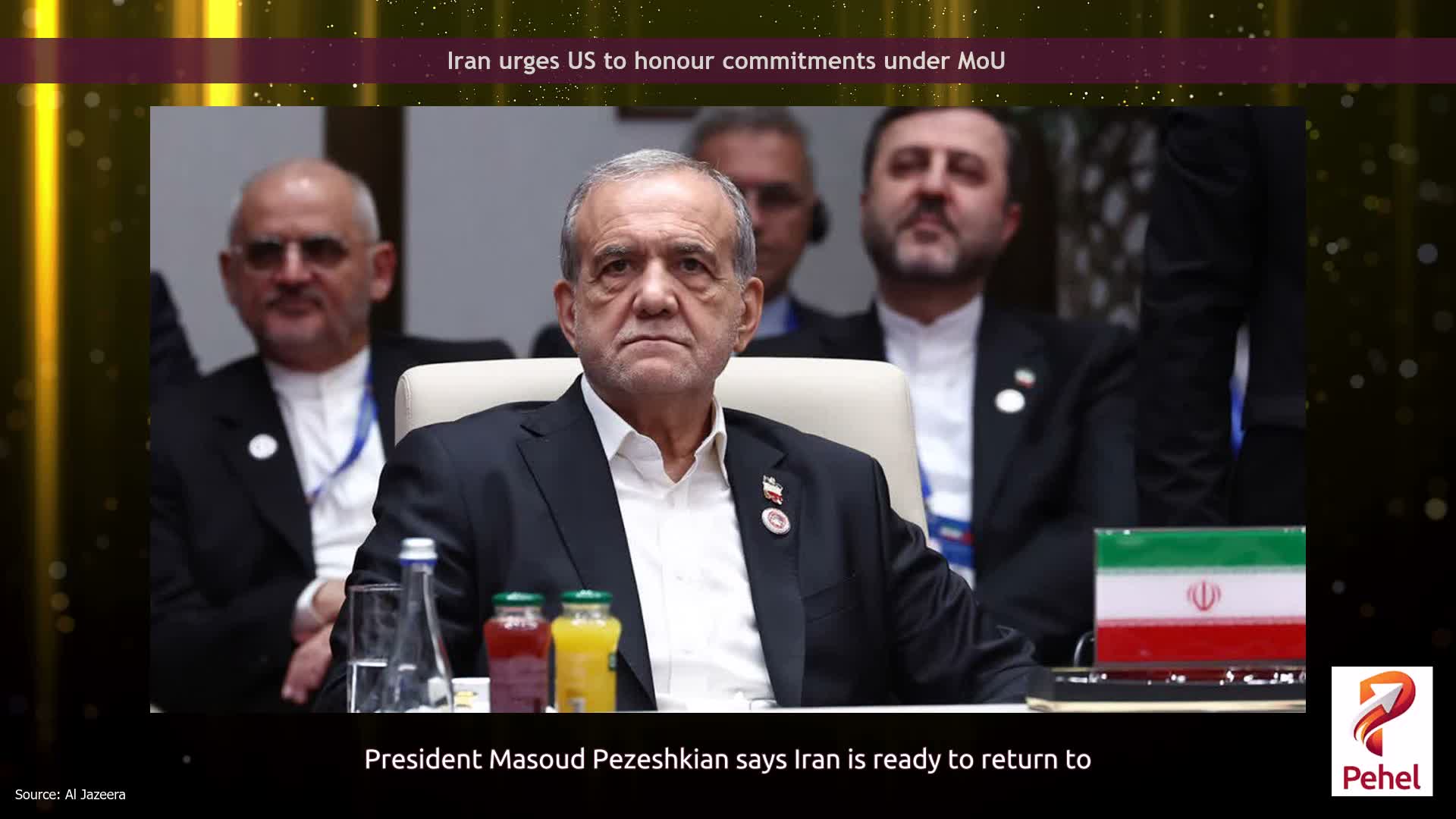
Iran, on the other hand, had ruled out negotiations with the US under ‘coercion’. Iranian government spokesperson Fatemeh Mohajerani said that they were ready to respond to any attack. “We do not want to be attacked again, but if such attacks occur, we will definitely respond more firmly than before,” according to the state news agency IRNA.
A senior Iranian military commander also said that Iran was ready to deliver an “immediate and decisive response” to any renewed hostility, according to the semi-official Tasnim news agency.
Likewise, Iran’s top negotiator Mohammad Bagher Ghalibaf accused President Trump of increasing pressure through the blockade, saying Trump was deluded in seeking to “turn the negotiating table into a table of submission” or justify renewed warmongering.
According to Al Jazeera , Iran’s ambassador to Pakistan, Reza Amiri Moghadam, made similar remarks in a statement posted on social media. Paraphrasing Jane Austen’s Pride and Prejudice, he said it was “a truth universally acknowledged” that “a single country in possession of a large civilisation will not negotiate under threat and force”, calling it “a substantial, Islamic and theological principle”.
Iranian tanker seized
Earlier in the day, the US military seized an Iranian tanker in the Indian Ocean. The tanker, which was close to fully loaded, had signalled Singapore as its destination. The ship, capable of carrying two million barrels of crude, last reported its position on Tuesday morning as near Sri Lanka in the Indian Ocean, according to MarineTraffic tracking data.
“As we have made clear, we will pursue global maritime enforcement efforts to disrupt illicit networks and interdict sanctioned vessels providing material support to Iran anywhere they operate,” US Central Command said. It claimed that 28 vessels attempting to enter or exit Iranian ports had been forced to “turn around or return to port” since the start of the naval blockade.
According to AFP, the US president said they had also intercepted a ship carrying a “gift” to Iran from China. The ship had “a gift from China” which “wasn’t very nice,” he told CNBC . “I was a little surprised,” he added, saying he thought he had an “understanding” with China’s President Xi Jinping.
On the other hand, the Iranian army said a tanker had entered its territorial waters from the Arabian Sea on Monday with help from the Iranian Navy, despite what it described as repeated warnings and threats from the US naval task force.
Vote on Trump’s war powers
The US Senate was expected to vote on Tuesday on a Democratic war powers resolution seeking to limit President Donald Trump’s military operations against Iran, as Senate Democrats escalated a strategy of forcing repeated — now weekly — votes on the issue following four earlier failed attempts to rein in executive authority.
The resolution would require the withdrawal of US forces from hostilities against Iran that had not been authorised by Congress. Democrats said the repeated votes were intended to compel lawmakers to formally go on record over the widening conflict, which has now entered its eighth week.
The Senate is currently controlled by Republicans, who hold 53 seats compared to 47 held by Democrats, giving them a narrow majority. While most votes on war powers measures have followed party lines, a small number of Republican senators have occasionally broken ranks in earlier votes, though not in sufficient numbers to advance the resolutions.
Anwar Iqbal in Washington and Baqir Sajjad Syed in Islamabad also contributed to this report
Published in Dawn, April 22nd, 2026