US President Donald Trump suggested on Tuesday that Israel allow Syria to “deal with Hezbollah,” claiming Damascus would do a “better job.” The proposal, which Trump has now raised twice this month, touches on some of Lebanon’s deepest anxieties: Syria’s long history of interference in its affairs and the jihadist past of the country’s new rulers.
It is unclear exactly what Trump is suggesting — deploying Syrian troops to southern Lebanon, or having Syrian forces forcibly cut off weapons supply routes. Either option would stoke fear inside Lebanon.
Syria dominated Lebanon’s political scene for nearly three decades. Syrian forces first deployed into the neighboring country during its civil war in 1976 — ostensibly as peacekeepers — but remained long after the fighting stopped and maintained a prolonged military presence that is seen by many as an occupation.
That period was marred by thousands of disappearances and deaths, shaping Lebanese distrust and complicating feelings toward Syria. Any renewed Syrian intervention inside Lebanon is likely to be very unpopular.
The Iran-backed Shiite Lebanese militant group Hezbollah intervened on behalf of former Syrian President Bashar al-Assad during the Syrian civil war to preserve a vital arms supply route linking it to Iran and Iraq. It provided crucial military support to Assad’s brutal hold on power.
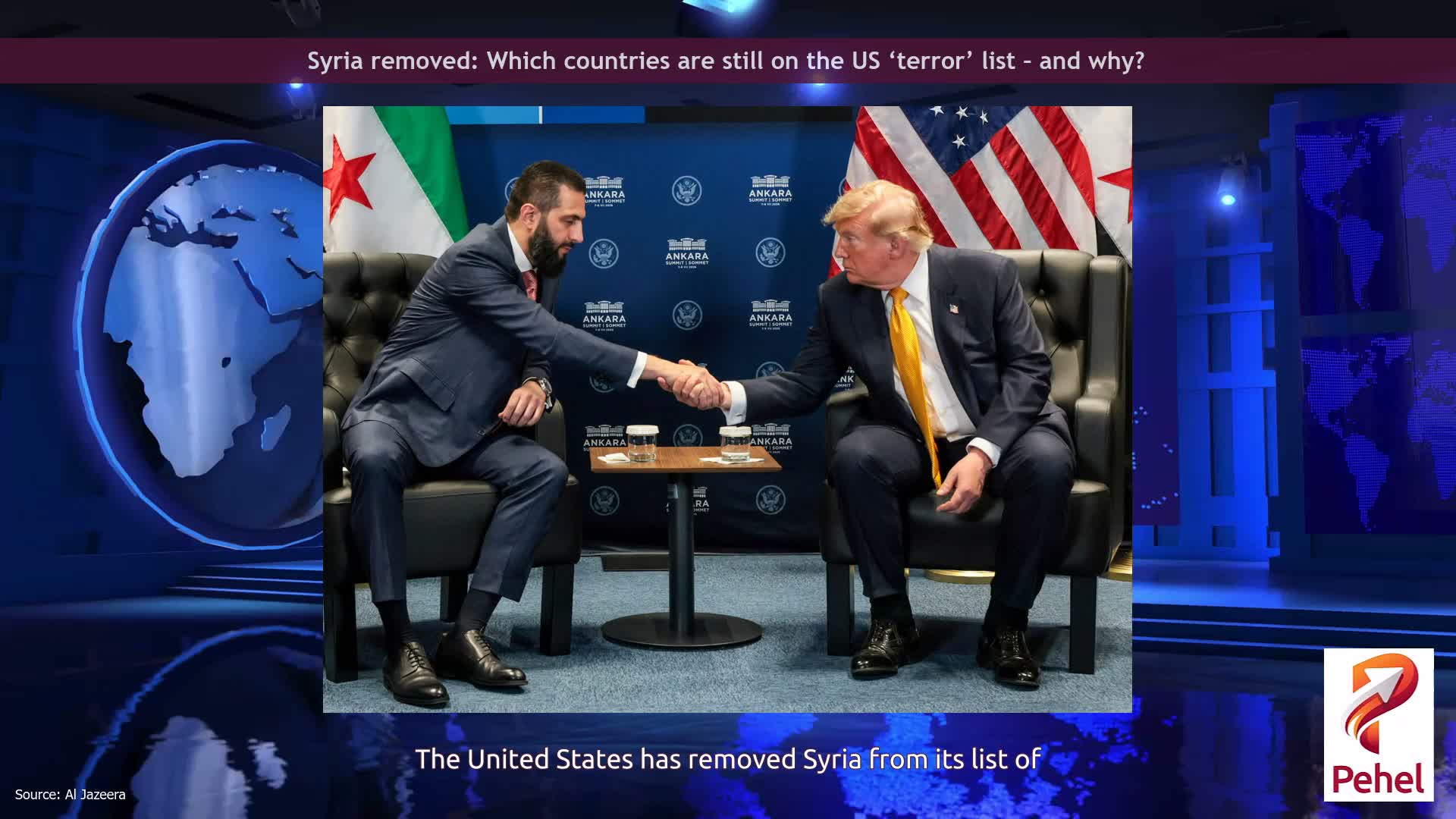
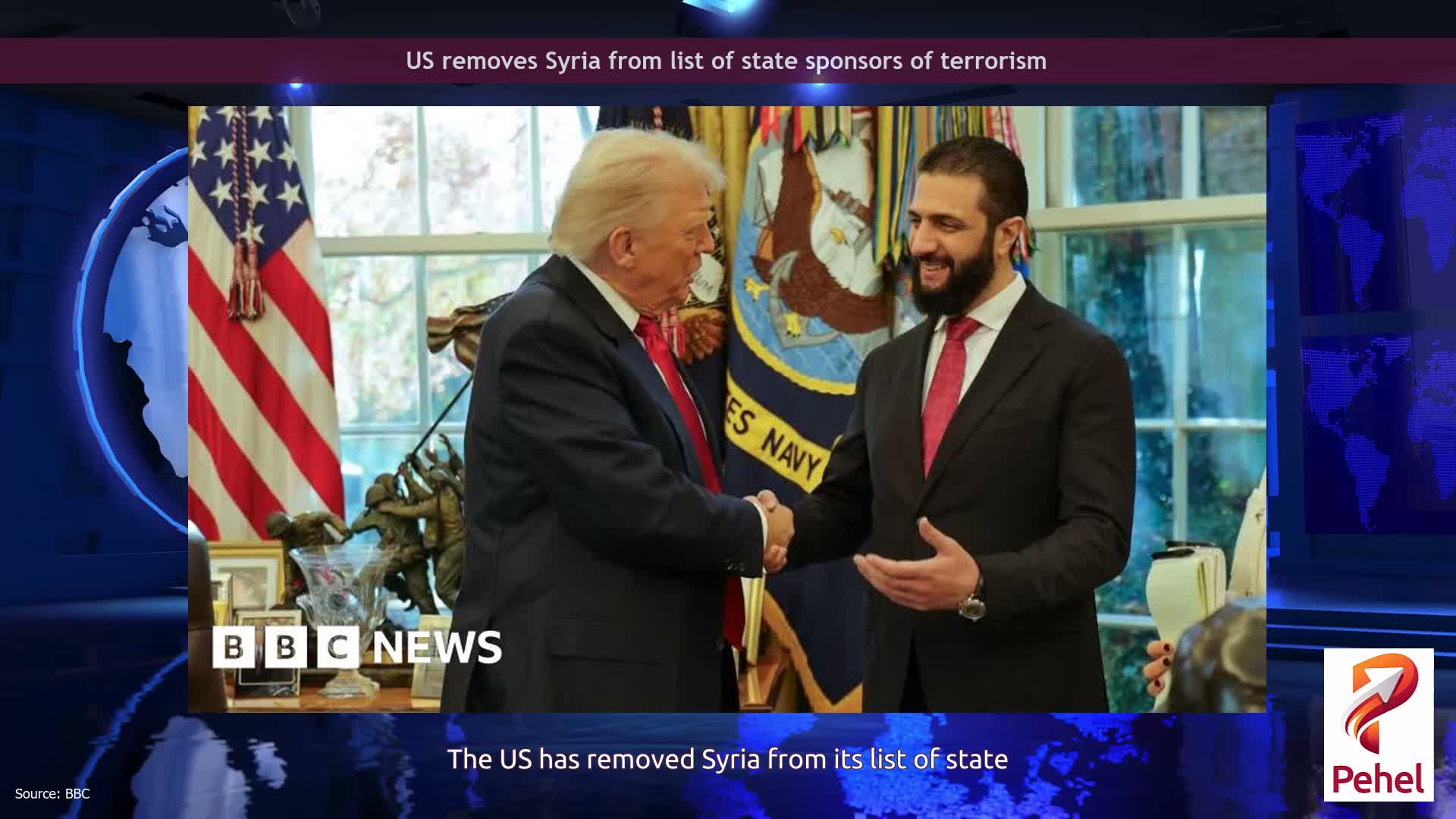
Their relationship was built on a shared enmity with Israel and a common alliance with Iran. That ended with the fall of Assad in 2024 and the rise of President Ahmad al-Sharaa, a former al-Qaeda jihadist who ejected Iran-backed armed groups from the country and has been leaning Westward since, winning repeated praise from Trump for being a “tough guy” and a “fighter.”
Last week, al-Sharaa denied reports of Syrian intervention in Lebanon, saying what is being circulated is “completely false.”
A potential intervention by the hardline Islamist-rooted regime in Syria also risks upsetting the delicate sectarian balance that underpins Lebanon’s political system, particularly given the leadership’s past hostility to Shiites, who make up a significant proportion of Lebanon’s population.
Michael Young, a Lebanon expert and senior editor at the Carnegie Middle East Center and called it a “completely absurd idea.”
“The sectarian dimension here is very risky. It would divide Lebanon and be a disaster. I think it’s too much of a Pandora’s Box. He (Sharaa) would be making a big mistake if he did it,” he told CNN.
The prospect of Syrian troops entering Lebanon is likely to raise alarm bells, as many come from factions within Islamist and jihadist backgrounds and have been accused of atrocities against minorities within Syria’s own borders.
Lebanon is a multi-sectarian society with over a dozen ethnic and religious minority groups, including one of the region’s largest Christian populations.
Some religious groups that oppose Hezbollah’s presence in Lebanon, would nonetheless likely prefer the militant group over Syrian forces, according to Young.
“You could potentially see the entry of a Syrian army dominated by Salafists…it would create panic among Christians, Druze and Shias. They would not welcome this,” he said. “It would reinforce Hezbollah rather than weaken them.”
Just how firm al-Sharaa’s hold on power is across Syria remains in question, especially over the army — an issue Young says would compound the disastrous nature of such a decision.
Syria potentially taking part in efforts to address Hezbollah’s role in Lebanon also risks dragging Lebanon back into a regional quagmire it has been trying to move past. The government has been trying to take back control of its own security in the face of Hezbollah’s overwhelming military power.
Lebanon’s sovereignty is already under strain, with Israel refusing to withdraw its troops from the south of the country. A senior US official told CNN on Monday that the Trump administration’s emerging ceasefire agreement with Iran does not include a requirement that Israel withdraw from Lebanon.
Trump has, however, has made clear his frustration with Israeli Prime Minister Benjamin Netanyahu, telling reporters Tuesday he needed to be “more responsible with respect to Lebanon.”
Trump has clashed with Netanyahu several times in recent months, believing the Israeli leader and his government were making it more difficult for the US to strike a deal with Iran by attacking Hezbollah in Lebanon.
In a Monday evening news conference, Netanyahu reacted publicly for the first time to the US-Iran framework, saying he and Trump “do not always see eye to eye.”
“He is the president of the United States, and I am the prime minister of Israel. I am responsible for Israel’s security interests, and it needs to be done wisely,” he said.
He also made clear that Israel does not intend to withdraw from southern Lebanon, Gaza, or Syria, to “defend our country.”
In a harsh reaction to Trump’s Syria suggestion, far-right Israeli National Security Minister Itamar Ben Gvir said, “The idea of entrusting our security into the hands of ISIS terrorists, beheaders and murderers of young girls will not happen.”