The United States Federal Reserve will hold interest rates steady at 3.5 to 3.75 percent amid heightened inflationary pressures on the US economy.
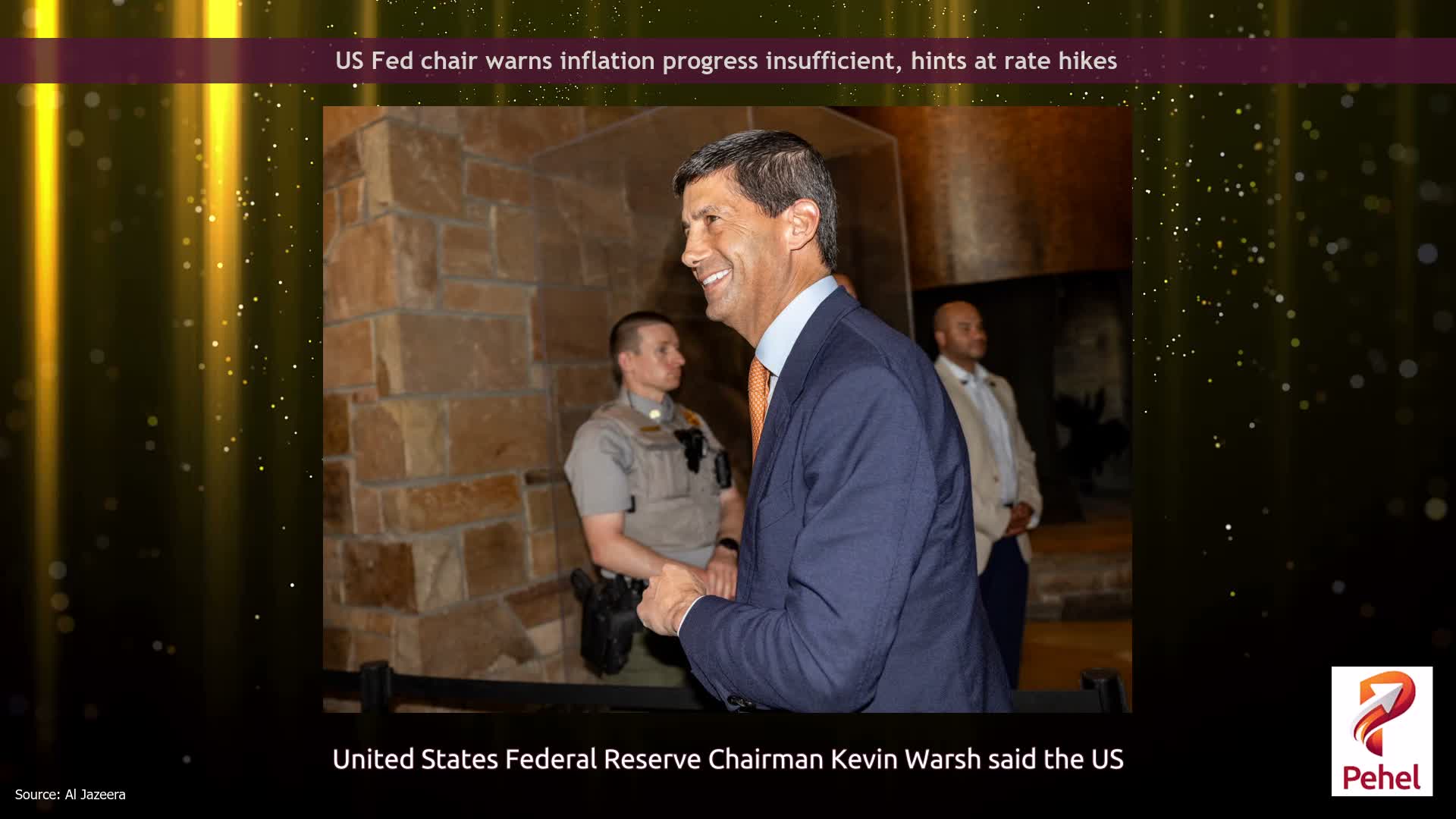
The central bank announced the decision, which was unanimous, on Wednesday following its first two-day policy meeting under the leadership of Kevin Warsh, who took over the job of governor from Jerome Powell last month.
“Economic activity is expanding at a solid pace despite elevated uncertainty that owes, in part, to the conflict in the Middle East,” the Fed said in a news release.
“Inflation remains elevated relative to the Committee’s 2 percent goal, in part reflecting supply shocks that have driven price increases in certain sectors, including energy,” it added.
The decision was in line with expectations. CME FedWatch, which tracks the likelihood of monetary policy decisions, said there was a 99 percent chance that rates would remain unchanged.
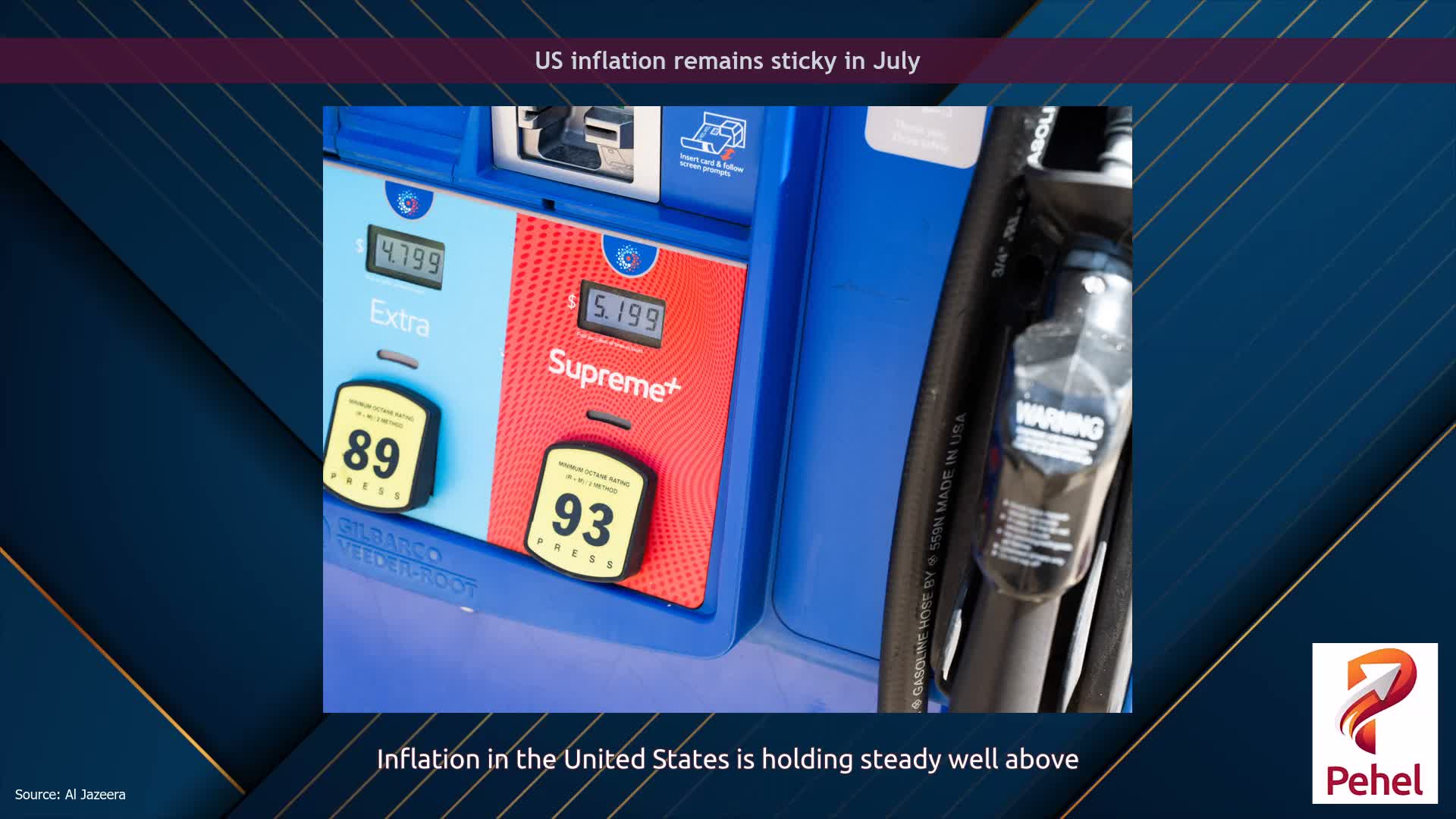
Inflation hit 4.2 percent last week, marking a three-year high, data from the consumer price index report from the US Labor Department — a key gauge the central bank uses to track inflation – showed.
That was driven primarily by heightened energy prices, which jumped 23.5 percent in May. However, news of a looming peace deal that could end the war between the US and Iran and reopen the Strait of Hormuz has driven down oil prices in recent days, with prices falling to a three-month low earlier this week.
However, even if the Strait opens soon, supply chain bottlenecks, energy production halts, and depleted fuel stockpiles mean it could be months before energy prices for consumers return to pre-war levels.
“Persistently high prices are a burden for the American people. But the recent past need not be prologue. I am pleased to report that members of the FOMC [ Federal Open Market Committee] are unambiguous and unanimous. This committee will deliver price stability,” Warsh said in a press conference.
In early December, US President Donald Trump claimed that he would only appoint someone to lead the central bank if they agreed with him on interest rate cuts, but rising inflation due to heightened energy costs amid tensions between the US and Iran has changed the equation.
Trump has shifted his focus to opposing any rate increases.
On NBC’s Sunday political programme Meet The Press, Trump praised Warsh, but stressed that “there’s no reason to raise rates.”
“Even if Warsh feels beholden to the Trump administration, an overtly dovish tone would re-ignite concerns about Fed independence and risk pushing up long-end bond yields [which could raise borrowing costs]. Accordingly, a Trump-friendly Warsh would probably still try to toe the line between sounding neutral and acknowledging that hikes are a possibility,” Stephen Brown, Capital Economics chief economist for North America, said in a note.
While rates were maintained for this policy meeting, CME FedWatch forecasts that this will change in the months to come. By September, the tracker forecasts a roughly 30 percent probability of rate hikes; by December, there is a more than 50 percent probability if current conditions in the labour and financial markets stay in line with current forecasts.
Capital Economics forecasts a rate hike in December 2027 and another early in 2027. Goldman Sachs forecasts that the central bank will probably not cut rates until mid- to late 2027.
“Warsh’s choosing to ‘wait and see’ will have been almost inevitable – and will have little impact on doubts about his independence. Rate cuts would have been reckless given current economic conditions, but hikes were similarly unlikely, given the US’s resilient labour market and the very recent shift in geopolitics,” Yerbol Orynbayev, former Governor of the World Bank, said in remarks provided to Al Jazeera.
In his first meeting, Warsh announced the Fed will launch five new task forces within the central bank, including ones that look at productivity and jobs and another looking at inflation.
“Each task force will serve an objective shared by everyone around that table that I sat with over the last couple of days – a Federal Reserve that is clear-eyed about its mission, fit for purpose, and focused on the future,” Warsh said.
Warsh also announced that the central bank will drop forward guidance on monetary policy.
“I think financial markets perform best when they react to incoming data. I think the financial markets work less efficiently when they ask a question, how will the Federal Reserve react to that incoming information,” Warsh said when pressed on why the central bank is dropping the practice.
“The more that markets are paying attention to what’s happening in the real economy, deciding what’s good data and what’s less good data, the more financial markets can price what they believe is the most likely and what are the tail risks.”
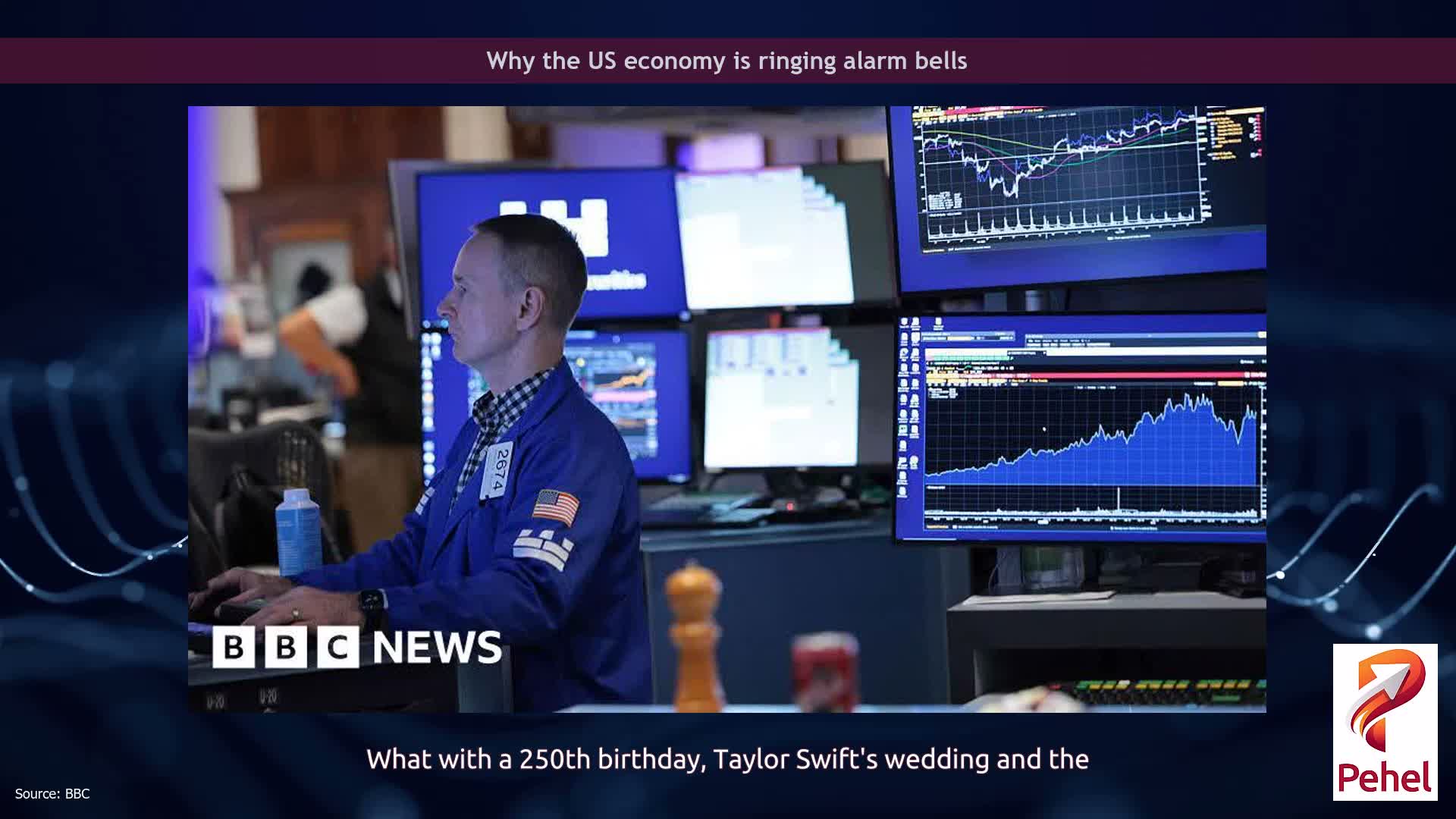
US markets remained flat on the rate decision. The Nasdaq is even with the market open. The Dow Jones Industrial Average is up 0.05 percent and The S&P 500 is down 0.1 percent in midday trading.