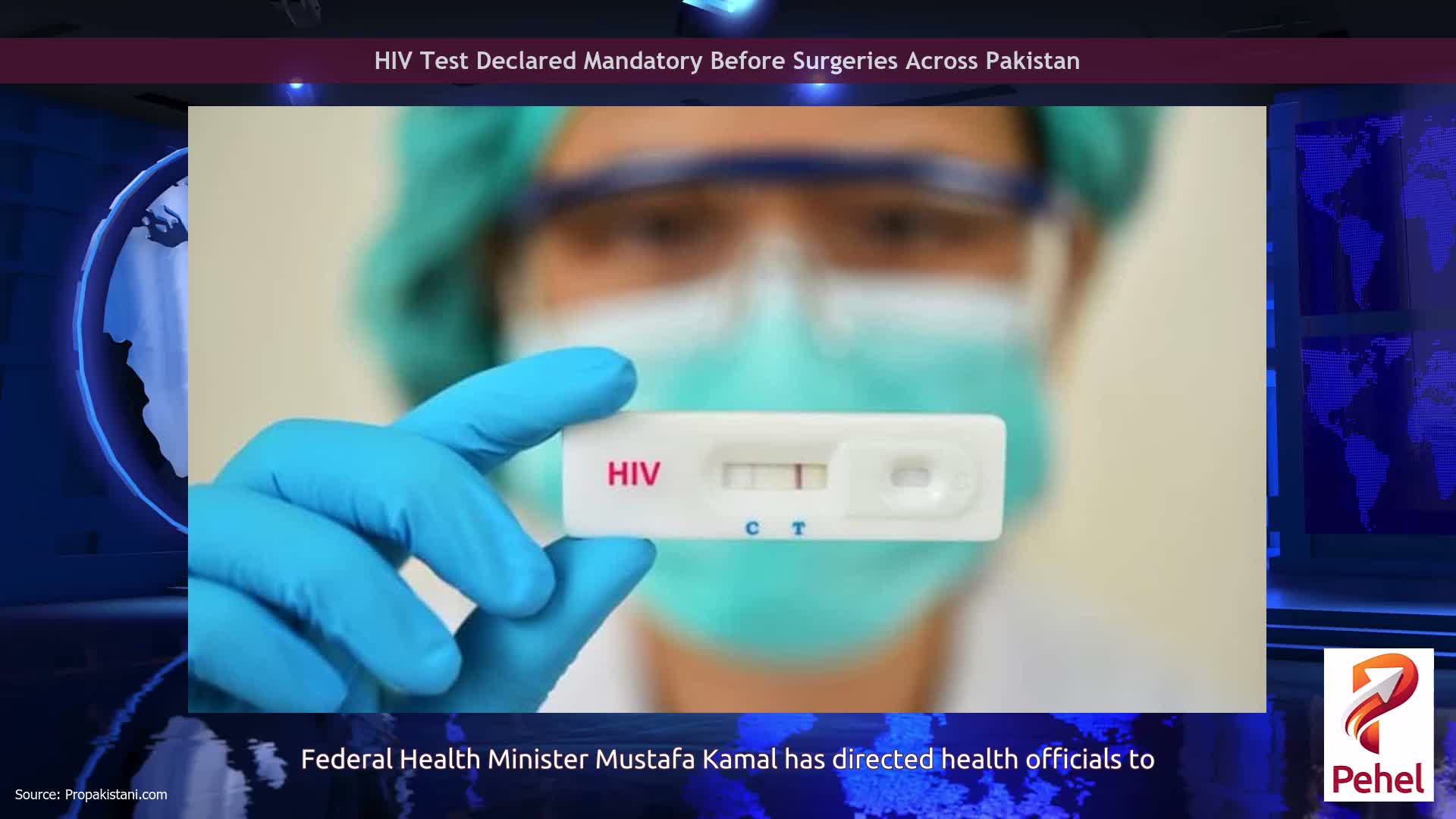
Sindh has witnessed four major HIV outbreaks over the past decade, raising fresh concerns over the province’s failure to implement lasting reforms in infection control, blood screening, syringe safety, and the regulation of private healthcare facilities.
Despite repeated incidents, public health experts say unsafe medical practices continue to fuel the spread of HIV, with systemic weaknesses remaining largely unaddressed.
The first major outbreak occurred in 2016, when several dialysis patients in Larkana contracted HIV. The incident triggered scrutiny of the Sindh Blood Transfusion Authority and blood banks, but experts say permanent reforms were never fully implemented.
In 2019, Ratodero witnessed one of Pakistan’s worst HIV outbreaks, with more than 1,000 people infected, over 80 percent of them children. Investigations by local and international health agencies, including the World Health Organization (WHO), identified the reuse of contaminated syringes and unsafe injection practices as key causes.
More recently, in May 2026, over two dozen HIV-positive children were brought to the Gambat Institute of Medical Sciences in Khairpur, once again highlighting concerns over the spread of the virus among children in Sindh.
Meanwhile, pediatric HIV cases have continued to emerge at Karachi’s Kulsum Bai Valika Hospital since November 2025. Authorities acknowledged negligence in the matter and initiated action against those responsible, but health experts argue that isolated disciplinary measures cannot replace comprehensive healthcare reforms.
According to infectious disease specialists, the common factors behind all four outbreaks include the reuse of syringes, poor infection control practices, weak oversight of healthcare providers, and inadequate monitoring systems. They say many of these outbreaks could have been prevented had effective reforms been implemented after earlier incidents.
Experts warn that repeated HIV outbreaks demonstrate that temporary responses have failed to address the underlying problems.
Earlier this year, the Medical Microbiology and Infectious Diseases Society of Pakistan (MMIDSP) also warned of the country’s worsening HIV situation. In a white paper released in April, the society reported that the number of people living with HIV in Pakistan has increased 4.3 times since 2010, while annual AIDS-related deaths have also risen significantly.
The report further noted that only 21 percent of people living with HIV in Pakistan have been diagnosed, while just 16 percent are currently receiving treatment.
Get the latest news and stories wherever you prefer.
Add ProPakistani to Preferred Sources and see more of our stories in Google Search and Top Stories.
Shares