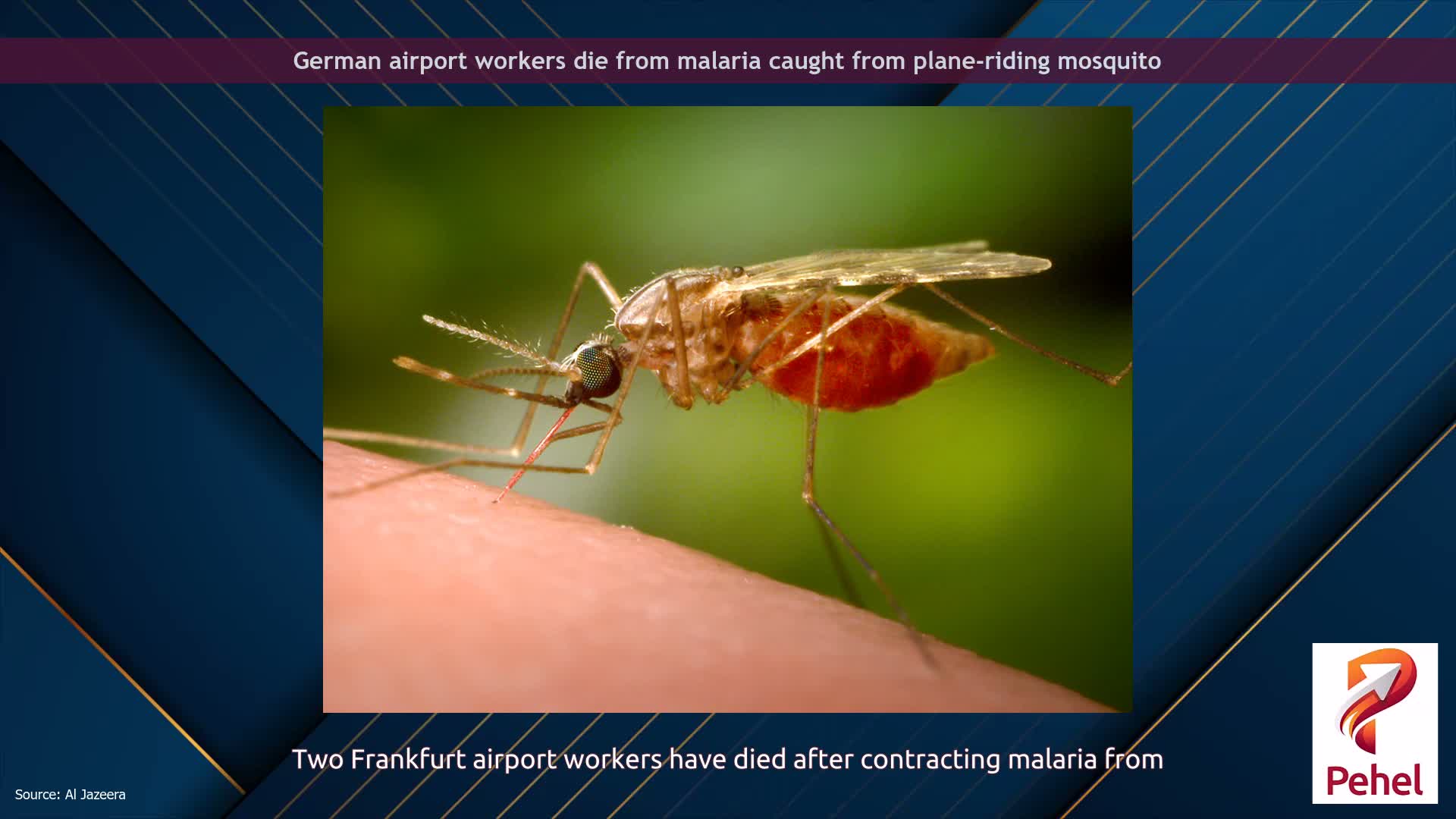
Malaria cases are rising gradually across Sindh, with the province recording more than 900 confirmed infections in a single day, official data showed on Monday.
According to the health department, 10,033 suspected patients were screened across the province on August 24, and 916 tested positive for malaria.
Hyderabad division reported the highest number of cases at 410, followed by Larkana with 208, Mirpurkhas with 174, Benazirabad with 87, Sukkur with 77 and Karachi with 10.
However, doctors in Karachi said the number of malaria patients in the city is much higher than the official Karachi figure suggests.
Medical practitioners said malaria cases have been increasing over the past three weeks, even though the disease is seen throughout the year.
Dr Imran Sarwar Shaikh, additional medical superintendent and head of the emergency department at Dr Ruth Pfau Civil Hospital Karachi, said patients were coming in daily, with some days seeing eight to 10 cases.
He said all the cases being reported at the hospital were vivax malaria.
Dr Shaikh said many patients stop treatment once their fever subsides, even though doctors prescribe a 14-day course to fully eliminate the infection.
He warned that vivax malaria can become severe and even fatal if the full treatment is not completed, as the parasite can remain dormant in the liver and reactivate later.
Senior general practitioner Dr Altaf Hussain Khatri also confirmed a gradual rise in malaria cases over the past three weeks.
He said around 20 to 25 cases were being reported weekly, while dengue cases were also present but in smaller numbers.
He linked the spread of disease to weather conditions and the city’s damaged sewerage system.
Health experts called for fumigation drives and improvements to the sewerage network to control the mosquito population in the city.
Sindh has also seen a heavy burden of mosquito-borne diseases in recent years. Data from Karachi and Hyderabad hospitals showed significant numbers of dengue and malaria cases in 2025, with multiple deaths reported.
A recent Karachi University study also suggested integrating meteorological data into healthcare surveillance systems to better predict infectious diseases such as malaria.
The study found that disease incidence rises with higher temperature, humidity and rainfall, and noted that malaria cases often peak several weeks after monsoon rains.
Get the latest news and stories wherever you prefer.
Add ProPakistani to Preferred Sources and see more of our stories in Google Search and Top Stories.
Shares