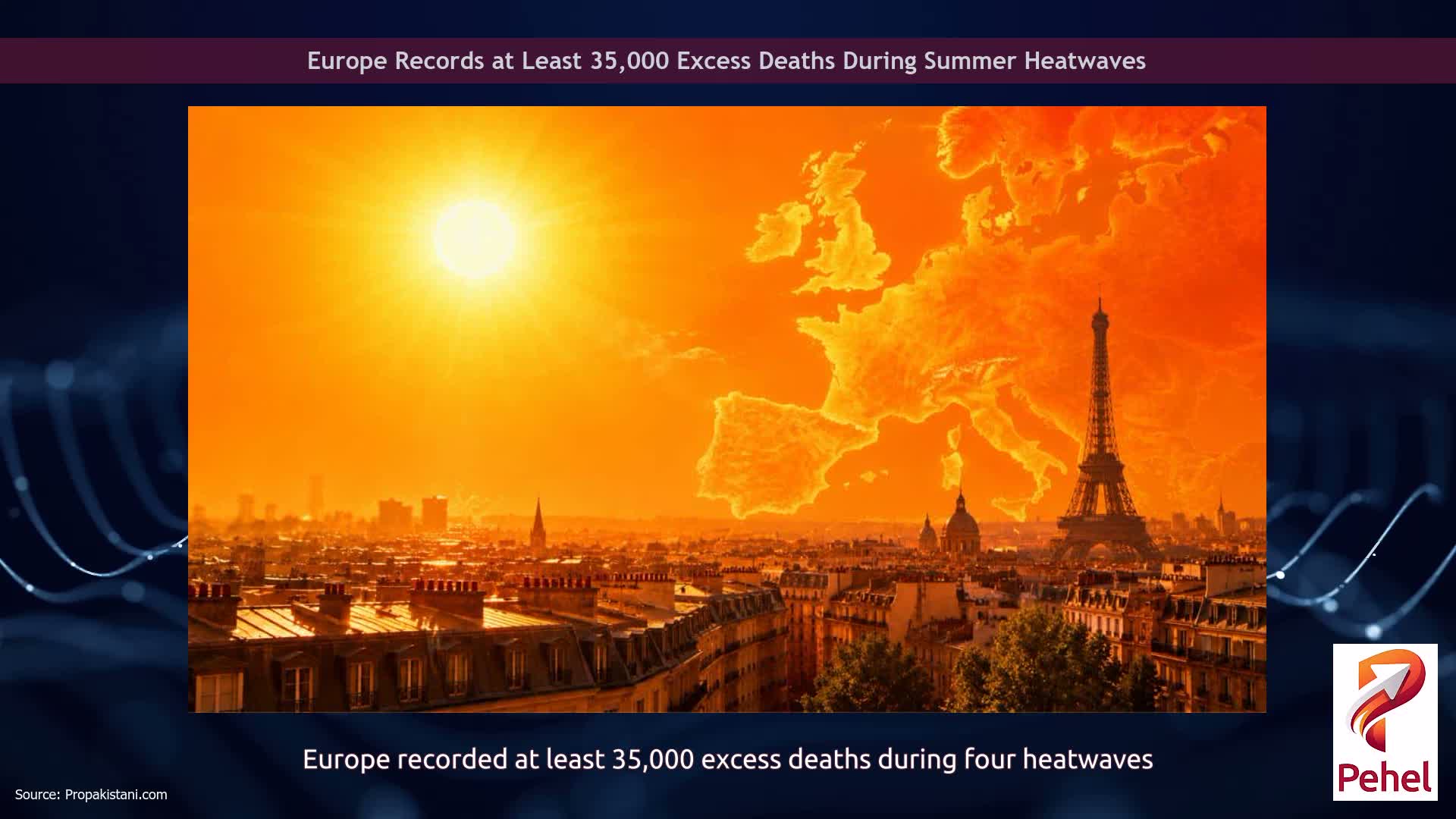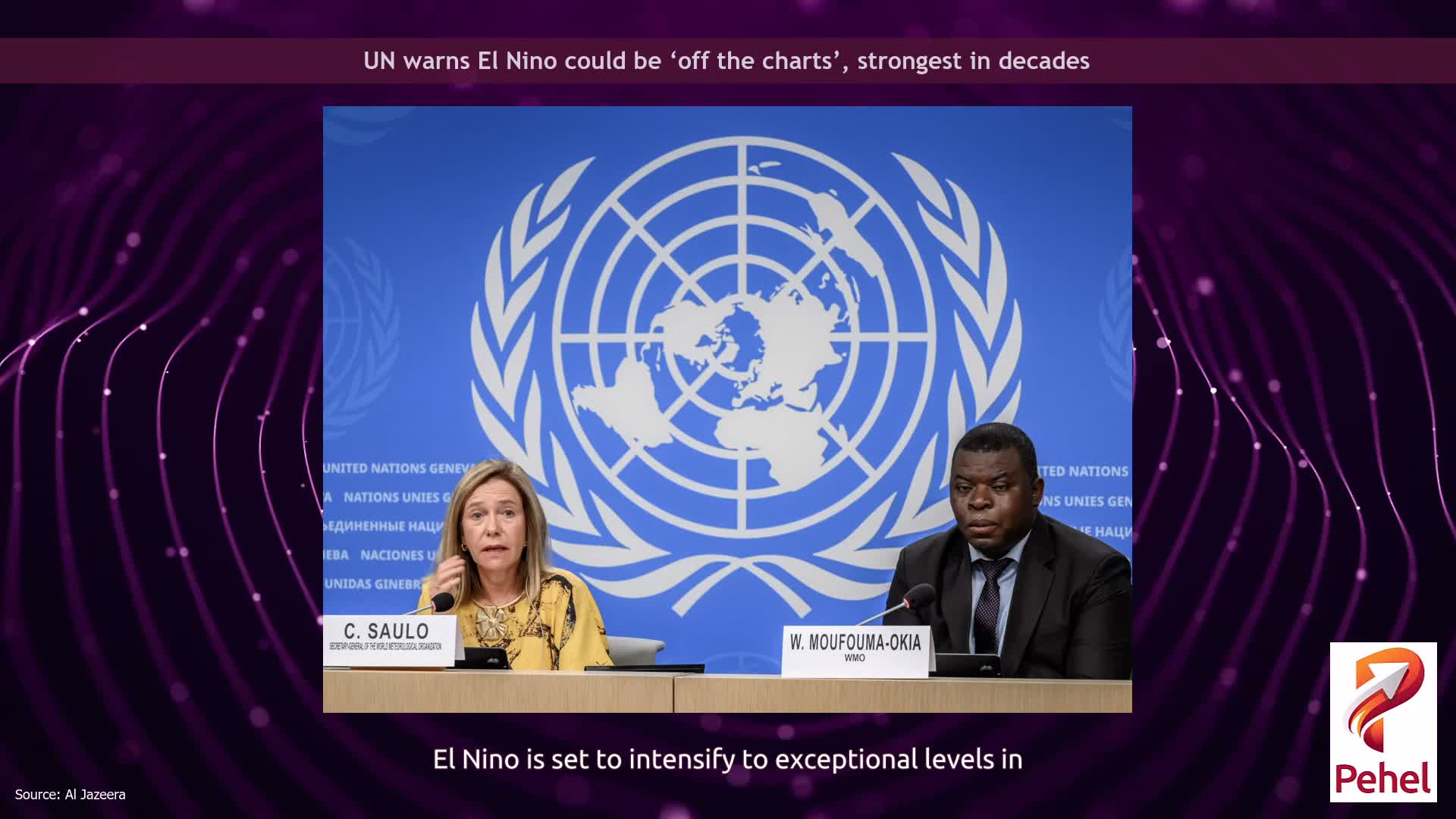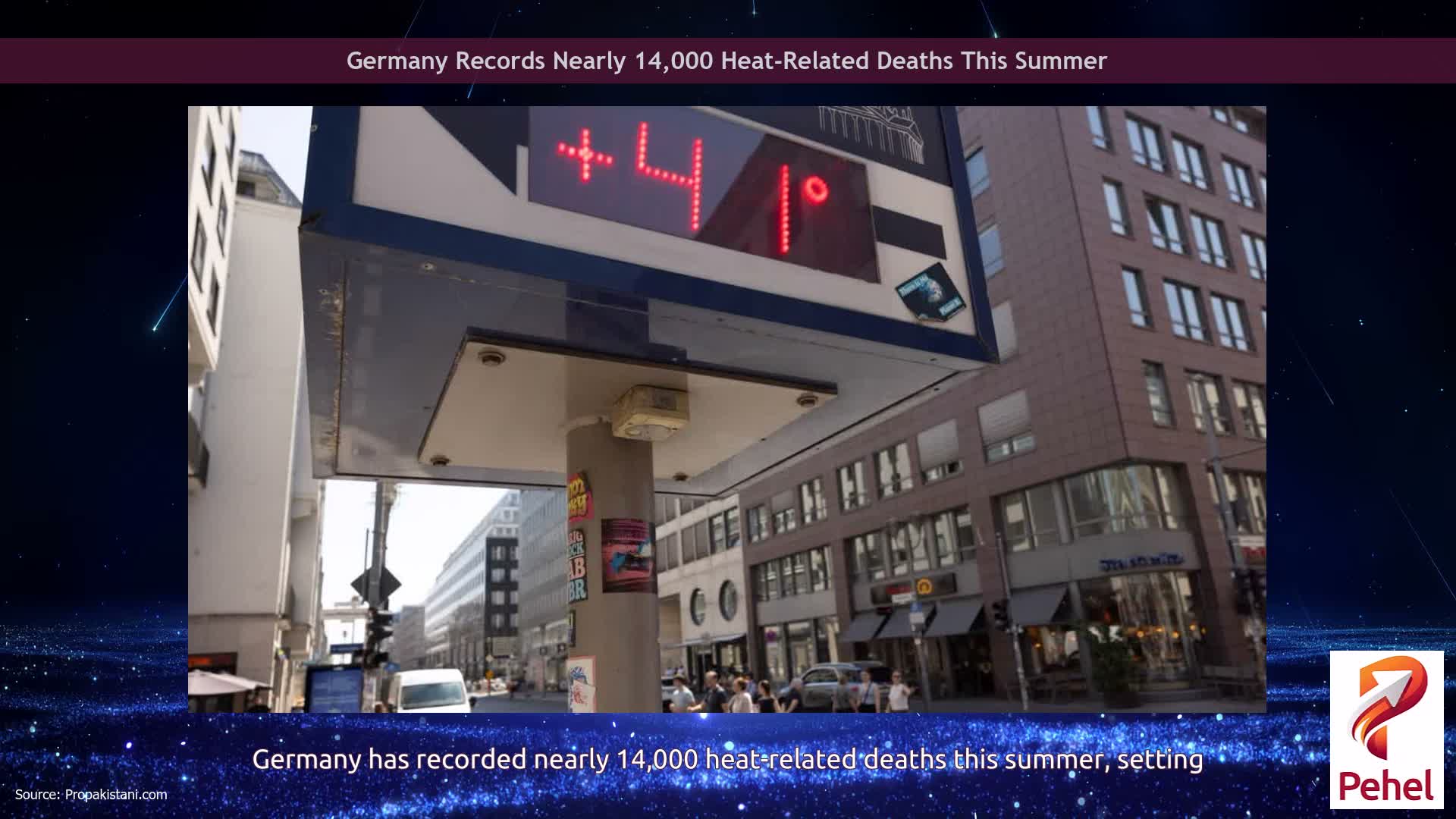
A severe heatwave is gripping Europe as temperatures push towards record June highs.
Authorities have issued heat alerts across much of the region, warning of risks to health, transport networks and public services as the mercury climbs.
Europe is the world’s fastest-warming continent with temperatures rising at about twice the global average rate. Much of its infrastructure, housing and transport networks were designed for a cooler climate, making prolonged periods of extreme heat particularly disruptive.
The latest heatwave is the second major episode of extreme heat to hit Europe in just two months, raising new concerns about the impact of the climate crisis.
“People should be very concerned,” Laurie Parsons, reader in Human Geography at Royal Holloway, University of London, told Al Jazeera. “Heat stress is currently the world’s most lethal environmental hazard with almost half a million people dying each year from heat-related illnesses, according to the World Health Organization.”
What are the consequences so far? What’s driving the current heatwave? And why do scientists expect extreme weather like this more frequently in the years ahead? Here’s what you should know:
France has emerged as an epicentre, recording its hottest day on record, according to provisional figures from the weather agency Meteo-France. The nationally averaged temperature reached 29.8 degrees Celsius (85.6 degrees Fahrenheit), surpassing a record set in 2019, while one town exceeded 44C (111F).
The heat has turned deadly. Forty people have drowned since Thursday, and French Prime Minister Sebastien Lecornu has linked the deaths to soaring temperatures as people seek relief from the heat.
Three elderly people have also died from heat-related causes near Bordeaux while two children, aged two and four, were found dead in a hot car in southern France.
In Spain, a 90-year-old woman reportedly died near Bilbao after suffering a heatstroke in her nursing home, and a 68-year-old man in Almeria is also said to have died from heatstroke.
Across Europe, many more people have been hospitalised.
Authorities are worried about the strain on infrastructure and public services. In the United Kingdom, temperatures are forecast to exceed 38C (100F), prompting the Met Office to issue a rare red warning for extreme heat.
Hundreds of schools have either closed or moved to shortened schedules while people have been advised to avoid unnecessary rail travel amid concerns over transport disruptions and pressure on energy and water supplies.
Spain has experienced exceptional temperatures with the weather service AEMET reporting highs above 45C (113F) in the south of the country. Nearly the entire country has come under some form of heat alert.
Heat warnings were in place across European countries with the UK, Germany, France, Spain, Switzerland and Luxembourg all facing the highest-level red alerts.
Scientists warned that Europe is particularly vulnerable because much of its housing and infrastructure was not designed for prolonged periods of extreme heat. Only about 20 percent of European homes have air conditioning. In many northern countries, buildings were historically designed to retain heat rather than dissipate it.
Meteorologists said the extreme temperatures are driven by a heat dome, a vast area of high pressure that has become parked over Western Europe.
The phenomenon is being sustained by what is known as an omega block, a weather pattern named for the Greek letter because of the similar shape it creates in the atmosphere.
Under normal conditions, the jet stream carries weather systems from west to east. During an omega block, however, that flow becomes distorted, trapping a ridge of high pressure between two low-pressure systems.
The result is that hot, stagnant air remains locked over the same region for days or even weeks. The UK Met Office said Britain currently lies on the boundary between the high-pressure system and cooler air to the northwest, which is creating sharp contrasts between hotter conditions in the south and east and cooler, wetter weather farther north.
Researchers said extreme heat is already one of the deadliest environmental hazards globally.
Parsons at Royal Holloway said the impacts are not felt equally.
“People over the age of 65 account for around 90 percent of mortality from heat stress whilst exposure to heat more generally is tightly structured by socioeconomic inequalities.
“Lower-income communities are much more exposed to heat stress due to a combination of more poorly insulated housing and more physical outdoor occupations. Heat stress is thus a prime example of climate precarity in a globalised, environmentally vulnerable world.”
Scientists said climate change is making heatwaves substantially more likely and more severe.
Global average temperatures are now about 1.25C (2.25F) above pre-industrial levels while 2024 reached 1.55C (2.79F) above those levels, according to Parsons.
This has dramatically altered the likelihood of extreme heat events.
“Heatwaves like we are seeing now are about 30 times more likely to happen than in the pre-climate change era,” he said. “Exceptional heatwaves like the current one would previously have been a once-in-300-year event but now occur more often than once a decade.”
The World Health Organization (WHO) has warned about the growing health risks posed by rising temperatures. WHO Director-General Tedros Adhanom Ghebreyesus said Europe’s heatwave was “putting people’s health at risk”.
“The data are clear: Temperatures across Europe are rising at roughly twice the global average rate, increasing the likelihood and severity of extreme heat in the future,” he said. “We cannot afford further delay. Leaders must prioritise investment in climate-resilient health systems while also accelerating climate action and mitigating the drivers of the climate crisis.”
The heatwave coincides with London Climate Action Week, one of the largest annual climate gatherings in the world, attended by tens of thousands of delegates, including heads of state and United Nations Secretary-General Antonio Guterres.
Guterres used the occasion to renew calls for faster action to reduce fossil fuel use.
“The climate crisis and the energy crisis may seem separate, but they share the same destructive origin: fossil fuels,” he said. “They demand the same answer: a fast, fair transition to clean energy and a surge in adaptation, resilience and climate justice for those already facing climate harm.”
While concerns about climate change often rise during extreme weather, experts said public attention is polarised.
“Climate change at present has become a highly political issue with a concerted media pushback against climate policy targets like net zero,” Parsons said. “This is no accident or a case of natural attentional attrition but has been led by media groups, such as News Corp and GB News amongst others, which have consistently pushed anti-net-zero editorial lines over the last five years.”
He said the issue has become tied to political identity in several countries, particularly the United States. Despite this, major weather events reignite public concern.
“There is a longstanding and consistent trend of extreme weather events prompting additional public concern around the climate,” he said. “These heatwaves fall very much into this category. With this in mind, now is a good time to push for stronger climate policy.”