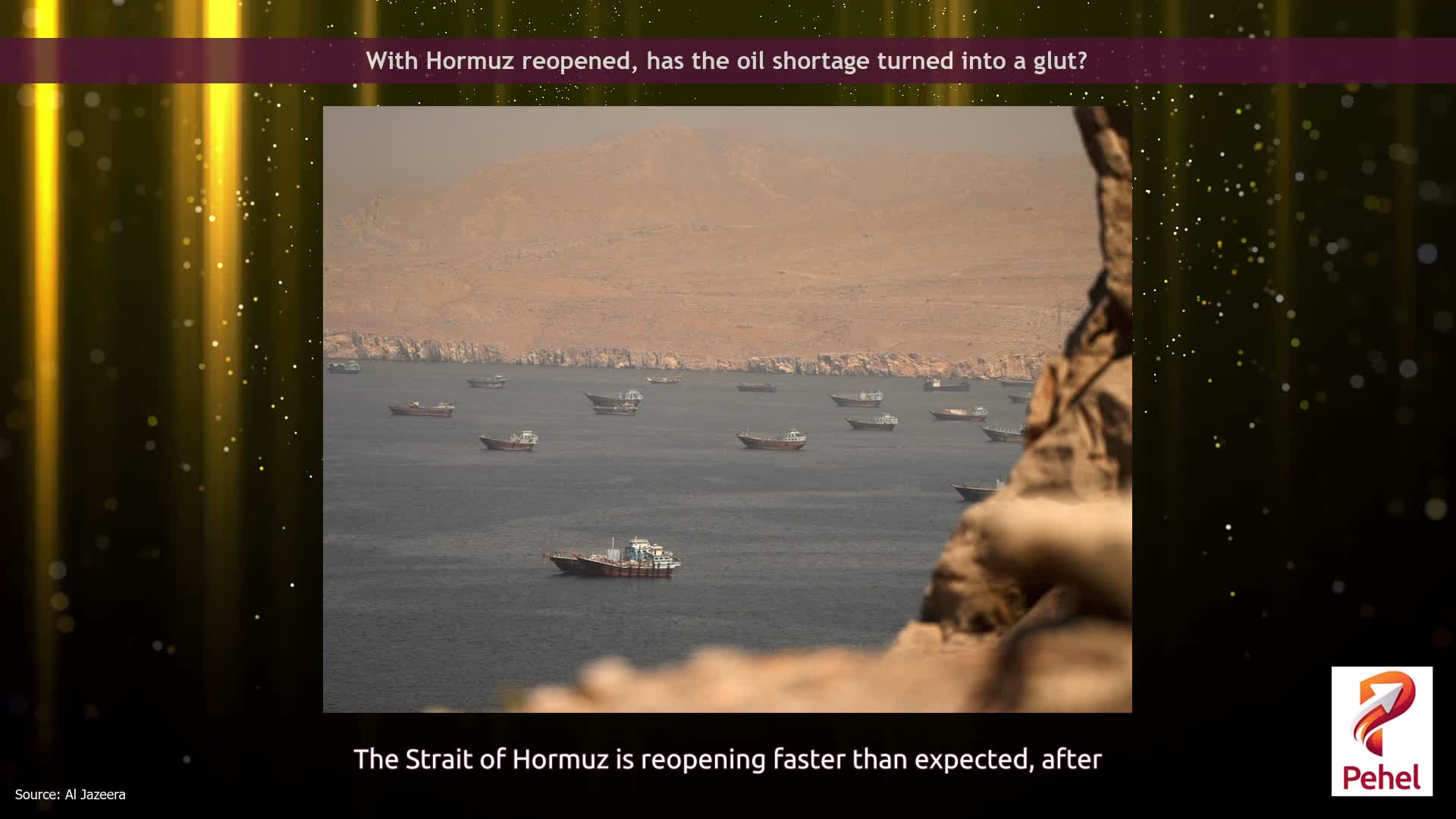
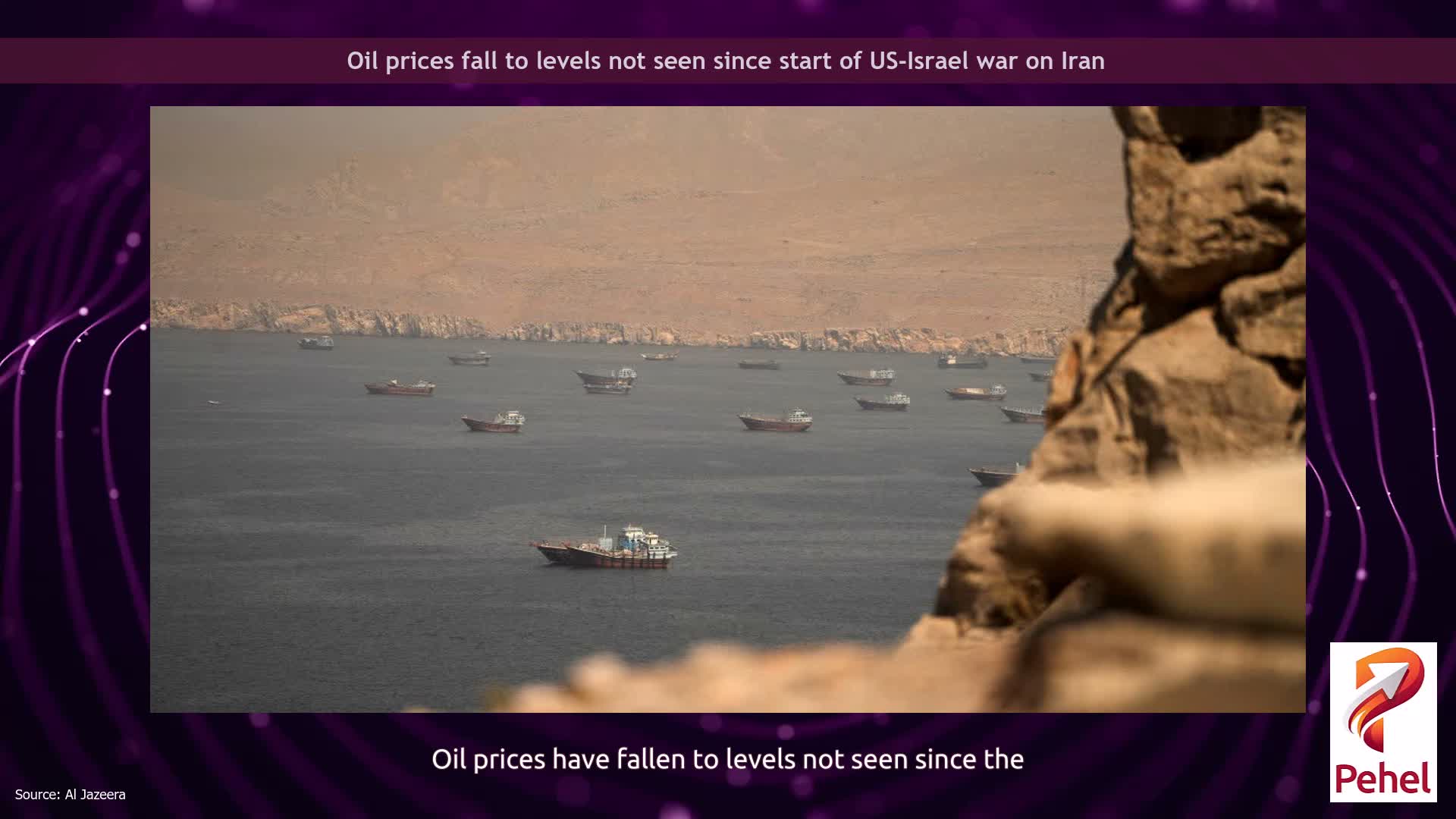
Oil prices are largely unmoved following United States President Donald Trump’s announcement that the US will guide stranded vessels out of the Strait of Hormuz.
Brent crude, the international benchmark, was essentially flat on Monday morning, as traders saw little hope of Trump’s plans resolving the biggest energy disruption in history.
Brent futures for July stood at $108.25 as of 02:30 GMT, up by 0.08 percent.
Trump said on Sunday that the US would “help free up” vessels stranded in the Gulf from Monday, but offered few details on how the operation, dubbed “Project Freedom”, would work.
Trump did not specify whether the plan would involve escorts by the US Navy, a proposal previously shot down by administration officials, citing a lack of adequate preparations.
Senior Iranian officials have signalled that Tehran will not cooperate with Trump’s plan, casting further uncertainty over the fragile ceasefire in place between the sides since April 7.
Ebrahim Azizi, the head of the Iranian parliament’s National Security Commission, on Sunday warned that any “American interference” in the strait would be considered a breach of their truce.
On Monday, the United Kingdom’s military said it had received reports of a tanker being struck by “unknown projectiles” off the coast of the United Arab Emirates, hours after a bulk carrier reported being attacked by multiple small craft off Iran.
Neither of the crews involved in the incidents was harmed, according to UK Maritime Trade Operations (UKMTO).
June Goh, a senior oil market analyst at Sparta in Singapore, said Trump’s plans appeared to be geared more towards rescuing stranded seafarers than restoring maritime traffic in the strait.
“Global observable oil inventories are starting to fall sharply, which should weigh on market sentiment more than political statements for a reopening of the strait,” Goh told Al Jazeera.
“Normalising the flow through the Strait of Hormuz will take more than what Project Freedom is offering, whilst the yawning gap in oil supply will take months to resolve.”
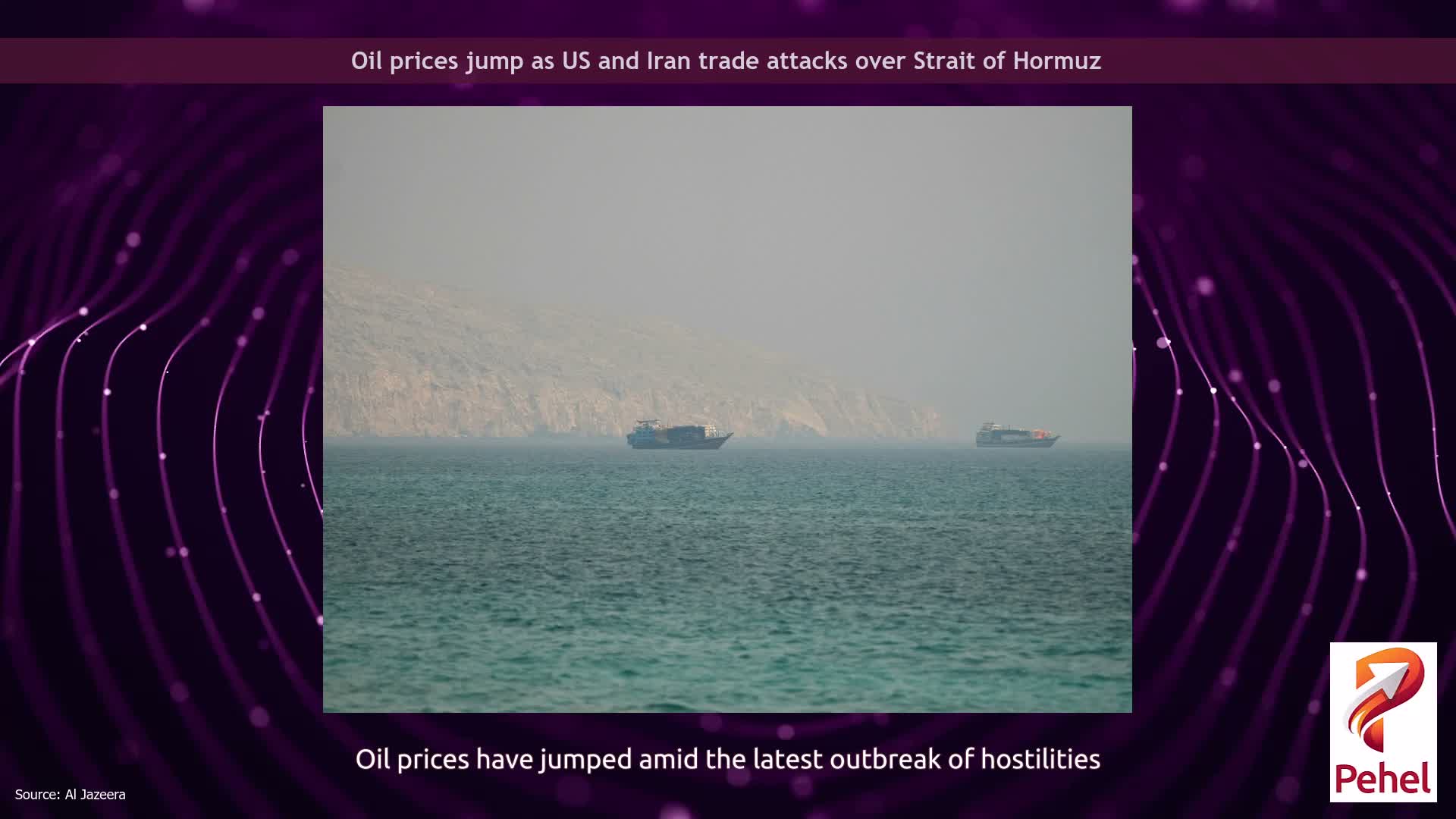
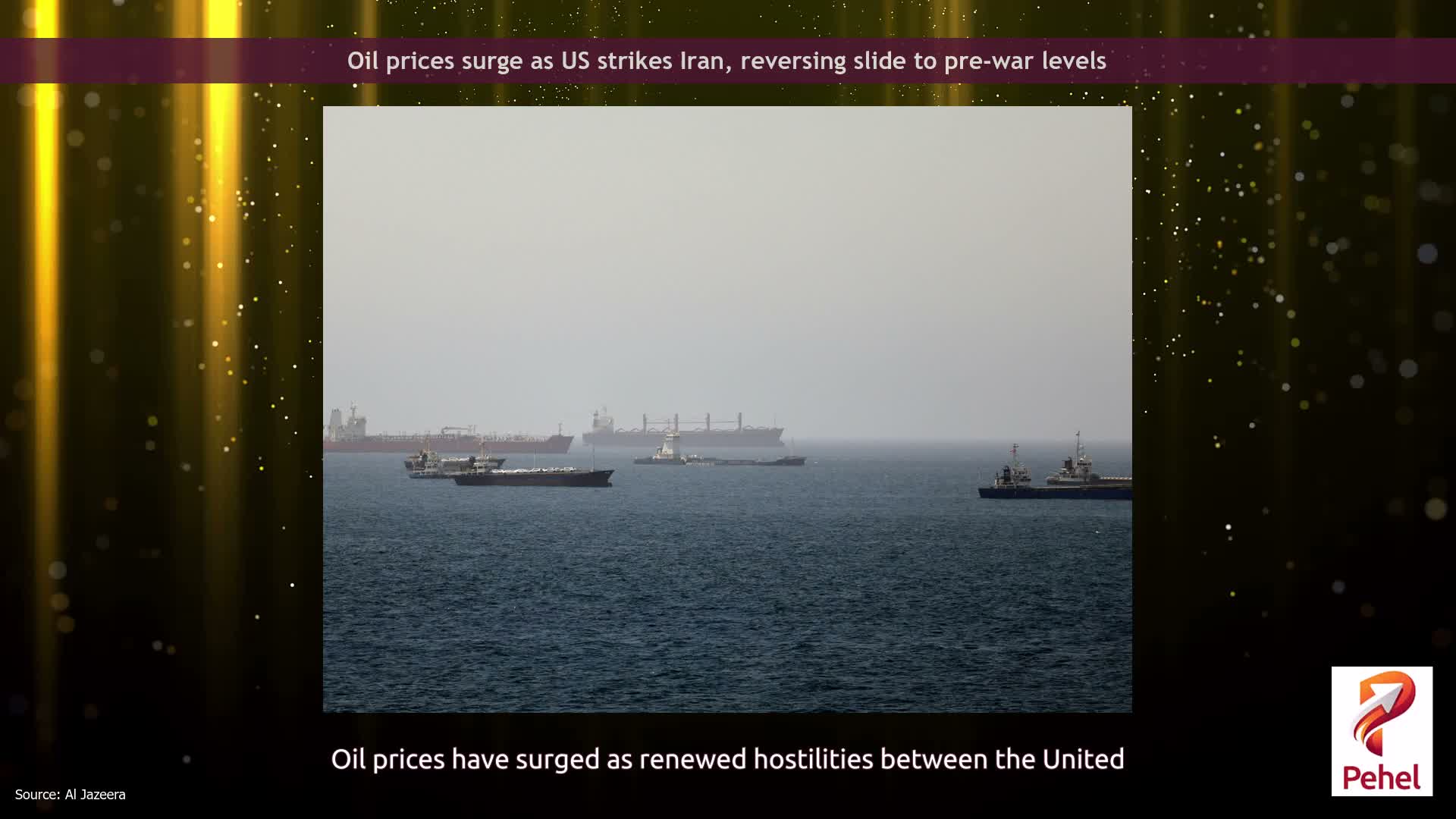
Iran’s threats against shipping in the Gulf have reduced maritime traffic in the strait to a fraction of peacetime levels, crippling a sizeable portion of the world’s oil and natural gas supplies.
Goldman Sachs estimates that the effective closure of the waterway, which normally carries one-fifth of the world’s oil supplies, and attacks on energy infrastructure have reduced global daily production by 14.5 million barrels.
Brent is up nearly 50 percent since the start of the war, with analysts warning that prices are likely to stay elevated long after any peace deal is reached between Washington and Tehran due to the backlog of unloaded energy supplies and the need to clear the waterway of Iranian mines.
Only 20 vessels crossed the strait on Wednesday, the most recent day for which figures were available, according to ship tracking data monitored by maritime intelligence platform Windward.
Before the US and Israel launched their war on Iran in late February, the strait saw an average of 129 transits each day, according to the United Nations Trade and Development (UNCTAD) agency.