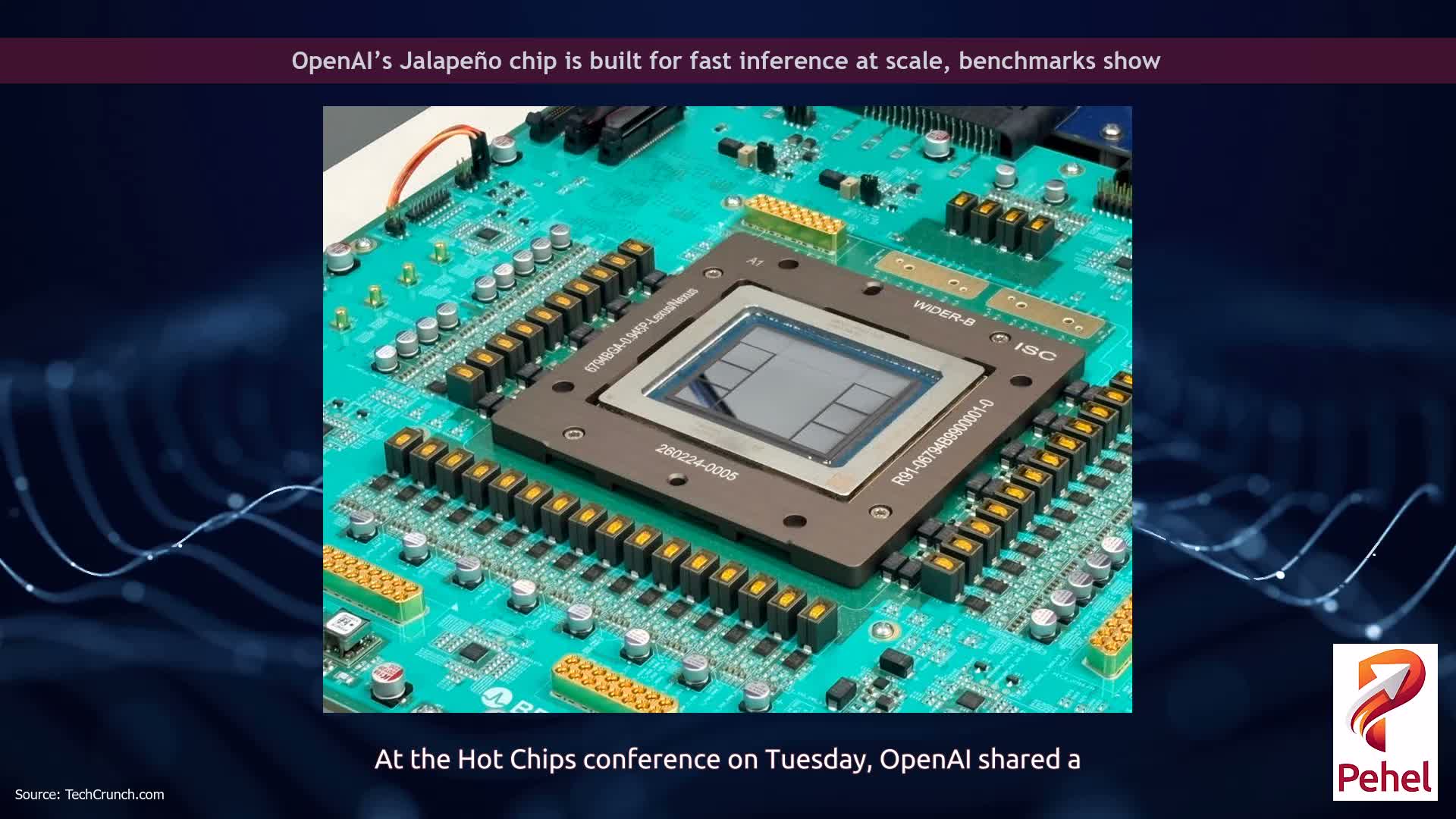
Bolt Graphics has announced the completed tape-out of a test chip for its Zeus GPU, marking the company’s first move from FPGA emulation to manufactured silicon.
The California-based startup said the architecture could deliver 17 times lower compute cost.
The test chip was designed using TSMC’s 12nm FFC process. Bolt said the chip will be used for customer benchmarking ahead of planned production in the fourth quarter of 2027.
The company is targeting customers in high-performance computing, electromagnetic simulation, and graphics rendering. Bolt values those combined markets at more than $55 billion.
Until now, Bolt’s performance claims had been based on internal simulations and FPGA testing.
When the company introduced Zeus in early 2025, it said the GPU could deliver up to 10 times the path tracing throughput of Nvidia’s GeForce RTX 5090.
Those claims drew attention and skepticism because no working silicon had been shown at the time.
In a new FAQ, Bolt said the Zeus architecture has been running on FPGA systems and under customer evaluation for four years.
TSMC’s 12nm FFC node belongs to the company’s mature 16nm and 12nm FinFET family. Bolt said Zeus is also designed for more advanced manufacturing nodes, including 5nm. That suggests the 12nm chip is mainly being used as a validation step before final production.
Bolt said Zeus will be available in PCIe card and 2U server formats. Its PCIe lineup starts with a single-slot 120W model rated for 5 TFLOPS FP64, 10 TFLOPS FP32, and 20 TFLOPS FP16 performance.
Higher models include dual-slot 250W cards offering double those figures.
All cards are listed with 128MB to 256MB of on-chip cache. Memory capacity ranges up to 384GB using a mix of soldered LPDDR5X and DDR5 SO-DIMMs. Integrated 400GbE networking is also included.
Bolt said its stated product pipeline now exceeds $500 million.
The company also said more than 14,000 enterprises, developers, and end users have joined its early access program.
It added that its Series A funding round was 50 percent oversubscribed, though no funding amount or lead investors were disclosed.
Bolt’s roadmap has shifted since its first public appearance. The company had originally targeted developer kits in late 2025 and production in late 2026.
At CES in January, Bolt showed a prototype card but still had no functional silicon. The latest update now places production in Q4 2027. No revised launch date for developer hardware was announced.
? For the latest Tech & Telecom news, videos and analysis join ProPakistani's WhatsApp Group now!
Follow ProPakistani on Google News & scroll through your favourite content faster!
Shares