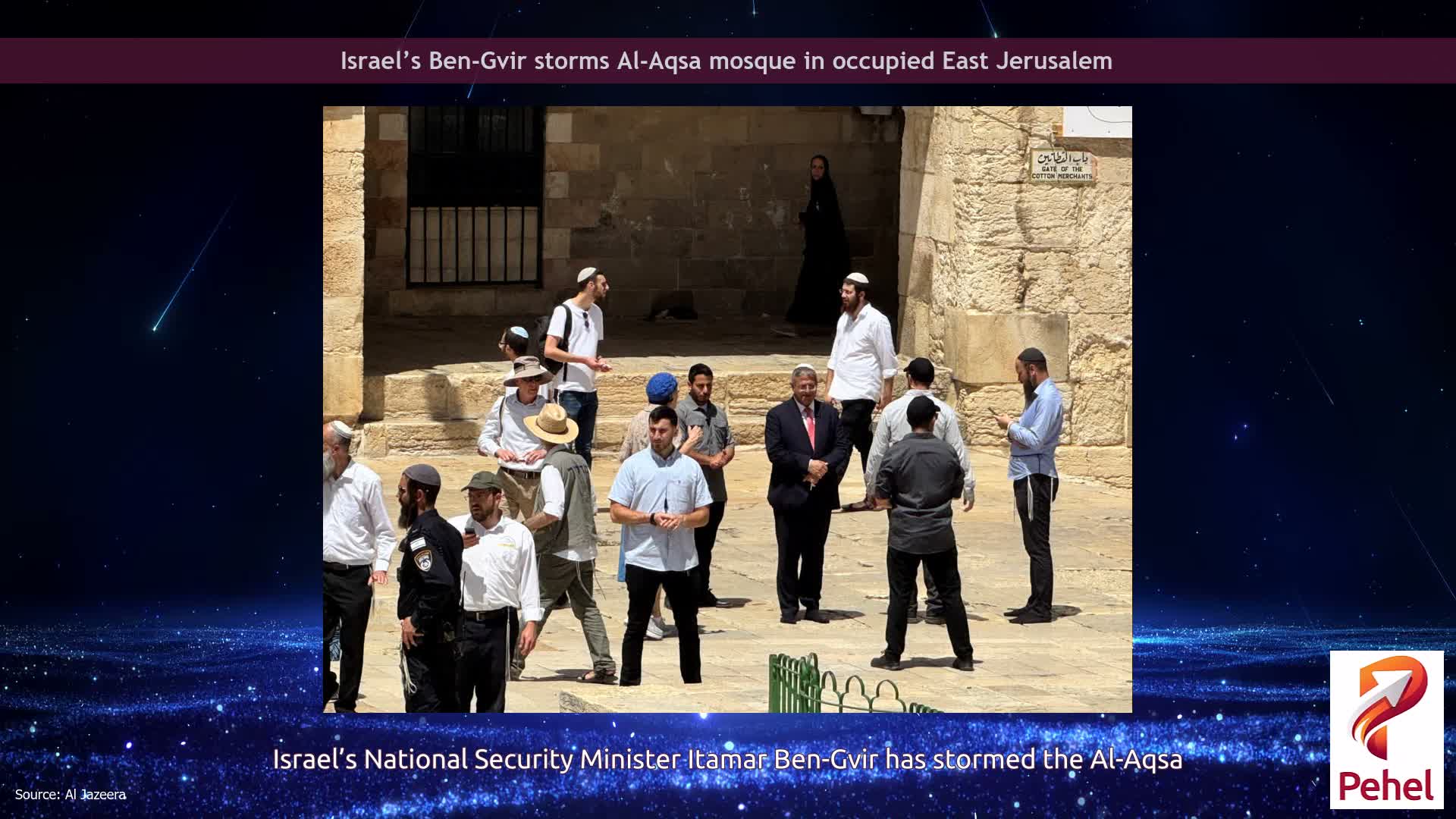
More than 2,300 Israeli settlers and members of far-right groups have stormed the Al-Aqsa Mosque compound in occupied East Jerusalem in one of the largest incursions this year as they mark a Jewish holiday, Palestinian officials say.
Far-right Israeli National Security Minister Itamar Ben-Gvir also entered the site under heavy police protection on Thursday for Tisha B’Av, a Jewish day of mourning that marks the destruction twice of an ancient Jewish temple believed to have stood at the site known to Muslims as Al-Aqsa and to Jews as the Temple Mount.
The Palestinian administration of the Jerusalem governorate said the number of Israelis entering the site was expected to keep rising until sundown, perhaps reaching 5,000, which would exceed the numbers recorded in previous years during the same Jewish holiday.
The initial figure the governorate gave was for a three-hour period, it said.
Palestinian officials said Israeli forces imposed tight restrictions at the mosque’s gates, barred large numbers of Palestinian worshippers and students from entering, and assaulted several worshippers.
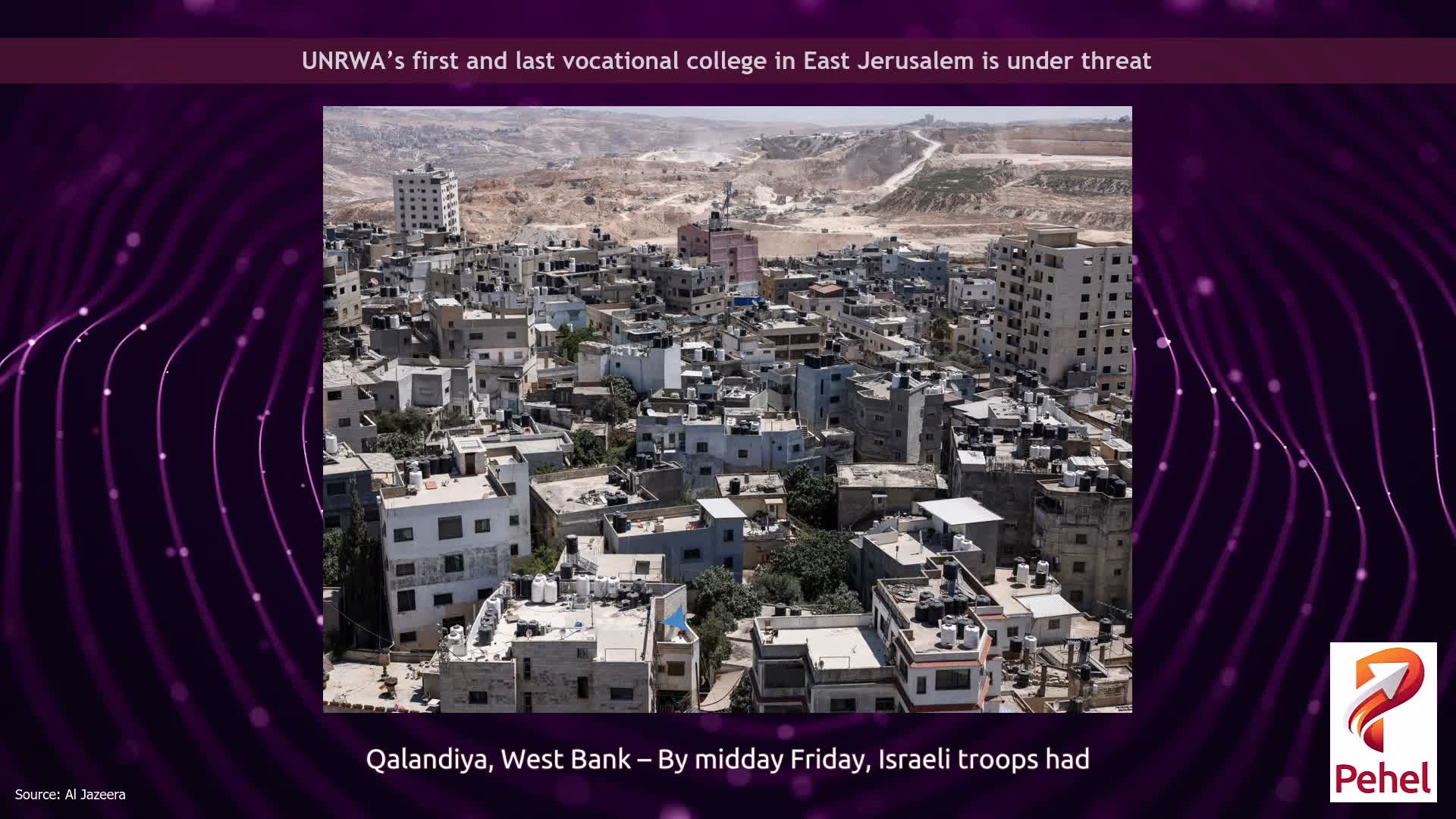
Nour Odeh, Al Jazeera’s correspondent in Ramallah in the occupied West Bank, said Israeli authorities had “taken extreme measures in the Old City” of Jerusalem, including barring entry to the Al-Aqsa compound for all but the elderly and tightening checkpoints such as those at Qalandiya and around East Jerusalem.
Israeli settlers performed Talmudic rituals inside the compound, including prostrating themselves, singing and praying, the Jerusalem governorate said.
Israeli media reported that police allowed more than 1,000 Israelis to pray at the site on Thursday. While non-Muslims are allowed to visit Islam’s third holiest site, they are forbidden from praying there as part of a 1967 agreement.
Ben-Gvir said Jews visiting the site on Tisha B’Av “feel like the owners”, praising what he called “tremendous progress” there, the Haaretz newspaper reported.
The Jerusalem governorate described Ben-Gvir’s entry as a dangerous escalation, saying it reflected official Israeli backing for actions previously associated with groups advocating for the reconstruction of a Jewish temple at the site.
Palestinian group Hamas warned that these “blatant acts of aggression will backfire on the occupation and its settlers”.
Meanwhile, Jordan’s foreign ministry condemned Ben-Gvir’s visit, saying it was “a desecration of the sanctity of the mosque, an escalation, a barbaric act, and unacceptable provocation.”
Foreign ministry spokesperson, Ambassador Fouad Majali, warned that such actions violate the site’s historical and legal status quo.
Amman urged the international community to pressure Israel to halt what it described as ongoing violations against Islamic and Christian holy sites in Jerusalem.
Al Jazeera’s Odeh said the participation of Israel’s ruling Likud party figures marked a “fundamental political shift” as Palestinian and Muslim officials argued that calls for rebuilding a temple at the site are now “endorsed by key figures in the Israeli government and the Israeli parliament”.
Odeh said the incursions were expected to continue into Friday and “could spark further confrontations”, noting that Friday prayers at the compound usually draw thousands of worshippers.
The Palestinian Ministry of Endowments and Religious Affairs earlier condemned calls for the incursions as a “dangerous escalation” aimed at altering the historical and legal status quo at the site and urged the international community to press Israel to halt them.
Israel occupied East Jerusalem in the 1967 Arab-Israeli war and annexed it in 1980, a move not recognised internationally.