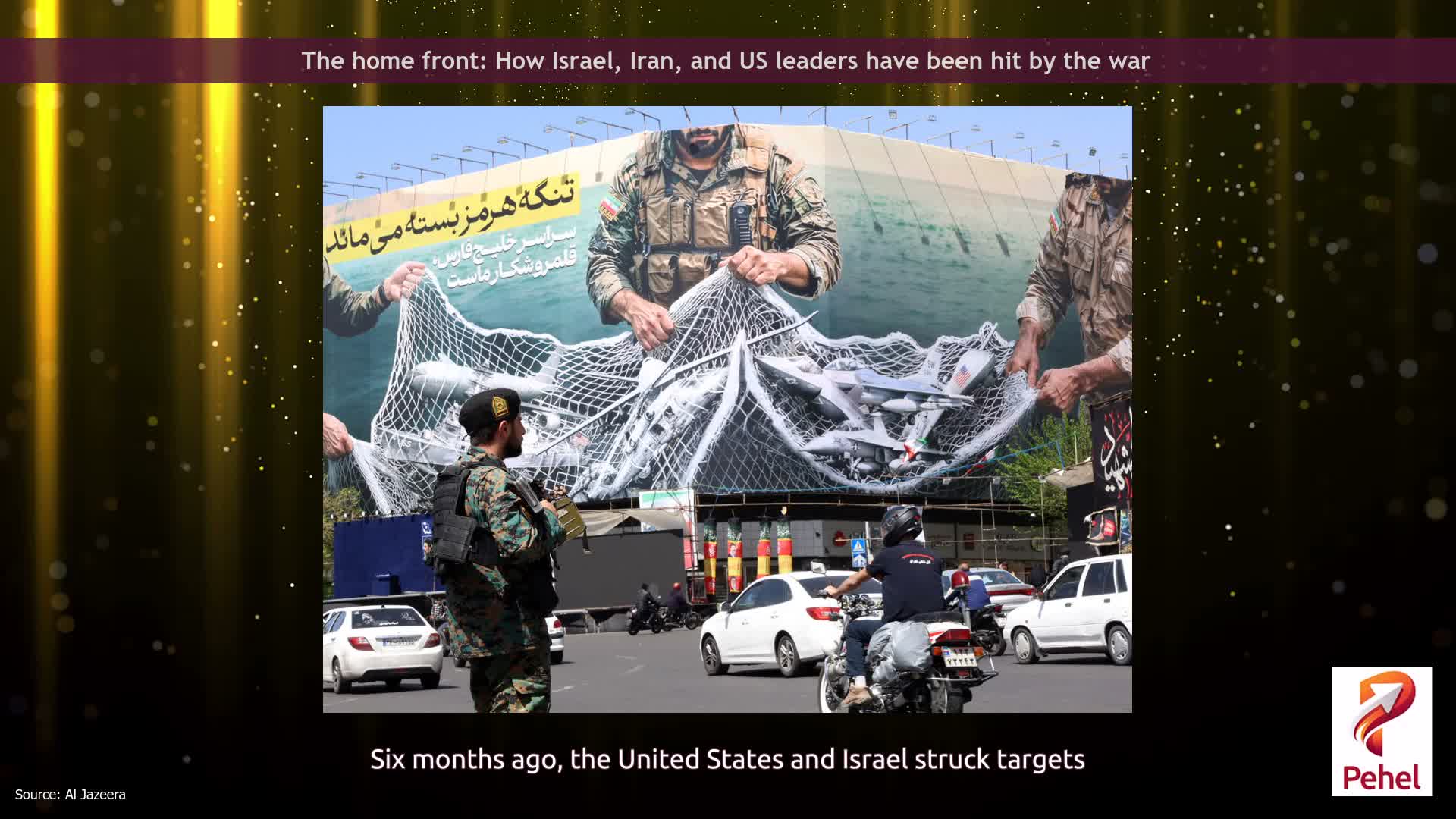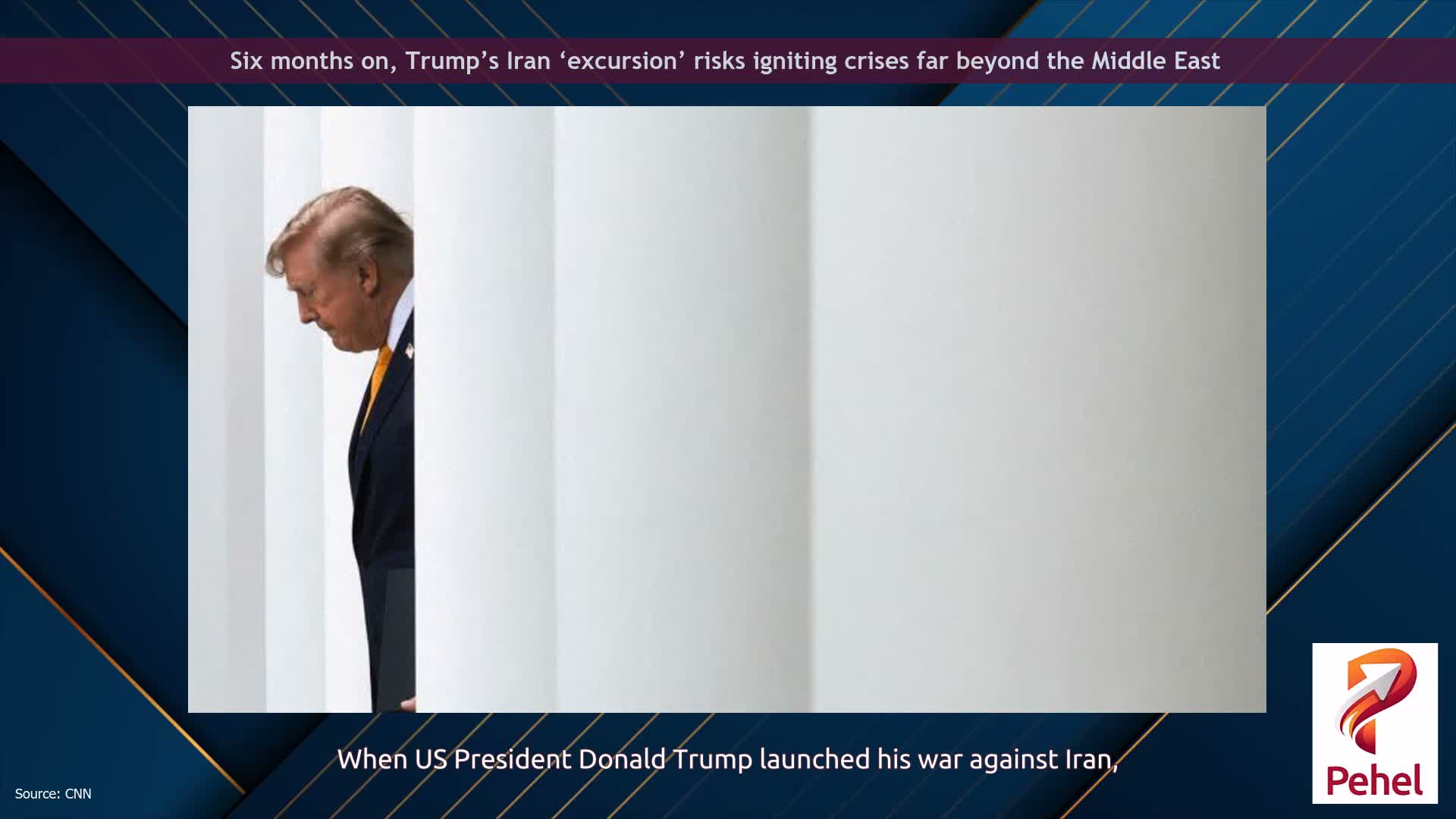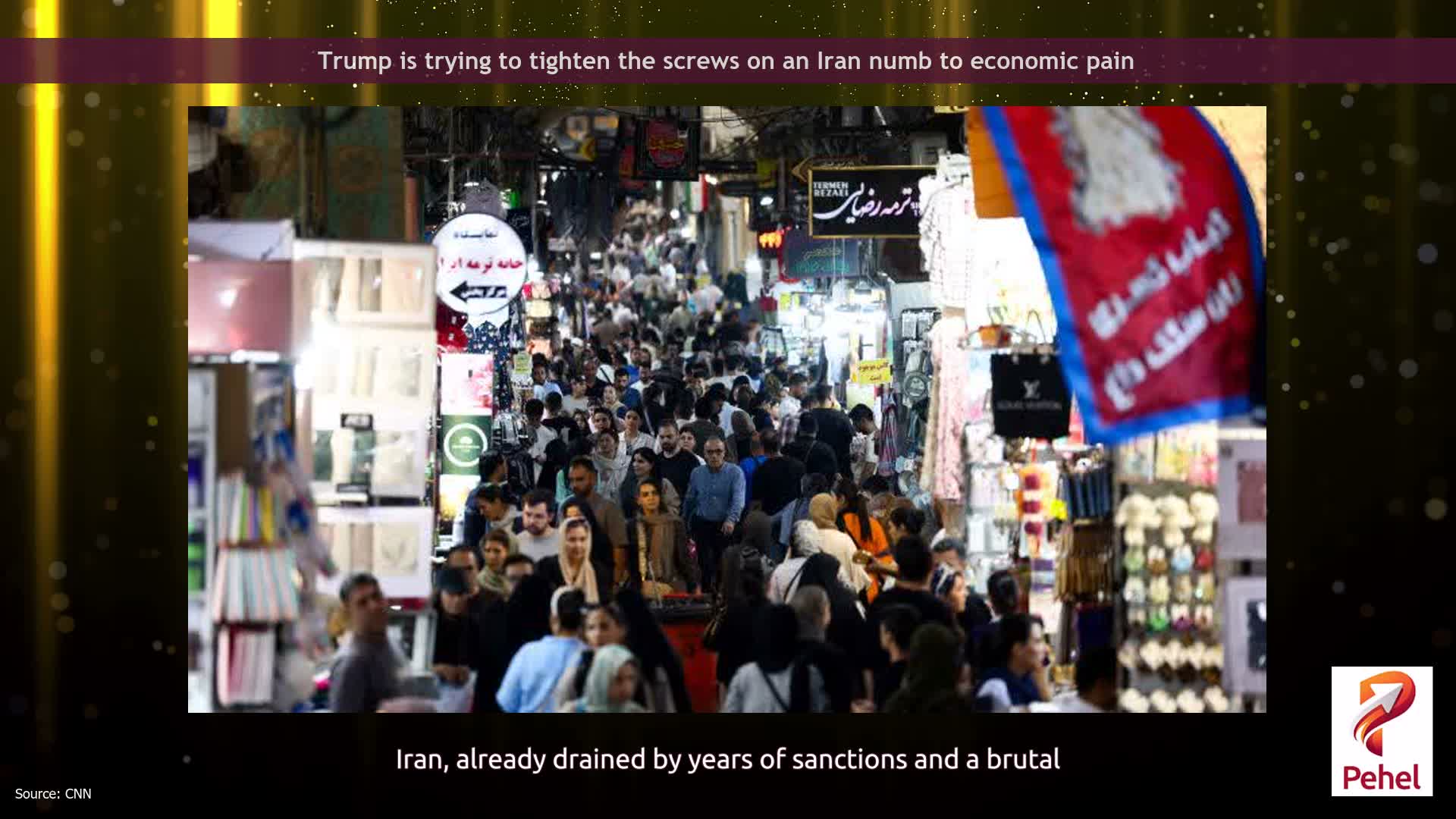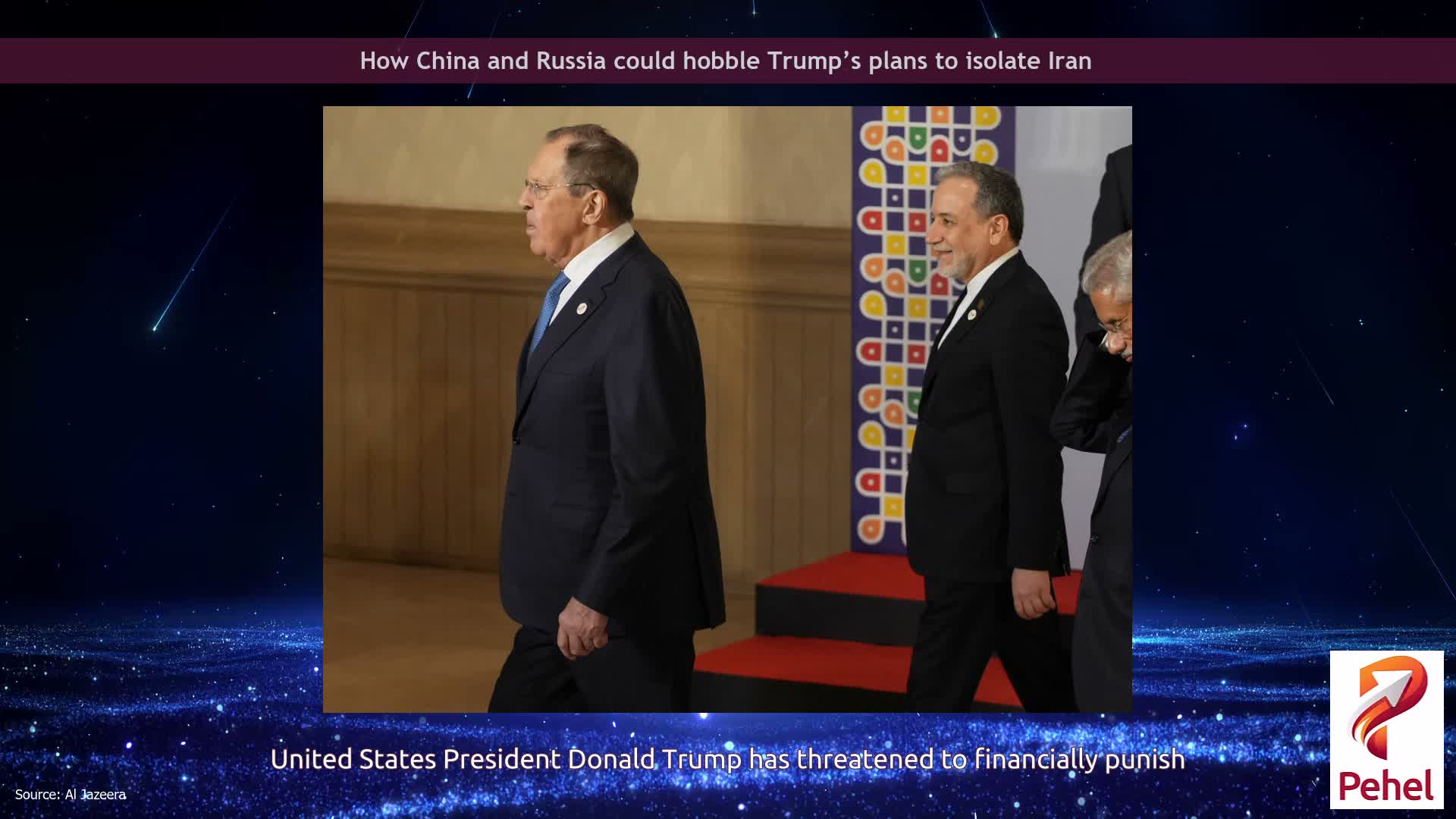
It is the ultimate sanction. But somehow for President Donald Trump – who once sought a Nobel Peace Prize for ending wars – military force has become a casual measure, a kind of background effect used to cajole Iran into diplomacy.
Deploying the largest military machine in history is the most serious task faced by the United States’ commander-in-chief. The Pentagon may have reduced public information about US casualties and damage to its facilities, but both remain a risk and a reality. Dozens of Iranians have died since the last bout of strikes and counterstrikes began, and thousands since February.
Normalizing violence should, in itself, be a red line, and its resumption or threat not reduced to a throwaway remark. The disruptive powers of the Trump administration can bring real –- perhaps unintended –- benefits, and the president’s approach is certainly novel.
Yet as the demise of the memorandum of understanding seems increasingly obvious, and the ceasefire that came with it beyond preservation, Trump talks of “devastating” Iran often as an aside - just one of many topics raised with reporters. It is a complex, if not troubling, moment both for the ethical use of force, and its practical application as a deterrent.
The nature of the threatened strikes chips away at the norms of American behavior that were once the country’s greater strength. For all the criticism of US foreign policy over the past decades, it was still clear they tried - on the surface - to adhere to international humanitarian law and presented the use of force as the last resort.
Instead, Trump talks about devastating Iran’s infrastructure – hitting bridges and power plants. This is illegal - a war crime, legal scholars and lawyers will tell you.
Trump’s proponents may argue these definitions are ageing, and precedents have been set in recent years that leave the battlefield a wholly more callous place. But in black and white, the rules remain the same, for good reason, and Trump casually talks of flouting them. When Russian President Vladimir Putin strikes this type of target in Ukraine, there is rightly Western outrage.
The surface reluctance of the United States, over past decades, to use force helped preserve the potency of the Pentagon. The US fought a lot, but carefully explained why. Trump’s second term has bizarrely veered into territory his predecessors would have eschewed on principle.
The abduction of Nicolas Maduro, then the president of Venezuela, was daring, high-risk, and has slowly paid off, with Caracas becoming more US-friendly. But it shattered two things: the international norm of not abducting serving heads of state from their capital, simply because you dislike them. And it broke Trump’s pacifist veneer after a year of trying to end the wars he inherited – often unconventionally, and unsuccessfully – especially when it came to Ukraine.
With Iran, Trump appears now to be edging into the mid-terms with his own unending war of choice – a Forever War Lite. It is a conflict of uncertain rationale, changing goals, and vanishing domestic support, against an enemy of greater focus and resilience.
The terms of the ceasefire were vague enough that they almost invited Iran’s hardliners to violate them. They agreed Iran would give up something it claimed it neither had, nor wanted – a nuclear weapons program. And it gave Iran potentially billions in sanctions relief as reward, for going roughly back to where they claimed they were in February. Iran has been degraded by over 13,000 strikes, but has survived and reconstituted, rather than suffering a mortal blow. The US seems to experience more difficulties replenishing its munition stockpiles than Iran does its generals.
This is the inherent problem behind unused might. It exposes how far the military power in question is willing to go, and the underlying gap in their resolve.
“Forever War” was the term coined to describe the war in Afghanistan, where the vaunted inexhaustibility of American firepower, might and money ran into the limits of its endurance,and appetite for distant conflicts. They could have done more, but chose not to, even though success in Afghanistan was about avenging 9/11 and preventing its repeat.
Iran presents a different challenge: At no point has President Trump explained the existential necessity of the war to the American public. It is his Coke Zero conflict, where he thinks he can neck the can and fear no calories.
He appears to have simply decided upon the war - convinced of a moment of opportunity by Israeli Prime Minister Benjamin Netanyahu. Trump was without a plan for the day after the regime might fall, or the month after the first bomb fell, or even two weeks down the line. The casual nature of its start informs how it stumbles on.
The takeaway for US enemies is palpable in Moscow or Beijing, but also wherever can be found the same smallness of mindset with which Trump began this violence. A nightly toll among Iranians is itself abhorrent if undertaken with a shrug. (The strikes against Baghdad in 2003 saw even Coalition generals express their sadness at how heavily their lesser-equipped opponent was being bloodily pummelled).
Iranian resilience to the conflict is providing another example of the limits of American power. Trump may threaten a land incursion to take key islands, or greater escalation in the air campaign. Yet the claims of greater violence to come are more hollow each time they are made if they turn out to be empty threats.
There are two key metrics limiting American resolve and violence. First is the price of oil, which appears to be edging towards renewed crisis as reserves run low. It will always be a very public, often predictable - but unforgivingly volatile - restraint on American action.
The second is Trump’s own, cratering approval rating. The latter is - for an 80-year-old second-term president – perhaps less seminal than handing an economy in manageable health to his anointed successor. Yet the midterm elections could truly bite.
Iran’s hardline regime achieves a victory of sorts simply by enduring and surviving. They were facing serious popular unrest in January. They are unlikely to have become much more popular since but have not faltered or fallen in the face of this added pressure. The Afghan Taliban and the Iraqi insurgency beat the United States through roadside bombs and sheer doggedness. But they were not a nation state. Iran’s feat here has wider geopolitical implications about American power and focus.
Iran has kept its regime functioning, despite targeted assassinations on an industrial scale over the past year and pushed the world’s greatest military power to use armed force, in the hope of coercing it back to the negotiating table, to ultimately discuss a return roughly to the status quo of February. It is American misadventure and flippancy epitomized, and the consequences for the decades ahead are slowly heaving into view.
In short, if you start wars casually – as if you care little – your enemy will presume that is also how invested you are in the outcome.