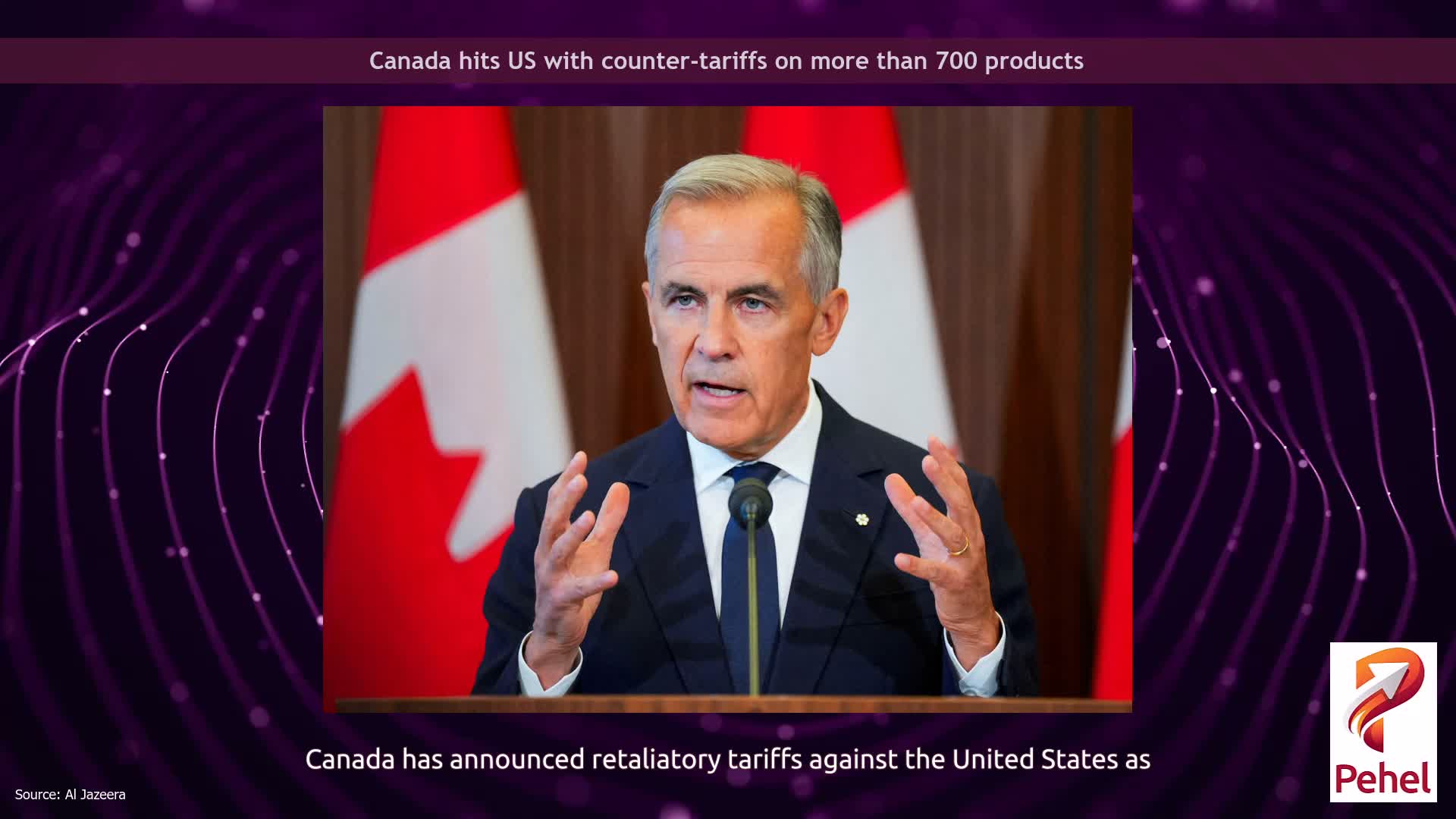
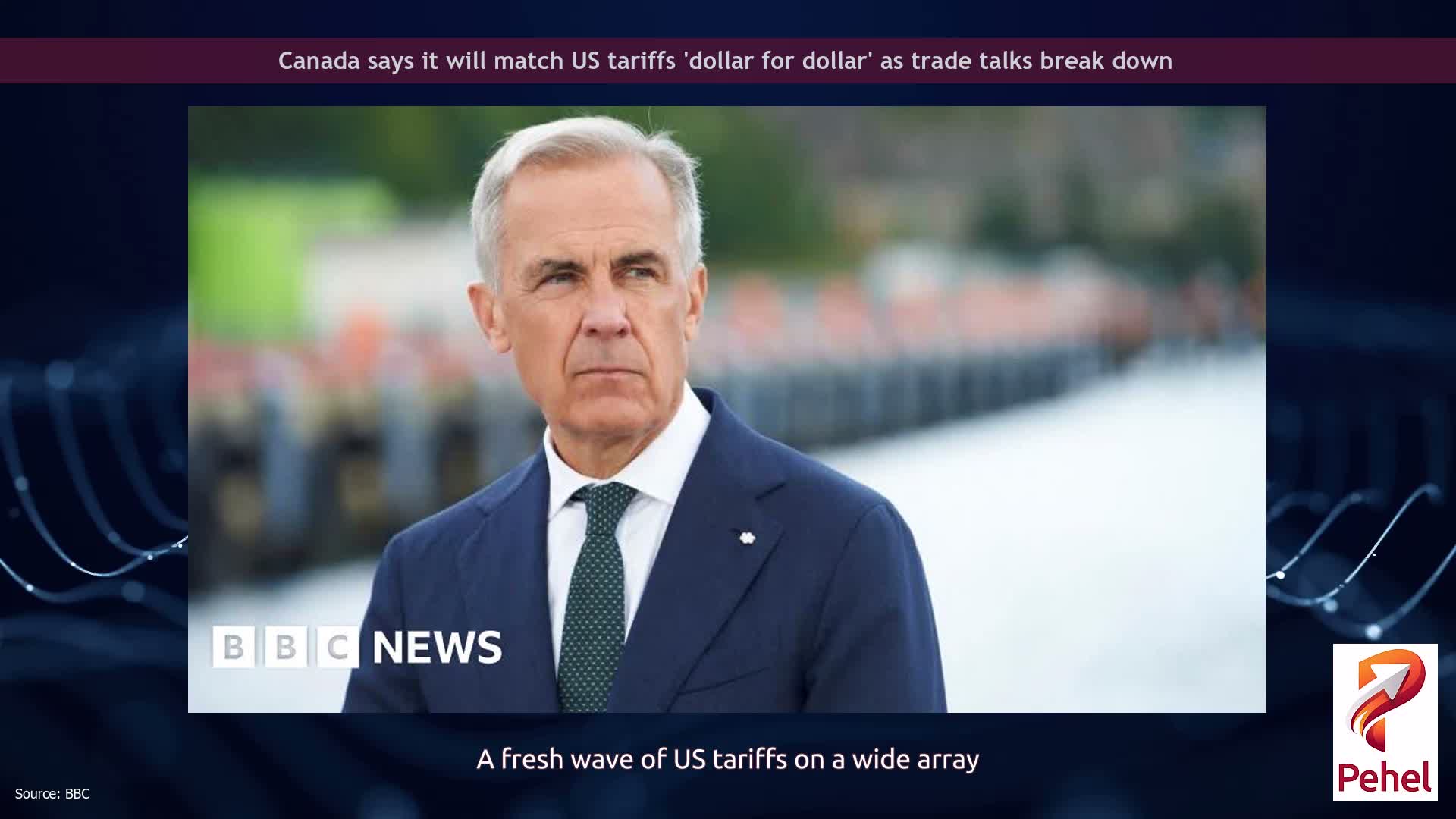
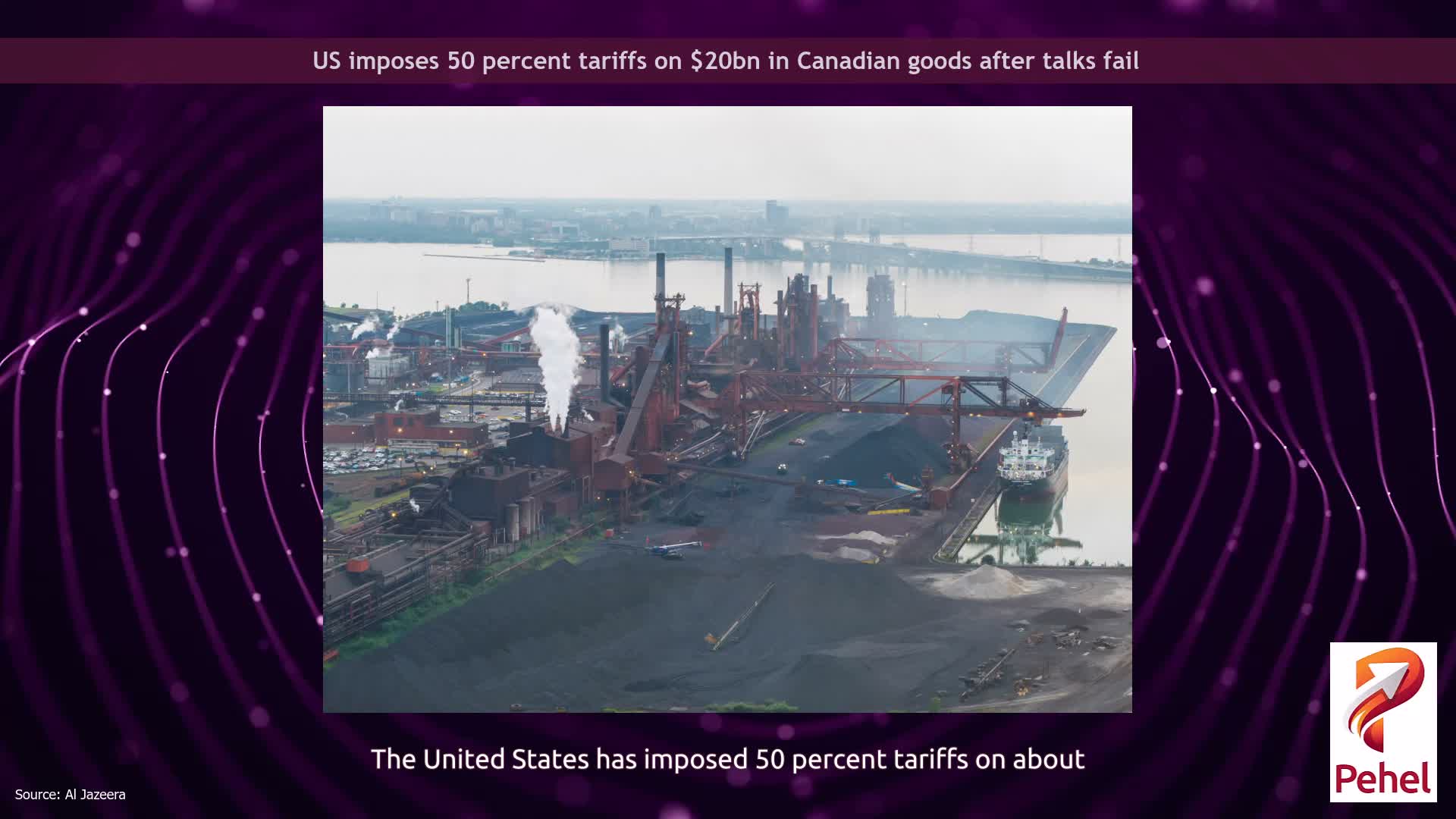
Canada has announced counter-tariffs as high as 50% on a range of US goods in retaliation to the latest wave of levies on Canadian imports imposed by President Donald Trump last weekend.
The Canadian tariffs will apply to nearly C$28bn ($20bn; £15bn) worth of American products, ranging from steel to furniture, fresh tuna and cotton T-shirts, officials announced on Tuesday.
The list of targeted products is designed to match Canadian goods hit by the US. The Canadian levies are set to come into effect on 8 September.
It is the latest escalation after US-Canada trade talks collapsed late last week, with each side accusing the other of making last-minute demands that were unreasonable.
Finance Minister François-Philippe Champagne said that Canada's retaliation is in response to 50% tariffs imposed by the Trump administration on a range of Canadian goods after trade talks fell apart on Friday.
"Those tariffs will have real consequences for Canadian workers, businesses and communities across our nation," he said. "Canada must respond."
Champagne characterised Canada's retaliation as "proportionate" and "strategic".
He added that Canada will also offer businesses and workers impacted by US tariffs an additional C$7.5bn for support programmes designed to minimise job losses and keep companies afloat.
Placing taxes on trade between what are historically two of the world's closest trading partners will undoubtedly lead to pain on both sides of the border.
Supply chains which have been developed over decades are set to see increased trading costs due the latest tariff announcements made from both the US and Canada, ultimately hitting businesses of all sizes and consumers through potentially higher prices.
President Trump has yet to comment on the latest Canadian countermeasures.
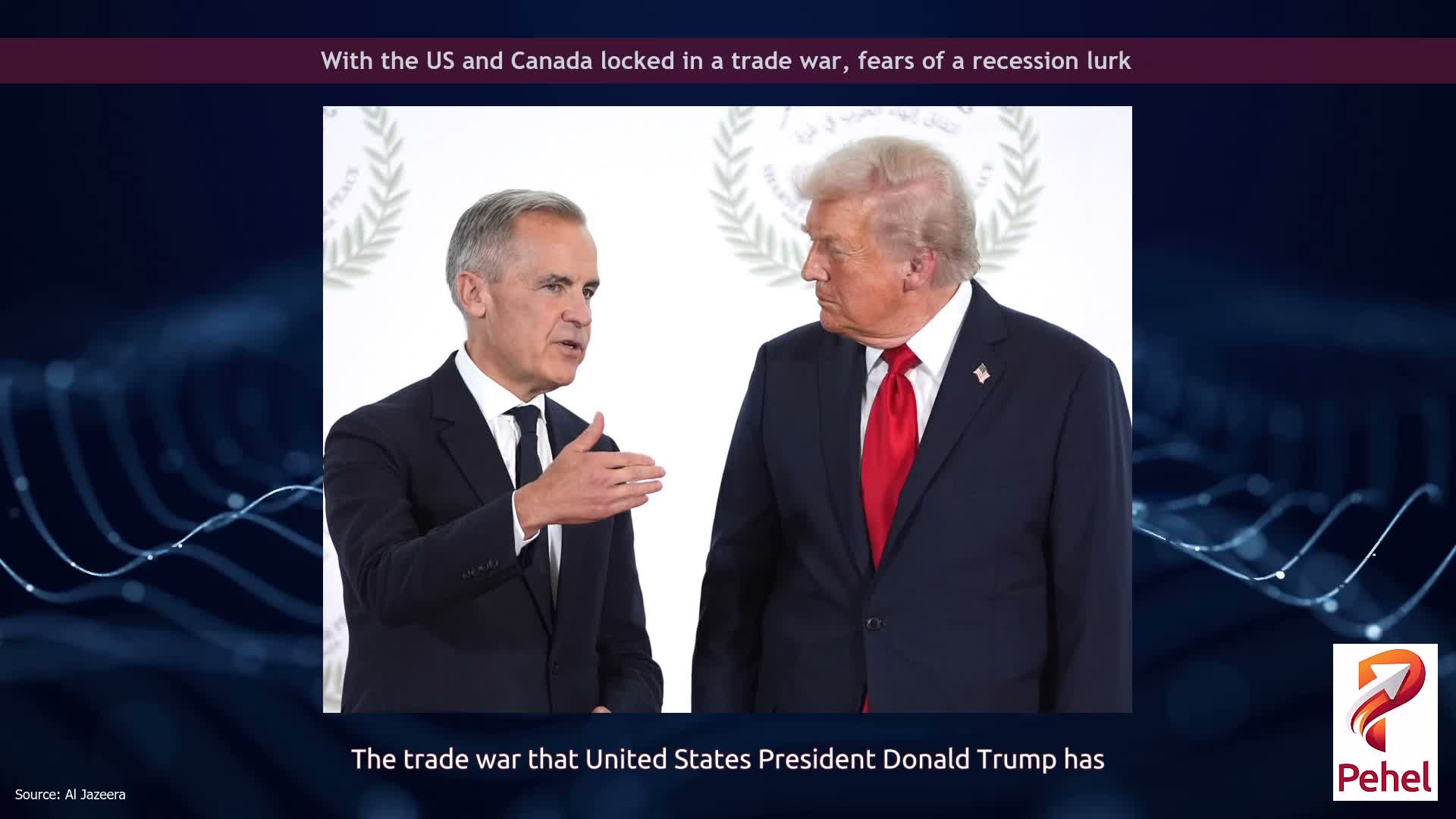
Still, in a series of Tuesday posts on Truth Social, Trump accused Canada of "ripping off" the US for decades and of charging American farmers steep tariffs.
"I deal with many countries, and Canada is easily the most difficult and unreasonable," Trump wrote. "They feel entitled, but they are not a State, and will be entitled no longer!"
He also suggested that he will change the name of Lake Ontario, one of the Great Lakes on the US-Canada border, to Lake America, writing: "We don't expect to doing much business with Ontario any longer."
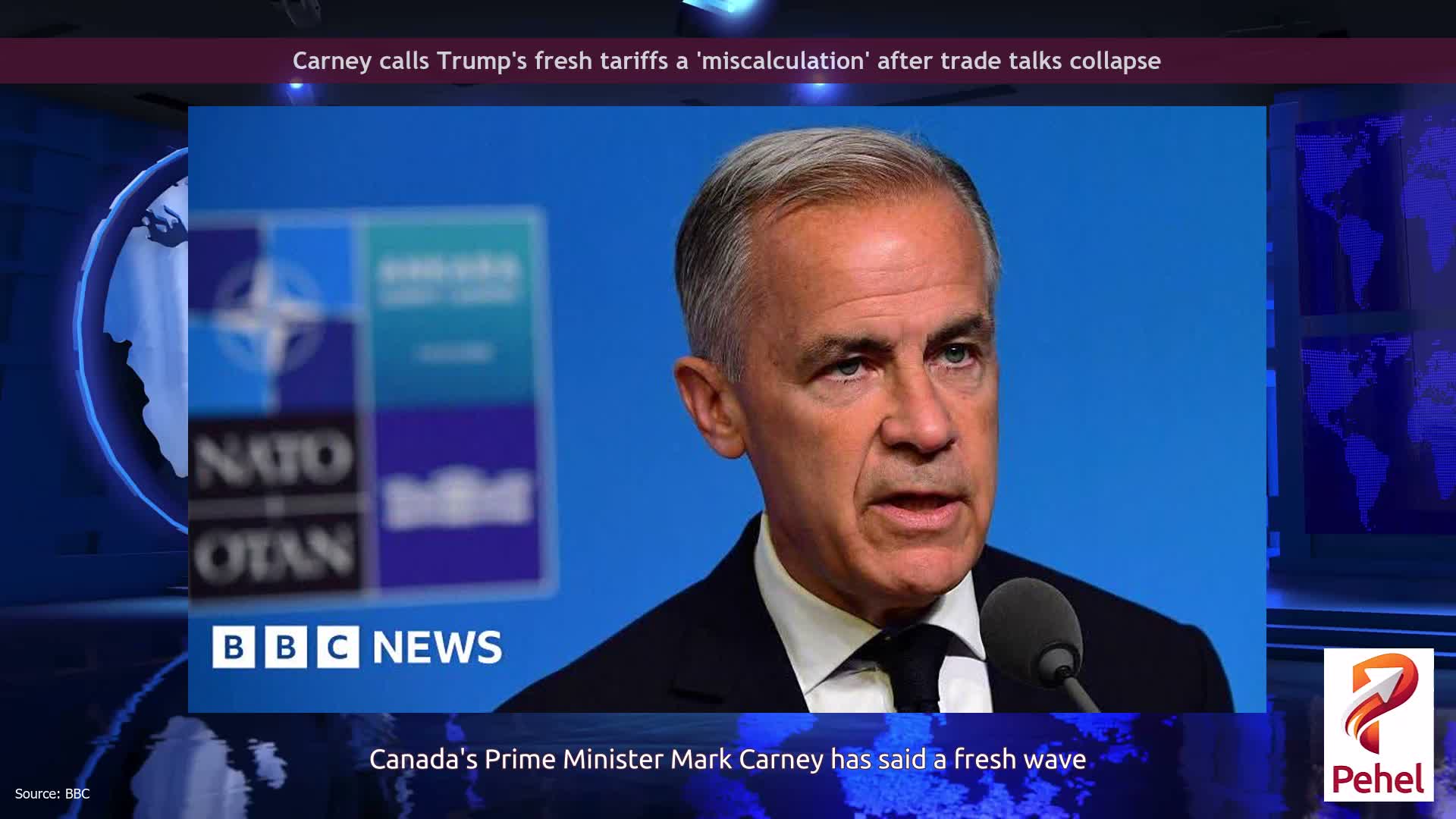
On Monday, Trump threatened to hike US tariffs on Canadian automobiles to 50% as of 1 January. Prime Minister Mark Carney responded by accusing Trump of wanting to "destroy" Canadian industries including the automobile manufacturing and steel and aluminum sectors.
Public rhetoric on both sides reached a fever pitch on Monday, but some officials struck a more diplomatic tone on Tuesday with hopes that talks could be resumed.
After calling Trump a "loser" on Monday at a news conference, Ontario Premier Doug Ford acknowledged in an interview with CNN that "things got a little heated".
"But I want to make a deal — a good deal for the American people, a good deal for Canadians," Ford said.
The escalation also puts into question the future of a North American free trade pact between Canada, the US and Mexico called the USMCA.
President Claudia Sheinbaum had despatched her economy secretary, Marcelo Ebrard, to Washington for emergency talks after trade negotiations collapsed with Canada.
Canada released on Tuesday a list of around 700 US products that will be hit by its counter-tariffs.
The list includes: