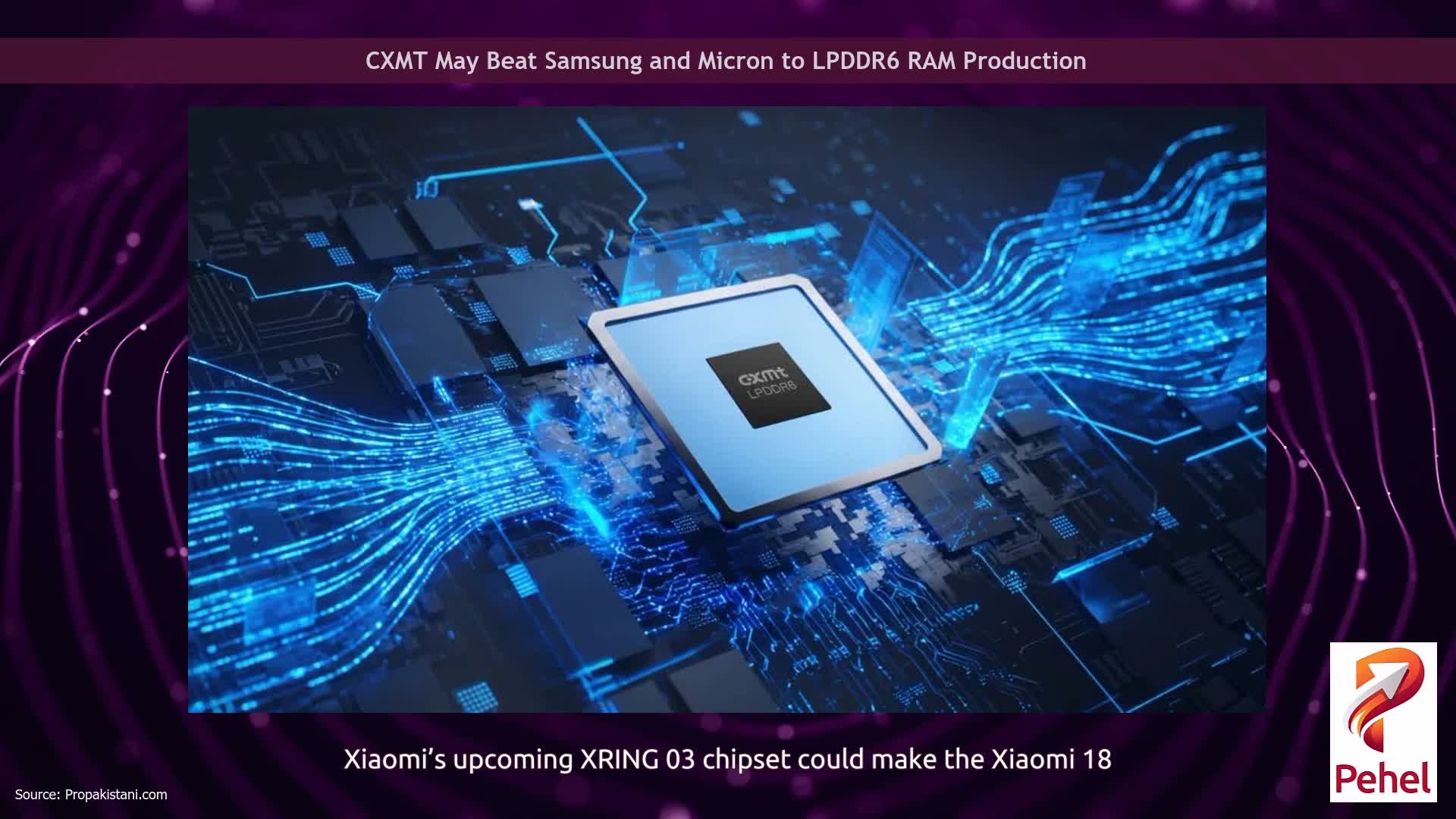
Chinese memory manufacturer CXMT is gaining support from major PC hardware companies as the global memory shortage pushes businesses to look beyond Samsung, SK hynix, and Micron.
The supply crisis is expected to continue until at least 2028, when major memory manufacturers are expected to complete projects designed to expand production capacity. In the meantime, companies including MSI, Asus, Corsair, and Lexar are testing or adopting CXMT’s DDR5 memory.
MSI has released beta BIOS updates for selected AMD AM5 motherboards that improve support for DDR5 memory using CXMT chips.
Before the update, CXMT-based modules were generally limited to DDR5-6800 on the affected motherboards. The new BIOS allows compatible 24Gb memory chips to reach DDR5-8200 on motherboards with two memory slots.
CXMT’s 16Gb chips were validated at up to DDR5-8000, while selected four-slot motherboards can now support speeds of up to DDR5-7200.
MSI tested memory modules from Lexar and KingBank using Ryzen 9000-series processors. However, the beta BIOS files were released through MSI’s Chinese channels and are not currently part of a worldwide rollout.
Asus has also demonstrated CXMT-based DDR5 memory operating at high speeds on its AMD B850 motherboards.
Its test results included a KingBank 48GB kit, consisting of two 24GB modules rated at DDR5-6000, overclocked to DDR5-8400.
Other CXMT-based 32GB kits reached DDR5-8200 and DDR5-8000, depending on their original specifications and timings. Actual results will depend on the motherboard, processor, memory controller, and individual RAM kit.
The tests used Asus BIOS version 1686. Unlike MSI’s China-only beta releases, this BIOS version is available through Asus support pages in international markets.
Corsair has also reportedly started using CXMT DDR5 chips in some Vengeance memory modules intended for China.
Images of a 16GB Corsair Vengeance DDR5 module showed it using CXMT memory dies. However, Corsair has not announced a wider international rollout of those modules.
Lexar is reportedly preparing THOR-series kits using CXMT chips. The planned lineup includes DDR5-7600 CL38 and DDR5-7200 CL38 configurations, both containing two 16GB modules.
MSI also used a Lexar kit during its validation testing, although it did not identify the exact retail model.
Growing demand has transformed CXMT into the world’s fourth-largest DRAM manufacturer, behind Samsung, SK hynix and Micron.
The company accounted for around 11% of global DRAM wafer capacity in 2025. Its share is expected to reach approximately 15% by 2028 as it expands production in Hefei, Shanghai and Beijing.
Apple is also reportedly testing CXMT memory for devices sold in China as it looks for additional suppliers during the shortage.
CXMT reported rapid financial growth during the first quarter of 2026, helped by higher memory prices and stronger demand. The company is also preparing a Shanghai stock market listing to raise funds for production and technology upgrades.
CXMT’s expansion has attracted legal and political scrutiny.
A former Samsung researcher was sentenced to seven years in prison after being convicted of leaking important DRAM manufacturing technology to CXMT.
The US Department of Defense has also placed CXMT on a list of companies it alleges have links to China’s military. This could complicate attempts by American companies such as Apple to use its memory chips.
Despite those obstacles, support from MSI, Asus, Corsair, and Lexar shows that CXMT is moving beyond entry-level memory and becoming a serious supplier of high-speed DDR5 products.
Its growing capacity is unlikely to end the global memory shortage immediately, but it could give manufacturers another source of DRAM while Samsung, SK hynix and Micron work to expand their output.
Get the latest tech news, telecom insights, and product launches wherever you prefer.
Add ProPakistani to Preferred Sources and see more of our stories in Google Search and Top Stories.
Shares