Gaza City, Palestine – Seven-year-old Hala Lubbad lies on her bed in al-Shifa Hospital, her small body weighed down by her injuries.
“Where is my mother? Where is my father?” she repeats, to no answer.
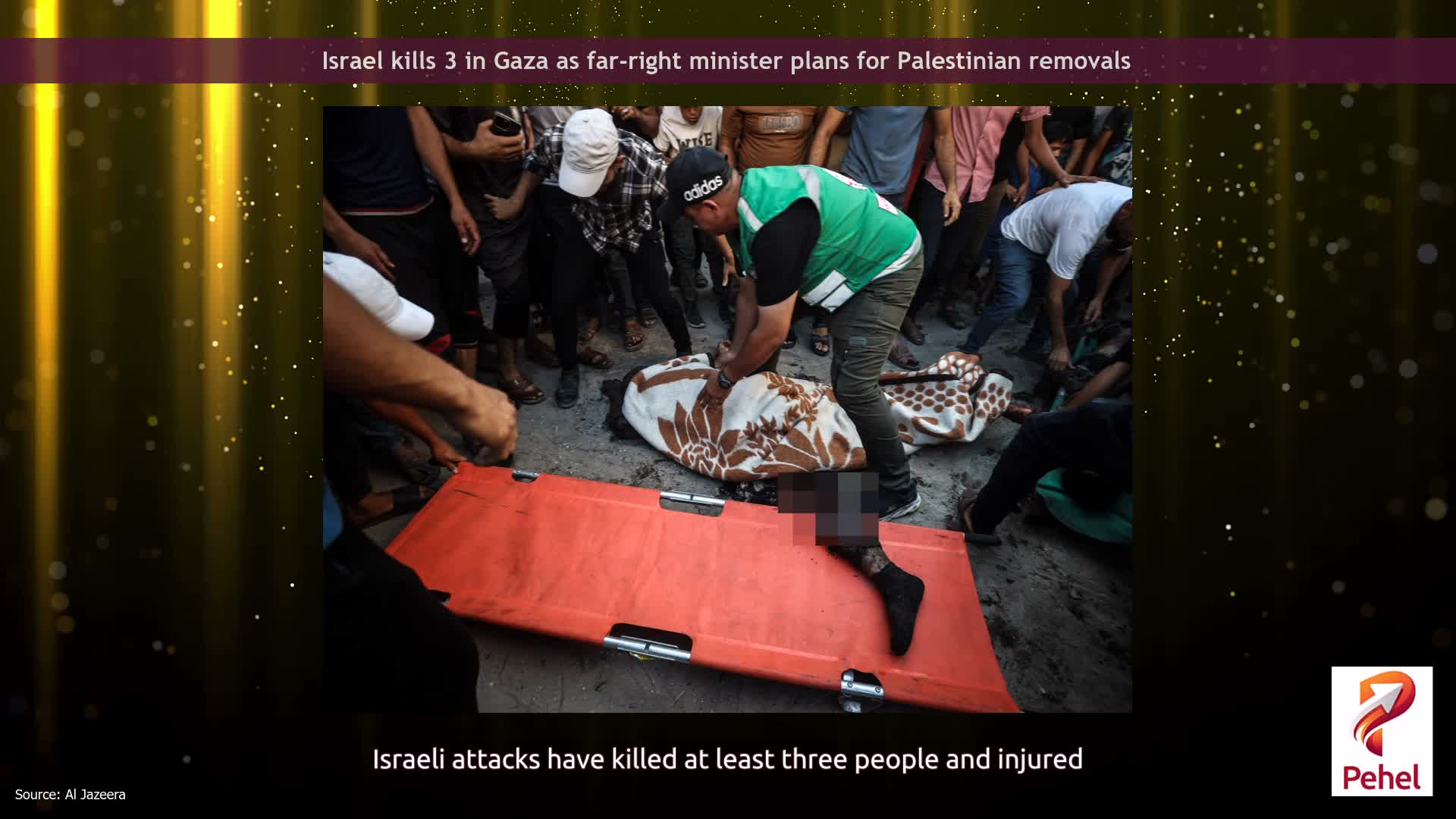
The child’s 42-year-old policeman father and 40-year-old teacher mother, along with two of her siblings aged 10 and 17 – were killed in the early hours of June 2 when an Israeli attack hit the family home in Gaza City and sparked a fire.
The Palestinian girl’s aunt, Haneen Lubbad, who now cares for her, says it happened when everyone was sleeping.
“Hala was there among them … she was the only one who survived, along with her brother Mohammed, 16 years old,” says Haneen. “The rest are gone,” adds the 28-year-old, tears filling her eyes.
Nearly two weeks later, Hala, who suffered severe burns in the fire, still does not have a clear understanding of what happened, only scattered memories.
Speaking quietly, Haneen says that doctors and psychologists have advised the family to be careful in how to tell her that her parents and siblings are no longer alive. “If she hears it all at once, she may collapse,” she adds.
But the truth still seeps through the cracks of daily life.
“She asks about them every day,” says Haneen. “She cries constantly. She says: ‘I want my mother, I want my father. I want to talk to them.’ She wants their pictures … she keeps asking why they don’t visit her anymore,” adds the aunt.
Hala has undergone several operations since arriving at the hospital, but doctors are warning she urgently needs to travel abroad to prevent further deterioration of her condition and possible loss of fingers due to worsening tissue damage.
“Hala needs medical and psychological treatment, as well as urgent rehabilitation outside the Strip,” says Haneen.
“She was a normal child, she used to laugh and play … full of life,” she adds. “Now she is between pain and fear. Her body is exhausted … and her psychological state is even worse.”
Hala is just one of thousands of children who survived Israeli attacks only to face a devastating reality.
According to United Nations estimations, 17,000 children have either been orphaned or separated from their parents or primary caregivers since Israel’s genocidal war against Palestinians in Gaza began in October 2023. They include children who lost both parents and others who are the sole survivors of entire families.
Psychologists warn that they face compounded risks of severe trauma, anxiety, depression and loss of safety and family identity during a critical stage of development.
Overall, at least 21,289 Palestinian children have been killed in Gaza since the start of the war, and 44,500 others wounded, according to the UN children’s agency UNICEF.
The suffering did not stop with the announcement of last October’s “ceasefire”, as Israel keeps violating the agreement with near-daily attacks that have killed more than 1,000 Palestinians since.
According to UNICEF, at least 60 boys and 40 girls were killed in the first three months of the “ceasefire” alone – about one child per day – but the actual number is likely higher. Hundreds of others were wounded.
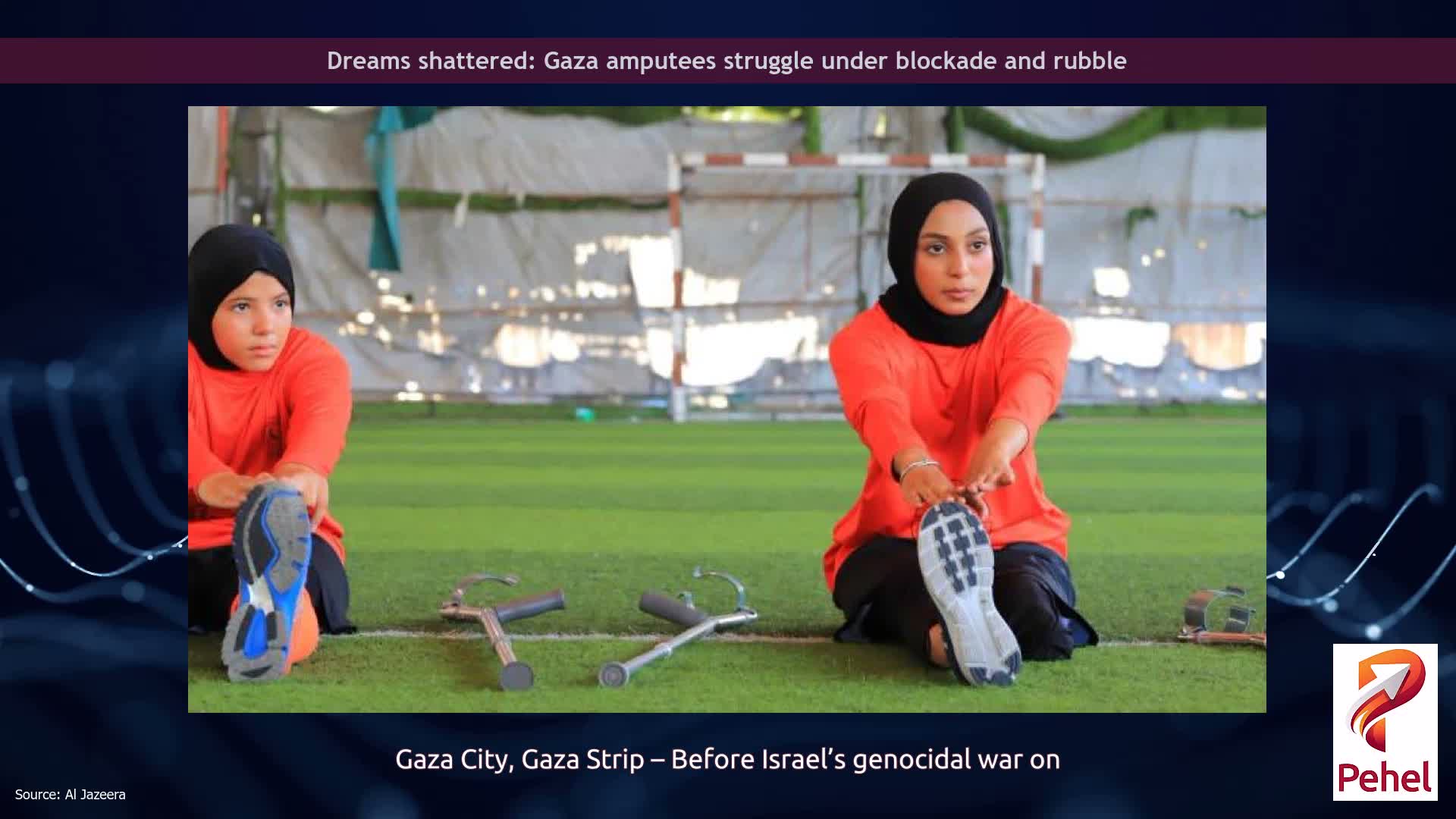
Israeli attacks have also left thousands of children with permanent disabilities. The UN and humanitarian organisations say Gaza now has one of the highest rates of child amputees per capita in the world.
Two-month-old Mohammed al-Khatib is one of them.
The baby had his left leg amputated and suffers from multiple wounds across his small body after an Israeli attack on al-Mawasi that also killed his mother while she was breastfeeding on May 25 .
“I am still in shock,” says his father, Ahmed al-Khatib, holding back tears as he sits beside his child who finally fell asleep after crying for hours in Nasser Medical Complex in Khan Younis, southern Gaza.
Ahmed’s grief seems to intensify as he speaks about his other son, two-and-a-half-year-old Adam, who is struggling to cope with his mother’s absence.
“He cries the whole time … looks around, searches among faces and in the tight corners, calling out, ‘Mama … Mama’, ” Ahmed says, his voice breaking.
“I feel like my heart is being torn apart over him … what fault is it of theirs? What happened? What fault was it of my wife’s?”
The father now divides his time between his two children, with help from their grandmother, trying repeatedly to soothe Adam’s distress.
“I try to tell him his mother went to heaven, but he’s a small child who doesn’t understand the meaning of permanent absence … he insists he wants to go to her.”
Ahmed recalls the moment everything changed. His wife had taken their infant son to a nearby tent belonging to his family so she could nurse him there. Moments later, the Israeli strike hit.
“I ran towards the spot, and I couldn’t find the tent,” he says. “When I got there, I saw my wife drenched in blood, holding her baby. I took Mohammed from beneath her … his body was trembling from the severity of the injury … and I discovered his left leg had been completely severed.”
Since that day, Mohammed has remained in hospital, undergoing a series of surgeries to save his life and prevent further amputation.
While children like him struggle with amputations and injuries, access to treatment remains severely limited.
Health officials warn that delays in transferring critically wounded children, particularly those with severe burns, limb injuries and spinal trauma, can mean losing any chance of recovery or rehabilitation.
“Every day he undergoes a new operation,” Ahmed says of his baby. “The doctors say his arm is at risk of amputation. A two-month old baby? How many operations can he endure?” he asks.
“This child will grow up without a mother, and may grow up without a leg, and perhaps without an arm too. What will be left of his life?”