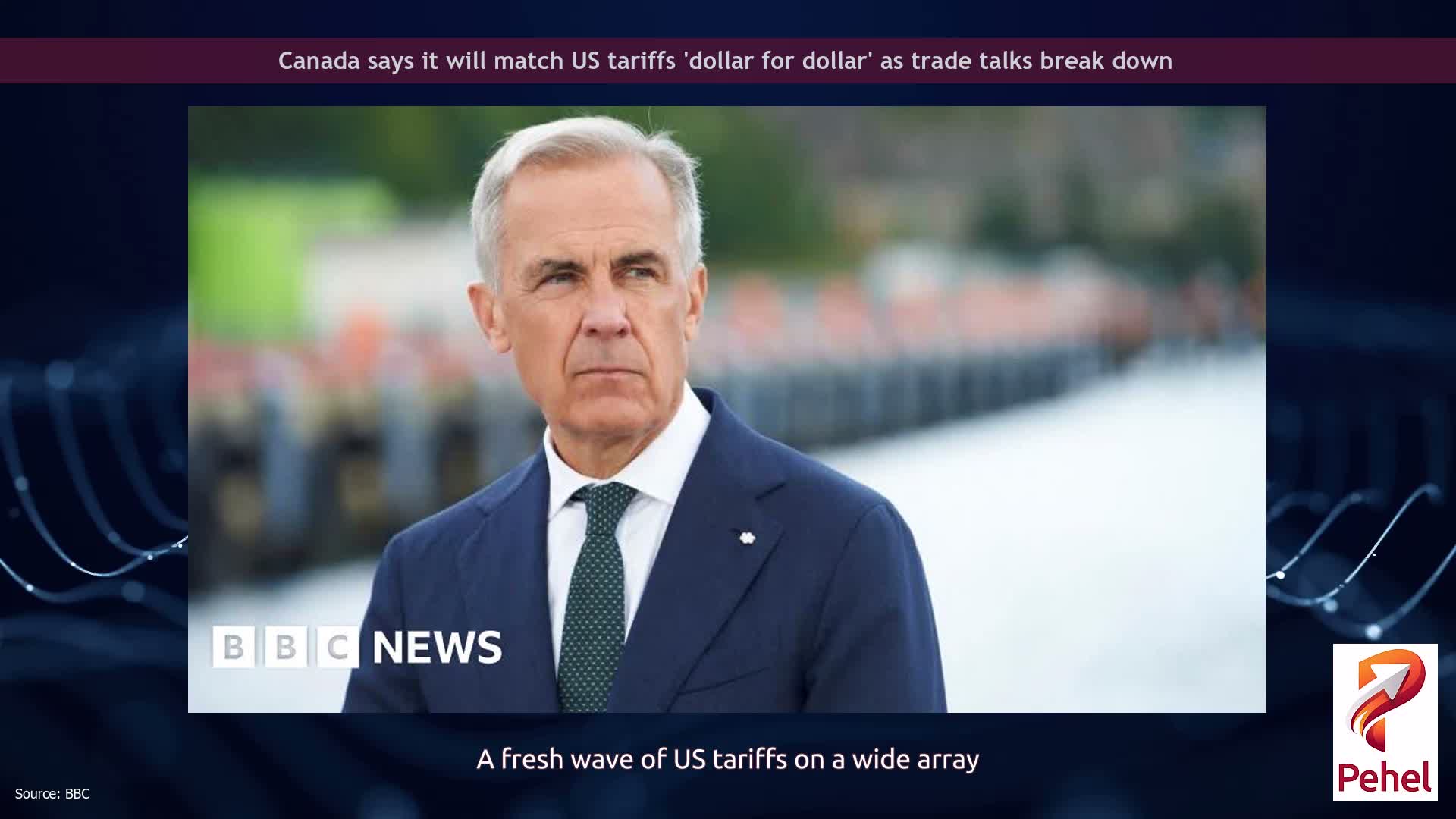
Way back in the distant past of March 2025, at the beginning of the trade spat between Canada and the US , you might remember that Canadian liquor stores in most provinces pulled American products en masse from shelves in response to US tariffs.
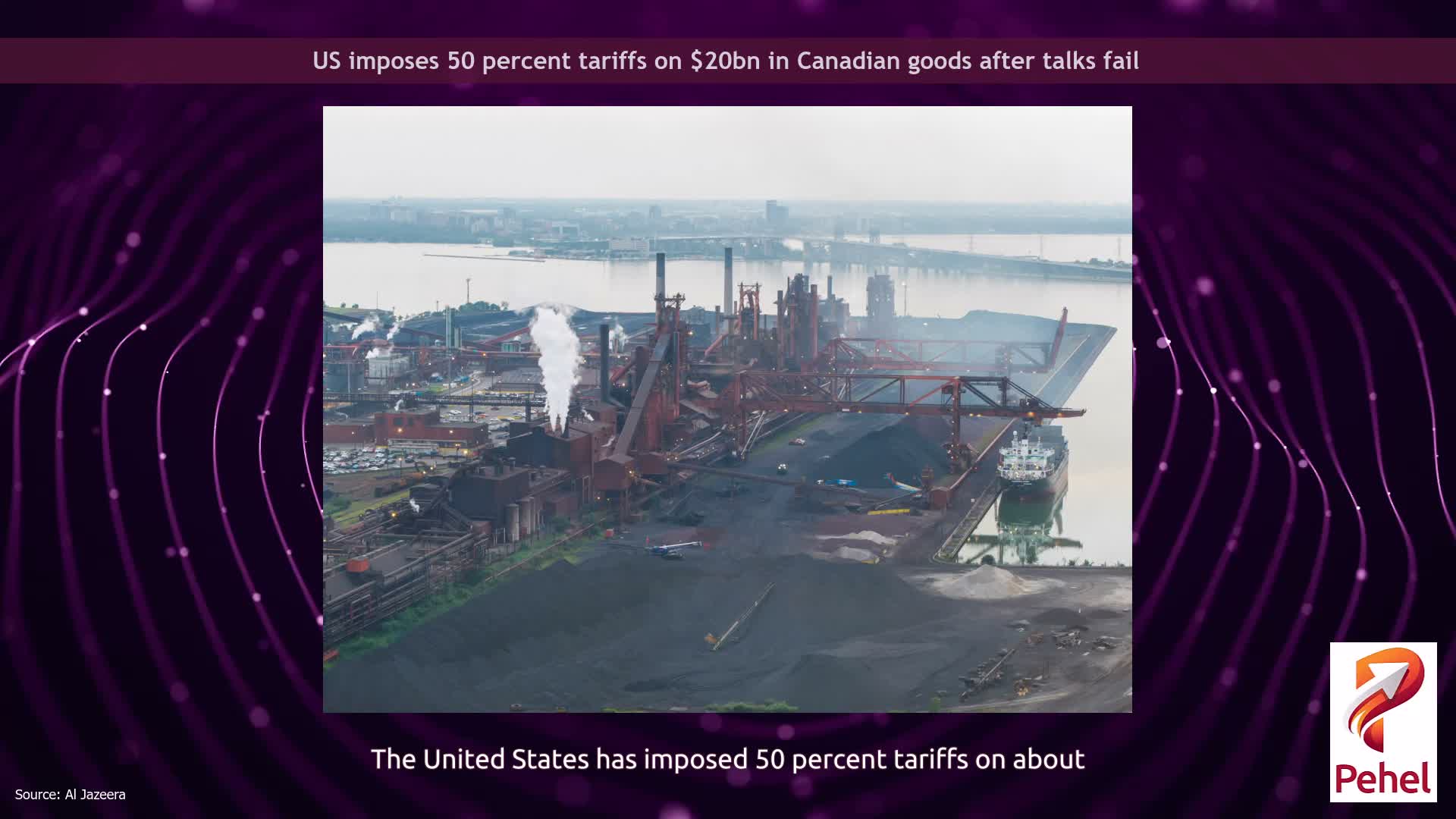
US President Donald Trump certainly remembers. The boycott was back in the news last week when his administration imposed new 50% tariffs on Canadian goods. In announcing the duties, the White House said that the boycotts amounted to “unreasonable and unequal impositions and discriminations” against US alcohol producers.
Most Canadian provinces sell alcohol through government-owned retailers, similar to ABC stores in the United States. Most provincial leaders have said they won’t back down on the boycott. “There’s not a chance in hell that US alcohol is going back on the shelf in British Columbia,” said British Columbia Premier David Eby last week.
The new tariffs raise a question: How well is Canada’s booze boycott working?
The ban on US liquor sales certainly affected the American side; US liquor exports were down 3.8% in 2025, in part due to Canadian trade actions, according to the Distilled Spirits Council of the United States , an alcohol producers’ trade group.
There’s also evidence that the boycott has encouraged consumers to buy Canadian. In its annual report released last week , Quebec’s provincial liquor distributor SAQ reported a 69.4% growth in “Origine Québec” products.
Paul Goulet, the head of Quebec’s micro distilleries union, told CNN that the fallout from Trump’s trade war has contributed to “an unprecedented sense of unity across Canada.”
“In some respects, this situation may prove constructive,” Goulet said. “It has underscored the importance of further diversifying Canada’s economic partnerships with reliable and committed partners.”
Isabelle Leduc, vice-president of Distillerie de Montréal, described her company’s first year without US products as “excellent.”
“Our spirits sales — particularly our whisky and spiced rum — increased by more than 35%,” Leduc said.
Some other small Canadian alcohol producers have also seen a similar, albeit smaller, uptick in sales.
“We have seen an increased demand for our whisky, but our production is low, so the overall impact on our business is marginal,” said Paul Cirka of CIRKA Distilleries in Montreal.
Cirka’s distillery produces grain-to-bottle spirits, specializing in whisky, gin and vodka. The company’s small-scale craft production allows for quick adaptation to market changes. But Cirka says his inventory isn’t large enough to meaningfully take advantage of the extra space that’s appeared on Quebec liquor store shelves since the boycott came into effect.
How fed up are Canadians with Trump?
Cirka hopes for a swift resolution to Canada’s trade turmoil with its southern neighbor, though he isn’t optimistic. “It would be nice if things went back to the pre-Trump era, and we could play nice in the same sandbox, but I don’t know if it’s going to happen,” he said.
From Ontario, distiller Mike Heisz told CNN that he too had seen an increase in sales at his craft distillery, Junction 56. While he was reluctant to attribute the increase to the boycott, he did see the benefit of extra shelf space in Ontario liquor stores.
“It’s a really hard thing to judge because there’s so many factors,” Heisz said. “We do know there’s a lot more opportunity for us in Ontario, and we’ve definitely gotten more distribution, which we believe has led to more sales.”
Heisz also sees a downside to the whole trade fracas; his business had been exploring distribution to the US before Trump began imposing tariffs on Canada.
“We were actively looking at, potentially, exports into the US, but given all the uncertainty that’s been going on in the last couple of years, it’s something we’ve put on the back burner,” Heisz said.
“It’s hard to execute a plan when tomorrow, there might be a tweet that changes everything,” he said.
But Leduc, of Distillerie de Montréal, said that American competition still found its way into Quebec, even if the provincial liquor distributor isn’t buying US exports.
“Several international producers have found ways to work within the current system by bottling their products in Quebec while the spirit itself is still produced in the United States,” Leduc said. When American company Proximo began bottling Kraken Spiced Rum in Quebec earlier this year, Leduc’s distillery saw a decline in rum sales.
CNN has reached out to Proximo, Kraken’s owners, for comment. The Société des alcools du Québec, the state-owned alcohol retailer in the province, told CNN in a statement that “following the ban, some American brands made the decision to move the final transformation of their product from the USA to Quebec.”
“These products are now being transformed by local companies — not just bottled — and are therefore not subject to the ban anymore,” the statement added.
Trump’s appetite for tariffs never faded. His next moves could reshape trade
Cirka says it’s still hard to get Quebec products onto shelves in other provinces. He’s been trying to get permission to sell his liquor in Ontario’s beverage retailers for 10 years to no avail.
One reform announced last week, in part due to Trump’s latest tariffs, saw nine premiers agree to allow producers to sell direct to consumers across provinces, rather than going through each province’s liquor board, which Cirka described as “an amazing first step.”
Quebec isn’t among the nine. The provincial premier says that the change , which would break the Quebec liquor board’s monopoly, would need to be implemented by lawmakers when the provincial legislature is back in session.
With a provincial election coming up this fall, Cirka remains hopeful Quebec will adopt the move for fear of looking “anti-Canadian.”
“In all honesty,” he said, “in 10 years this is the most positive movement, and it’s not because of internal lobbying and all the work that we’ve done in the province. It’s because of outside pressures.”