With your back to the wall, you don’t also bang your head into it.
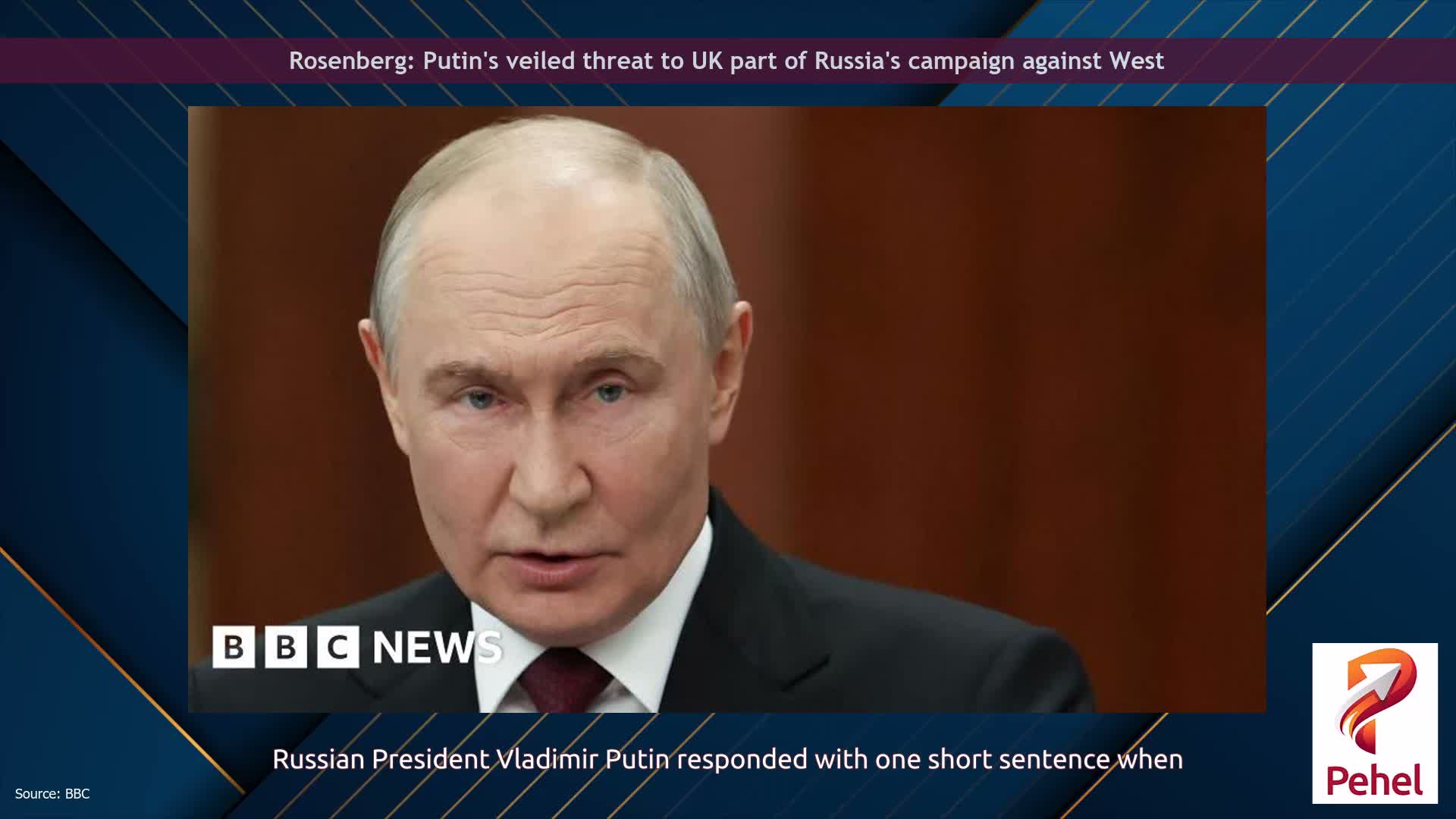
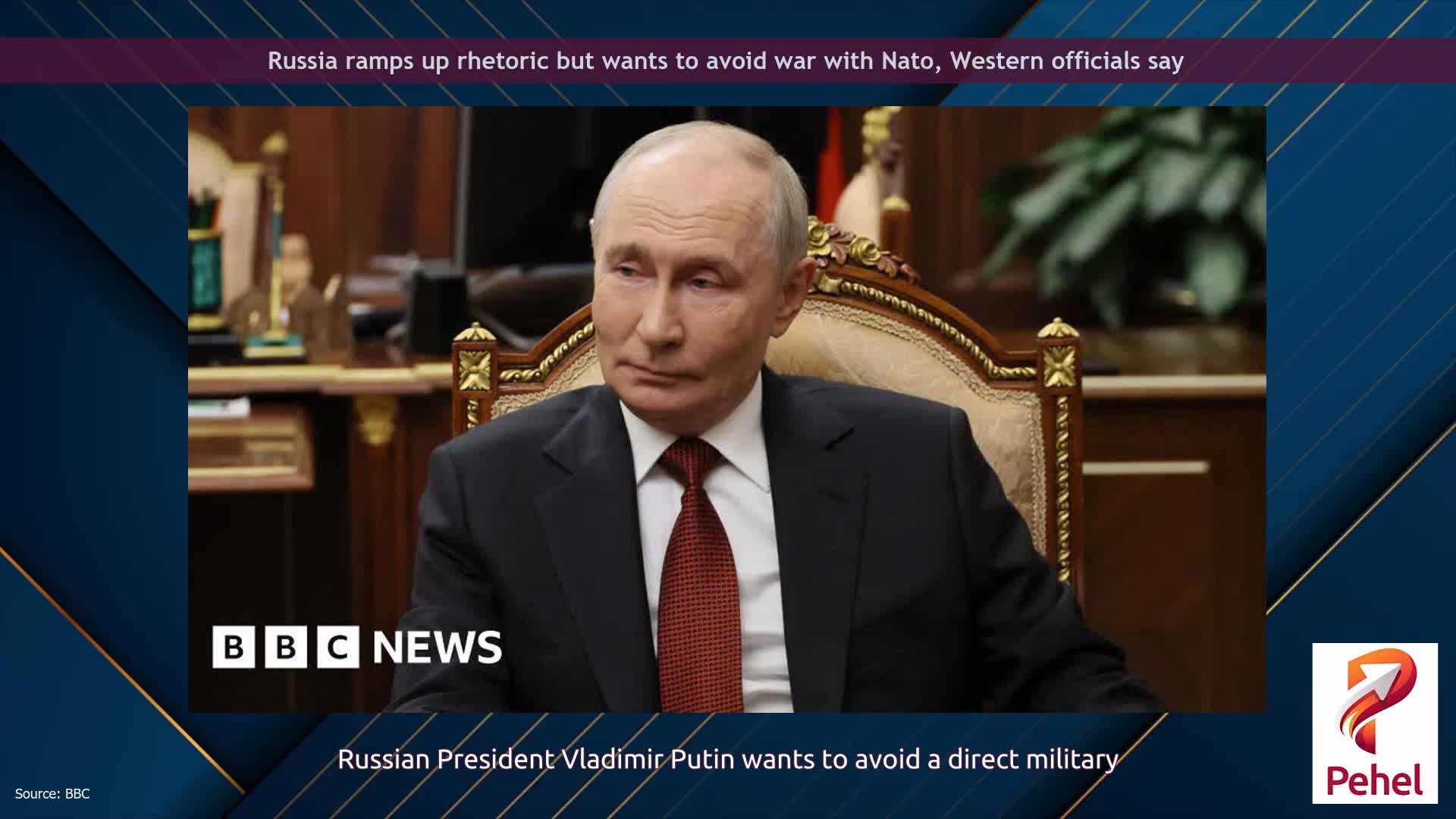
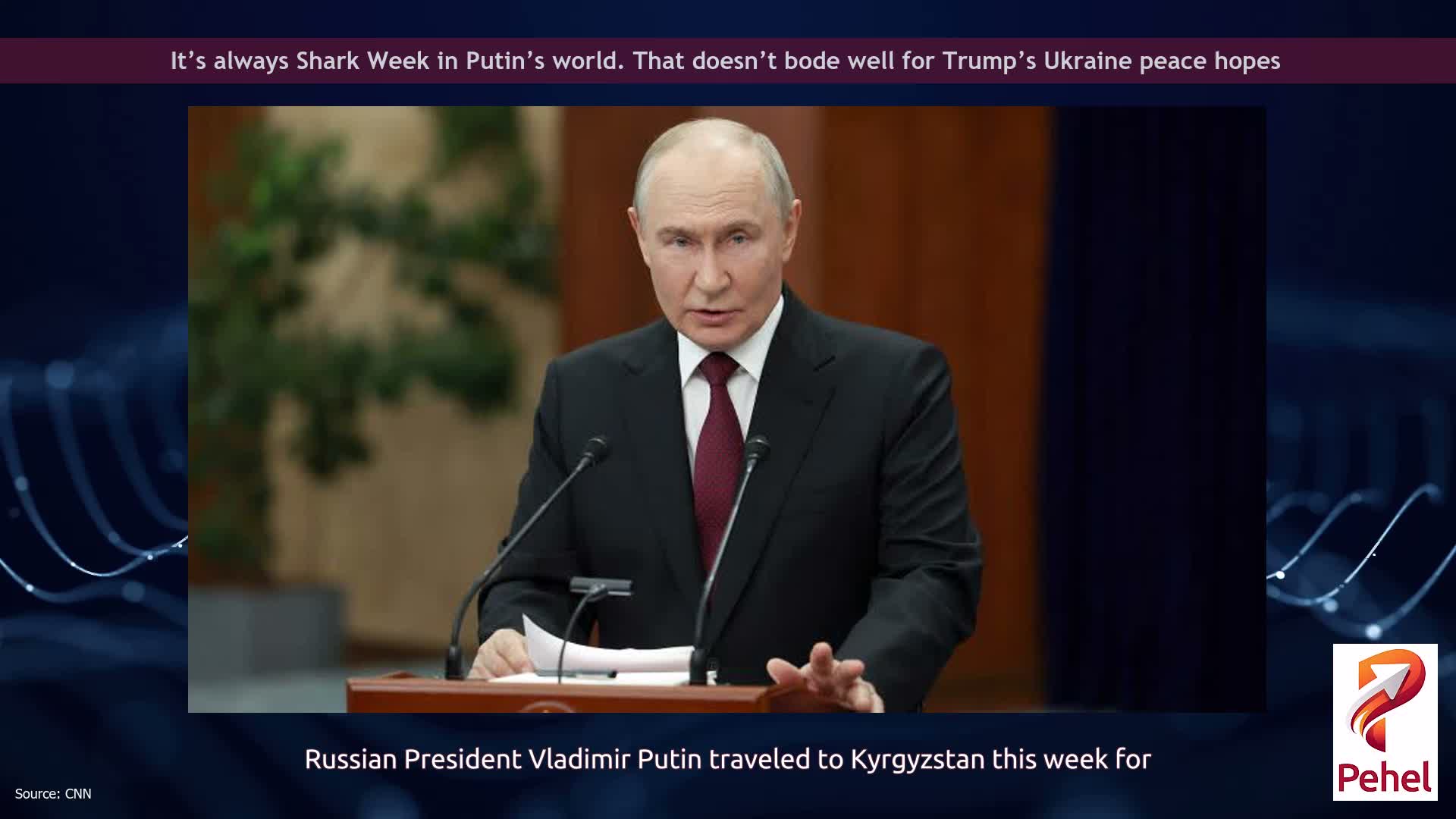
Russian President Vladimir Putin is likely in his most precarious position yet. But as NATO meets in Ankara this week, is this the moment he chooses truly to test the alliance?
His war of choice is dragging down the Russian economy – along with his poll ratings – and is also into its fifth year. As Kyiv’s long- to mid-range bombardments continue, causing gas shortages and damage so broad that Moscow’s skyline belches black smoke, questions mount as to what Putin can do to respond to Ukraine’s new-found confidence .
Chief among them is whether he can, or will, escalate in return – against Ukraine, but also its NATO backers.
There persists a steady drumbeat of concern Russia might open a new front in Europe. Poland has reportedly been warned by the United States that Moscow might attack – in a limited fashion, perhaps with drones or another form of hybrid warfare, but still in a way that decades ago would have seemed inconceivable.
Deadly Russian strikes hammer Kyiv on eve of Trump trip to critical NATO summit
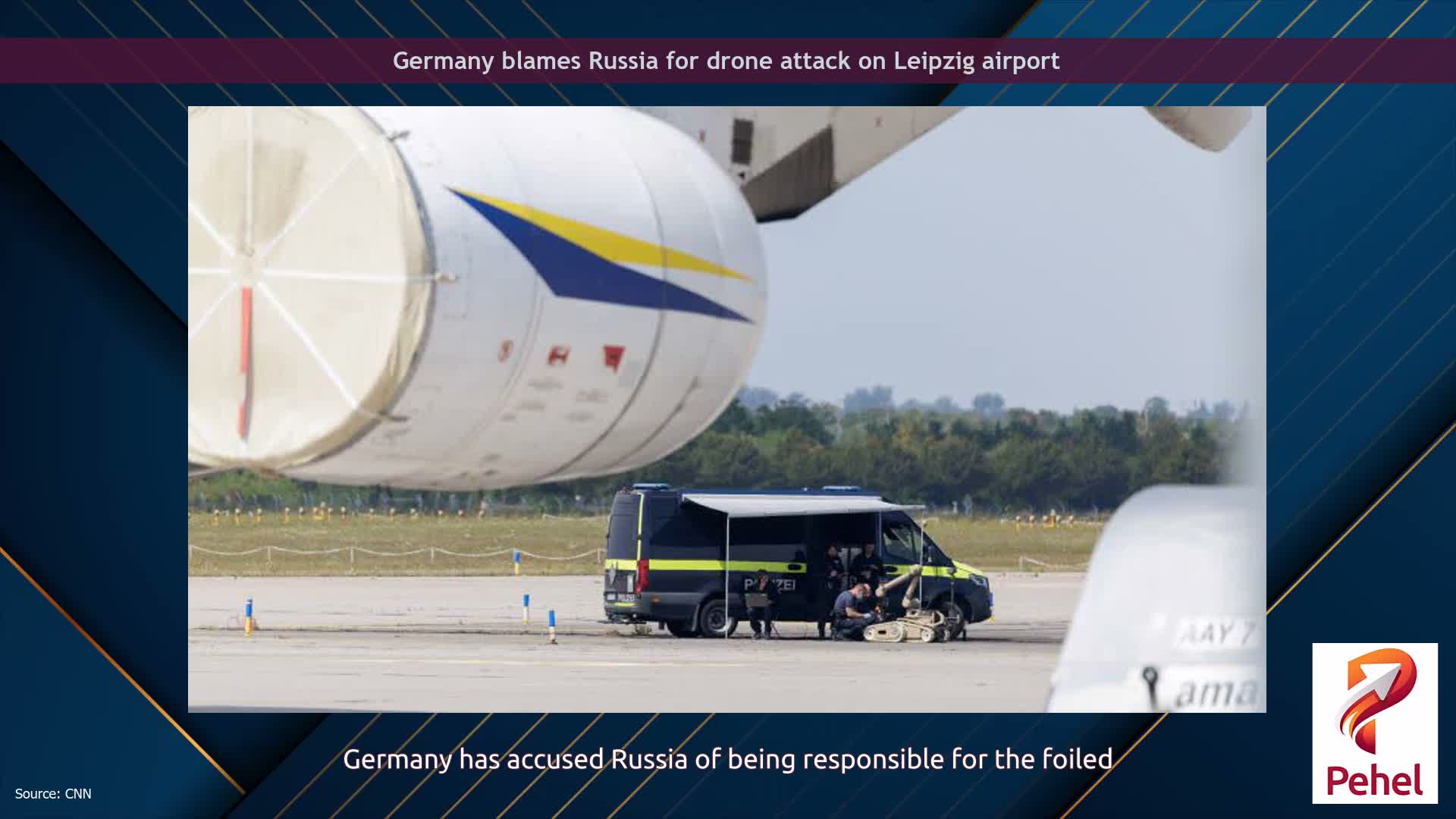
Estonia has, in the past year, observed Russian men in fatigues near its border. Denmark’s airports have been closed by unidentified drones in their airspace. Oslo is intermittently concerned that the tiny Russian settlement of Barentsburg on Norway’s Svalbard archipelago might seek to become something bigger. Could Putin’s decision to issue Russian passports to residents of the breakaway region of Transnistria in Moldova become something more sinister?
The Catherine wheel of anxiety spins in the largest military alliance in history, with some justification. After Putin’s ill-fated and misinformed decision to invade Ukraine in 2022 – made under poor intelligence assessments, with a military woefully unable to match its third-in-the-world billing – it would be unwise to conclude he can’t succumb to very bad ideas. And Russia’s true position – and with it Putin’s dilemma – can be visualized in a split screen of competing perspectives.
On the left side is an image of weakness. Moscow is in an entirely different position, geopolitically, internally and militarily, than it was in February 2022. The luxury of error is no longer afforded it – a hydrocarbon power importing gasoline because its refineries have been slammed by Ukrainian drones, burning through its currency reserves to prop up the impact of the war, and emptying its prisons to fill the manpower gap on Ukraine’s front lines. It has become effectively a vassal state to Beijing; it needs practical military help from North Korea and Iran. The Kremlin is prioritizing air defenses to protect its very walls. The picture is indisputably poor.
On the right side of the screen, conversely, is an image of Russian readiness. Factories are repurposed to constantly feed the war machine. Schoolchildren meet veterans from the savage fight in Ukraine. State TV has been subsumed by the propaganda effort for years. The conflict is dominating daily life in Russia in a fashion not seen for decades, while most citizens of NATO states feel it remains a relatively distant problem, straining their budgets, but not their fighting-age male population.
In this climate, a wider conflict, with NATO – the enemy Putin has always railed against – could both explain Moscow’s slow slide into stalemate in Ukraine and help justify a wider war, or even full-scale mobilization inside Russia. Putin could finally claim he is waging the existential battle of the post-Soviet world, rather than a faltering bid to invade a smaller neighbor. While NATO members are still bickering about how much their defense budgets should be in the coming years, Russia currently spends possibly 7% of its GDP and maybe half of its state budget on the war.
The contrarian argument is that now is the perfect time for Russia to test NATO – when Russia is ready, US Donald President Trump routinely dumps on the defensive alliance, and Europe’s finances are still exhausted from COVID. But Moscow’s options are few, and the epithet from the start of the war – that a weak and losing Russia can not suddenly also be a hundred feet tall – remains.
Practical limitations do not evaporate, even for an autocrat believed to spend much of his time isolated in a bunker. Major attacks on Kyiv have for months come every 10 to 15 days – although recently picked up pace – indicating Russia has limits on munitions, or can’t produce new targets fast enough to strike more frequently. The pace of the Russian advance on the front lines has slowed to a crawl, with Putin often resorting to announcing entirely fictional gains, most recently his Ministry of Defense’s claim to have taken the heavily contested Donbas town of Kostyantynivka. Ukraine’s President Volodymyr Zelensky immediately called Putin’s bluff and offered to meet him there to talk peace.
The Institute for the Study of War, a US-based think tank, suggested the Kremlin announcements were intended to convince the White House that Moscow is advancing, and influence any resumption of diplomacy. But claiming a false win is weakness personified.
And so the dilemma lies in whether Putin feels safer fighting the war he is not winning now against Ukraine, or the one he can justify losing against NATO.
The time may have passed for the Kremlin to consider the White House ambivalent as to the fate of Europe.
Despite the public vacillation displayed by Trump and his Pentagon chief, Pete Hegseth, it is clear Secretary of State Marco Rubio’s more traditionalist tenets of Republican foreign policy hold sway as the midterms approach. The recent debacle over the US’ desire to acquire Greenland has left Europe also seized with the need to shape its own defensce, yet another wrinkle for Moscow.
It is unlikely Moscow would seek to pressure NATO by utilizing its nuclear arms. This would no doubt engender American and even Chinese fury. And it also runs the risk of these doomsday devices not performing as planned. It is a threat perhaps most powerful when left unused.
And so the trick for Putin will likely be to try to find a mechanism to disrupt and upset, without forcing a conventional test of transatlantic resolve.
The past decade is littered with Russian attempts to intimidate in such a way they provide ample room to maneuver for those in the West reluctant to respond in full-scale conflict. From the use of the nerve agent Novichok in the English city of Salisbury to suspected spy ships loitering over undersea cables to alleged electoral interference, Moscow has long been exploring how far it can push the West without triggering another major conflict.
Putin’s major advantage as a leader is longevity. He is not challenged by the four-year cycle of fully democratic elections that leave his Western opponents in search of quick solutions. He can wait out this current cycle of NATO leaders, battlefield setbacks, and Ukrainian technological superiority.
Putin is not immune to time and one day his rule will end. He just may be smart enough to not expedite that moment, by escalating a fight he is losing.