News of the damage must surely have found its way into the most isolated of bunkers.
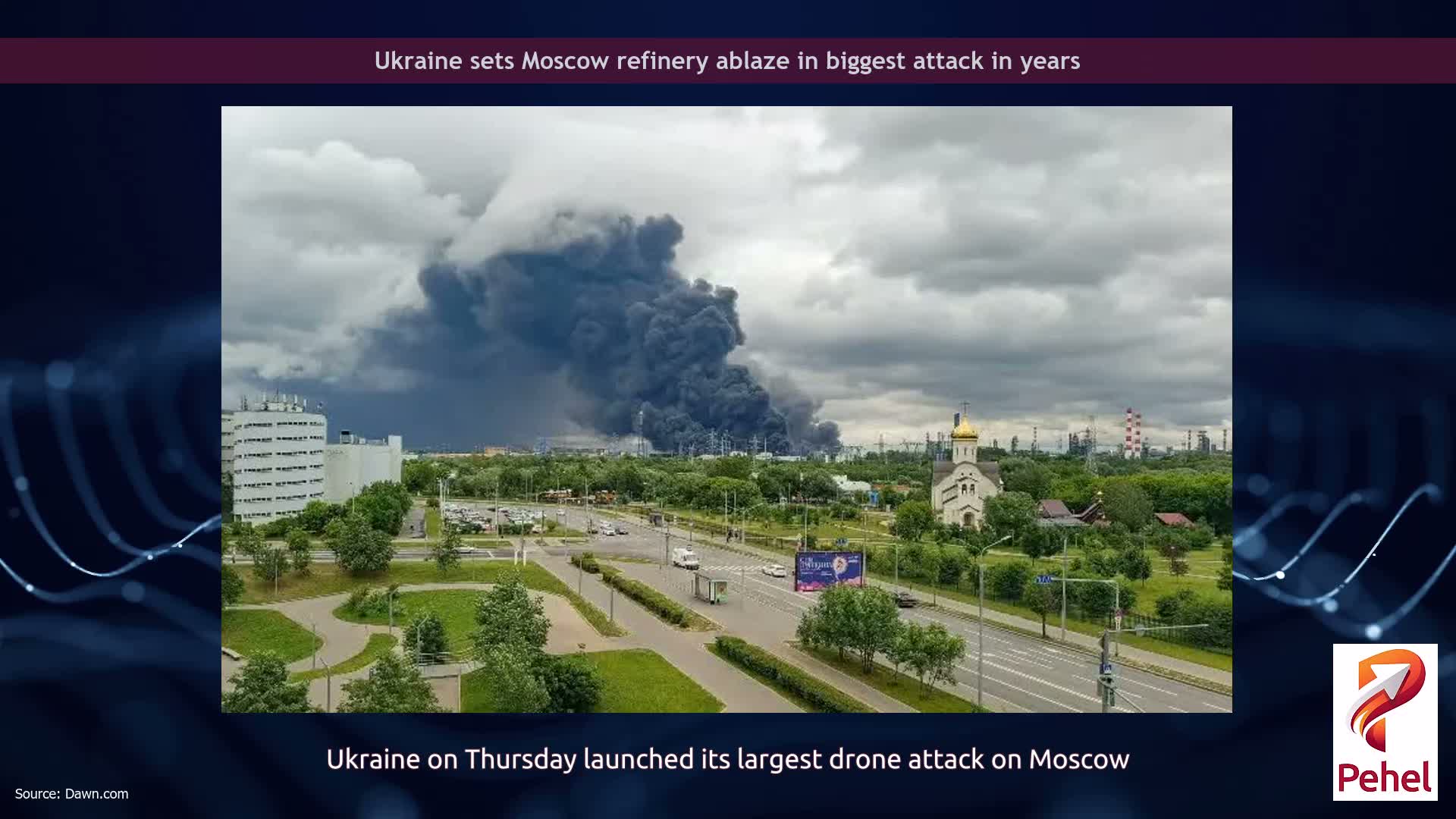
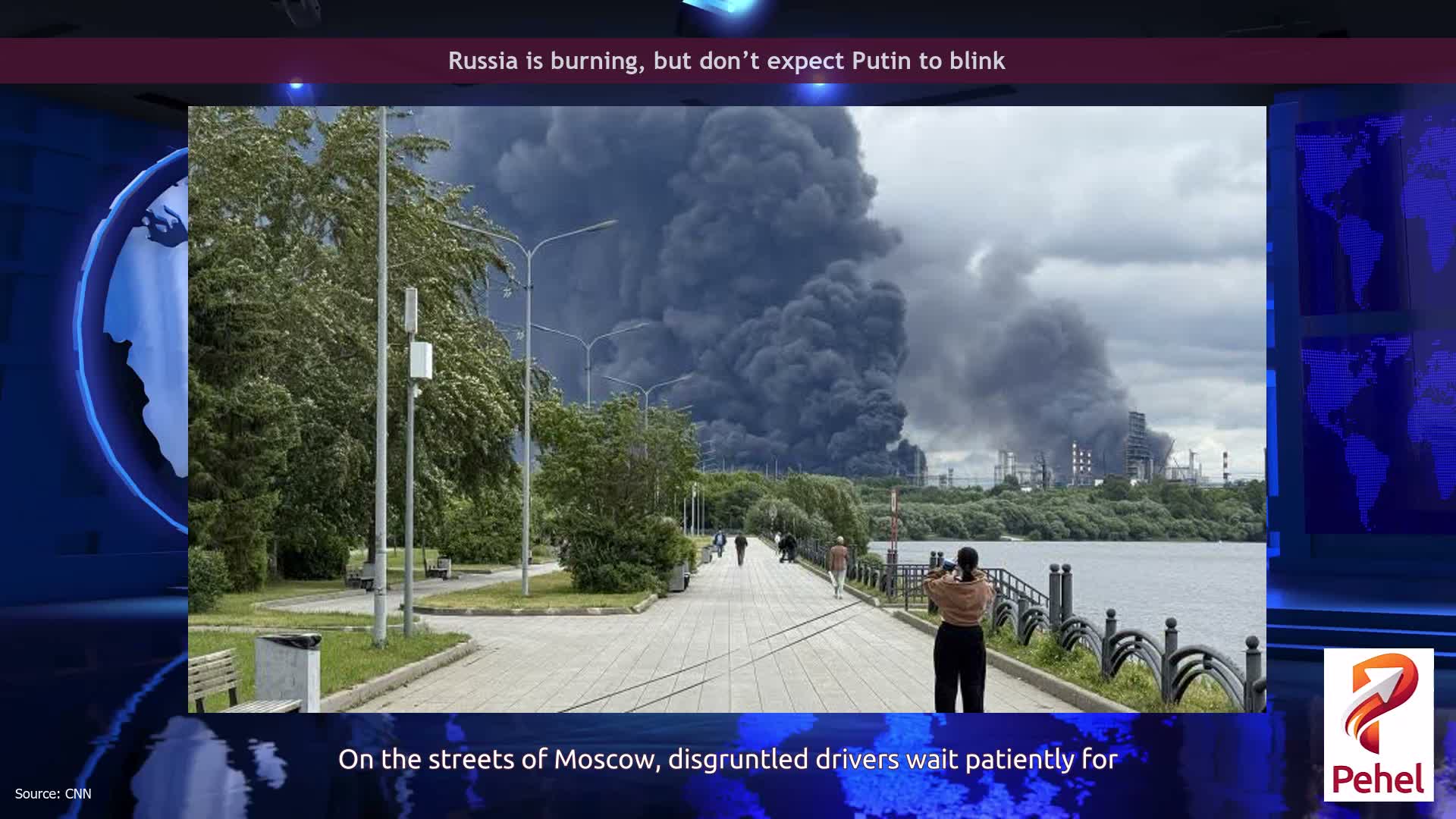
Russian President Vladimir Putin has been accused of secluding himself from the deteriorating realities of his invasion of Ukraine. But the staggering images from Moscow’s skyline on Thursday surely mark a moment when even the thickest levels of insulation around the Kremlin head cannot shield him from the sound of repeated blasts just 10 miles away that obliterated refineries leading to thick black smoke wafting over Russia’s capital.
Videos posted by Russians to social media tell two stories. First, of air defenses in the capital – all apparent three rings of them – pierced by cheap, mass-produced drones that Ukraine was once on the bitter receiving end of but now fires back nightly at Russia. A refinery lid blown clean off. Multiple fires raging 10 miles from the Kremlin itself. An environmental disaster surely unfolding. The damage itself will impact fuel supplies, perhaps leading to gas station queues in a city the Kremlin has fought long and hard to protect from the consequences of war.
The second is one of widening discontent in Moscow’s population and the political instability that can bring. The relentless posting of videos the Russian authorities have tried to limit shows growing dissent, and message management that has ultimately faltered. Since a tiny drone hit the Kremlin in May 2023, Moscow’s skyline has been troubled by Ukraine, even causing last month’s Victory Day parade to be scaled back dramatically. Thursday’s cacophony of startling videos – with Ukrainian drones arriving in waves over the flames to follow up on strike after strike – marks a global moment of clarity, in which the Kremlin is truly struggling.
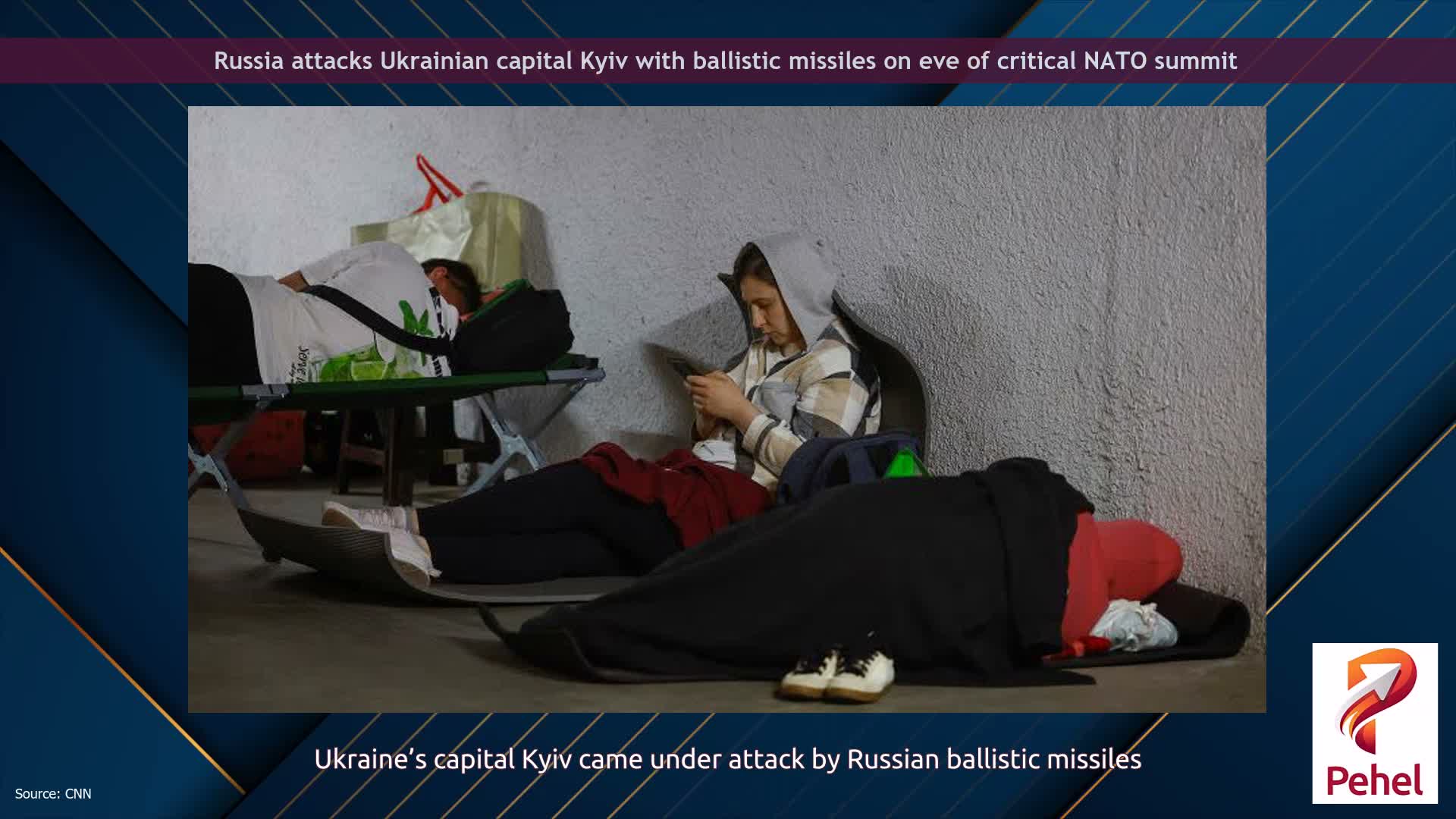
Ukraine’s President Volodymyr Zelensky called the attacks a response to Russia’s relentless nightly bombardment, which on Monday included Kyiv’s oldest and holiest church complex. Zelensky appears to have emerged yet further emboldened by the G7 meeting in Evian, where President Trump expressed both indifference to and support for Ukraine’s plight.
Zelensky appears to have dialed down his expectations from Trump to zero. However, he emerged with one key thing he’d sought: the suggestion – opaque still – that Ukraine might be able to mass-produce under license the air defense systems and missiles that the US and Europe make, are running out of, and are slow to replace. It suggests the most transactional of relationships – in which Kyiv, in order to survive, might build the weapons NATO’s factories are basically too slow and expensive to make – and shows Ukraine has cards to spare.
It is unclear from Trump’s vacillating mood at the G7 whether he still has the appetite to pursue peace. Even he must see the Kremlin has thus far snubbed.
The Europeans have held out some hope that an envoy from what Italy’s Prime Minister Giorgia Meloni referred to as a “middle power” might foment talks again. The UK, France and Germany released a statement 11 days ago reiterating their long-held starting point for a deal – including the original non-starter for Moscow of a unilateral ceasefire.
Hope appears to spring eternal that Putin might seek some sort of off-ramp, given his dire stalemate on the battlefield and struggle defending Russian airspace. Indeed, he has made some opaque utterances suggesting a rethink: that a deal and the capture of all the Donbas are not “mutually exclusive” ideas (whatever that means), that the war will end one day soon, and that he might welcome former German Chancellor Gerhard Schroeder as a mediator with Europe. However, even when Putin acknowledged the economic damage of Ukrainian strikes last week, his response was to suggest more retaliation.
As videos emerge of blackened rain falling on Moscow’s cars, the decision on the direction of the war falls again to its progenitor: Putin. It is perhaps optimistic to think he will opt for diplomacy, and the winding down of a conflict that western intelligence says has killed half a million of his countrymen, to seize a part of Ukraine that equates to about 0.7% of Russia’s own vast size.
Putin’s choices have been poor through the war: from believing it would take a matter of weeks to grab Kyiv; to trusting his military that their supply lines would hold through the Russian collapse in late 2022; to permitting the waste of manpower through the 2023-4 “meatgrinder” assaults in the Donbas which have left even huge Russia with recruitment issues; to believing Donald Trump could – through rounds of flattery and cajoling – somehow deliver useful concessions from Kyiv.
Over decades, Putin has conjured the image of an unflappable, precise policy master. The scale of the disaster outside his walls - and on the distant frontline, where mid-range strikes by Ukraine daily rattle Russia’s supply lines and cause fuel shortages in occupied Crimea – must surely penetrate his decision making. But that may not spell an immediate plea for resolution – perhaps the opposite.
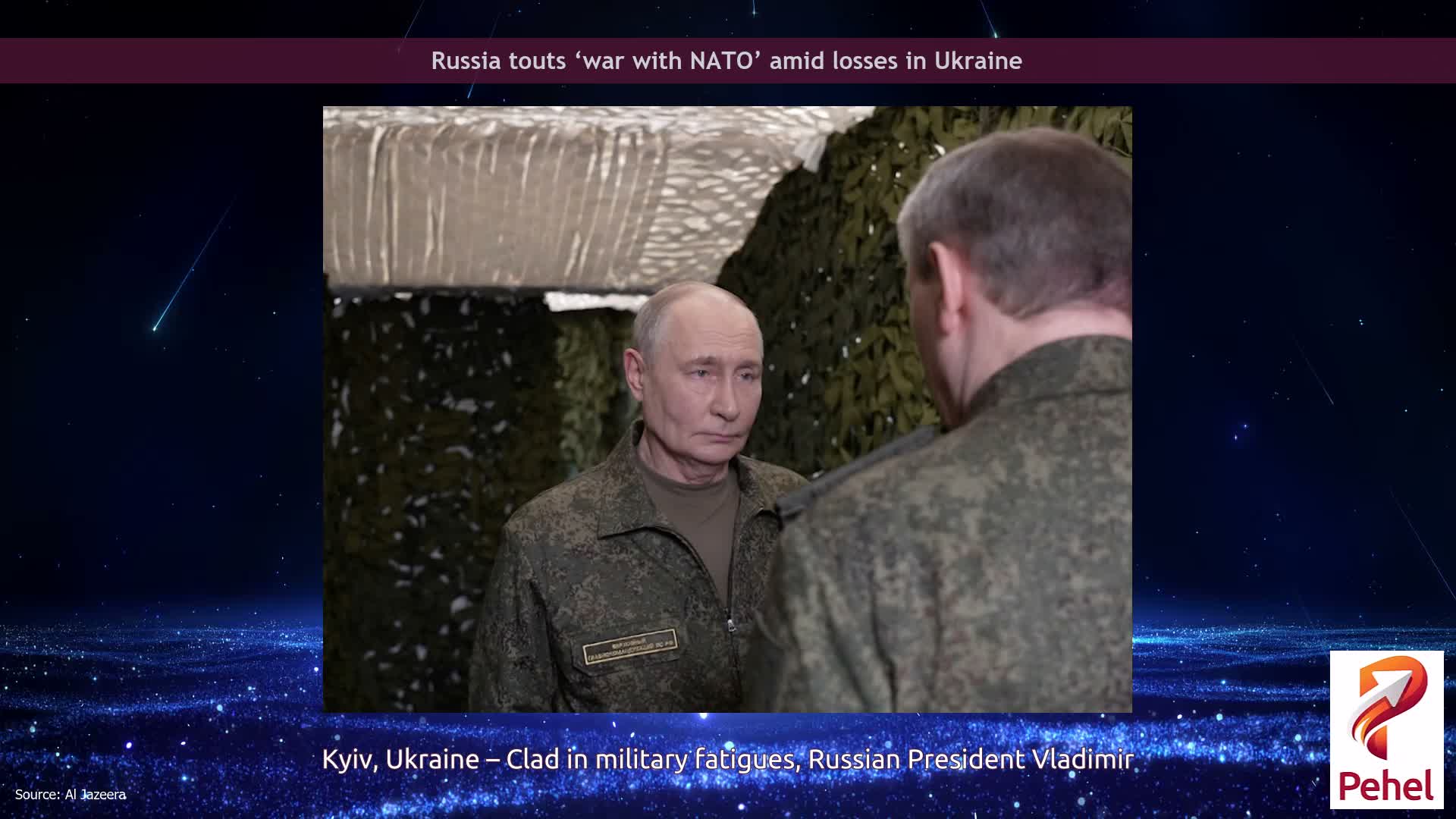
This is a moment where Putin can’t afford to project weakness. This is his war, and it will decide his fate, both in the years ahead and in history. His frontline troubles are palpable, but he may convince himself this is another recoverable dip in the war’s fortunes - that soon Russia will match Ukraine’s drone proficiencies and improve the pace at which it grabs territory.
It is domestically where Putin is suffering most perilously. Last week he was forced to admit the economic damage done by Ukrainian strikes, accept territory is not being taken as fast as he wants, and to endure mounting discontent over internet shutdowns. These are all admissions of reality, from a Kremlin whose war effort has rarely accepted anything short of total victory.
There are few obvious, practical avenues through which Putin can escalate the conflict and not worsen the challenges ahead of him. Hitting eastern NATO states – as some have warned – would be a huge gamble, when his military is struggling to dominate a smaller neighbor. The use of tactical nuclear weapons – a long-held background anxiety of some analysts – risks the fury of the United States, Europe and possibly even China, to little strategic gain. (A display of power would buy Putin little, if the consequences were horrific). And Russia is hitting Ukraine with everything it has already – the use of the frightening Oreshnik ballistic missile limited by its own inventories.
Major political change has come in Russia after previous failed wars. Leading Moscow daily Moskovsky Komsomolets warned last month that “major geopolitical losses were sometimes more useful than brilliant victories.” Russia’s departure from World War 1 led to a savage revolution; its loss in Afghanistan heralded the messy collapse of the Soviet Union; and Moscow levelled much of Grozny before giving Chechnya autonomy in 1996. Do not expect easy change, if - as seems unlikely - it comes.
Putin’s 26 years at the helm of Russia have – until recently – been marked by deft maneuvering, pragmatism, and outsized geopolitical heft. Not the dogged pursuit of military gain of the past four years. Moscow’s next move, as its skyline heaves with sooty smoke, must be to find a way to accept its weakness, and accommodate it, while not projecting anything other than strength. An almost impossible task almost, but in the system Putin has doggedly imposed on Russia, it falls to Putin alone.