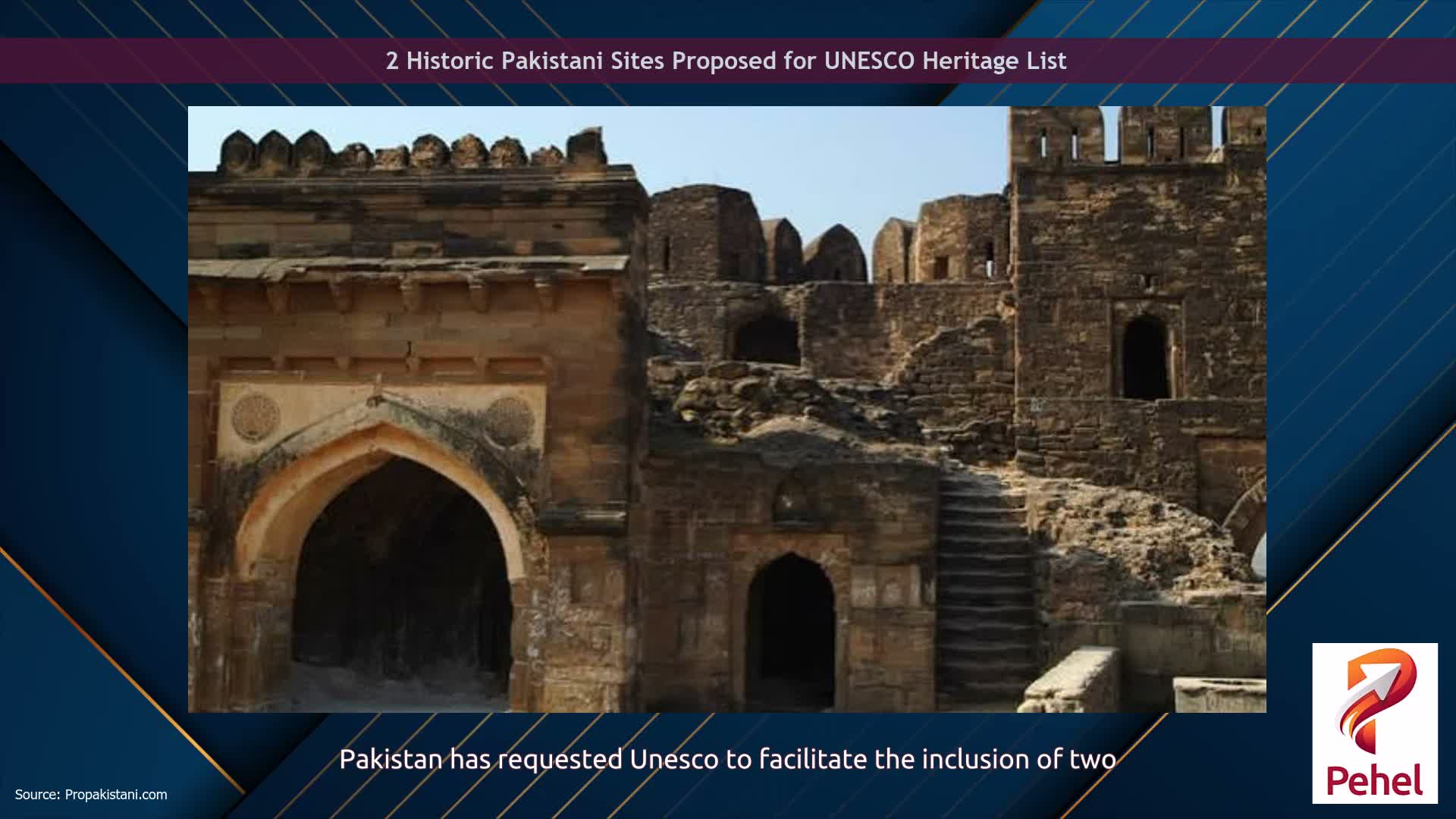
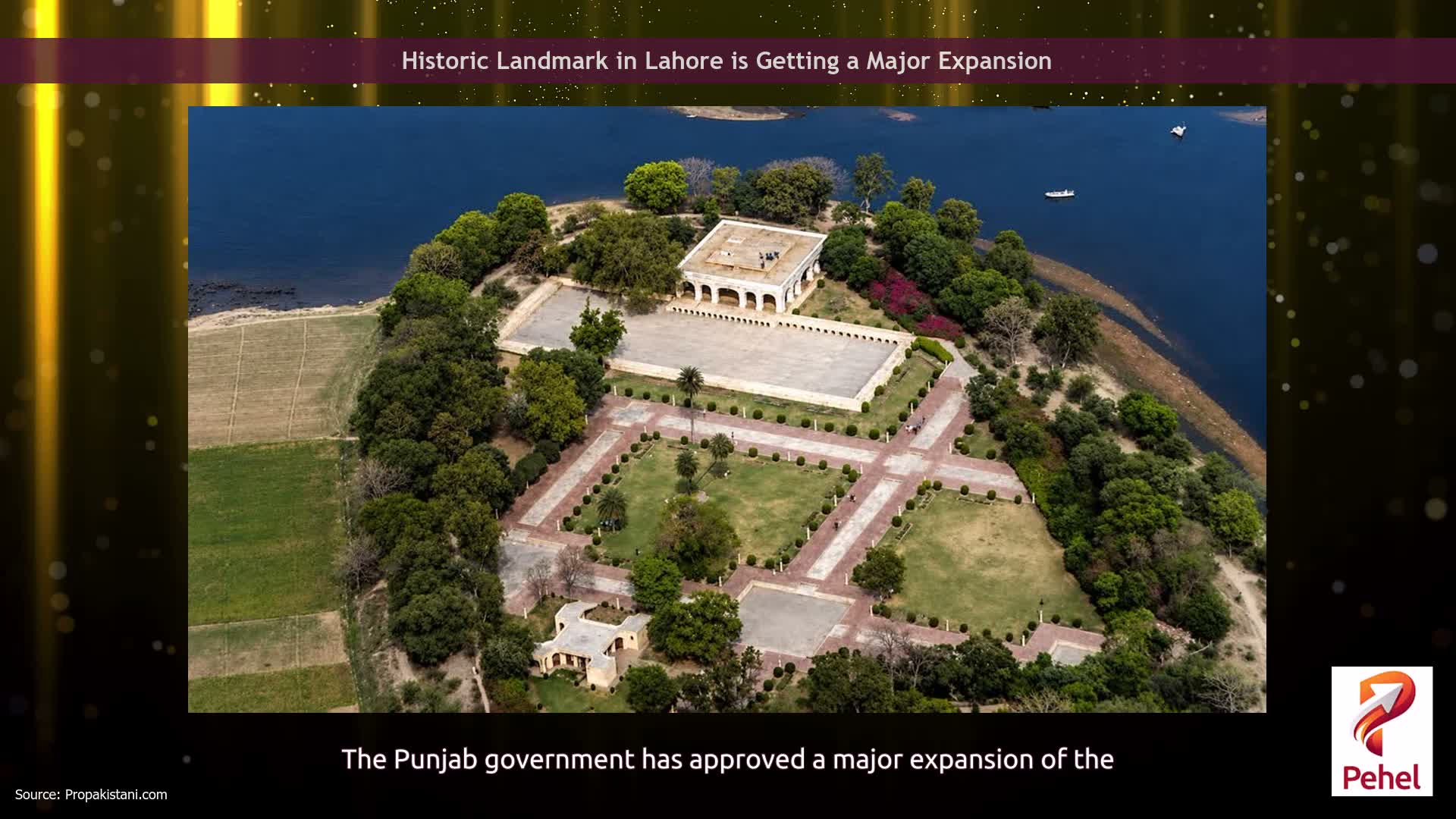
Pakistan has expanded its UNESCO World Heritage tentative list from 25 to 37 properties after adding 12 new cultural and heritage sites.
According to the Ministry of National Heritage and Culture Division, the new additions include the Archaeological Complex of Gor Khatri, Bazira-Barikot, Bhamala Buddhist Complex, Sethi House, Mai Qamro Mosque, Pharwala Fort, Rawat Fort, Tomb of Sultan Muqarrab Khan, Kot Diji Fort, Naukot Fort, Umerkot Fort and Kalasha Valley Cultural Landscape.
The additions were made in three phases this year. The Kalasha Valley Cultural Landscape was included on March 9, while Kot Diji, Naukot and Umerkot forts were added on March 18. The remaining eight sites were listed on May 11.
The ministry said the expansion reflects the government’s focus on documenting, conserving and promoting Pakistan’s cultural heritage. It said historic sites are being viewed as important assets for tourism, education, cultural diplomacy and sustainable economic growth.
Four of the newly added properties under the Federal Department of Archaeology and Museums, Pharwala Fort, Mai Qamro Mosque, Tomb of Sultan Muqarrab Khan and Rawat Fort, have been placed on the UNESCO tentative list for the first time.
Officials said the 12 sites represent the diversity of Pakistan’s heritage, ranging from ancient settlements and Gandharan Buddhist remains to Islamic architecture, historic forts and living indigenous traditions.
Five of the newly listed properties are located in Khyber Pakhtunkhwa. The Archaeological Complex of Gor Khatri reflects Peshawar’s long urban history and its role as a crossroads linking South Asia, Afghanistan and Central Asia.
Bazira-Barikot in Swat shows evidence of early settlement, urban development and successive cultural phases in the Gandhara region. The site is also linked to the historical context of Alexander the Great’s campaign.
The Bhamala Buddhist Complex in Haripur adds further depth to Pakistan’s Gandharan heritage, reflecting the growth of Buddhist culture and the interaction between local and Hellenistic artistic traditions.
The ministry said the inclusion of the Kalasha Valley Cultural Landscape broadens Pakistan’s heritage profile by highlighting living indigenous traditions alongside archaeological and architectural sites.
The Federal Department of Archaeology and Museums is also carrying out conservation and development work at Shah Allah Ditta Caves in Islamabad. The project aims to preserve the site and develop it as a cultural tourism destination with better visitor facilities and heritage interpretation.
Pakistan currently has six properties inscribed on the UNESCO World Heritage List. The expanded tentative list provides a larger pool of documented heritage for future nominations.
Meanwhile, preliminary assessment requests have been submitted to UNESCO for the Archaeological Site of Ranigat in Khyber Pakhtunkhwa and the Port of Banbhore in Sindh. Their nomination dossiers are expected to be prepared after completion of the assessment process.
The ministry said the expansion of the tentative list is an important step toward strengthening Pakistan’s global heritage profile and creating new opportunities for tourism, cultural diplomacy and future World Heritage nominations.
Get the latest news and stories wherever you prefer.
Add ProPakistani to Preferred Sources and see more of our stories in Google Search and Top Stories.
Shares