Sixteen years ago, Abdi Nor Iftin was a Somali refugee living in one of the roughest slums in Kenya when he found out he had won the lottery of a lifetime. Out of nearly eight million applicants in 2013, he had been one of the lucky 50000 granted a US visa through a scheme known as the diversity visa scheme that the US government had begun in the 1990s.
عبدي له ډېرې مودې راهیسې امریکا ته د تللو خوب درلود. He was so obsessed, his childhood friends even nicknamed him "Abdi America" after he learnt to speak English by watching Hollywood movies. "My whole life I have been in love with America - the best country in the world, the dreamland, the land of opportunity," he told the BBC in 2014.
That year, Abdi, now 41, arrived in the US, settled in a small town in Maine, got a job installing insulation and became a US citizen. But now, his hopes have run up against reality. He lost his job at a refugee resettlement agency this year, and consequently his health insurance.
On the eve of the United States' 250th birthday, Abdi, like many Americans, is feeing uneasy about the future of his country.
"I feel like the American Dream is alive, but not well," he told me.
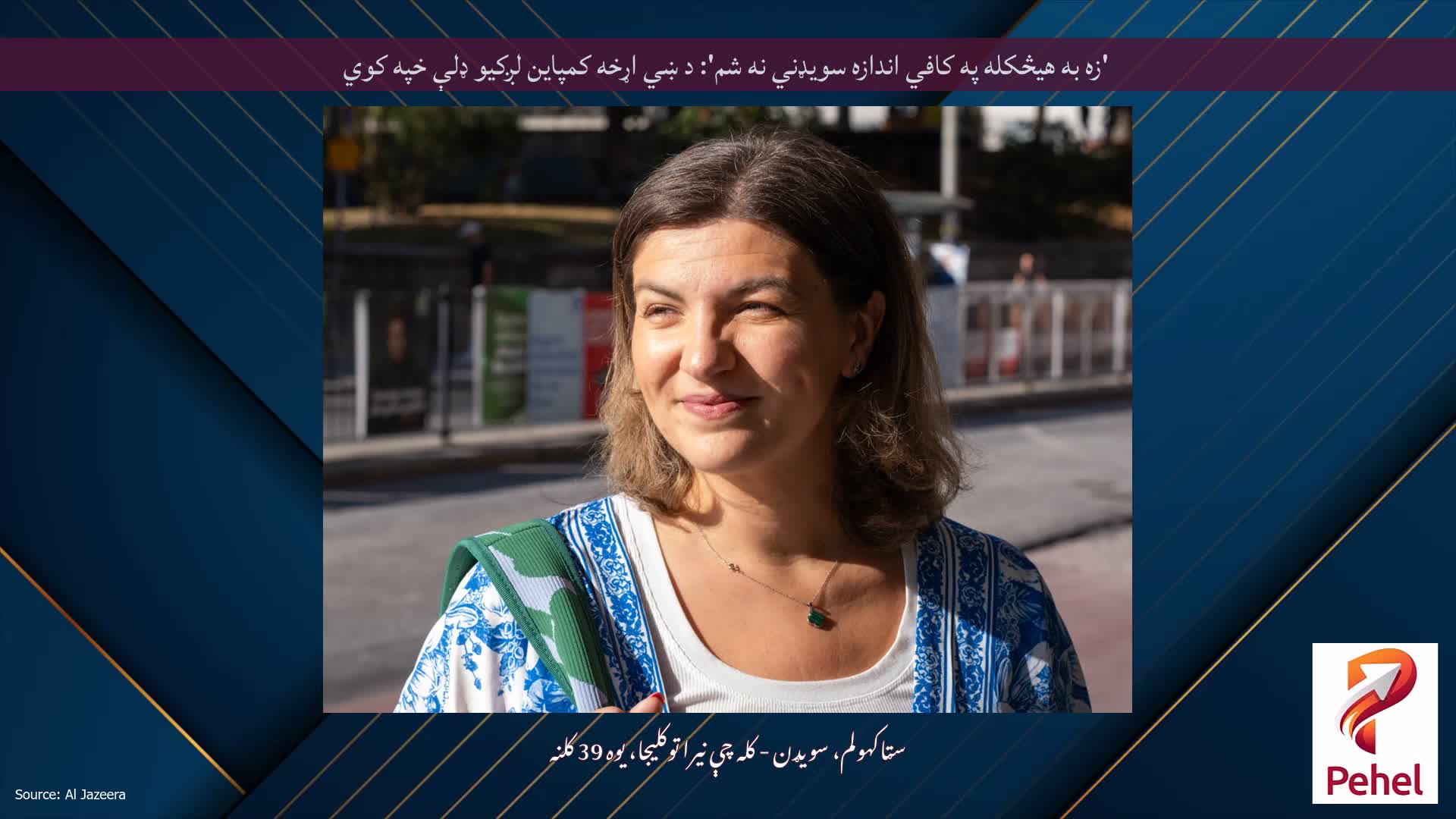
Meanwhile, Luke Mullen, a 24-year-old actor from California, told me he's planning on moving to Canada because of a lack of film opportunities in Hollywood, of all places.
"Wealth is getting consolidated in this country and as that happens, the opportunities are dwindling," he said.
Survey after survey taken ahead of the 250th anniversary of America's founding shows many Americans feel the "American Dream"- the promise that anyone in the United States can create a bright future for themselves - is fading.
A recent poll from the Associated Press-NORC found that only a third of the public believes the American Dream still exists. The sentiment is the same across many surveys. One recent study from the Pew Research Center, shows that most Americans say the country's best days are behind it.
America's 250th birthday also comes at a moment of deep polarisation and partisan divide.
So what does it mean if the Dream - a brand exported around the world in movies, music and pop culture - feels out of reach?
In those early days after the Revolutionary War and well into the 21st Century, what became known as the Dream enticed millions of immigrants to this shiny new nation full of hope, optimism and individualism. Factory workers, farmers, gold diggers, frontiersmen flocked to the US with the belief that they could create a new identity - an "American" - unshackled from the class systems of Europe.
Historians will tell you that the Dream never included everyone - certainly not Native Americans, slaves, or even women. Nevertheless, the idea of the American Dream persisted.
The concept of the American Dream dates back to the founding of the US, but the phrase wasn't popularised until later, in The Epic of America, a book published in 1931 during the Great Depression.
In it, the historian James Truslow Adams wrote: "It is not a dream of motor cars and high wages merely, but a dream of social order in which each man and each woman shall be able to attain to the fullest stature of which they are innately capable."
Over the years, the slogan has evolved. These days it's often associated with entrepreneurialism, social mobility and, above all, economic opportunity.
"It has always been about doing better in life than before," says Cyril Ghosh, author of The Politics of the American Dream: Democratic Inclusion in Contemporary American Political Culture. "For some people, the better in life is simply not being persecuted by the Church of England.
"It's not only about materialism. It's about security. It's about doing better than a previous station. That's what it's always been about."
Abdi had grown up in Somalia, hiding in dugouts to avoid getting shot by the militant group al-Shabab.
"Freedom was a huge priority. Living the next day, breathing next day, was a big, big issue, and I really wanted that," he said, explaining why he had wanted to move to the US.
Researchers say first-generation immigrants, like Abdi, are often more upbeat about the potential of America.
"Many are coming from less wealthy nations. And so they really are going to end up doing better than if they had not emigrated," says Elizabeth Suhay, author of Debating the American Dream: How Explanations for Inequality Polarize Politics. Error 500 (Server Error)!!1500.That’s an error.There was an error. Please try again later.That’s all we know. د اقتصادي کثرت دا مفکوره په 1950 لسیزه کې د WWII وروسته بوم سره خپره شوه، شاید د یوې کورنۍ د کورونو د ودې له لارې چې د سپینو کټارو کټارو سره سینګار شوي غوره سمبول و. غوش وايي، خوب په ځانګړې توګه په سیاسي بیاناتو کې مشهور شو، د 60 لسیزې په نیمایي کې د مدني حقونو غورځنګ او د کډوالۍ پراخو پالیسیو سره.
"It is a core part of America," said Suhay. "تقریبا هرڅوک موافق دي چې دا یو مهم ایډیال دی. مګر ... موږ په دې اړه لوی بحثونه لرو چې ایا متحده ایالات واقعیا د امریکا خوب وړاندې کوي که نه."
So when did the Dream start to fade?
د خوب کمیدل شاوخوا 50 کاله دمخه پیل شوي ، په 1970s کې پیل شوي ، د نړیوال کیدو او مزد له رکود سره ، د مارک رینک په وینا ، د امریکایی خوب د تعقیب شریک لیکوال: پوهیدل چې زموږ بخت ته څه شکل ورکوي.
هغه وویل: "د امریکا خوب ته رسیدل خورا سخت شوي - د اقتصادي معاملې دا نظر چې که تاسو سخت کار وکړئ او تاسو د قواعدو سره لوبې وکړئ ، تاسو باید یو ښه او هوسا اقتصادي ژوند ولرئ." هغه وايي: "د هر نسل په اقتصادي لحاظ د تیرو نسلونو په پرتله دا مفکوره د امریکا د خوب یوه مهمه برخه ده. او دا د 1970 کلونو پورې قضیه وه."
And experts say that in the subsequent years, the Dream began to experience a prolonged decline as socioeconomic inequality increased.
بیا، ځینې ماهرین وايي، یو بل مهم ټکی و: د 2008 مالي بحران او وروسته شاکونه چې د کور مالکیت او د کار ثبات په زیاتیدونکې توګه د لاسرسي څخه بهر وو.
And many Americans never recovered that economic optimism. Despite this, American wages remain much higher than ones in the UK, and across much of Europe.
Irrespective, wide partisan divides persist over whether the Dream is achievable. Surveys show more Republicans still appear to hold the faith, as do older Americans. Young adults seem particularly cynical. One poll found only a fifth of adults aged 18-29, people like Luke, think the Dream remains a possibility.
That being said, the Dream has never been entirely about financial success. For many, it's a dream of freedom and individual rights that trace back to America's founding documents, such as the Bill of Rights.
او په دې رګ کې، دا د یادولو وړ ده چې ډیری تور امریکایان له اوږدې مودې راهیسې فکر کوي چې خوب د بنسټ ایښودونکو پلرونو له لوړ بیاناتو څخه جوړ شوی افسانه وه چې د امریکا د غلامۍ او جلا کیدو واقعیت سره سمون نه درلود.
مارتین لوتر کینګ جونیر د خوب په اړه د ټول هیواد د نا امیدۍ له پیل څخه ډیر دمخه امریکا د "شیزوفرینیک شخصیت" په توګه بیان کړه.
"In a real sense America is essentially a dream - a dream yet unfulfilled," he said in a 1960 address in North Carolina. "Slavery and segregation have been strange paradoxes in a nation founded on the principle that all men are created equal."
Reniqua Allen-Lamphere، یوه لیکواله چې د خوب په اړه یې د تور چلند په اړه څیړنه کړې، دا مفکوره د امریکا د "تر ټولو پایښت لرونکې افسانې" په توګه بیان کړه.
هغې ماته وویل: "تور خلک د امریکایی خوب سره یو څه خپلې تجربې لري ځکه چې د دوی ډیره تجربه د لفظي آزادۍ لپاره مبارزه کوي." And, yet she added "the American Dream is a part of me - that hope for a better day, even though I find it hard. I find it really hard."
یو نوګ چې ما ته څرګند شو کله چې ما په تیرو څو میاشتو کې د ټولو بیلابیلو نظر پوښتنو له لارې کیندل هغه سروې وه چې د ټایمز لخوا ترسره شوې وه چې وړاندیز یې وکړ، سره له دې چې پدې شیبه کې د خوب په اړه د ټولیز نا امیدۍ سره سره، "د نظر پوښتنې 61٪ ځواب ویونکو وویل چې دوی په مفهوم باور لري".
برانډن پیټي، د فلوریډا په سینټ جان کاونټي کې 44 کلن کلرک او کنټرولر او د بحري ریزرو قوماندان، یو داسې امریکایی دی چې په لیوالتیا باور لري چې خوب ژوندی او کار کوي. "I'm just honoured to kind of be a part of it," he told me. "Even just by God's grace, being born here, and being a part of American experiment".
"کله چې زه د 'امریکایي خوب' جمله واورم، دا زما لپاره معنی لري چې فرصتونه بې حده دي - دا چې په امریکا کې، تاسو کولی شئ له هیڅ شی څخه لاړ شئ او خپله لاره ومومئ ... دا هغه څه دي چې د یو امریکایی په توګه په ډیرو لارو کې داخلي دي."
Brandon was the first in his family to graduate from college, the first in his generation to graduate from high school.
"I'm 44 now, and, candidly, I'm living it," he said, he said of the Dream.
ګونزالو شوارز، د آرچبریج انسټیټیوټ رییس او اجراییه رییس، د عامه پالیسۍ فکري ټانک، موافق دی چې دا مهمه ده چې په امریکا کې د ژوند مثبتو اړخونو تمرکز وکړي. The Archbridge Institute's own polling found that majorities across various demographic groups agree that the American Dream is alive and well. سازمان وايي دا ځکه چې دا یو مختلف میتودولوژي لري او د ډیری نورو ټولپوښتنو په پرتله ډیرې مستقیمې پوښتنې کوي، کوم چې دا په فطرت کې ډیر مفهوم لري.
شوارز وايي: "که موږ یوازې په منفي اړخونو او د هغو خلکو په برخه تمرکز وکړو چې باور لري خوب له لاسرسۍ څخه بهر دی، موږ د امریکایی خوب له منځه تللو خطر د ځان د پوره کولو وړاندوینه کوو." "We should step back, take a longer-term view, and be inspired to rekindle the American Dream as a beacon of hope for America's next 250 years."
For Mark Rank, the sociologist who's written about this, the Dream, even if more conditional than before, is still alive.
"If you say it's no longer alive... You have ripped out a key component of America's identity," he says. "زه فکر کوم چې د دې په اړه پوښتنې شتون لري، او د دې په اړه ناڅرګندتیا شتون لري." مګر هغه طریقه چې هغه ورته ګوري - د امریکا د خوشبینۍ په روحیه کې، دا پوښتنې یو فرصت دی چې بیا فکر وکړي امریکا څنګه ډاډ ترلاسه کولی شي چې خوب د راتلونکو 250 کلونو لپاره د هرچا لپاره د لاسرسي وړ پاتې کیږي.
په مین کې بیرته، عبدي وویل، د هغه ورور حسن، چې د ویزې د محدودیتونو له امله امریکا ته مهاجرت نشي کولی، په دې وروستیو کې د کاناډا تابعیت ترلاسه کړ. "My brother says they have better healthcare," he tells me with a laugh.
Despite the setbacks, Abdi says if he had to do it all over, he would still choose the US. "زه فکر کوم چې دا زما لومړۍ مینه ده."
د امریکا د 250 کلیزې په اړه د ګلوبل کیسه پوډکاسټ لړۍ پاتې برخه دلته واورئ
د BBC InDepth د غوره تحلیلونو لپاره په ویب پاڼه او ایپ کې کور دی، د تازه لیدونو سره چې د ورځې ترټولو لوی مسلو په اړه انګیرنې او ژور راپور ورکول ننګوي. Emma Barnett and John Simpson bring their pick of the most thought-provoking deep reads and analysis, every Saturday. دلته د خبرپاڼې لپاره لاسلیک وکړئ