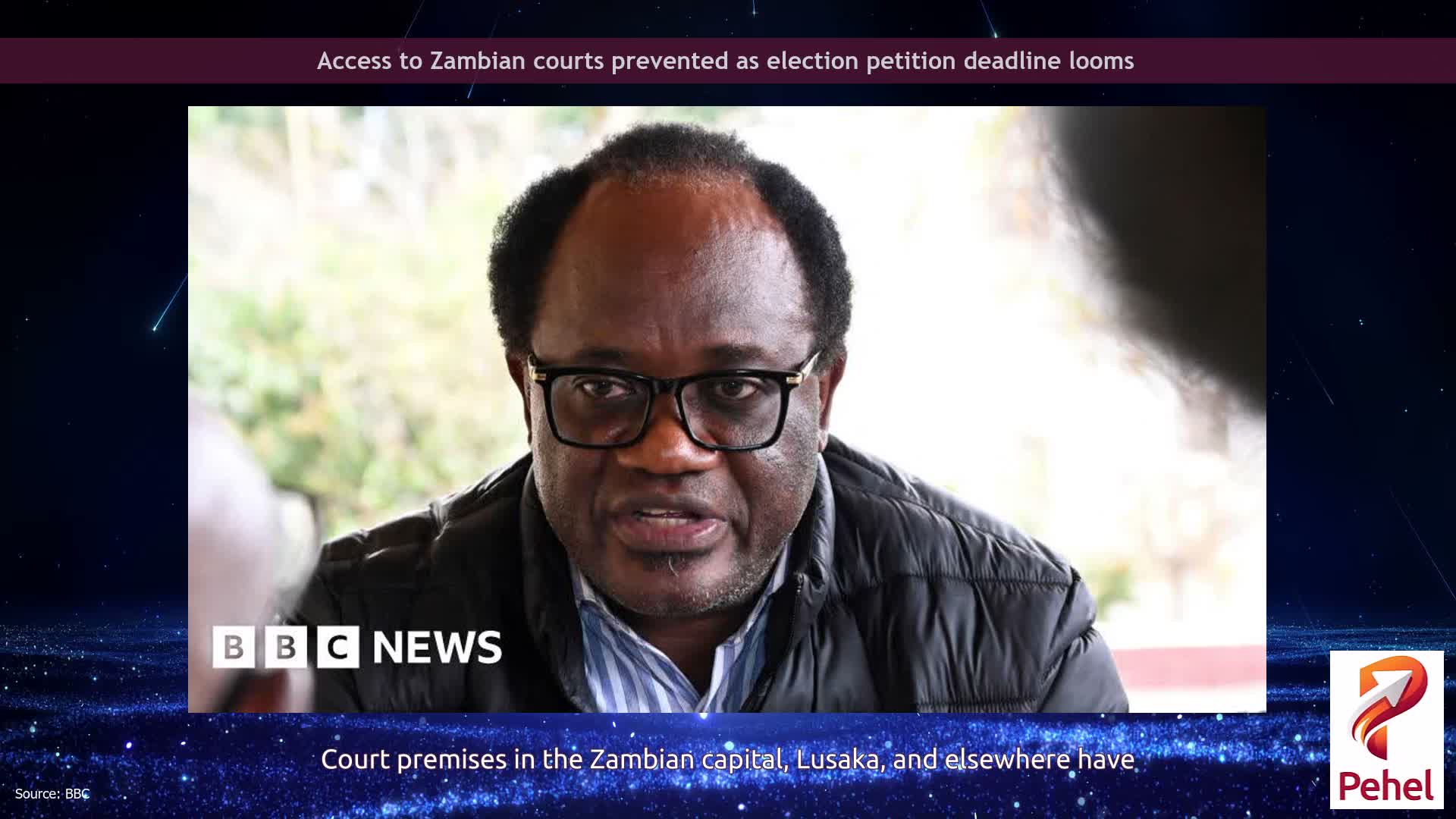
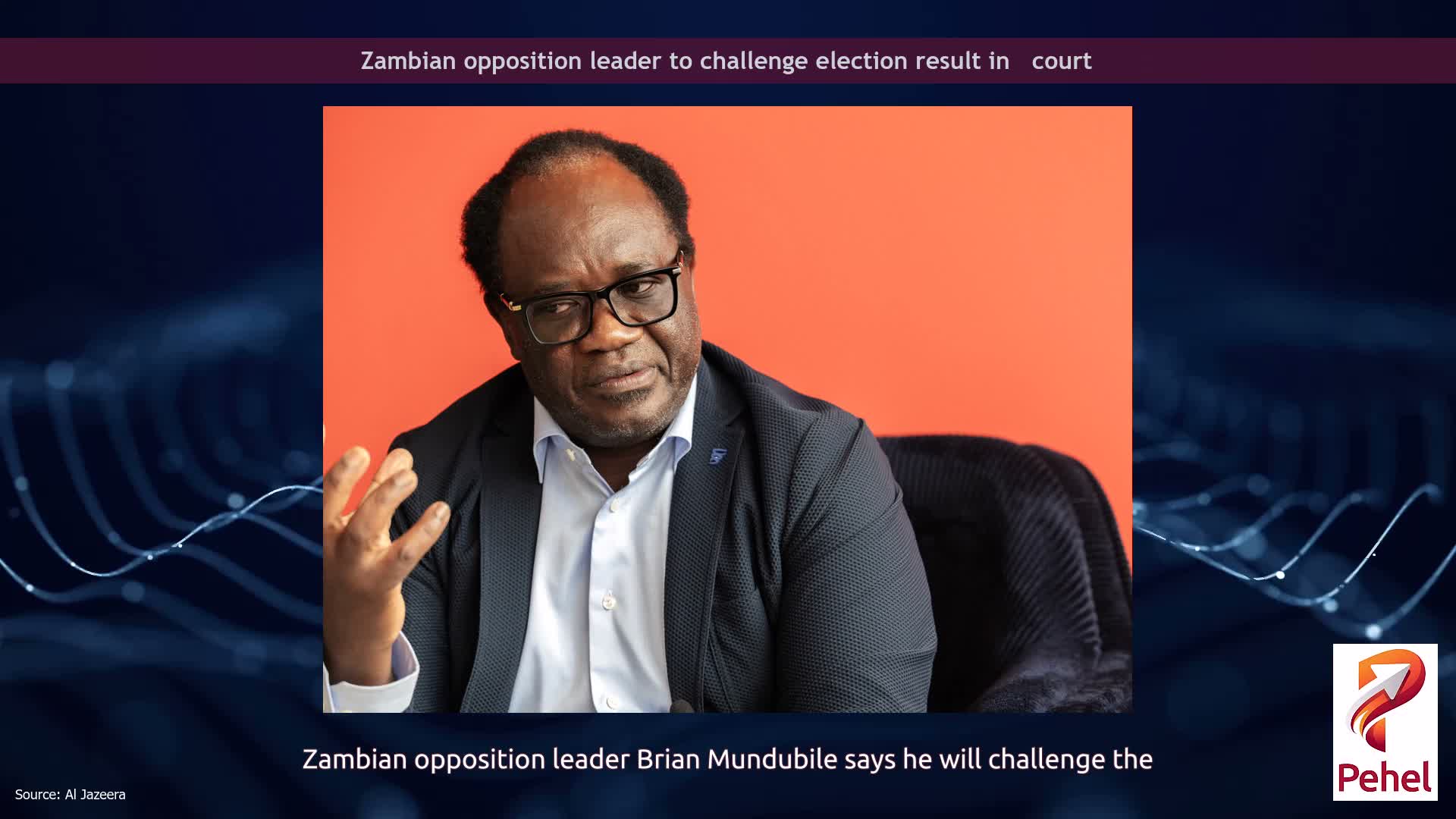
Zambia’s main opposition leader Brian Mundubile, who was runner-up in this month’s disputed presidential election, is being questioned by police over alleged treason.
Mundubile and his running mate, Makebi Zulu, are in police custody after being questioned “in connection with an alleged offence of treason”, the Zambia Police Service said on Thursday.
Zambian state media said Mundubile surrendered to police in Lusaka on August 27, after spending two weeks at an international human rights organisation, where he sought safety after a police raid at his home the day after the country’s August 13 elections.
The two were interviewed by a team of police officers alongside their lawyers. Police did not immediately provide further details of the allegations underpinning the treason investigation. They said that “warn and caution” statements had been recorded, a step typically preceding formal charges.
Treason is a serious offence in Zambia and carries severe penalties upon conviction.
The developments follow an escalation from two weeks ago, during which former cabinet minister Mutotwe Kafwaya was shot and killed during the police crackdown in which 11 people were arrested at Mundubile’s home.
Police said the group were involved in alleged insurrection or militia activity, an accusation Mundubile has denied.
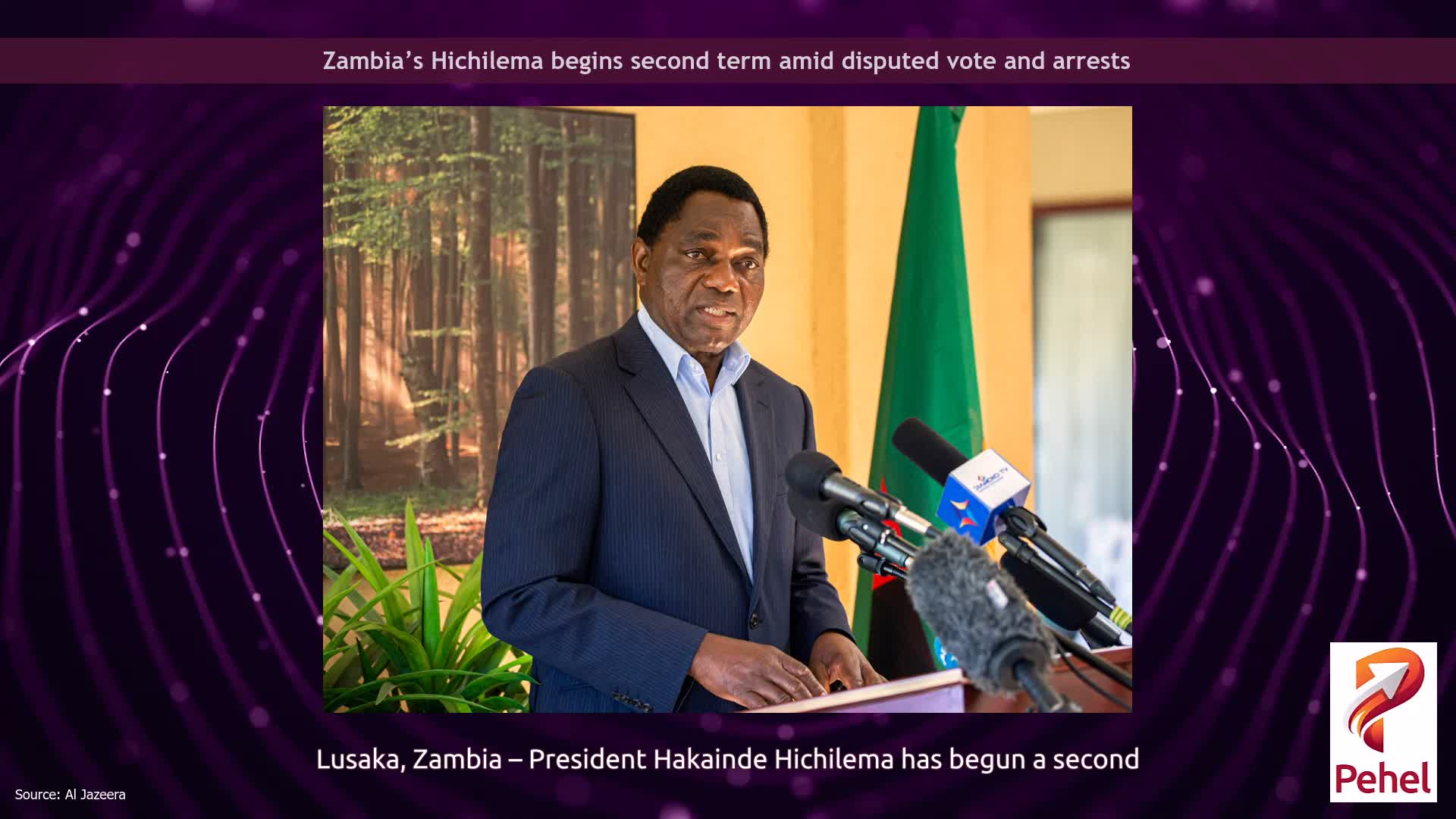
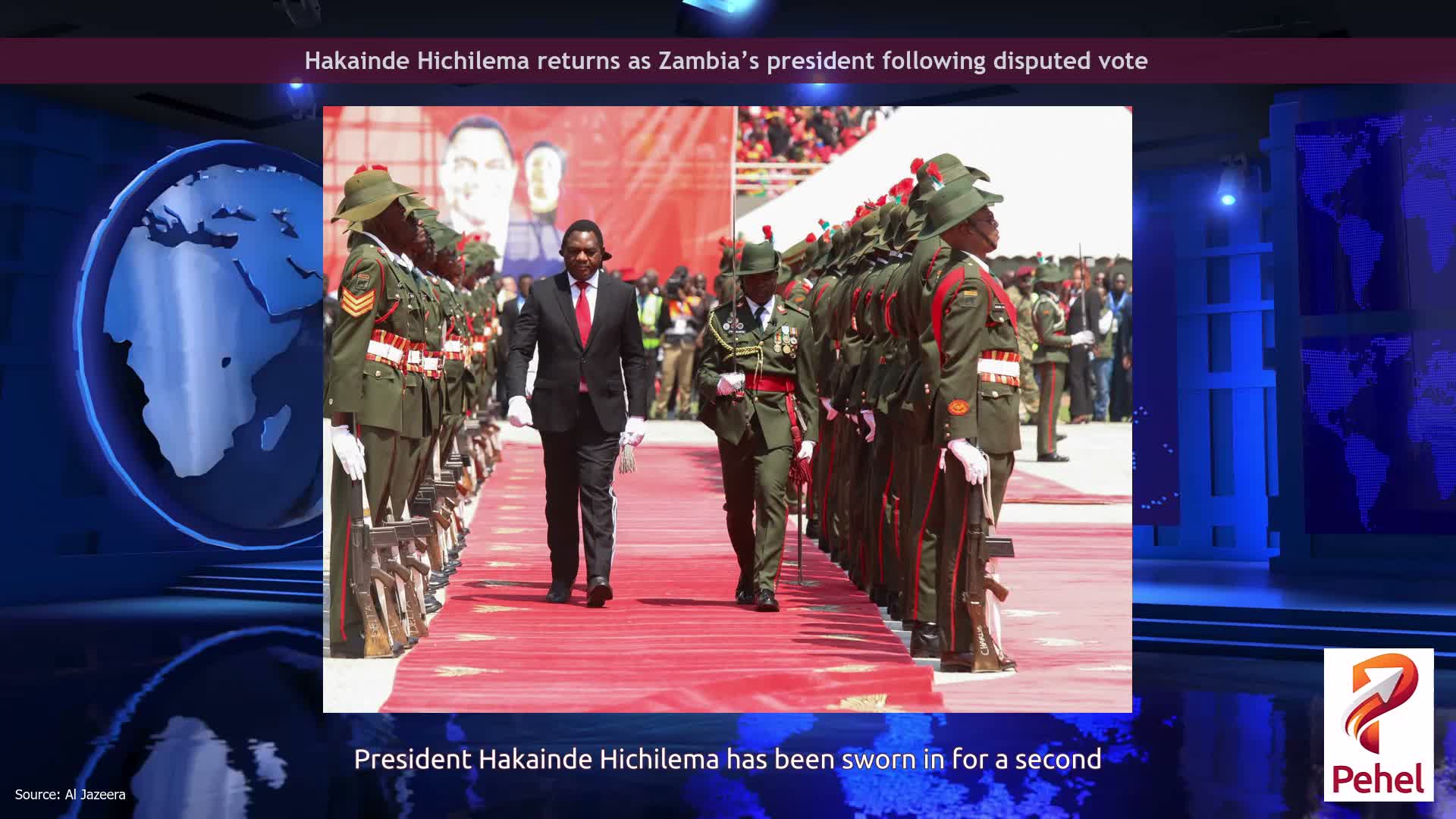
President Hakainde Hichilema won 60 percent of the vote and is due to be sworn in as president for a second term on Tuesday. The election results were disputed by opposition leaders.
Mundubile, who won about 38 percent of the vote, promised to challenge the result in court, but Zambia closed its entire judiciary on Monday, the last day for filing an objection, citing “security reasons”.
Under Article 103 of the Zambian Constitution, an election petition must be filed within seven days of the winner being declared.
Filing the challenge automatically pauses the presidential swearing-in under Article 104.
Shutting the courts before that seven-day deadline expired physically blocked the opposition from filing, preventing the automatic pause on the inauguration.
The Constitutional Court said on Tuesday it had not received any petition challenging the election outcome, clearing the way for Hichilema to be sworn into office.
However, Chief Justice Mumba Malila said he had received a petition from a member of the public on his private email address.
He called the submission “highly irregular” but said he had referred it to the Constitutional Court for consideration.
Legal and rights groups have criticised the timing of the abrupt closure of the courts.
Human Rights Watch (HRW) said it was “a blow to the administration of law, transparency, and due process in Zambia”.
Hichilema entered the race as the clear favourite after steering Zambia, Africa’s second-largest copper producer, through a major economic turnaround and restructuring its debt.
Opposition parties and civil society organisations have raised concerns over increasing repression by Hichilema’s government.
Rights groups and election observer missions have said the post-election dispute has tarnished Zambia’s democratic reputation.
Every change of president since the return to multiparty politics in 1991 has been achieved through elections.