Xiaomi could introduce HyperOS 4 as early as August, according to new reports from China. Rumor has it that the new OS is set to bring noticeable performance improvements and more.
The next major software update is expected to bring a redesigned interface, extensive changes to the system architecture, and several artificial intelligence features. However, Xiaomi has not officially announced HyperOS 4 or confirmed its launch schedule.
Leaks claim Xiaomi has rebuilt key parts of HyperOS 4 using the Rust programming language and Flutter development framework.
The company has reportedly removed the remaining legacy MIUI code to create a cleaner and more efficient software architecture. These changes are expected to improve performance, memory management, and long-term stability.
Early testing reportedly shows that HyperOS 4 could improve overall system smoothness by around 40%.
Background application retention could increase by 35%, while idle memory consumption may fall by between 25% and 30%.
The reports also claim that performance degradation after one year of continuous use could be limited to around 5%. Xiaomi has not independently confirmed any of these figures.
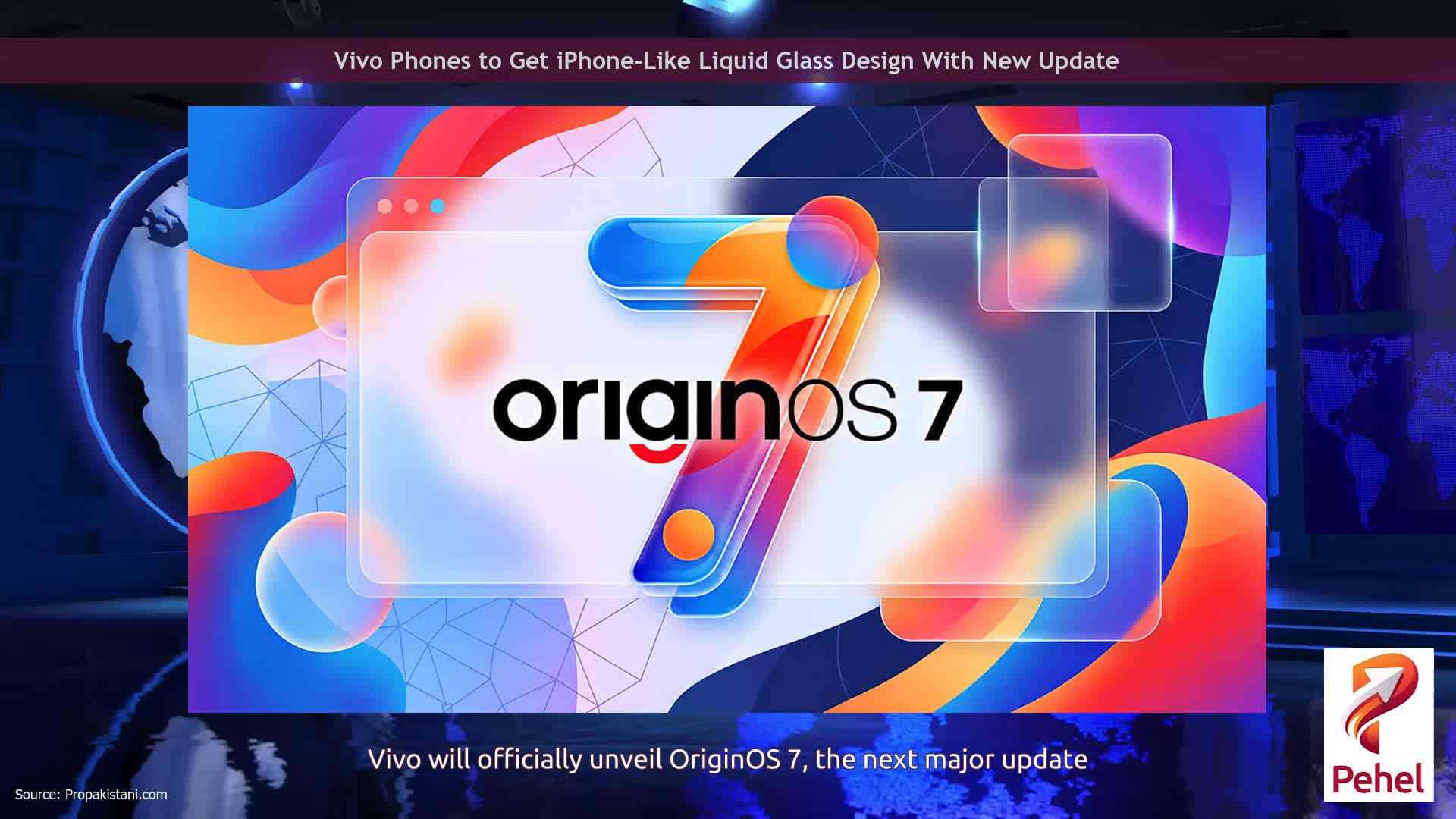
HyperOS 4 is expected to introduce a new visual style described as Liquid Glass.
The interface will reportedly use softer, rounded elements, translucent surfaces, blurred backgrounds, and visual depth inspired by 2.5D designs.
Users may be able to choose between two interface styles called Transparent and Soft modes.
Xiaomi is also expected to improve connectivity across its smartphones, tablets, smart home products, and vehicles.
File transfers between supported devices could become up to 300% faster, while app continuity may allow users to move between screens more smoothly.
A unified AI coordination framework is also expected to improve communication between connected Xiaomi devices.
HyperOS 4 is tipped to integrate Xiaomi’s on-device AI models, including MiMo and the Miclaw AI agent.
The models could support offline document summarisation, multilingual translation, and AI-powered image editing.
Running these features directly on compatible devices could improve privacy and provide faster responses than services that rely entirely on cloud processing. Xiaomi has already developed MiMo-based models, although their reported integration into HyperOS 4 remains unconfirmed.
HyperOS 4 could debut alongside the Xiaomi 18 series or the company’s next-generation foldable smartphone.
The update is then expected to gradually reach devices, including the Xiaomi 17 series, Xiaomi 15 series, and Redmi K90 series.
Xiaomi has not released an official list of eligible devices. The August announcement, supported models, and leaked features should therefore be treated as unconfirmed until the company provides further details.
Get the latest tech news, telecom insights, and product launches wherever you prefer.
Add ProPakistani to Preferred Sources and see more of our stories in Google Search and Top Stories.
Shares