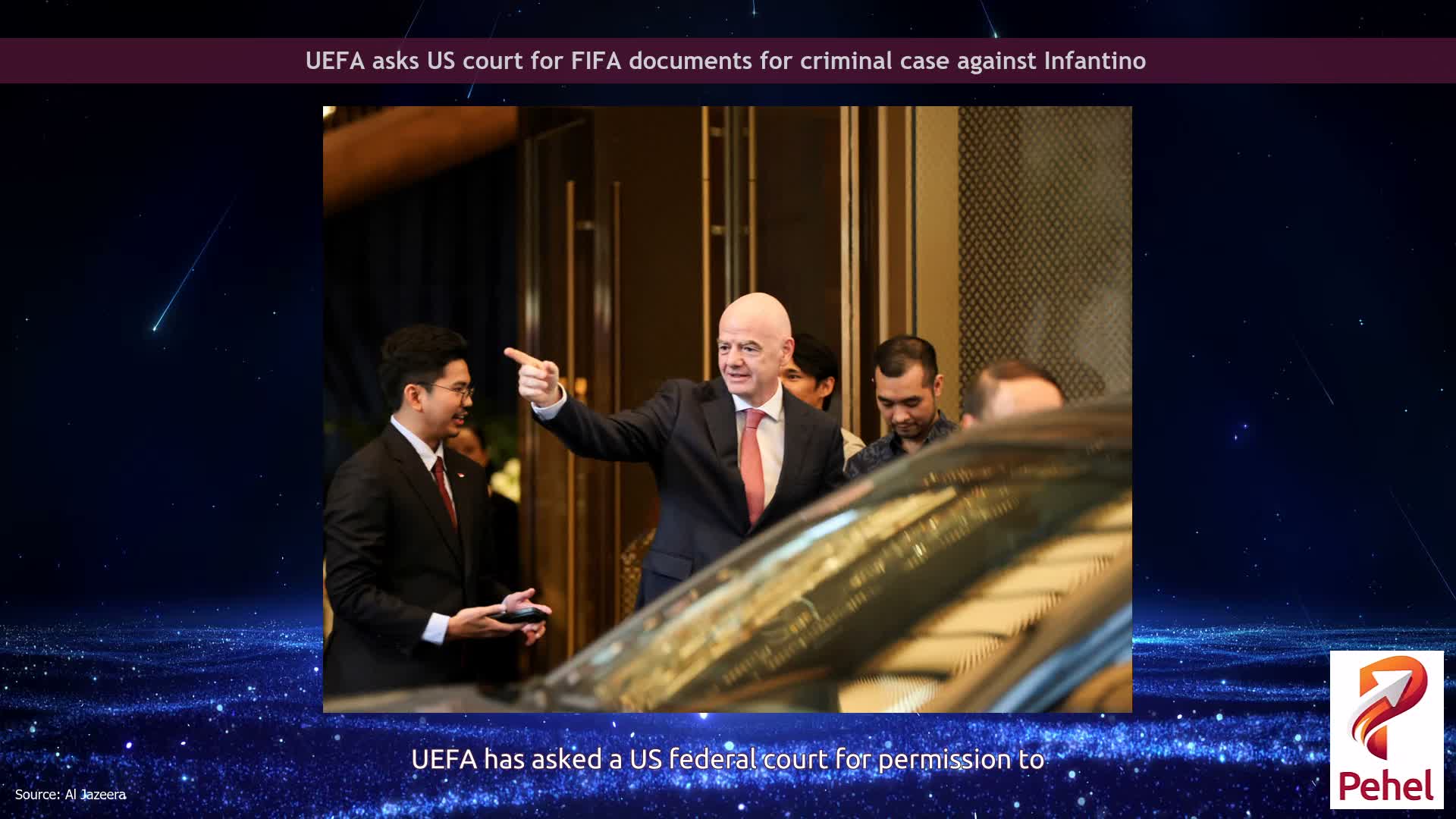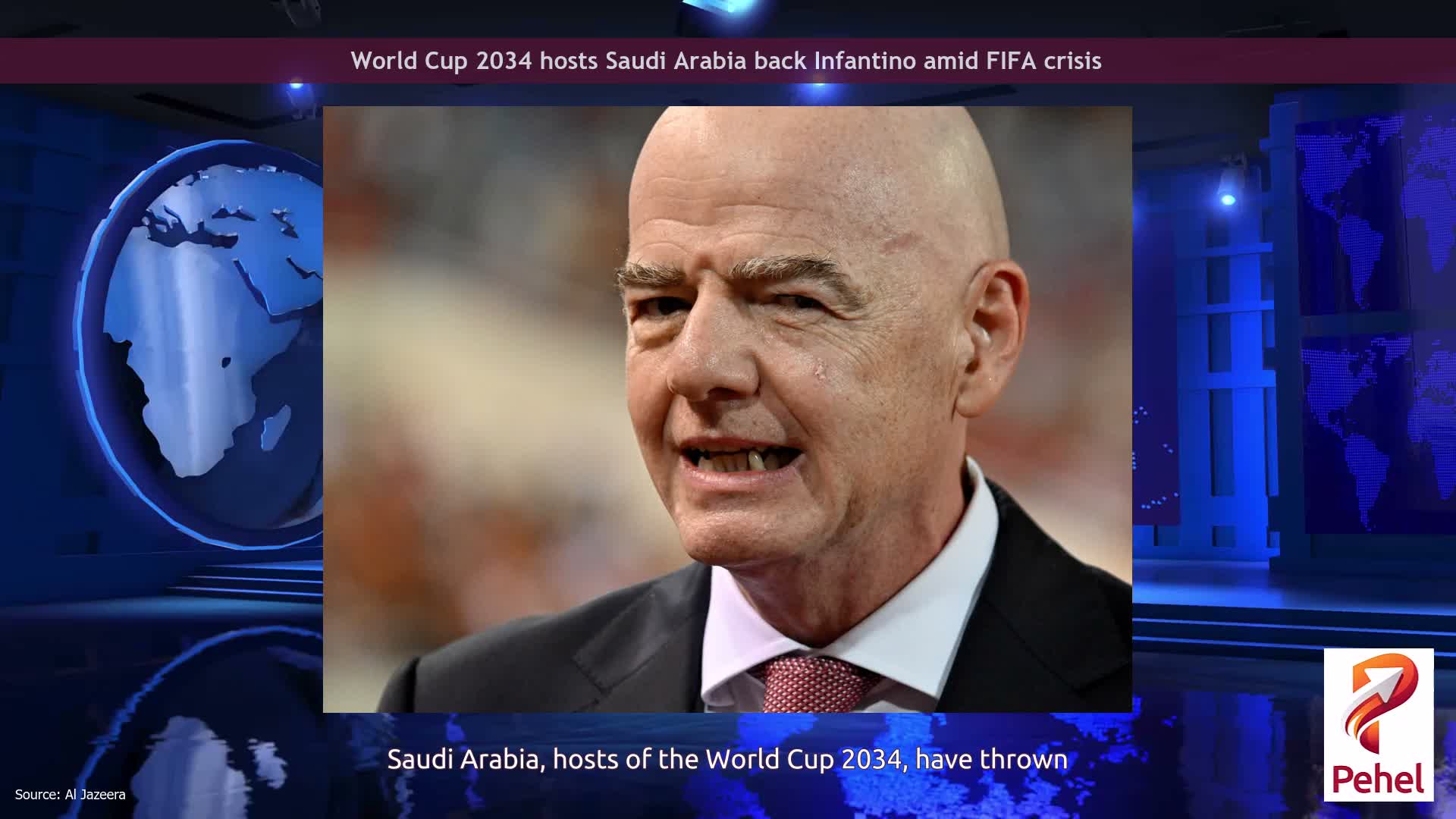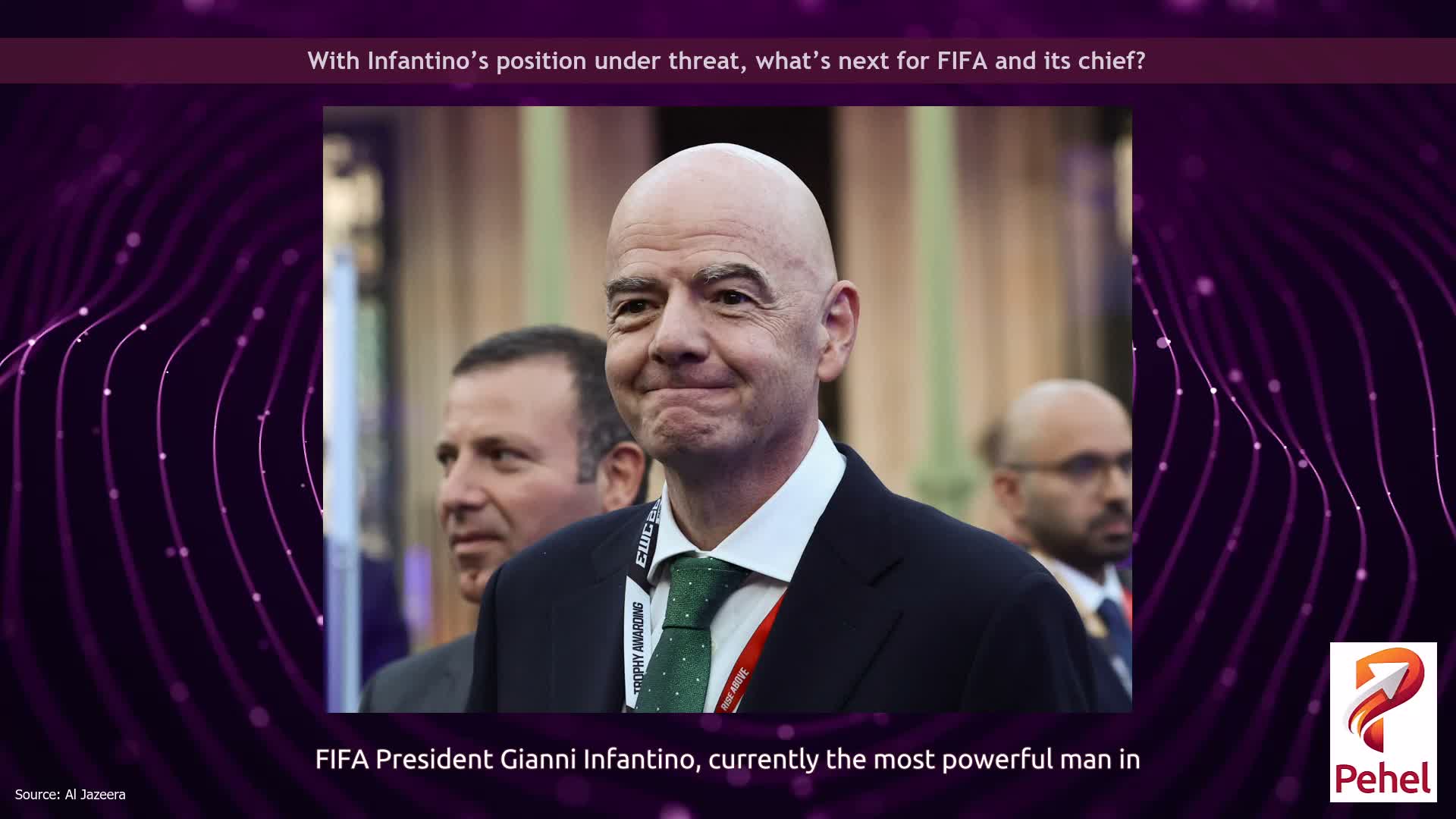
FIFA will examine the possibility of expanding the men’s World Cup to 64 teams for the 2030 tournament, FIFA President Gianni Infantino says.
Speaking to the Swiss news site Bluewin , Infantino said the proposal would be examined by FIFA’s relevant committees after the 2026 World Cup .
His comments come during the first World Cup to feature 48 teams after FIFA expanded the competition from the 32-team format used at every tournament from 1998 to 2022.
Here is what we know:
In the interview, Infantino said expanding the 2026 World Cup to 48 teams had been “100 percent” the right decision, describing the new format as a “huge success”.
He argued the larger tournament had strengthened football globally, pointing to the performances of smaller football nations.
“Teams from every continent scored goals and earned at least one point,” Infantino said. “Nine out of 10 African teams reached the knockout stage. At the last World Cup, there were only five teams from Africa. That just goes to show how important it is to include all teams, to give them this opportunity to participate,” he added.
Asked whether the competition could eventually grow to 64 teams, Infantino said the proposal “will be examined and discussed”.
He said the global tournament should be organised “for the whole world” rather than only for football’s traditional powers, arguing that greater participation means better football.
“If you don’t give smaller countries a chance to participate in the World Cup, they’ll lack the incentive to keep improving,” he said.
FIFA has not explained how a 64-team World Cup would be structured, but one option would be to return to the traditional format with a larger field.
The tournament could feature 16 groups of four teams with each nation playing three group-stage matches. The top two teams from each group would then advance to a 32-team knockout stage.
Such a format would likely increase the tournament to 128 matches. The World Cups that featured 32 teams had 64 games while this year’s tournament in Canada, Mexico and the United States has 104.
The proposal has gained its strongest backing in South America, where football officials argued that the World Cup’s centenary in 2030 is a fitting opportunity to include more nations.
The idea is being championed by CONMEBOL, South America’s football confederation, which represents the continent’s 10 national associations, including World Cup winners Argentina, Brazil and Uruguay.
The proposal was first raised in March 2025 by Uruguayan Football Federation President Ignacio Alonso during a FIFA Council meeting. It was later formally presented by CONMEBOL President Alejandro Dominguez, who argued that the centenary tournament should be more inclusive.
“We are convinced that the centennial celebration will be unique because 100 years are celebrated only once,” Dominguez said when unveiling the proposal.
The 2030 World Cup is already set to be the most geographically widespread in the tournament’s history with matches across six countries on three continents.
FIFA has not endorsed the 64-team proposal. The governing body said it has a duty to consider proposals submitted by members of its council, but there is no indication a decision on expanding the tournament is imminent.
The proposal has drawn opposition from senior football officials in Europe and Asia, who argued that expanding the tournament would make it too large.
UEFA President Aleksander Ceferin called the proposal “a bad idea” after it was first raised at a FIFA Council meeting.
“It is not a good idea for the World Cup itself, and it’s not a good idea for our qualifiers as well,” Ceferin said.
Asian Football Confederation (AFC) President Sheikh Salman bin Ibrahim Al Khalifa has also rejected the proposal.
“Personally, I don’t agree,” Sheikh Salman said last year. “If the issue remains open to change, then the door will not only be open to expanding the tournament to 64 teams, but someone might come along and demand raising the number to 132 teams. Where would we end up then? It would become chaos.”
Critics argued that a 64-team World Cup would further congest the international football calendar, reduce the competitiveness of the group stage and make qualifying for the tournament less demanding. They have also raised concerns about the added burden on players, clubs and host countries.
The next World Cup will be cohosted by Spain, Portugal and Morocco in June and July 2030.
To mark the 100th anniversary of the first World Cup, held in Uruguay in 1930, three centenary matches will be played in Uruguay, Argentina and Paraguay before the tournament officially gets under way in its three main host nations.
The tournament then will become the first World Cup to be staged across six countries and three continents.
FIFA has not set a timeline for deciding whether to expand the 2030 World Cup to 64 teams.
Any change to the tournament format would ultimately require approval from the FIFA Council, the governing body’s main decision-making panel. FIFA has not indicated when the council could vote on the proposal.