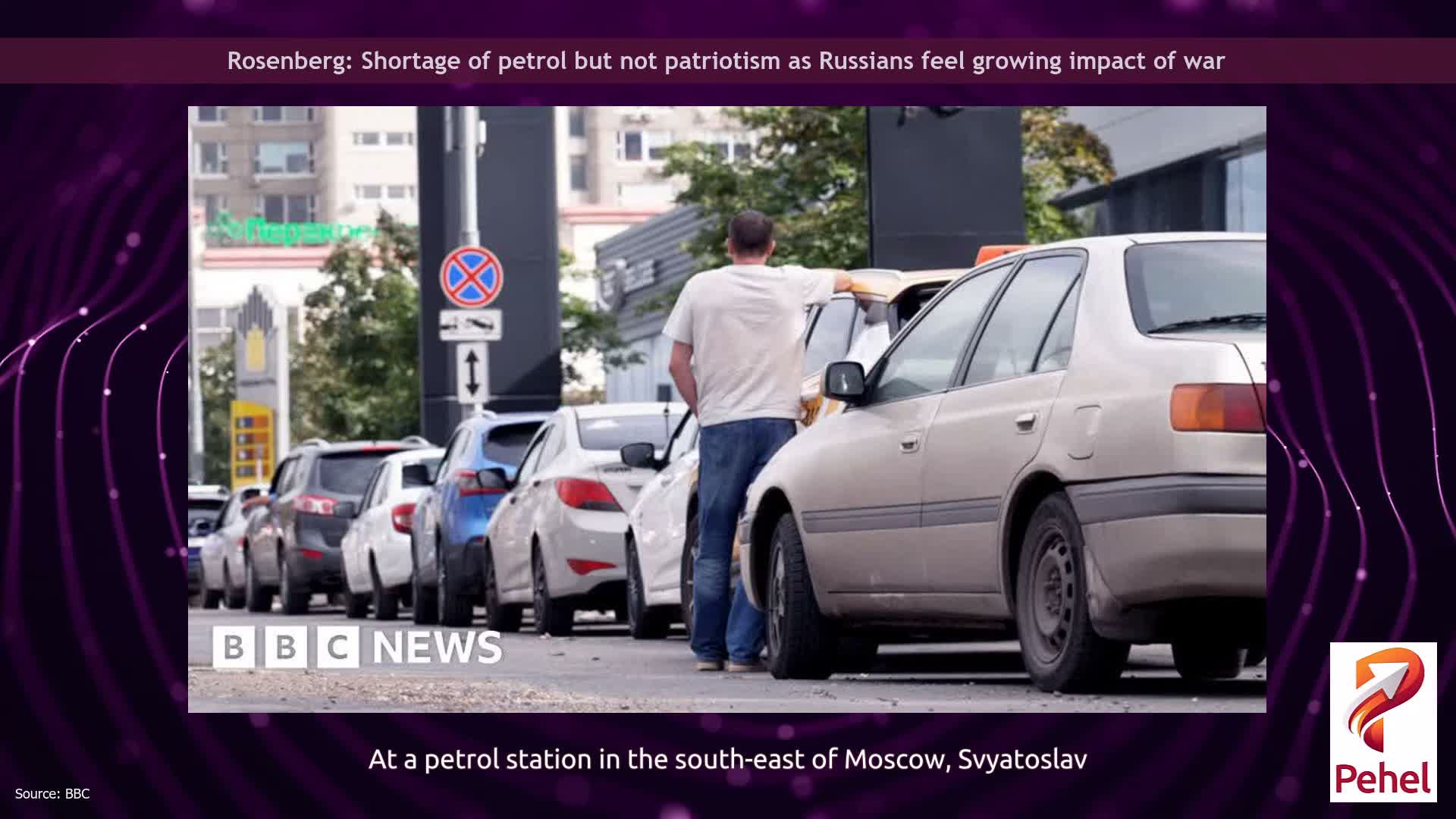
An Indian oil firm, Nayara Energy, has reportedly sold petroleum to Russia as Ukrainian attacks continue to target oil refineries across the country, triggering a fuel crisis .
On Wednesday, industry sources told Reuters that at least 60,000 metric tonnes of petrol had been dispatched from India to Russia and that two oil tankers, with loads of 30,000 to 40,000 tonnes each, had been sent.
Two separate sources told the news agency on Thursday that the gasoline was produced by Nayara Energy and sold to Russia via traders.
While this has not been confirmed by Nayara, Indian Oil Minister Hardeep Singh Puri said on Thursday that while Indian companies were not selling fuel directly to Russia, it was “possible” that Russia had purchased Indian-origin fuel via international traders.
Here’s what we know so far.
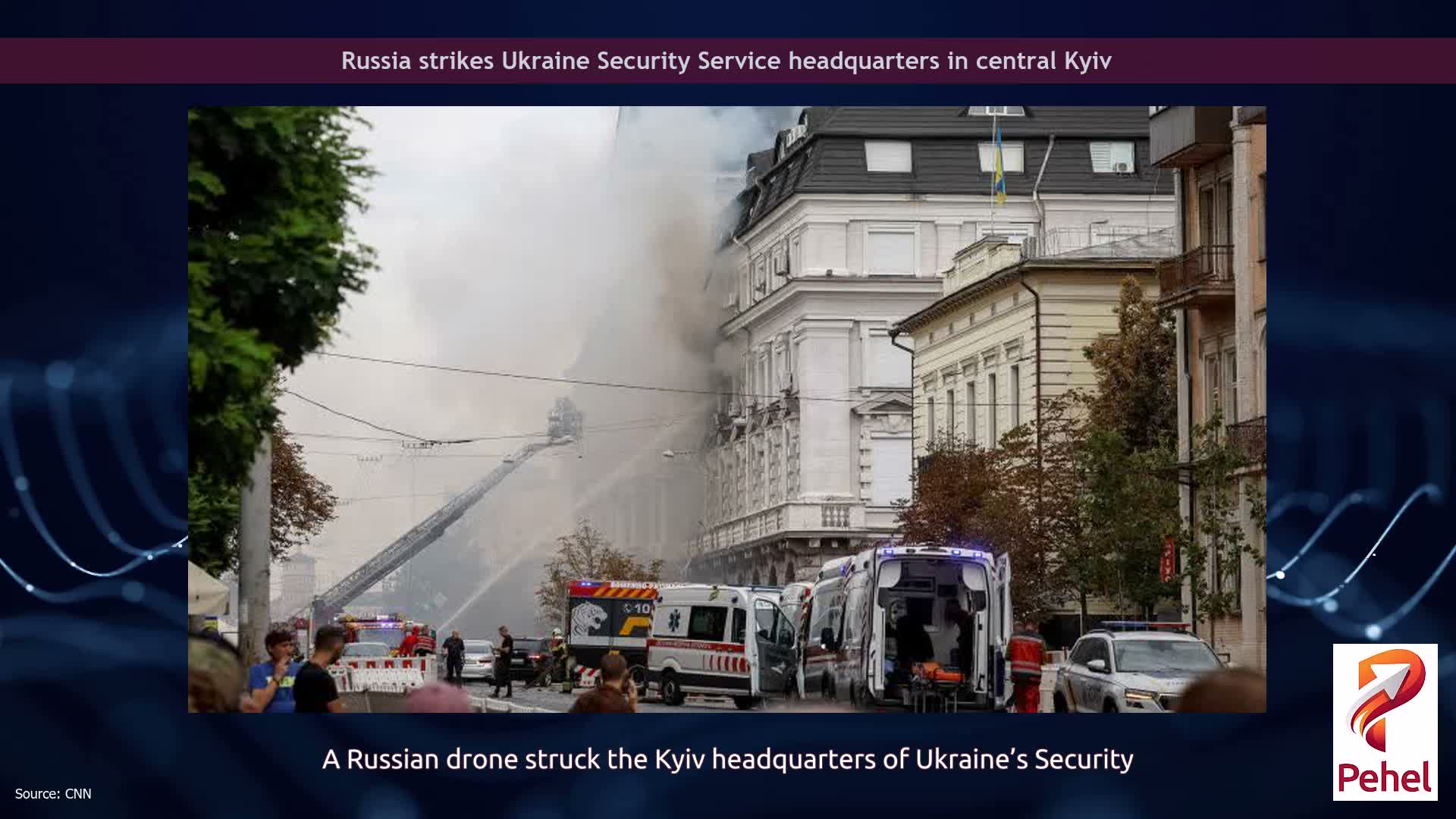
In recent months, Ukrainian forces have targeted Russian oil facilities, setting them ablaze and causing long lines for fuel across the country, including in the capital, Moscow.
The fuel crisis, unprecedented for Russia, a country that is one of the world’s biggest energy producers, has led to rationing in many regions.
According to a count by The Associated Press, since March, there have been more than 50 reported attacks by Ukraine on Russian oil refineries, depots, terminals and other energy infrastructure. Attacks have also been recorded in the Crimean peninsula, which was illegally annexed by Russia in 2014.
The count also found that some oil facilities have been struck more than once, including the refinery in the Black Sea town of Tuapse, which was struck four times.
On Sunday, Russian President Vladimir Putin acknowledged at a meeting with government ministers and other officials that Ukrainian strikes on the country’s oil refineries had triggered fuel shortages in some regions.
But Putin said that the shortages were “not critical” and “temporary”.
However, Ukrainian President Volodymyr Zelenskyy on Monday said on Telegram that “Putin can go on and on, claiming on TV that he supposedly has everything under control”, but Russians can see that the war “has reached the point where even an oil state – a gas station, as Russia used to be called – is now facing gas shortages”.
An oil refining and marketing company, Nayara runs India’s second-largest private oil refinery in Vadinar, in the western state of Gujarat, with the capacity to process 400,000 barrels of crude per day.
It purchased the refinery from an Indian company, Essar, in 2015 when the Indian firm was struggling financially. But it was no ordinary transaction: The deal was part of a complex part-government, part-private arrangement that Prime Minister Narendra Modi and Russian President Vladimir Putin signed off on.
At the time, Putin was seeking to divest Russian government stakes in Rosneft, the country’s large public sector oil firm. Indian public sector oil firms bought a stake in Rosneft, which in turn bought a 49 percent stake in what is now Nayara.
Another 49 percent of Nayara is owned by a Russian asset management company called United Capital Partners.
In its mission statement, Nayara says it is “in India and for India – highly driven and committed to fuel the nation’s growing demand for energy”.
“We operate India’s fastest-growing private fuel station network offering quality products to our customers across the country,” it adds.
But its ownership pattern means that it is controlled by Russian entities. Nayara is believed to be reliant on discounted Russian oil, making use of traders to import crude.
The European Union imposed sanctions on Nayara in July last year, banning the import of petroleum products processed using Russian crude oil and restricting the refinery’s access to EU shipping insurance, and financial and other services.
The EU’s sanctions on Nayara are part of a broader package of sanctions against Russian oil.
The EU’s 18th sanction package against Moscow following its 2022 invasion of Ukraine also banned the export of petroleum products made from Russian crude oil into the bloc, affecting Indian exporters after Europe became a crucial market since the start of the Ukraine war.
Nayara’s Vadinar refinery in western India has been processing only Russian oil since other suppliers backed out following the sanctions. Since then, therefore, Nayara has relied on international traders to import crude and export refined fuels.
Besides the sanctioned Nayara Energy, India’s crude oil imports from Russia surged to a record high in June, according to ship-tracking data from LSEG and Kpler, as seen by Reuters. This has been partly driven by US President Donald Trump’s waiving of United States sanctions on Russian oil already loaded onto ships in a bid to mitigate fuel shortages caused by the closure of the Strait of Hormuz amid the war with Iran.
A tanker invoice seen by Reuters on Thursday showed that the Cameroon-flagged vessel Agni, loaded with petrol from Vadinar, sailed for Fujairah on June 20. However, LSEG tanker data showed that the tanker had passed beyond Fujairah and was in the Suez Canal heading north.