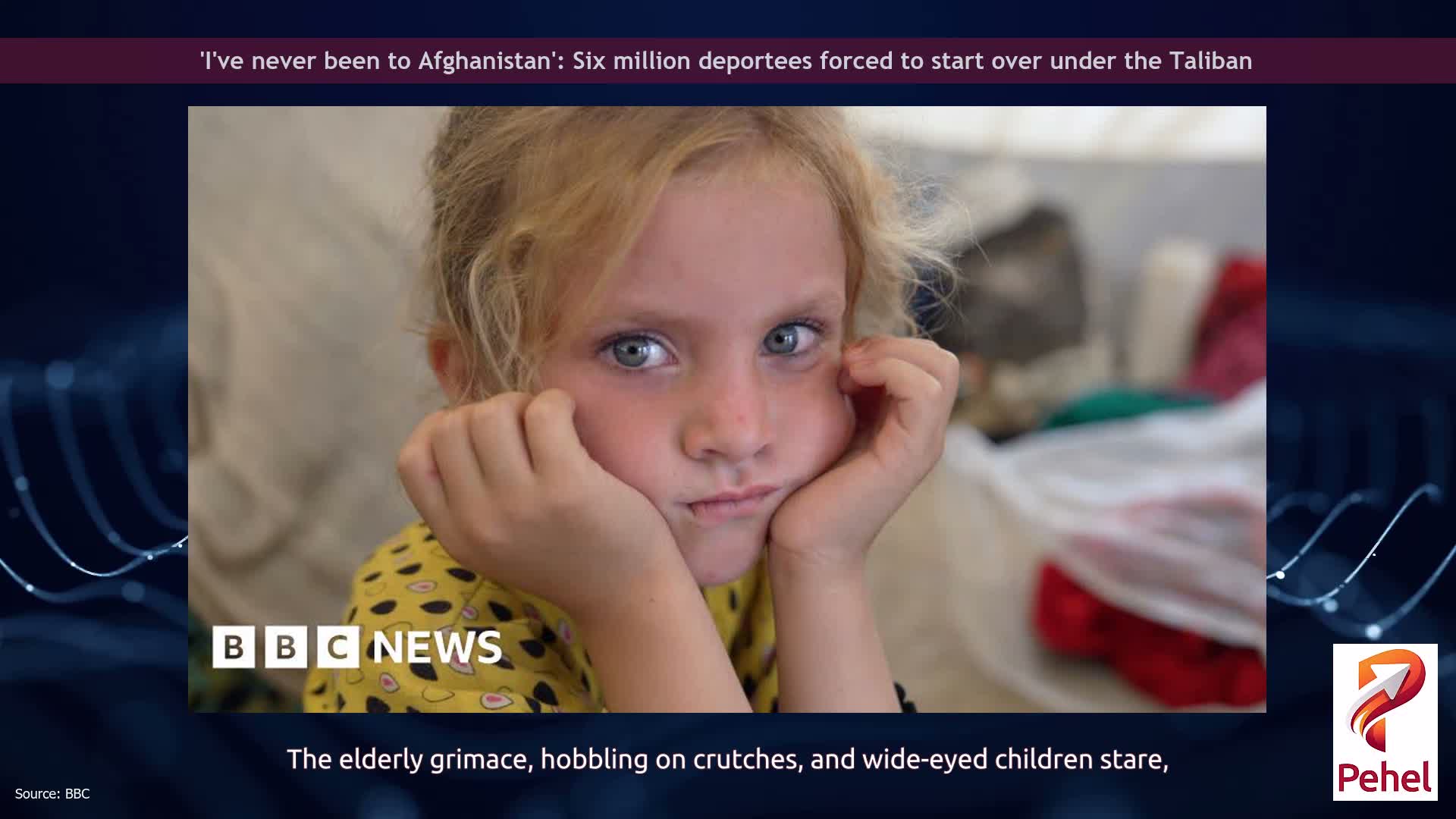
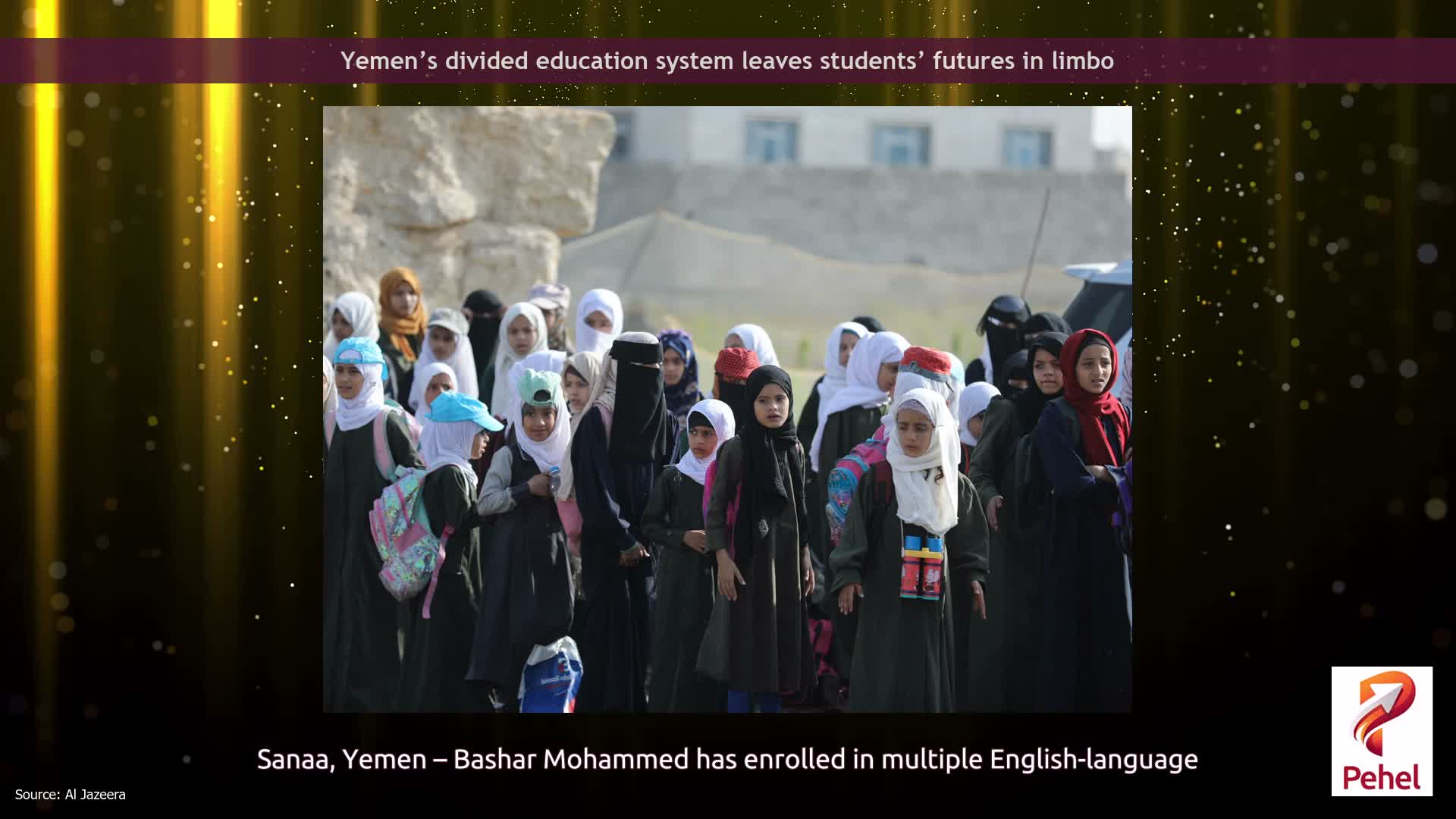
About 2.4 million girls in Afghanistan are barred from secondary school, the United Nations cultural agency has said, renewing its call on the Taliban government to lift restrictions on female education.
UNESCO said on Tuesday that the number of girls deprived of secondary school in the country has grown by 200,000 since last year’s count, and could approach four million by 2030.
Afghanistan is the only country in the world to stop girls and women attending secondary schools and universities, among multiple restrictions on women that have led the UN to accuse the country of “gender apartheid”.
Girls were shut out of secondary schools in March 2022, while women were barred from universities in December that year, months after the Taliban returned to power as the US and allied troops ended their 20-year occupation of the country.
The Taliban administration also banned women from teaching boys, a measure which the UN says stripped qualified staff from the system and left boys with untrained male teachers. The agency projects a shortfall of more than 11,000 qualified female teachers by 2030.
The UN notes that the ban adds to a number of compounding issues weighing on Afghanistan’s education system and economy.
Many schools face overcrowding and are poorly equipped. Nearly half of schools lack water, sanitation or heating, and natural disasters have forced about a thousand schools to close in five years.
At the primary school level, more than two million children are out of class. Ninety percent of 10-year-olds cannot read a simple text, bringing national literacy down to 37 percent.
The Taliban government has rejected global calls, including from several Muslim-majority governments, to lift its ban on girls’ education, describing the policy as an internal matter.