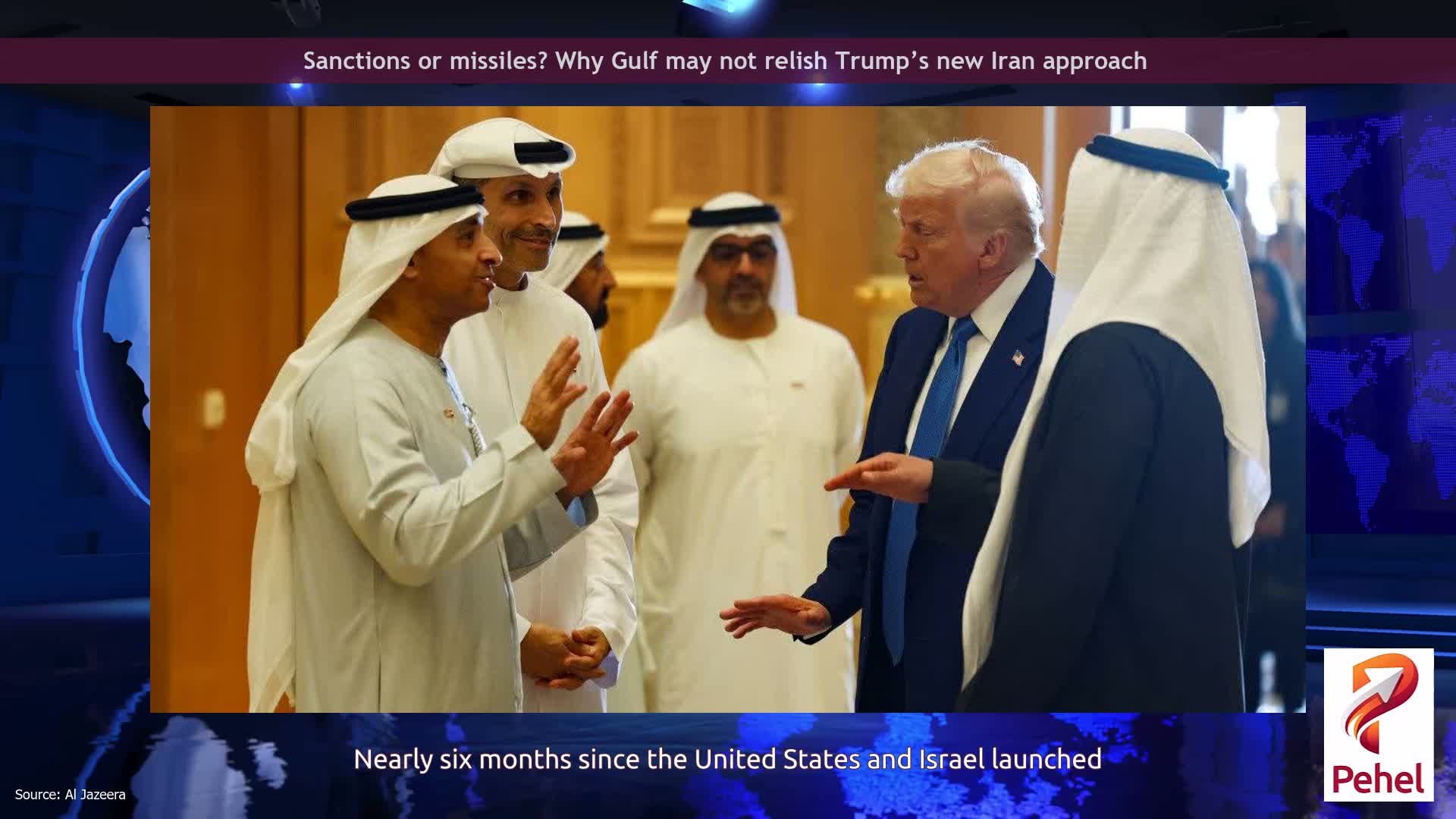
The United Arab Emirates has announced its withdrawal from OPEC and OPEC+, marking a major disruption for the global oil producers’ alliance at a time of heightened geopolitical instability linked to the ongoing Iran conflict.
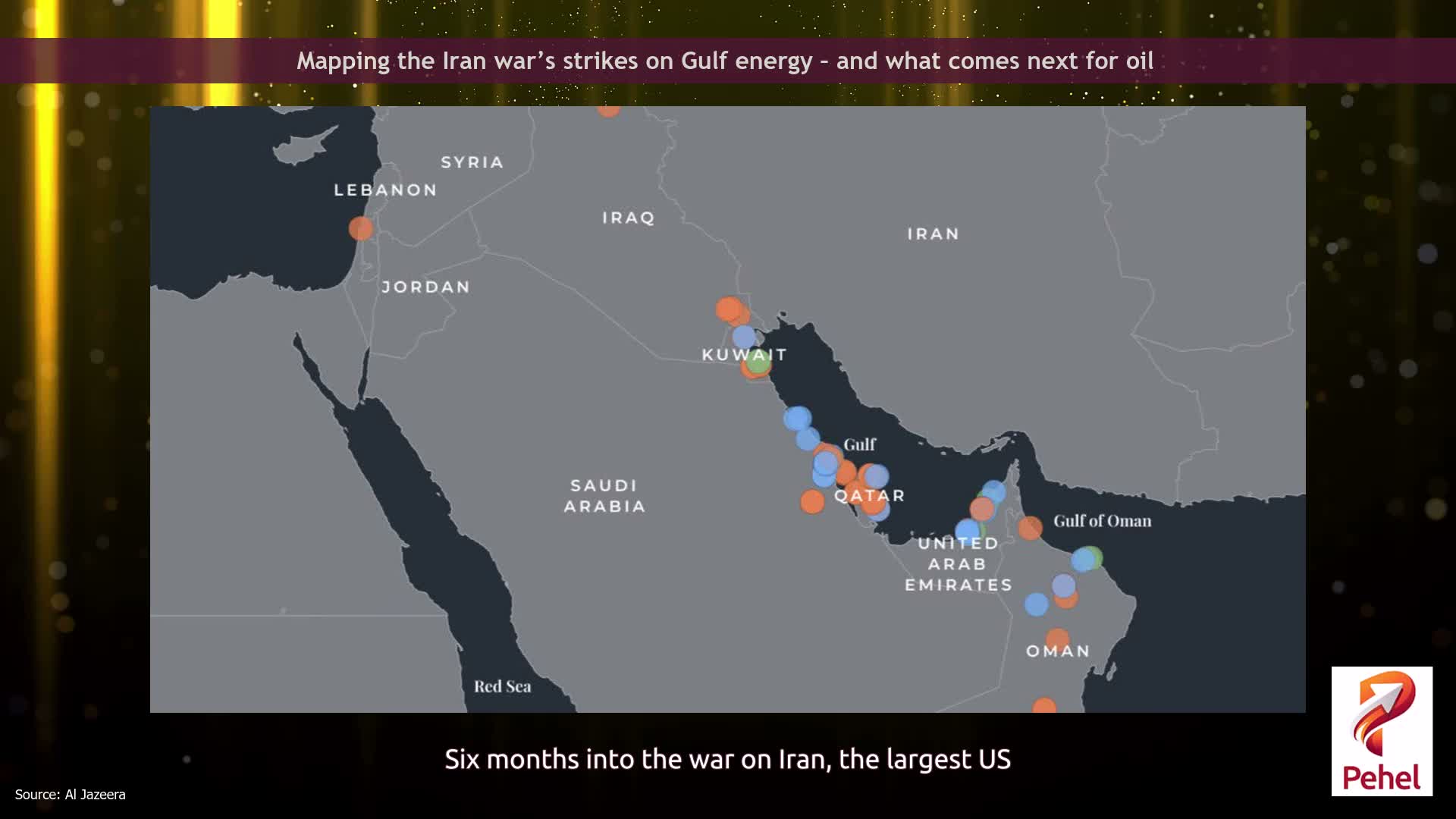
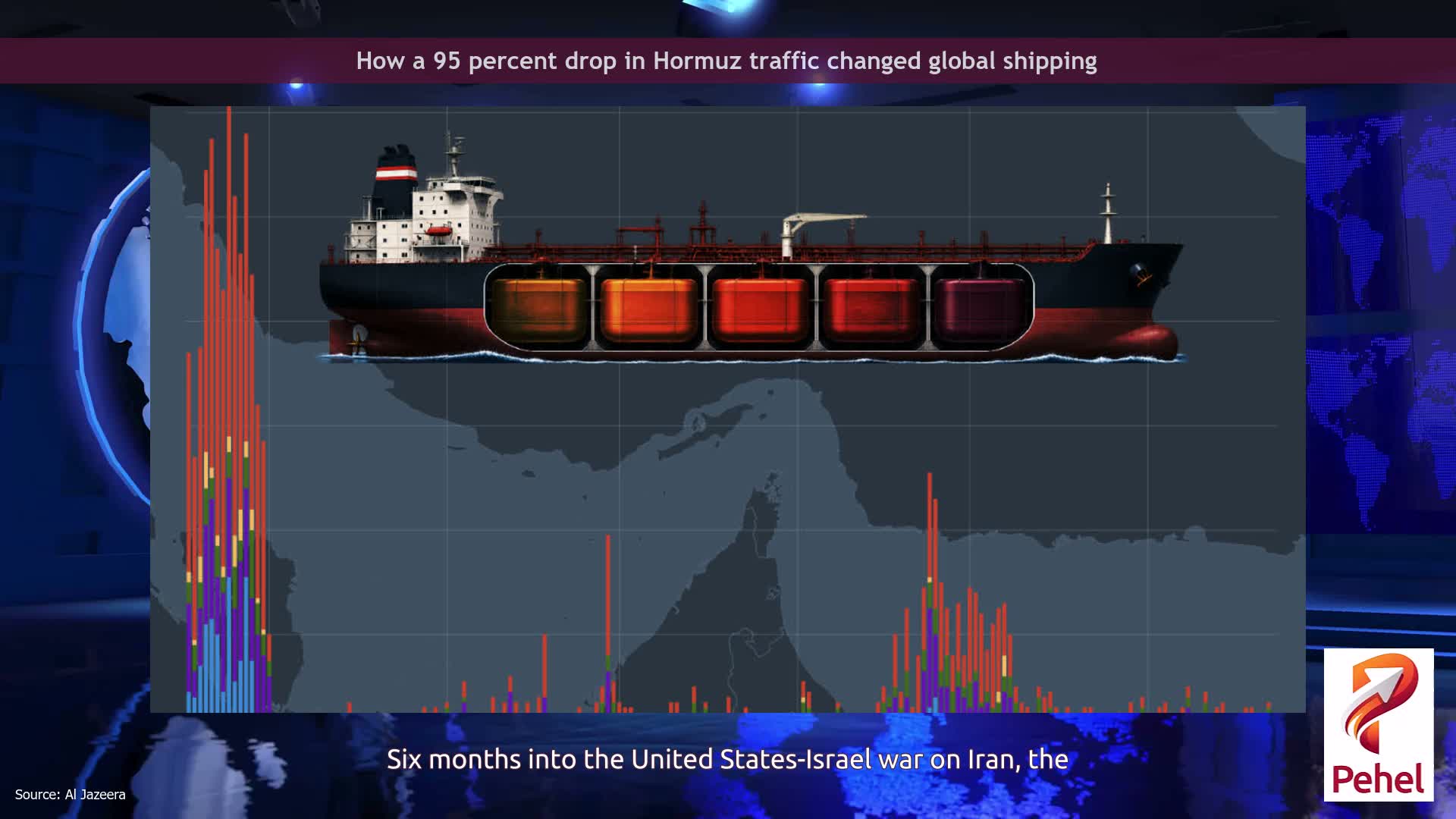
The decision comes as energy markets remain under severe pressure, with supply routes in the Gulf region already facing disruptions due to tensions and security risks in the Strait of Hormuz, a critical chokepoint for global crude and LNG shipments.
The UAE’s exit is expected to weaken cohesion within the producer group, which has traditionally coordinated output policy among member states despite recurring internal disagreements over production targets and geopolitical priorities.
The move also delivers a strategic shift in global energy dynamics, with the UAE being one of the largest and most influential oil exporters in the region and a long-standing member of the bloc.
Tensions in the region have escalated in recent weeks, with Gulf states facing security challenges and concerns over protection of critical infrastructure during the conflict. The developments have already complicated export logistics for several OPEC members.
Separately, UAE presidential adviser Anwar Gargash has publicly criticised the response of regional and Gulf organisations to recent security threats, saying political and military coordination among allies has been weaker than expected during the crisis period.
The withdrawal is being viewed as one of the most significant structural changes in the oil cartel in recent years, with potential implications for global oil pricing and production coordination going forward.
? For the latest Business news and analysis join ProPakistani's WhatsApp Group now!
Follow ProPakistani on Google News & scroll through your favourite content faster!
Shares