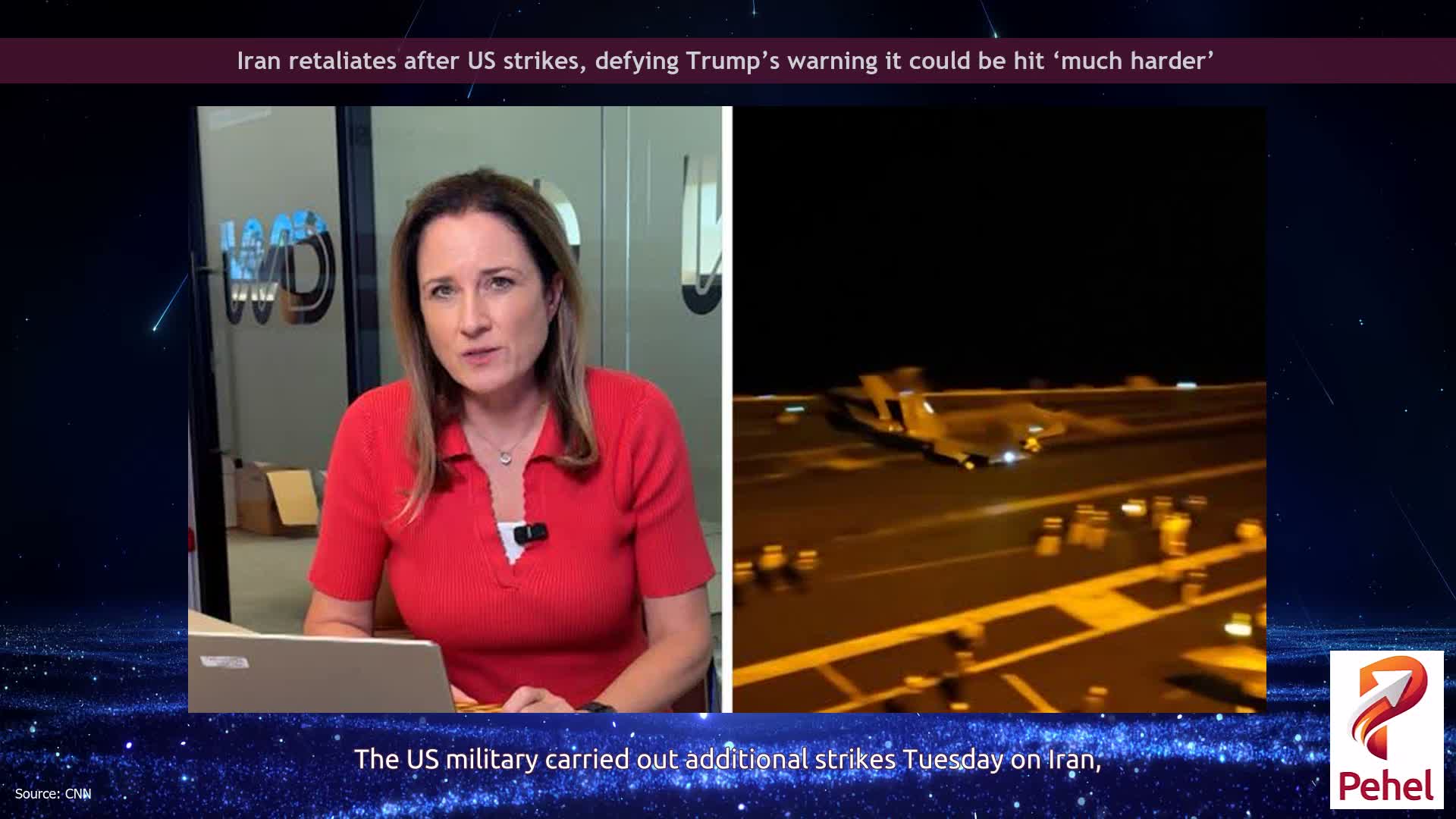
US President Donald Trump has once again turned his focus to Kharg Island, Iran’s main oil export hub, after declaring an interim ceasefire with Iran “over” and warning the US was preparing more strikes.
Speaking on the sidelines of the NATO summit in Turkiye on Wednesday, after the US carried out strikes on Iranian targets in response to attacks on three tankers in the Strait of Hormuz.
“I give them a little warning. We’re going to hit them hard tonight,” Trump told reporters.
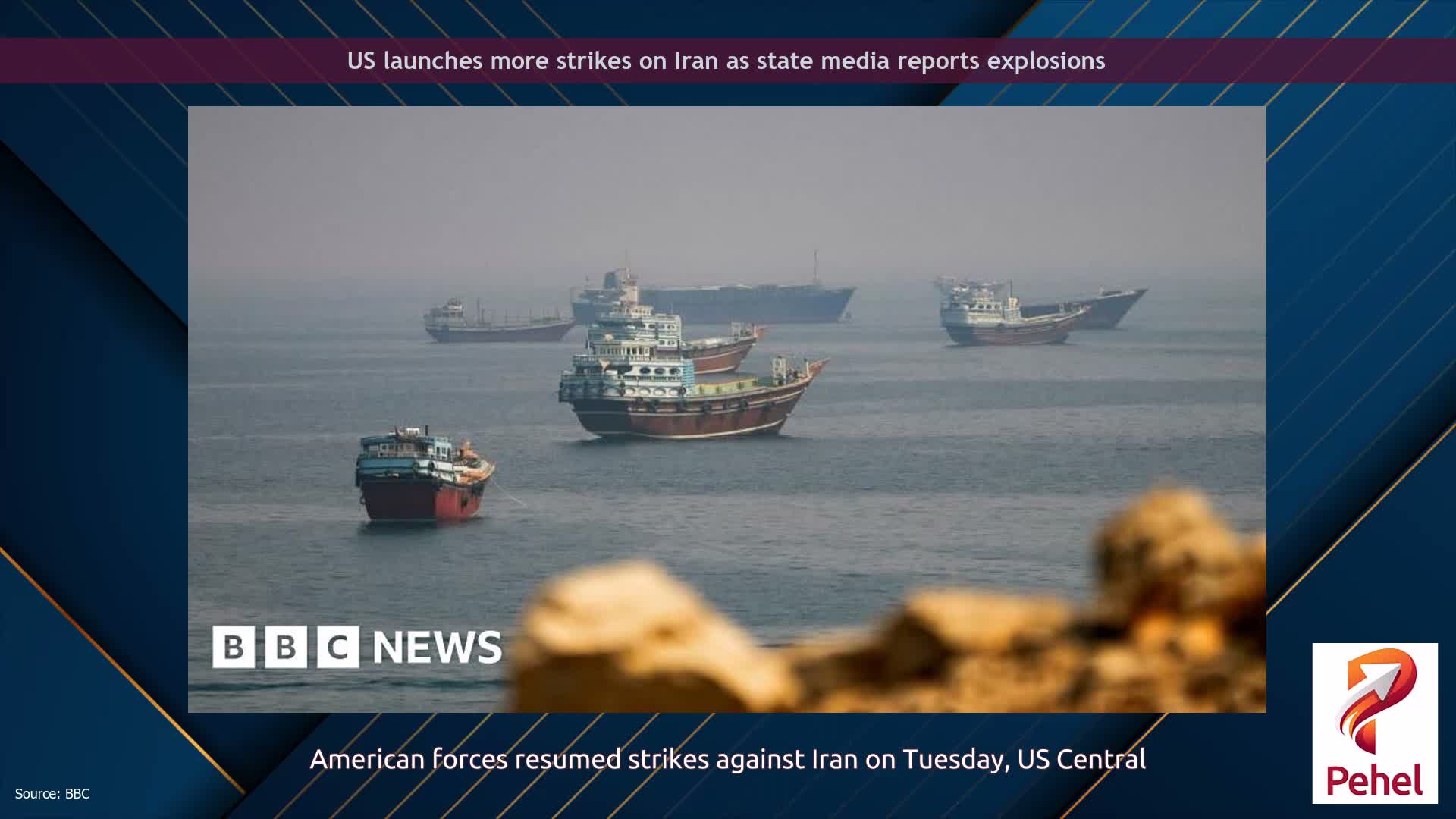
More than 60 boats used by the Islamic Revolutionary Guard Corps (IRGC) were hit, according to US Central Command. Trump said the US had “knocked out 28 boats last night,” would probably hit more later, and confirmed Kharg Island was attacked before repeating a threat he has made throughout the war: that the US could seize Kharg Island, which handles about 90 percent of Iran’s oil exports.
Here’s what you need to know about the island.
Kharg Island sits in the Gulf, about 55km (34 miles) off Iran’s coast in Bushehr province. It is only about eight kilometres (five miles) long and 4-5km (2.5-3 miles) wide, but its location makes it one of the country’s most strategically important pieces of territory. The deep waters surrounding the island allow massive oil tankers to dock and load crude bound for Asian markets.
Widely known by Iranians as the “ Forbidden Island ”, access is tightly controlled by the IRGC; only those with official security clearances are allowed to enter.
Kharg is the heart of Iran’s oil industry.
About 90 percent of Iran’s crude oil exports pass through the island, which handles about 950 million barrels every year. Oil from several offshore fields — Aboozar, Forouzan and Dorood — is brought to Kharg and then transported via underwater pipelines to global markets, with China the biggest customer.
For decades, Kharg Island has been the single most important funnel connecting Iran’s economy to global markets, and any major disruption to it would be a huge blow to Iran’s ability to sell oil to the rest of the world.
This vulnerability was made clear during the Iran-Iraq war in the 1980 when Iraq repeatedly bombed Kharg, temporarily damaging its oil terminal, in an effort to choke off Iran’s oil revenue and undercut its ability to finance the war.
Kharg has been hanging over the conflict almost from the beginning.
In March, Trump said US forces had struck military facilities on the island but deliberately avoided destroying its oil infrastructure.
“For reasons of decency, I have chosen NOT to wipe out the Oil Infrastructure on the Island,” he wrote on Truth Social. “However, should Iran, or anyone else, do anything to interfere with the Free and Safe Passage of Ships through the Strait of Hormuz, I will immediately reconsider this decision.”
Since then, he has repeatedly raised the possibility of seizing the island. Last month, he described taking Kharg as his preferred option, while questioning whether the United States had “the stomach for it,” he added, saying he was still reluctant to deploy boots on the ground in Iran.
On Wednesday, he again renewed that threat after saying the ceasefire with Iran had collapsed.
If exports from the island were seriously disrupted, Iran would lose access to the route that handles almost all of its crude exports. That would remove a significant amount of oil from global markets at a time when shipping through the Strait of Hormuz is already under pressure.
Markets have already reacted to the latest escalation. Brent crude jumped more than 5 percent on Wednesday after Trump’s latest comments, reflecting fears that fighting could further disrupt oil supplies and shipping through one of the world’s most important energy corridors. Before the war, roughly 20 percent of globally traded oil and natural gas passed through the Strait of Hormuz.
As he was warning of further US attacks on Iran, Trump said on Wednesday that the country’s oil was not the target.
“We attacked Kharg Island last night,” Trump said, “I said, don’t touch the oil. Because maybe we’ll take over Kharg Island, and we may take over Kharg Island. There’s not a thing they can do about it.”
However, Trump acknowledged that oil prices spike whenever the US attacks Iran.
“Anytime we hit Iran, oil goes up a little bit,” he said.