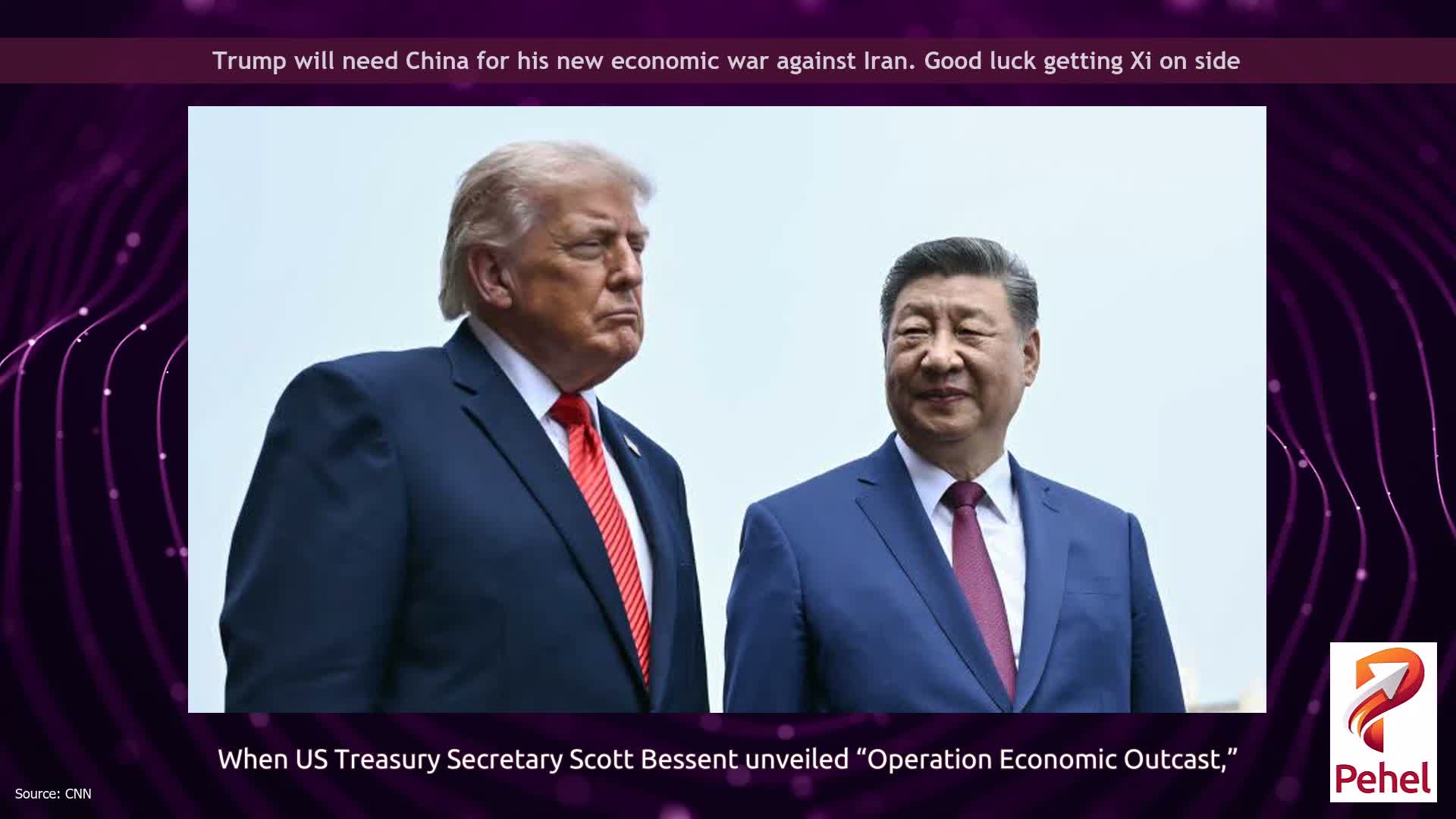
United States President Donald Trump has departed China following a three-day trip, touting several broad trade deals but suggesting little progress on key issues related to Taiwan or the US-Israeli war in Iran .
Trump’s visit, the first of his second term, was filled with pomp and circumstance, including a greeting from waiving children and a military honour guard, a private tour of a secretive former imperial garden, and the Confucian 15th-century Temple of Heaven.
By the end, both sides characterised the visit as a success, even if their accounts of what was agreed to varied.
Speaking to reporters aboard Air Force One, Trump said he and Xi discussed Taiwan, with China’s leader telling him he opposed independence for the self-governing island Beijing claims as its own.
“I heard him out. I didn’t make a comment,” Trump said. “I made no commitment either way.”
Shortly after greeting Trump on Thursday, Xi had called Taiwan the most “important issue in China-US relations”.
“If mishandled, the two nations could collide or even come into conflict, pushing the entire China-US relationship into a highly perilous situation,” Xi added.
Trump told reporters on Friday he had not made a decision on US arms sales to Taiwan, an issue with deep support within the US Congress that Beijing vehemently opposes.
The US does not have official ties with Taiwan, but has for years provided billions of dollars in military aid. It acknowledges, but does not endorse, Beijing’s territorial claim to the island.
US lawmakers have approved a massive new weapons sale to Taipei, which still requires Trump’s sign-off.
“I will make a determination,” Trump told reporters. “I’ll be making decisions. But, you know, I think the last thing we need right now is a war that’s 9,500 miles [15,289km] away.”
For its part, Taiwan’s foreign minister said on Friday that Taipei would seek to deepen ties with the US, citing increasing regional “risks”.
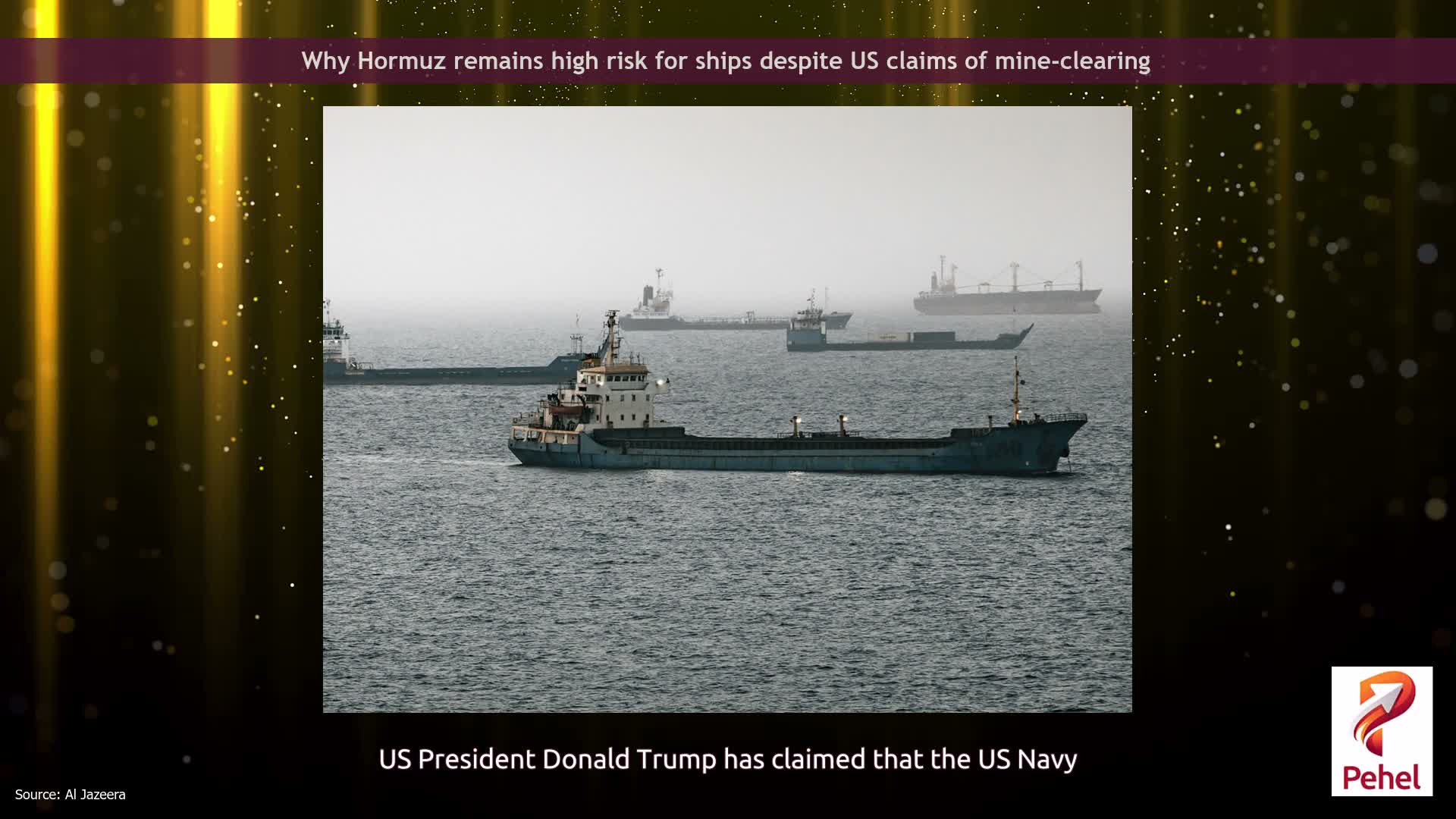
On Iran, Trump said he and Xi spoke at length about the US-Israeli war, and their shared desire for the Strait of Hormuz to be reopened.
Some Trump administration officials have called on Beijing to use its leverage over Tehran to help break an ongoing deadlock in ceasefire negotiations, though the president downplayed the issue during the trip.
The White House announced little in the way of concrete progress upon Trump’s departure.
Trump told reporters on Air Force One he was not “asking for any favours” on Iran.
Chinese Foreign Minister Wang Yi, speaking to reporters on Friday about Trump’s visit, also gave little indication that China’s approach to the conflict had changed.
“China encourages the US and Iran to continue resolving their differences and disputes, including the nuclear issue, through negotiations, and advocates the swift reopening of the Strait of Hormuz on the basis of maintaining a ceasefire,” he said.
Trump, who travelled with a delegation of top US business leaders, concluded his visit touting a series of “fantastic trade deals for both countries”.
In an interview with Fox News on Friday, he said that included China agreeing to buy 200 jets from US aviation manufacturer Boeing. Such a deal would mark the first purchase of US deals in more than a decade.
The White House has also said China could soon begin buying more US oil and farm goods.
But further details of any agreements were not immediately released, and China has been far more circumspect. No new agreements were mentioned in China’s official statement recapping the visit.
Foreign Ministry spokesperson Wang on Friday said both sides agreed to establish a trade council and an investment council. He said they would continue discussions on tariff adjustments and agricultural market access.
Trump, meanwhile, gave no update on whether a trade war truce reached in October of last year, which saw Washington surge tariffs on China and Beijing, in turn, threaten to impose export controls on rare earth minerals, had been extended.
Trump said he and Xi “did not discuss tariffs”.