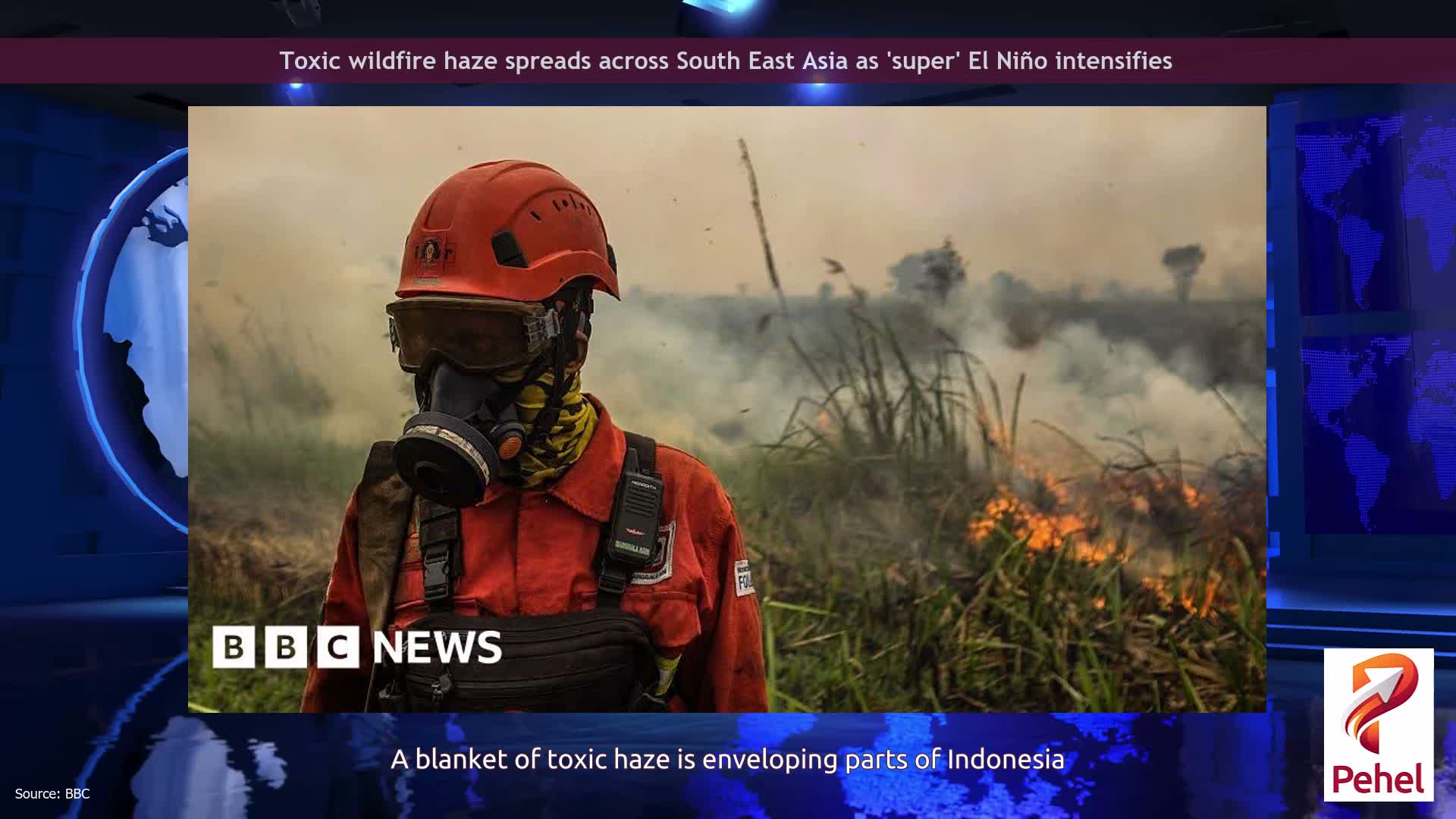
The United States Department of Agriculture (USDA) has filed a proposal to rescind the entirety of the 2001 Roadless Area Conservation Rule, which prohibits road construction and logging on nearly 45 million acres (18 million hectares) of national forest land.
Secretary of Agriculture Brooke Rollins submitted the proposal on Tuesday, saying it will mitigate wildfire risk by returning authority to local forest managers, who “know the land best”.
“For too long, outdated restrictions have kept tens of millions of forested acres off-limits to the very treatments that improve forest health and reduce wildfire risk to our communities,” Rollins said in a statement. “It’s time to turn the page on the failed roadless rule and return our forests to health and productivity.”
The Trump administration and Republican lawmakers say building roads in these areas would make it easier for firefighters to access the land if a wildfire breaks out.
“For 25 years, the heavy thumb of Washington, D.C., has hindered Montana’s ability to properly manage wildfire risk and road development on nearly 60 percent of Forest Service land across the Treasure State,” Republican Governor Greg Gianforte of Montana said in a statement.
While the areas are referred to as “roadless”, there are thousands of miles of existing roads within the lands with federal, state, and county ownership. About half of these lands are within 1 mile (1.6km) of a road, and 31 percent are within 0.5 miles (800 metres) of a road, according to the National Forest Service .
The USDA clarified that it is not forcing timber cutting or road construction.
But environmental groups say rescinding the conservation rule will open the door to developments that will increase the risk of wildfire. Fires are four times more likely to start near roads than in roadless forests, according to research from The Wilderness Society.
“Roadless forests are where wildlife live,” Taylor McKinnon, southwest director of the Center for Biological Diversity, said in a statement. “They’re home to jaguars, Mexican spotted owls, and ocelots, some of the most iconic animals on the continent. Plowing roads into their habitat will bring human-caused wildfires and disturbances that they don’t need and can’t afford.”
The US is experiencing one of its worst wildfire years in the last decade, with 7.3 million acres (3 million hectares) burned in about 49,000 fires through August 17, according to the National Interagency Fire Center.
More than 95 percent of the affected areas would be in 10 states: Alaska, Arizona, California, Montana, Nevada, New Mexico, Oregon, Utah, Washington, and Wyoming.
In early August, the state of Washington fought a highly destructive wildfire that burned more than 8,000 acres (3,200 hectares) and forced approximately 65,000 people to evacuate.
Last month, the Trump administration finalised rollbacks of two regulations affecting the Endangered Species Act. One change requires officials to weigh economic and national security considerations when determining whether an area should be designated as “critical habitat”.
The public will have until September 21 to comment on the proposed Roadless Rule.