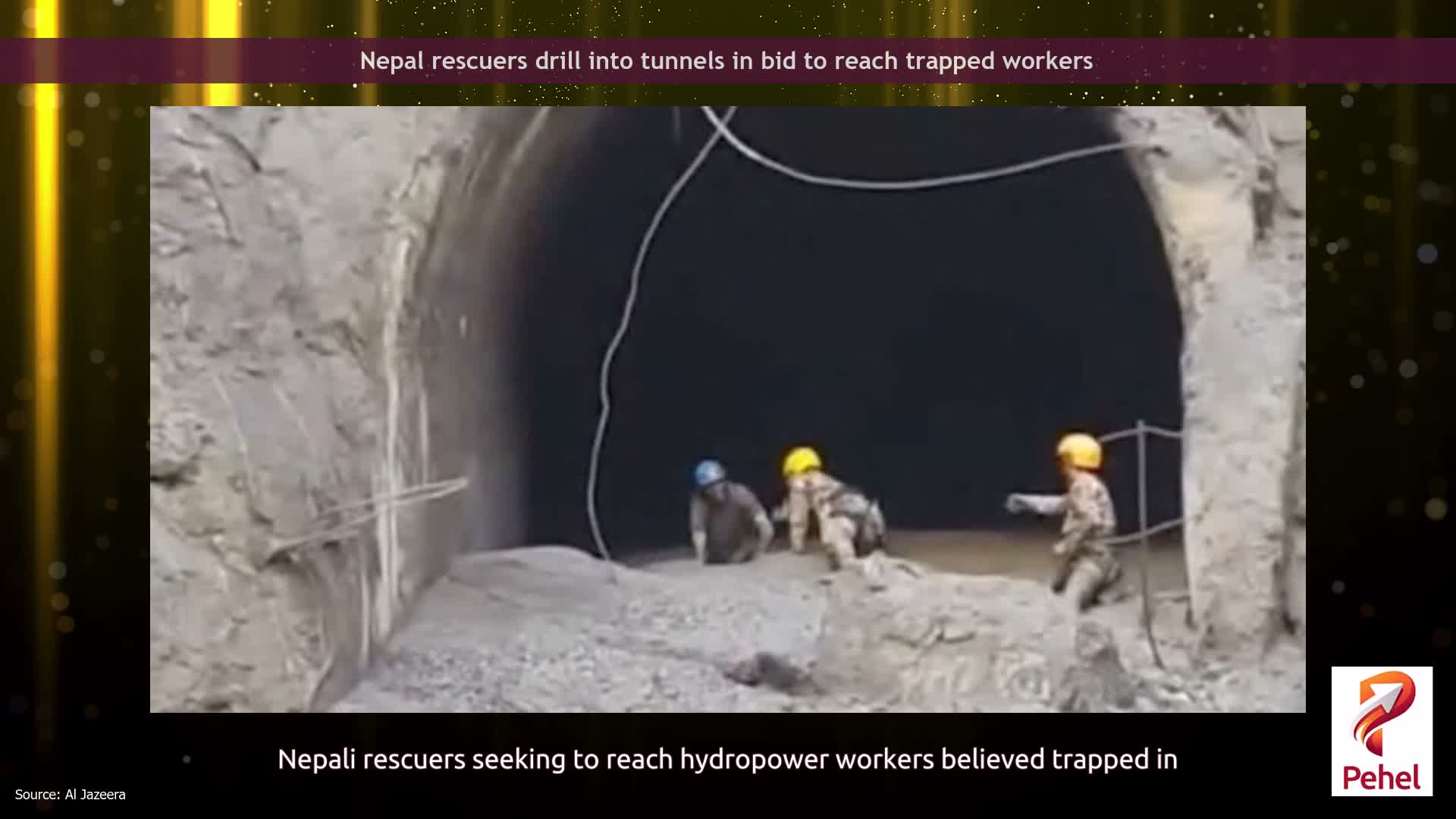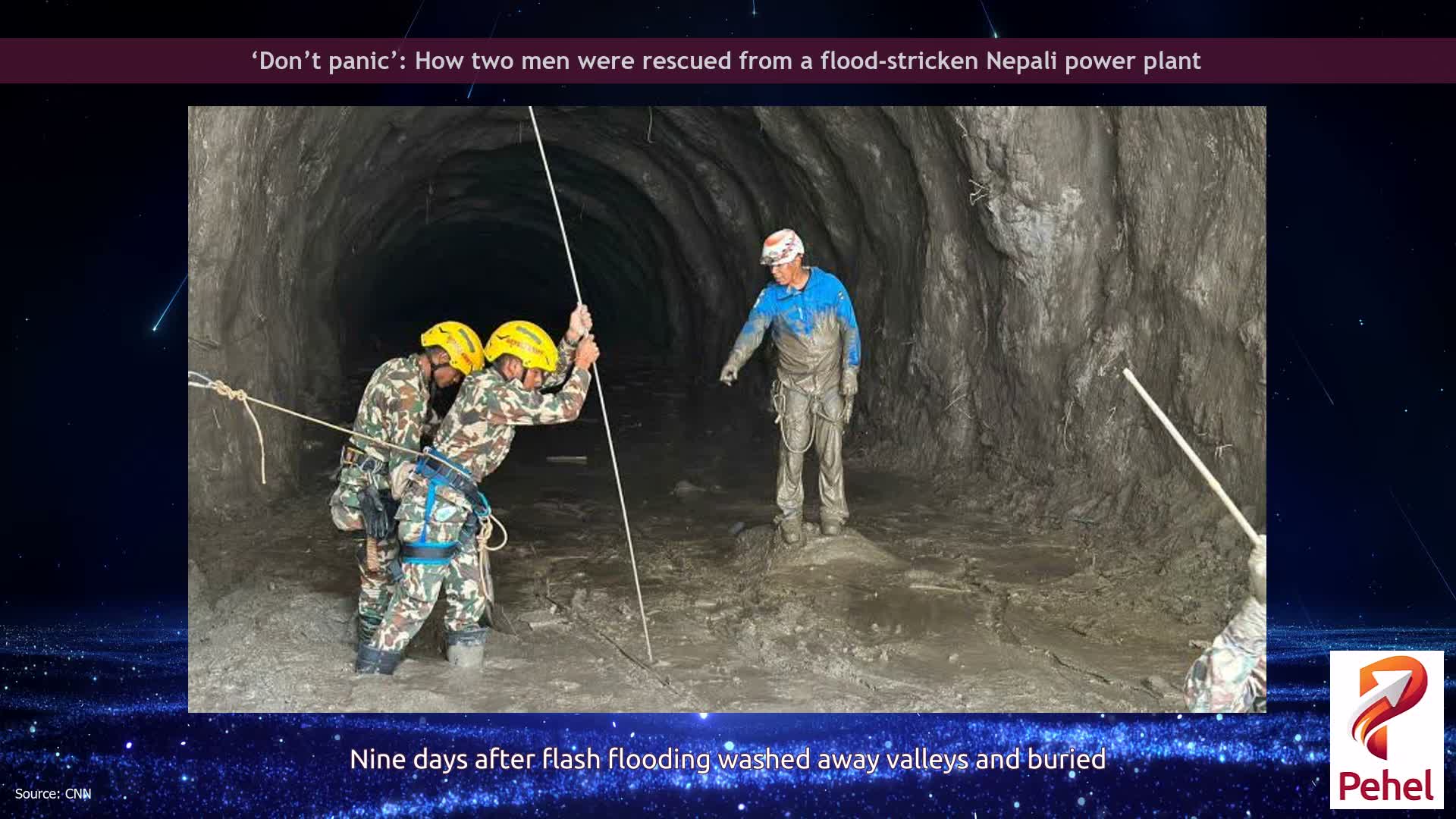
As water, concrete and debris stormed through the darkness, almost sweeping him off his feet, Ram Chandra tightly gripped onto one of the rungs studded into the roof of the tunnel he was working in on the banks of Nepal’s Trishuli river.
His quick reaction likely saved his life.
He and the small group of colleagues he was with were hundreds of meters from the exit.
“The water was rising and it was difficult to move my legs. If I had let go from that rung I would have fallen.”
He grabbed hold of a tin sheet to have something to place under his feet and the passed it around the group as they inched their way forward rung, by rung for six hours.
“There were six of us and we later found someone else at the gate of the tunnel,” he said, adding that by the time they emerged, the waters had claimed their clothing.
In the daylight they saw the catastrophic destruction the flood had left in its wake, the still surging river below, stained dark by the debris, ice and silt.
The mountains above had unleashed a cataclysmic, deluge that swept 62 miles (100 km) downstream, killing hundreds and burying entire communities in the worst natural disaster to hit Nepal in years.
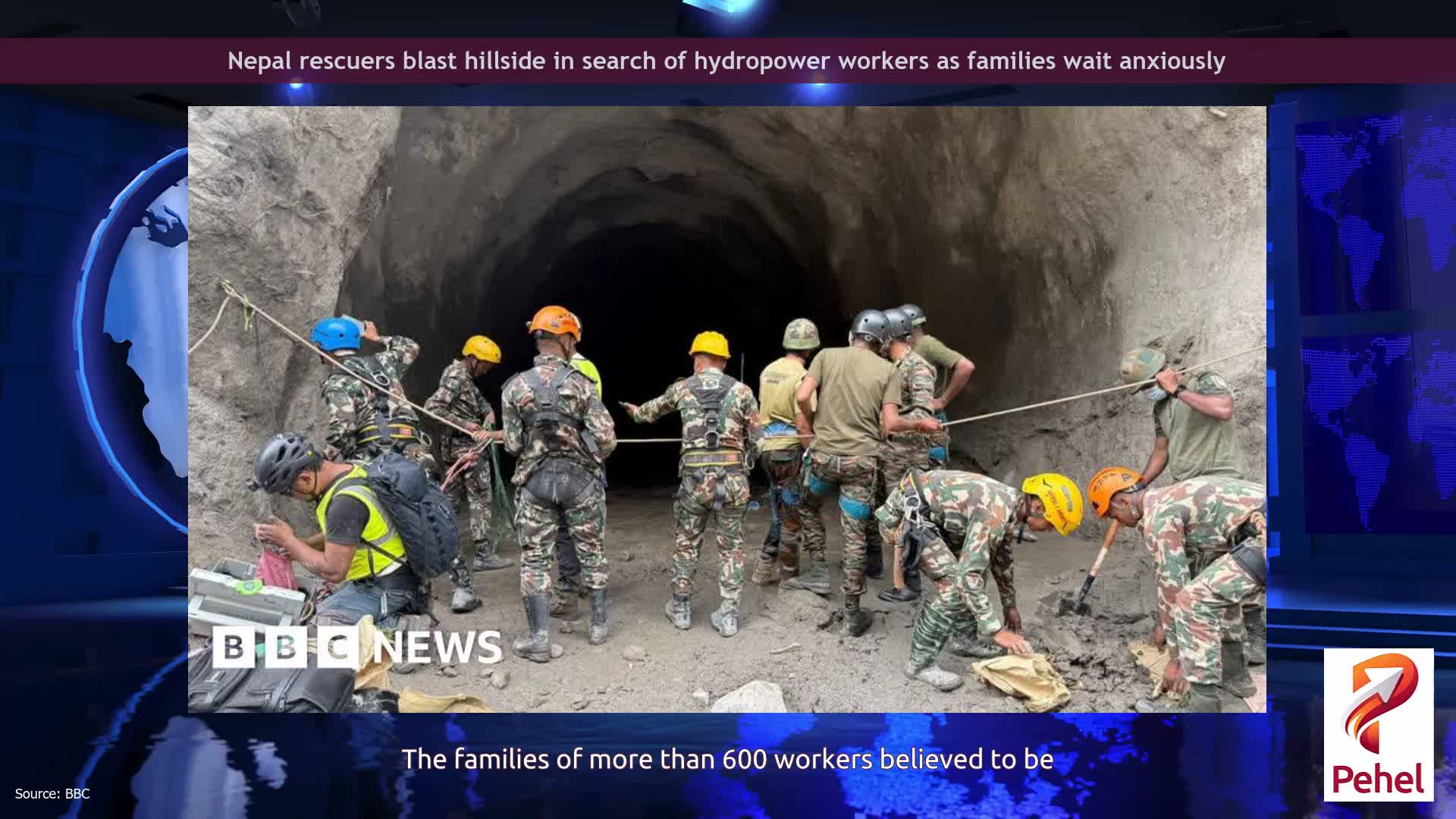
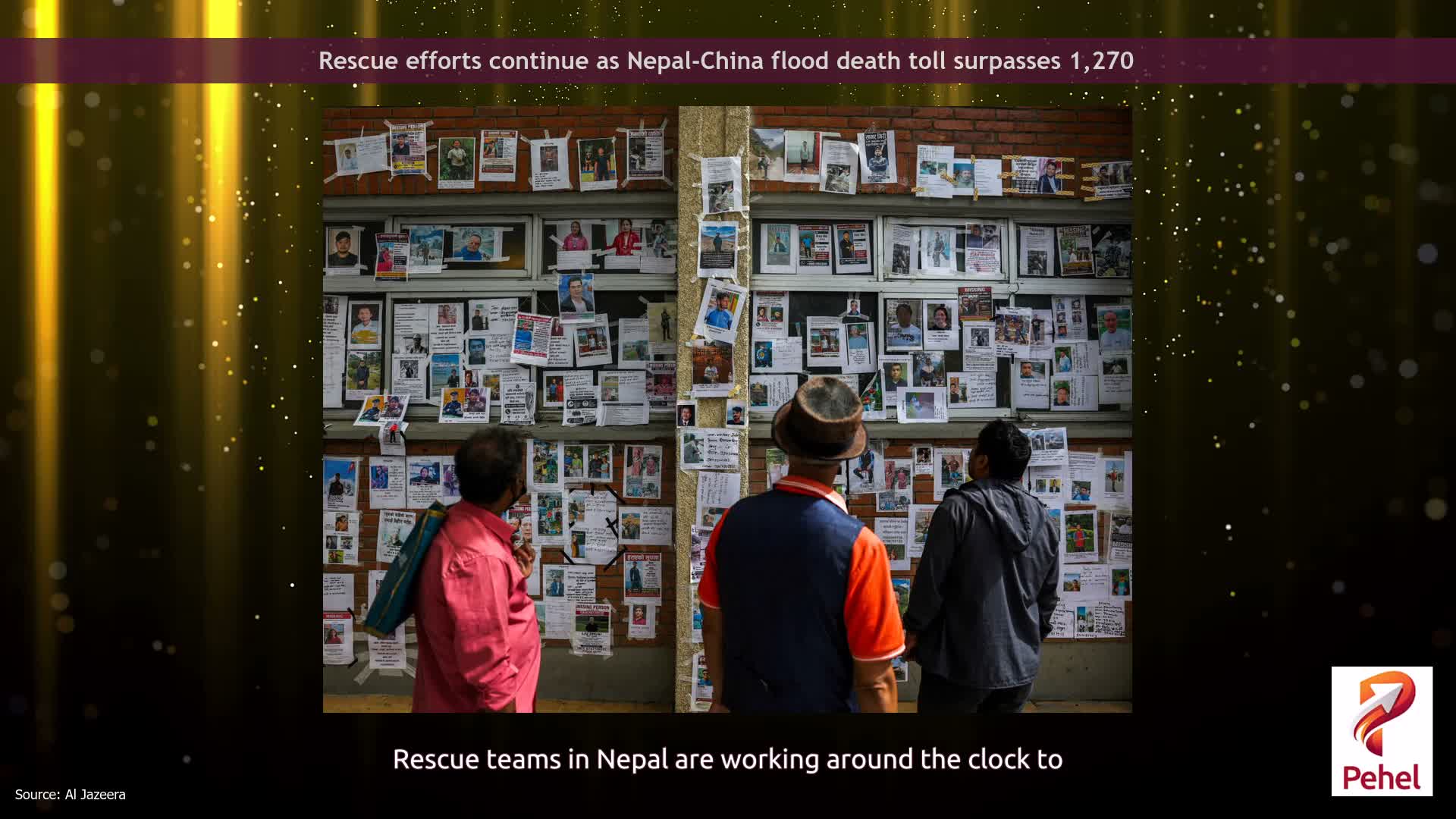
Among the missing, are more than 900 workers, like Chandra from the many hydropower projects that bore deep into the world’s highest mountain range to tap into the fearsome energy unleashed by its raging rivers.
Some 279 hydro power workers have been rescued, or managed to trudge their way of the mud and silt riddled tunnels. But others are feared trapped.
At the Trishuli 3A hydropower plant, searchers worked through the night into Sunday boring a hole down to pump in air and drop down food –– in the hope of making contact with anyone who might be trapped in the tunnel there.
Madan Singh Budha had come off the night shift at the Upper Trishuli tunnel number 2 when the deluge struck.
“When I looked outside, I could see water and so I started running up the hill,” he told CNN after being brought down from the disaster zone by helicopter on Sunday.
“The hill was rocky, with grass growing in between. We used that grass to hold on to as we climbed.”
“Those who weren’t able to climb up were swept away.”
Then began the desperate, confusing search for their colleagues.
Madan Singh Budha, Ram Chandra and roughly 15 other rescued hydro workers CNN spoke to hail from Jumla in the far west of Nepal — a region of maize terraces clinging to steep mountainsides and close-knit village communities that seems a world away from where the disaster struck.
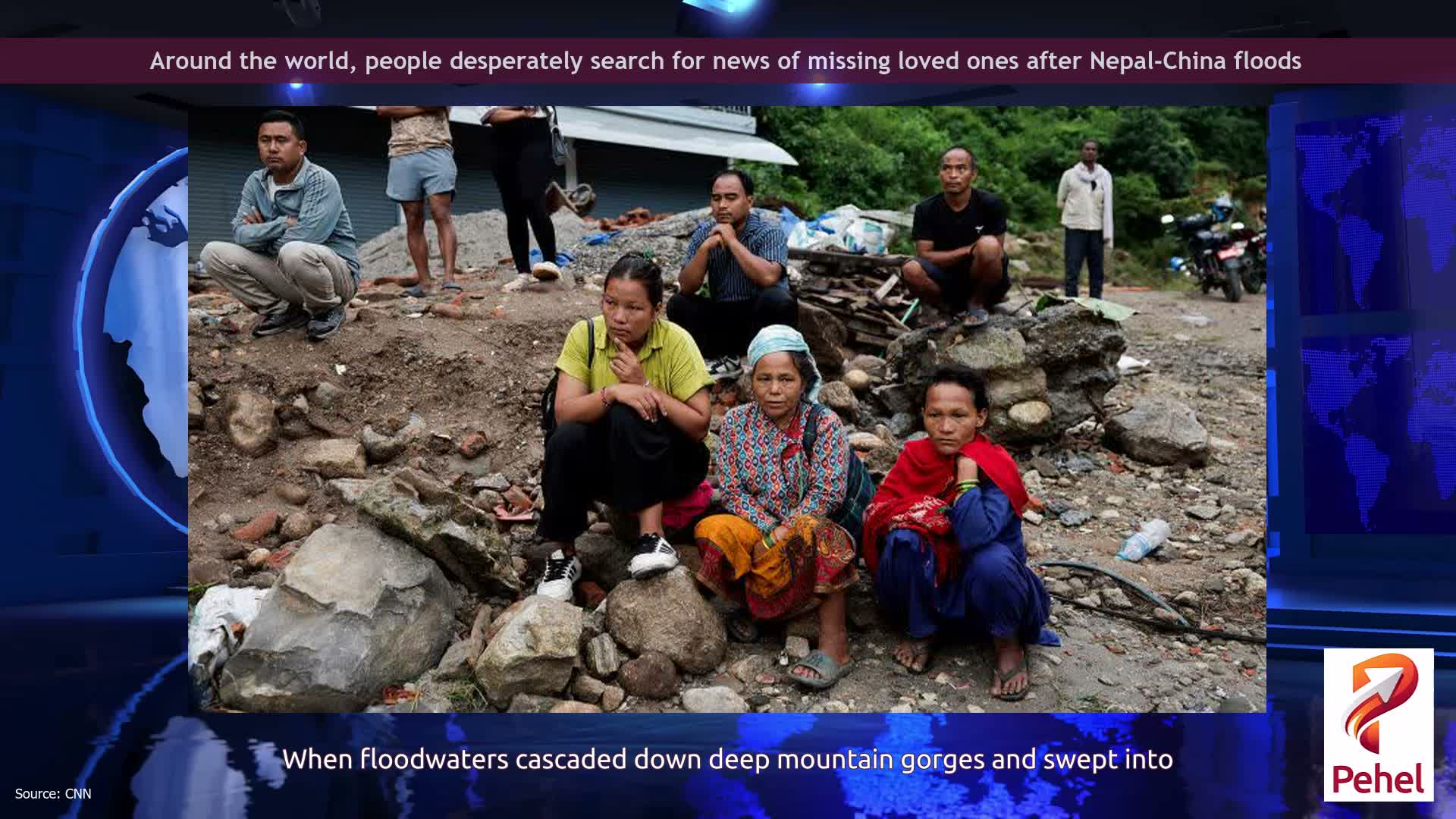
Everyone in the group had lost a relative or friend.
Like Chandra, many had even lost their clothes to the torrent, and were attired in borrowed trousers, shirts and sandals, lent by villagers when they had scrambled to safety.
Bhakti Ram Bohara is one of the survivors.
By his account, he is in a minority.
He estimated there were about 1000 people working on his and other nearby projects.
Only around 100 of those had made it out.
Among the missing was his brother-in-law. They worked with on the same team, spending weeks away from their families at a time, and sending money back to their home villages.
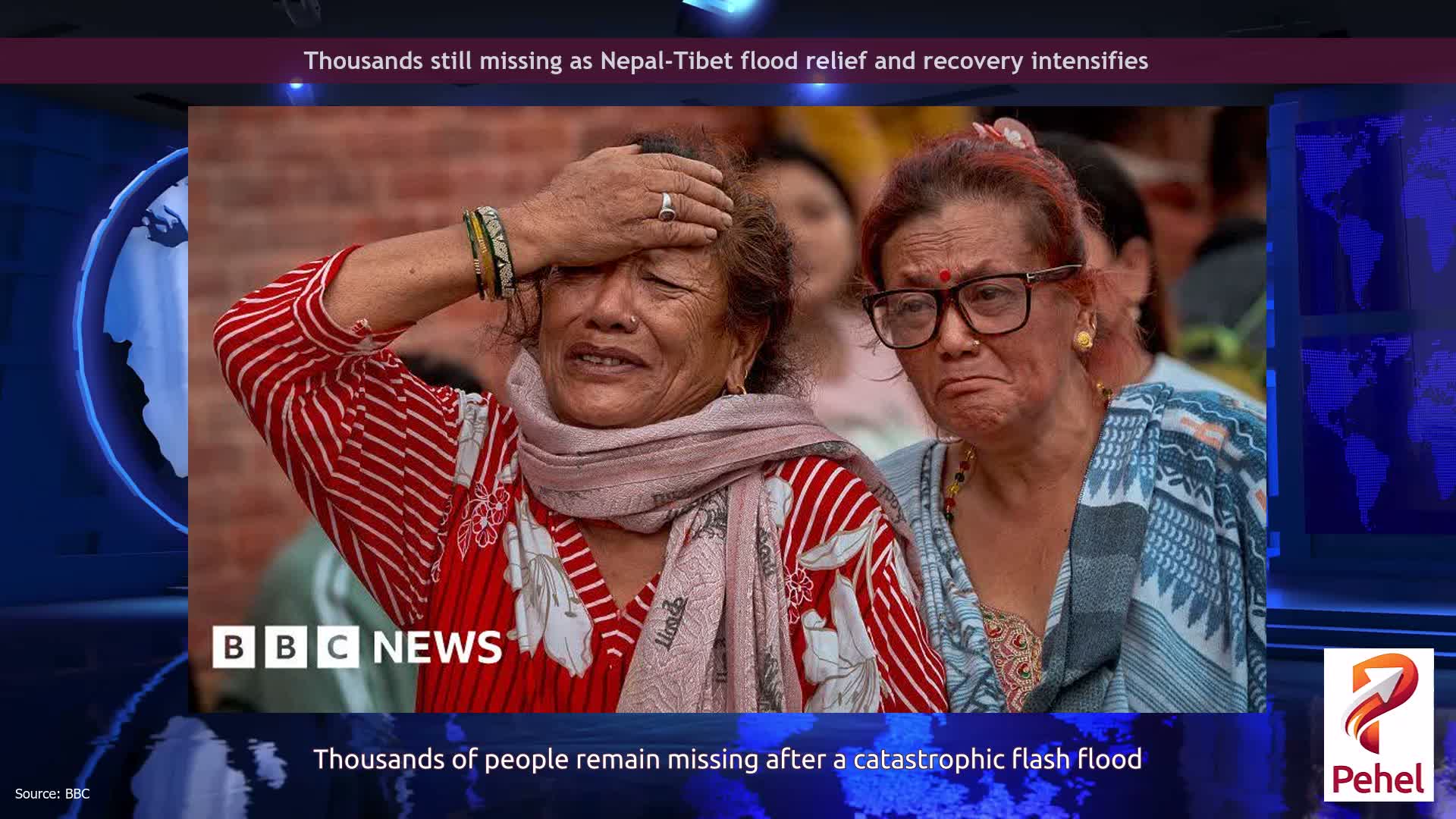
“His wife is my sister, and she is pregnant,” he said, breaking down into tears.
Amar Bista, a tour guide, was not working at the tunnels but rushed into action as soon as he heard of the catastrophe at the site, where dozens of his family members and friends worked.
The task of finding out who was missing and who was safe, and then bringing them out had been a near impossible task.
He hadn’t slept for four days, he told CNN, standing with the group he had help saved.
“They all are from my area, you know,” he said through tears, gesturing to the men standing silently around him.
When he reached the site by helicopter, the scale of the disaster hit him hard.
“People still have hope,” he said, referring to media reports of people being rescued from the worst affected areas. “But the reality is nothing.”
“A lot of nights I cannot sleep (because I’m) crying. You know, like some of my cousins, sisters, they lost their kids. You can only imagine, like 18 year kids,” he said.
As he spoke, a constant stream of military and civilian helicopters roared overhead on the seemingly ceaseless task of bringing out survivors and the dead. He said he was grateful for the work of the authorities.
Up at the disaster site, the rescue required something almost unthinkable: going back into the tunnels that had claimed so many of his people.
“No one wants to go back there,” he said. “But they want their friends back.”
Late on Sunday the group filed onto a bus that would take them back to the capital Kathmandu, the first step in a journey back to Jumla and their families that can take days by road.
“We want people to know we tried our best to bring our friends back,” Amar said, his voice wavering. “Even the dead body.”