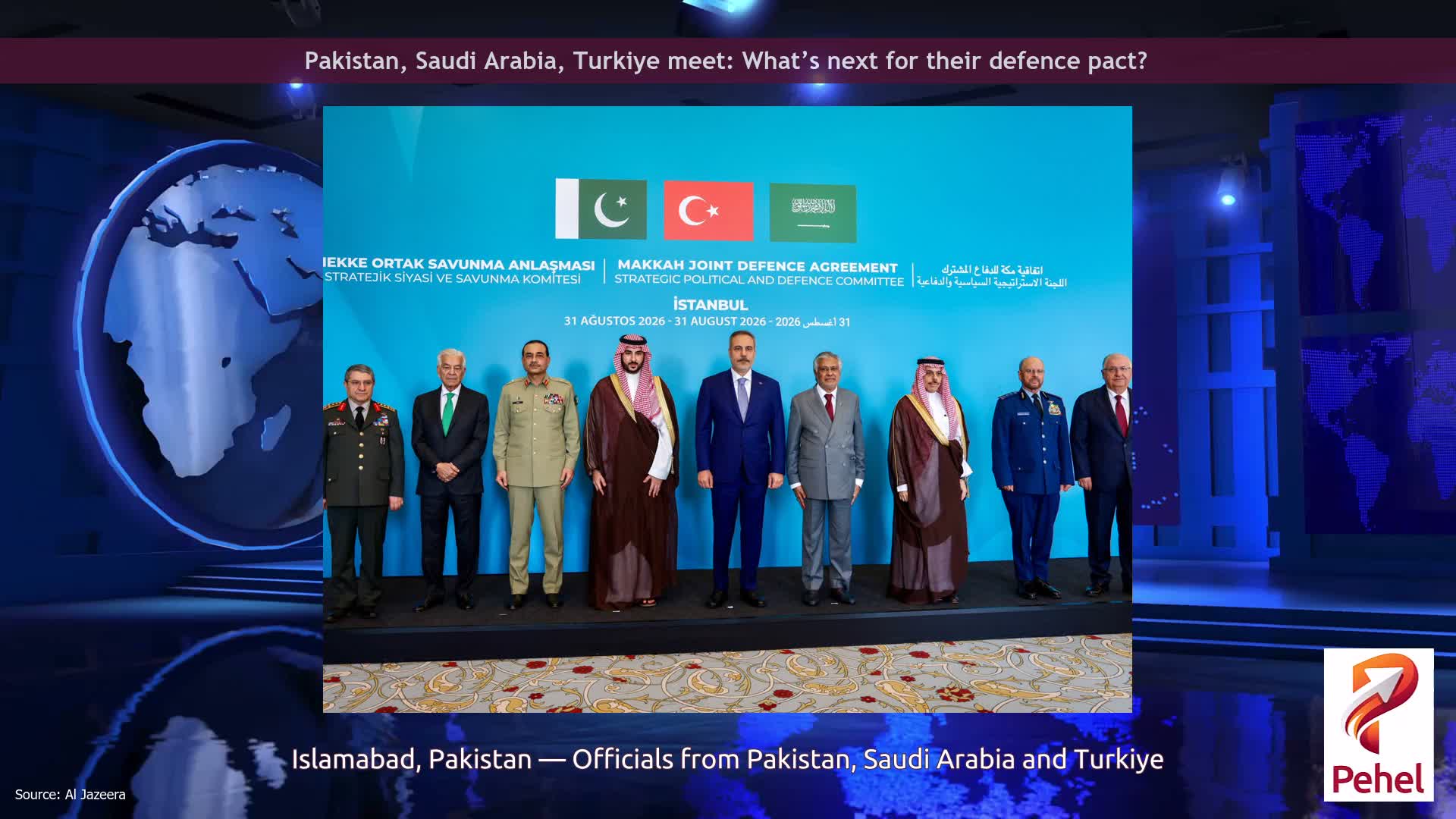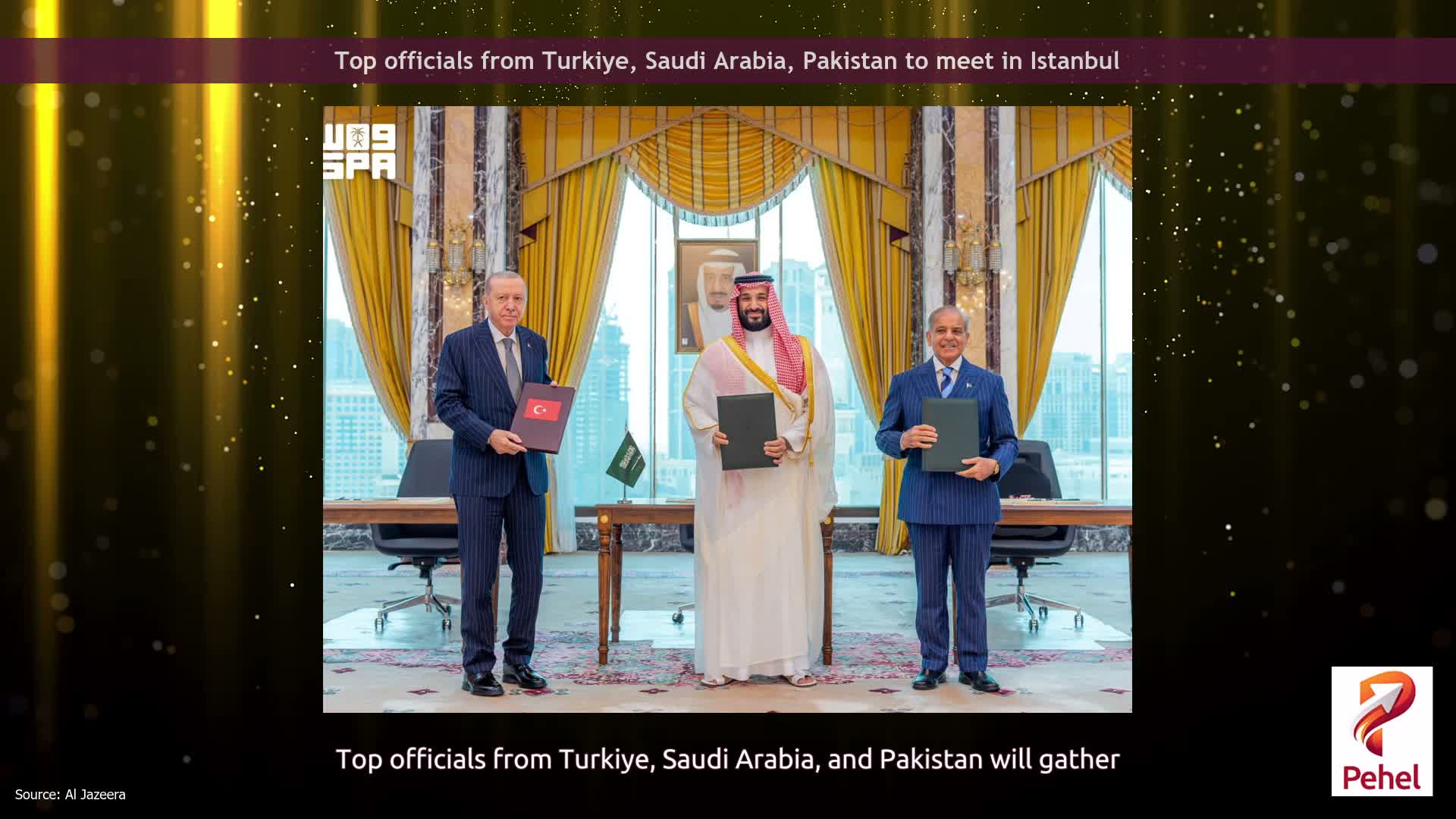
The Makkah Joint Defence Agreement signed by Pakistan, Saudi Arabia and Turkiye may on the face of it appear to be a creation of an Islamic equivalent of the North Atlantic Treaty Organisation (Nato).
It plainly is not, but reflects a gradual, yet unmistakable, reordering of the Gulf’s security architecture at a time when confidence in traditional security arrangements is under unprecedented strain.
For decades, the Gulf’s security rested upon an uncomplicated bargain under which the United States guaranteed regional stability, safeguarded maritime trade and energy infrastructure, and in return retained an unrivalled strategic presence across the region. Though that arrangement has not disappeared, repeated crises over the past few years have exposed its growing limitations.
The inability of that arrangement — which emerged after Iraq’s invasion of Kuwait — to deter attacks on energy facilities, repeated disruptions to commercial navigation, uncertainty generated by Washington’s changing regional priorities, and the prolonged confrontation with Iran have collectively persuaded Gulf capitals that they now require additional security beyond exclusively relying on the US.
The Pakistan-Saudi-Turkiye mutual defence pact should therefore not be seen as an attempt to replace the American security umbrella; rather, it should be taken as an effort to supplement it with a regional mechanism comprising countries that already had longstanding military relationships, institutional familiarity and considerable political trust.
That is an important factor to consider because the newly signed agreement is fundamentally defensive, and neither creates a military bloc nor establishes a permanent integrated command.
What the three countries are instead aiming to do is to institutionalise mutual defence planning, intelligence cooperation, joint training, interoperability and coordinated responses to common security threats while retaining each participant’s sovereign control over decisions involving the use of force.
The pact has not emerged accidentally. Rather, it follows months of heightened regional instability that witnessed the Iran-US-Israel war , repeated disruptions to navigation in the Strait of Hormuz, Houthi attempts to blockade commercial shipping in the Red Sea and Bab el-Mandeb, and growing concerns among Gulf states about the vulnerability of maritime energy routes.
The recent Saudi initiative to establish a multinational maritime coalition also reflected the same strategic thinking. In that context, the defence pact signed today merely represents the broader political and military expression of that evolving security architecture.
Although it is formally a trilateral agreement, practically, it is not a partnership of equals in terms of what each member contributes.
Saudi Arabia brings to the table the geography, financial resources and the strategic requirement that necessitated such an arrangement. As the country with the world’s largest oil export infrastructure and also one of the principal targets of missile, drone and maritime attacks in recent years — not just during the Iran-US-Israel conflict — the Kingdom possesses perhaps the greatest incentive to strengthen collective defence. Riyadh, moreover, provides the political centre of gravity around which much of the emerging Gulf security framework is being constructed.
Pakistan contributes something different, being the country with one of the Muslim world’s largest and experienced militaries, considerable expertise in conventional warfare, counter-terrorism, strategic deterrence and operational planning, together with decades of defence cooperation with Saudi Arabia. Pakistani armed forces have repeatedly participated in the Kingdom’s defence structure, while the navy has gained significant experience through multinational maritime operations and protection of sea lines of communication.
Pakistan’s strategic relevance also derives from geography: even though it is not a Gulf littoral state, it still overlooks the Arabian Sea approaches through which much of the Gulf’s maritime traffic eventually passes, making maritime stability directly linked to its own economic and energy security.
The new trilateral pact does not supersede the bilateral Pakistan-KSA Strategic Mutual Defence Agreement signed last year; rather, it builds upon it. The bilateral agreement is likely to remain the cornerstone of defence ties between Islamabad and Riyadh, particularly in terms of institutional mechanisms for security cooperation. However, by incorporating Türkiye, the new framework expands cooperation into a broader strategic arrangement, adding capabilities that a bilateral partnership could not have provided. Therefore, the trilateral pact can be seen as an evolution of the existing architecture rather than the creation of an entirely new one.
Türkiye brings with it capabilities that neither of the other two partners possesses in equal measure. Its defence industry has emerged as one of the fastest growing in the world, producing advanced unmanned systems, precision guided munitions, naval platforms, electronic warfare capabilities and increasingly sophisticated aerospace technologies.
Furthermore, Turkish forces have accumulated operational experience across multiple theatres, while Ankara’s expanding defence exports make it an important military supplier across the Middle East, Africa and Central Asia. The Turkish inclusion would therefore give the pact an important technological dimension alongside conventional military capability.
Whether the agreement materially alters the regional military balance is another matter. For now, it looks like this pact won’t shift the balance of power. Iran retains significant missile capabilities, a large inventory of drones, extensive proxy networks and considerable leverage over the Strait of Hormuz through geography alone.
Israel, meanwhile, continues to enjoy overwhelming qualitative military superiority backed by US.
At the same time, American military infrastructure across the Gulf remains unmatched in both scale and sophistication. This suggests that the trilateral arrangement would not create an alternative strategic pole capable of independently reshaping the regional balance of power.
That said, the pact isn’t without significance. Its value in fact lies in changing calculations at the margins, as any actor contemplating coercive military action against one member must now factor into its assessment the possibility, even if undefined, of coordinated political, military or logistical support from the others. That’s why strategic ambiguity, carefully inserted within mutual defence arrangements, is often more useful than detailed operational commitments: because it complicates an adversary’s planning without unnecessarily constraining allies.
The principal beneficiary of the arrangement is therefore Saudi Arabia, which acquires an additional layer of deterrence precisely when its energy infrastructure, maritime commerce and broader economic transformation under Vision 2030 depend upon sustained regional stability. Moreover, diversifying security partnerships also enhances Riyadh’s strategic autonomy.
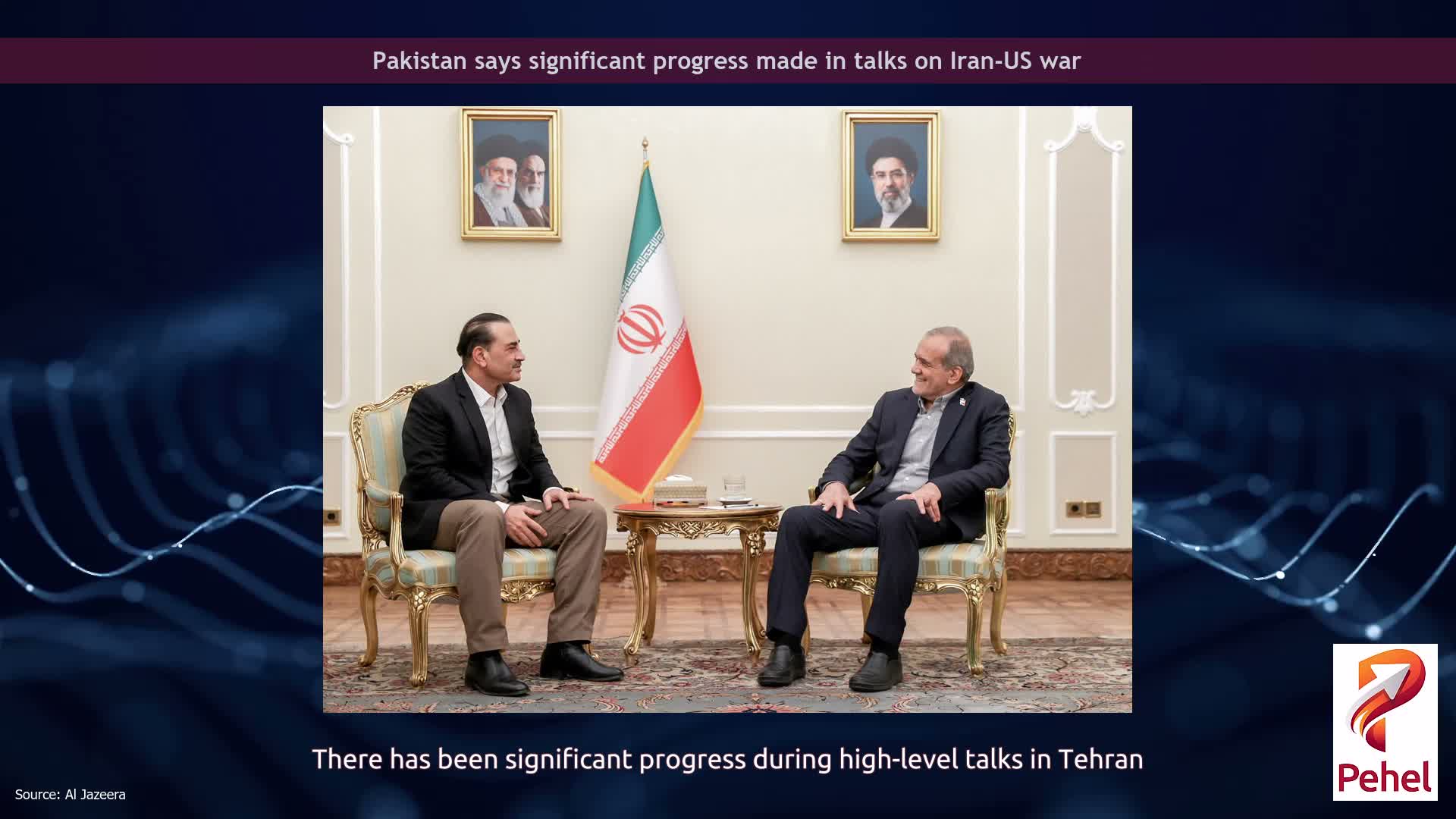
Pakistan benefits from the arrangement by consolidating its position as a central security partner for the Gulf at a time when Islamabad has simultaneously emerged as a diplomatic actor following its role in facilitating dialogue during the Iran-US crisis. This would reinforce Pakistan’s strategic relevance beyond South Asia, strengthens military diplomacy with key Gulf partners and potentially expands opportunities for defence exports, joint production, intelligence cooperation and military modernisation.
This also has significant economic implications for the country, which relies on Gulf region for its oil supplies, but also economic assistance, investments and trade. The agreement, meanwhile, enables Türkiye to extend both its strategic influence and defence industrial footprint.
Beyond the immediate benefits accruing to each member, the agreement merits attention as a serious attempt by three influential Muslim countries to assume greater ownership of regional security and gradually move away from an architecture that has traditionally depended upon external powers. Whether that ambition translates into a meaningful strategic framework, however, will depend less upon the treaty itself than upon the willingness of its members to institutionalise enduring military cooperation and convert political intent into operational reality.