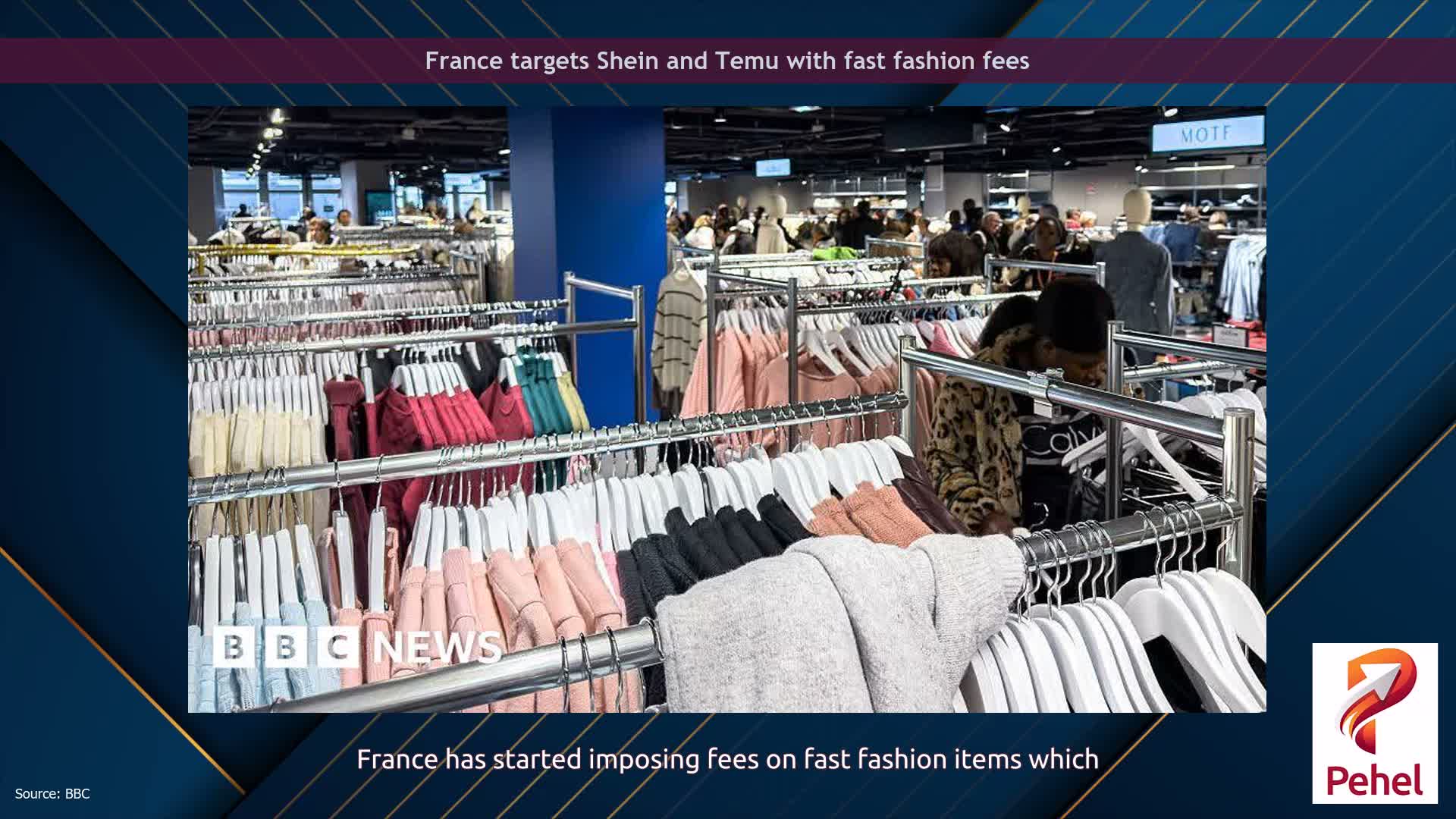
The European Union introduced a €3 customs charge on low-value e-commerce imports on Wednesday, ending the duty-free treatment previously available for many orders worth up to €150.
The measure applies to low-value goods entering the EU from outside the bloc, but it is expected to affect Chinese platforms such as Shein, Temu and AliExpress particularly heavily. The EU says the change will address unfair competition faced by European retailers.
The €3 charge applies to each separate customs classification within a shipment rather than to the parcel as a whole.
A parcel containing three different types of products would therefore attract a total charge of €9. However, a shipment containing several dresses or several toys under the same customs classification would face one €3 charge.
The seller, importer or customs representative will generally be responsible for paying the duty, although platforms may pass some or all of the cost to customers through higher prices.
Low-value import duty exemptions have existed for decades, while the previous €150 threshold was introduced in 2008.
The system originally reduced the administrative work involved in collecting small amounts of customs duty. However, the growth of cross-border online shopping has sharply increased the number of parcels using the exemption.
The EU received 5.8 billion e-commerce shipments worth less than €150 in 2025, up from 1.4 billion in 2022.
EU lawmaker Dirk Gotink, who leads work on customs reform in the European Parliament, said the exemption made sense under earlier trading conditions but no longer reflected the scale of modern e-commerce.
He said companies had used the exemption on an industrial scale to gain an advantage over EU businesses.
The change is another setback for Chinese e-commerce platforms that built rapid growth around low-cost goods shipped directly to customers.
The United States, previously their largest market, ended its de minimis exemption for imports from China in May and removed it for all imports at the end of August.
Derek Lossing, an e-commerce and air-cargo consultant who runs Cirrus Global Advisors, expects e-commerce air shipments into the EU to fall by between 10% and 35% during the first weeks of the new charge.
He said Europe had provided platforms with an alternative market after the US ended its exemption, but there was now no similarly clear replacement. A decline in European shipments could also affect global air-cargo volumes.
Platforms may pressure their suppliers to absorb part of the new cost to limit price increases and protect profit margins.
Shein has been preparing for the rule by increasing warehouse capacity in Wroclaw, Poland, and importing more products into the EU in bulk. Shein and Temu did not respond to requests for comment.
The new duty is likely to raise prices if online retailers transfer the additional costs to customers.
AliExpress, which is owned by Alibaba, said applicable listings would display a “Price includes duties and VAT” notice. Customers buying other products will see a breakdown of import costs before completing their orders.
Amazon said 97% of its EU orders during the previous year were fulfilled from warehouses located inside the bloc. It will display import costs before checkout for products shipped from outside the EU.
Amazon introduced its low-cost Amazon Haul service following the rapid growth of Shein and Temu.
The €3 duty is a temporary arrangement and will remain in place until July 1, 2028.
The EU will then replace it with standard category-specific customs duties when its new customs data system is scheduled to begin handling e-commerce imports.
Get the latest tech news, telecom insights, and product launches wherever you prefer.
Add ProPakistani to Preferred Sources and see more of our stories in Google Search and Top Stories.
Shares