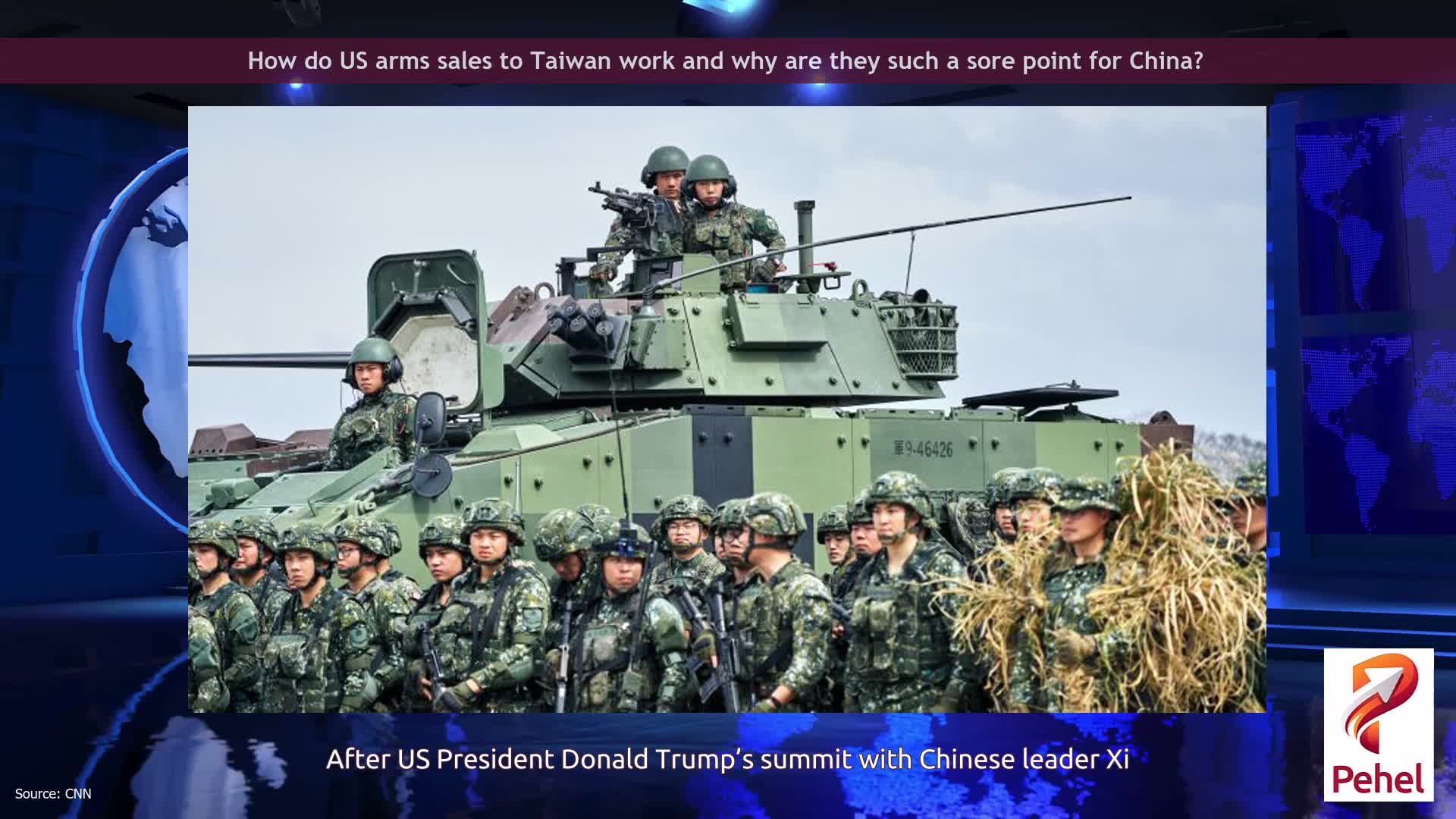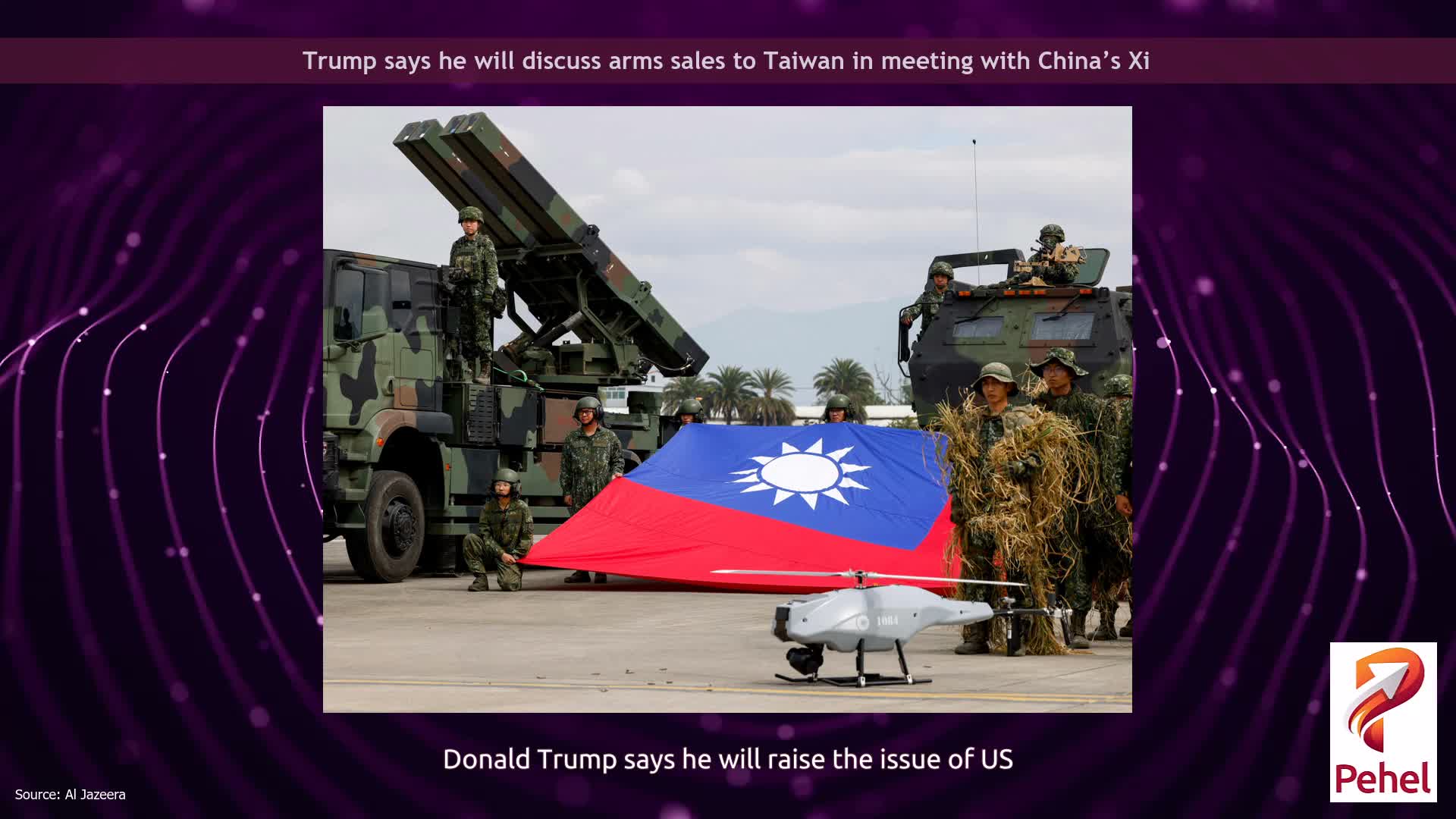
Taiwan’s government pressed the case on Saturday for US arms supplies, saying they are based on US law and serve as a shared deterrent to regional threats, after US President Donald Trump said he had not decided on future sales.
Despite a lack of formal diplomatic ties, the United States is the most important international backer for democratically governed Taiwan, which China claims as its territory. Washington is bound by the Taiwan Relations Act to provide weapons to the island.
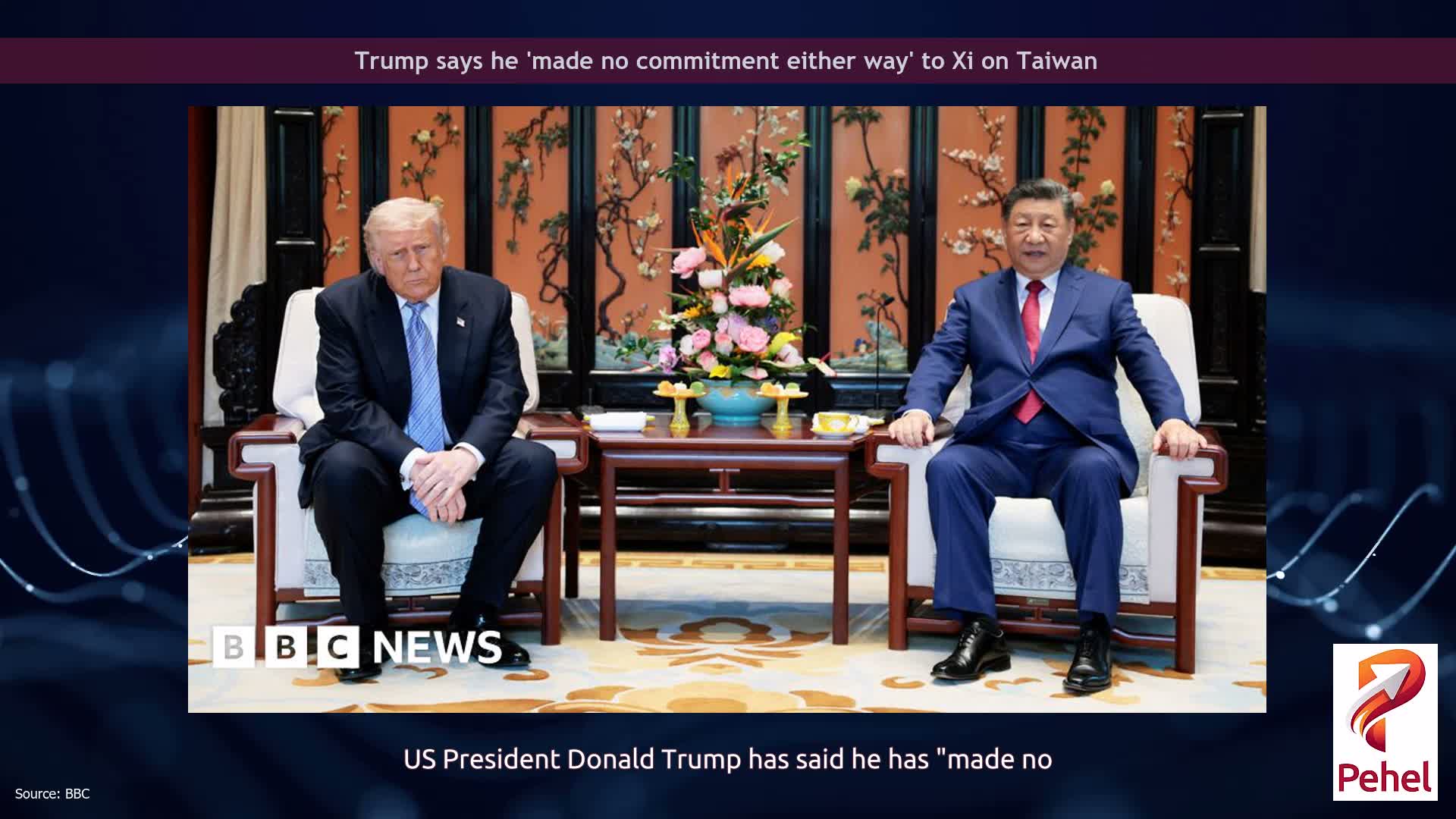
But on Friday, after a summit with Chinese President Xi Jinping in Beijing, Trump said he had not decided whether to proceed with a major weapons sale, adding to uncertainty about US support for Taiwan.
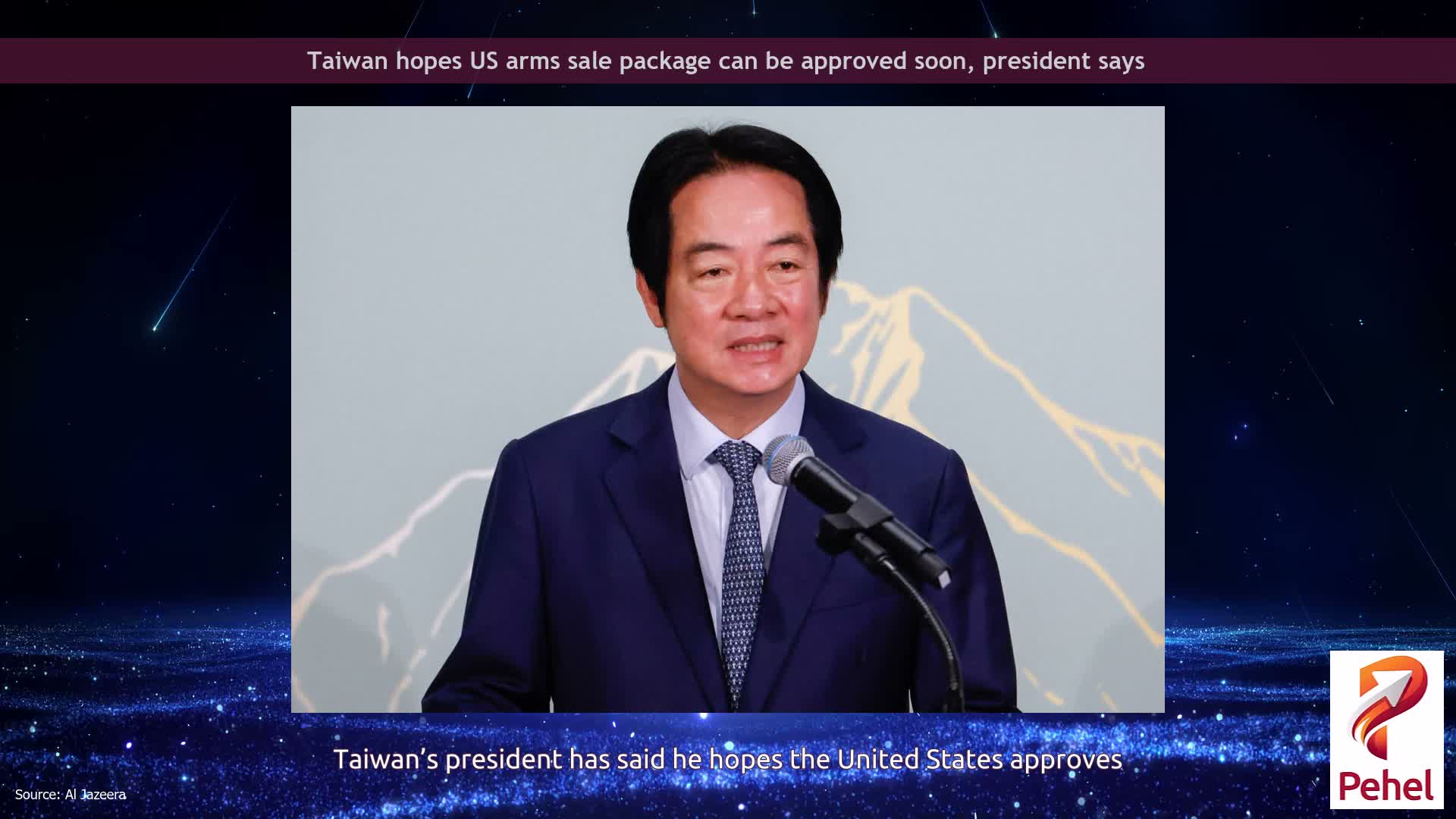
In a statement, Taiwan President Lai Ching-te’s spokesperson Karen Kuo said China’s escalating military threat is the “sole destabilising factor” in the Indo-Pacific region, including the Taiwan Strait.
“Furthermore, military sales between Taiwan and the US are not only a reflection of the US security commitment to Taiwan as stipulated in the Taiwan Relations Act, but also serve as a mutual deterrence against regional threats,” she said.
Taiwan thanks Trump for his long-standing and continued support for security in the Taiwan Strait, and Taipei continues to deepen cooperation with Washington, Kuo added.
In December, the Trump administration approved a record $11 billion arms sale package for Taiwan. Reuters has reported a second one, worth around $14bn, still awaits Trump’s approval.
Speaking to reporters in Taipei earlier on Saturday, Taiwan Deputy Foreign Minister Chen Ming-chi declined to comment on the second package because it has yet to be made public, saying Taiwan would continue to communicate with the US to understand the situation from Washington’s side.
Taiwan’s government has been stymied by the opposition-controlled parliament in trying to pass $40bn in extra defence spending. Earlier this month it approved two-thirds of what the government wanted but specified it was for US arms.
US Republican and Democratic lawmakers have strongly urged the Trump administration to continue with weapons sales.
Kuo Yu-ren, vice president of the Institute for Policy Research, a Taiwan think tank, said Trump might delay approving the new package until after late September when he has invited Xi to visit the US.
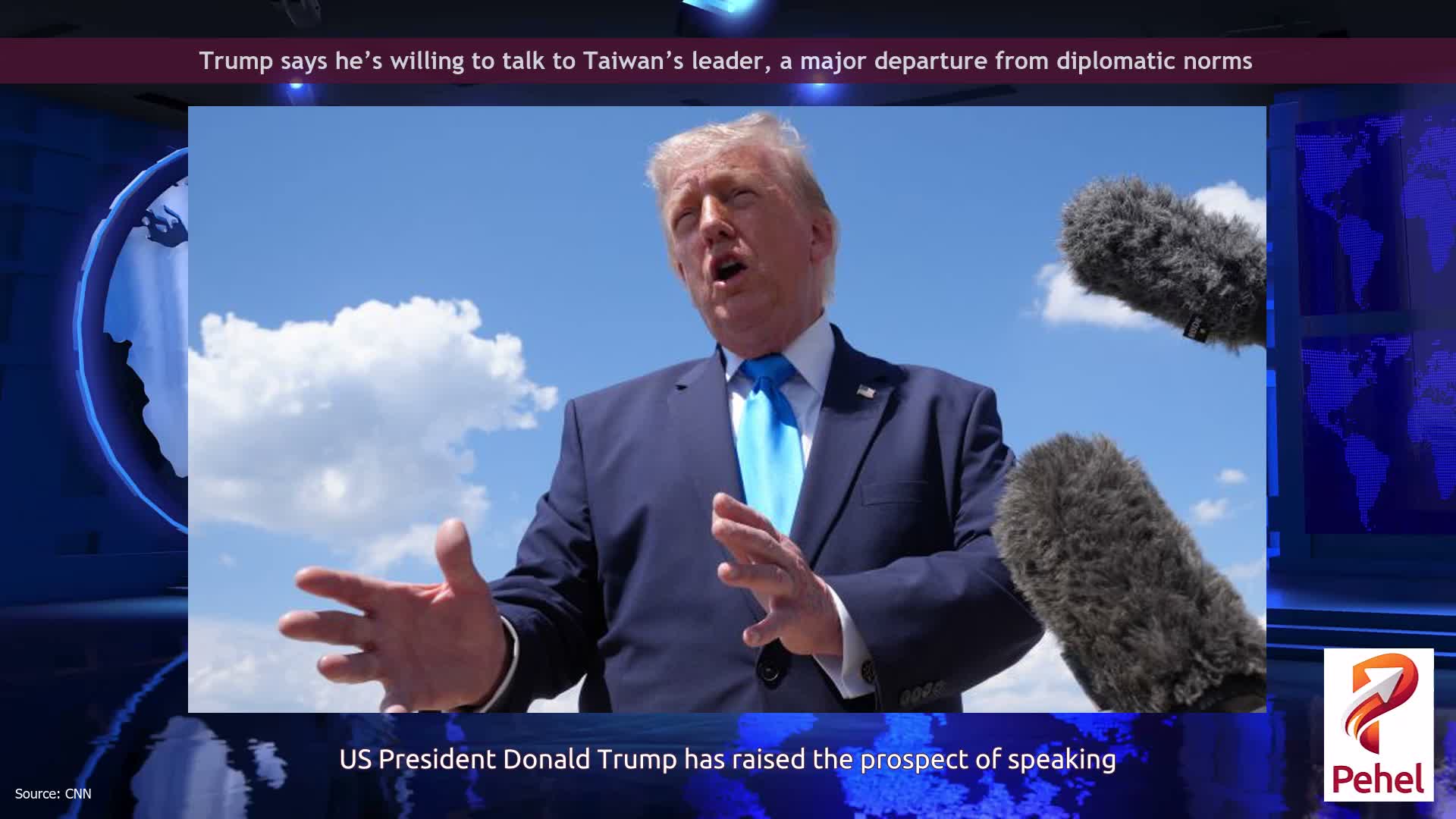
In comments to journalists after his summit with Xi, Trump also appeared to suggest he would speak with President Lai about the proposed sale, saying, “I have to speak to the person … that’s running Taiwan.”
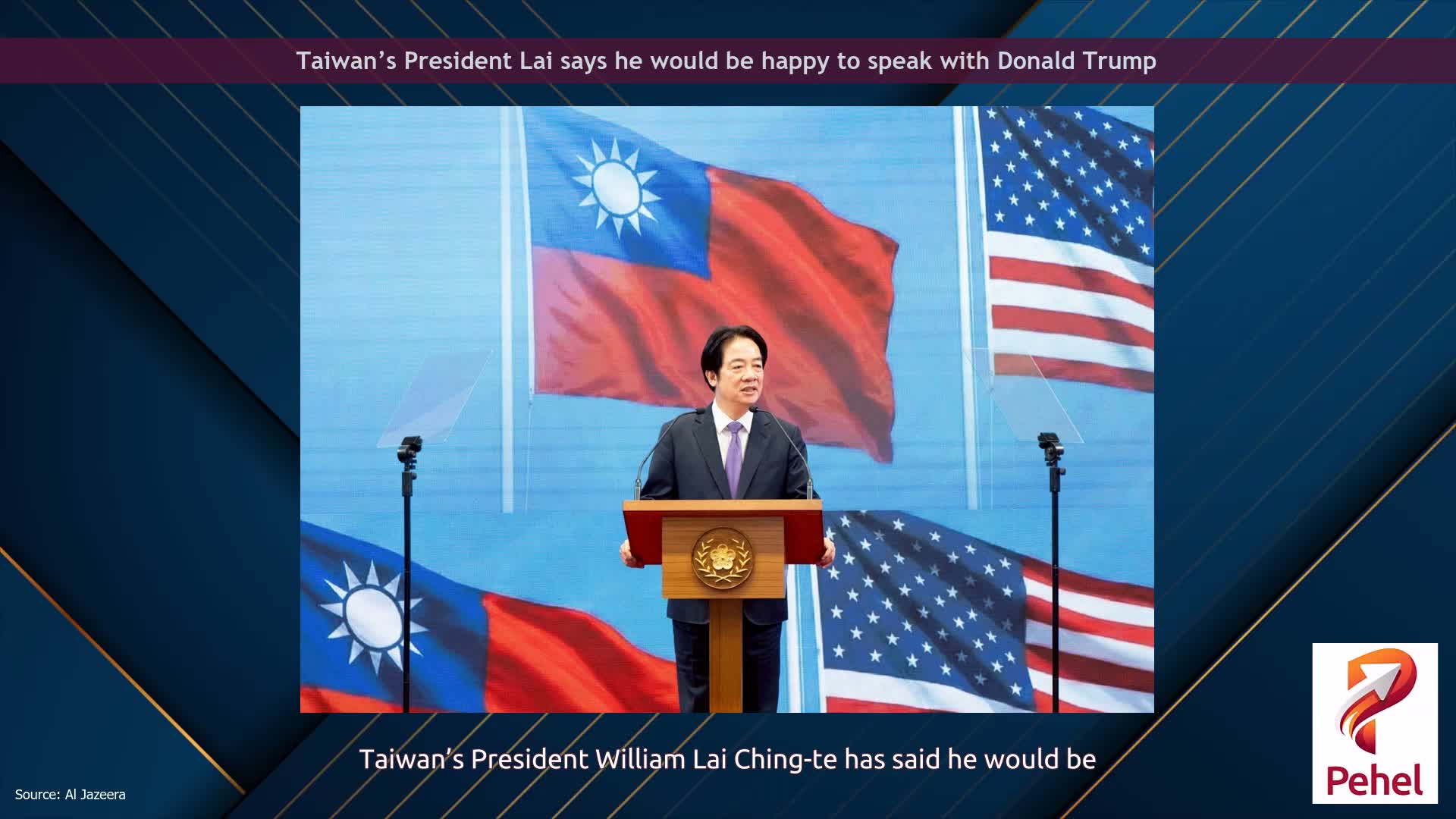
Asked about that possibility, Deputy Foreign Minister Chen said Taiwan still needed to try to understand the “true intent” of Trump’s remarks.
While spokesperson Kuo’s statement made no mention of whether Lai and Trump would speak, a senior Taiwan security official said the implication from Trump was “quite clear”.
“The party with whom arms sales are to be discussed is Taiwan, not Beijing,” the official said, speaking on condition of anonymity given the sensitivity of the matter.
China has never renounced the use of force to bring Taiwan under its control and has rebuffed repeated offers of talks from Lai, whom it says is a “separatist”.
Lai’s spokesperson reiterated the government’s long-standing position that the Republic of China, Taiwan’s formal name, is a “sovereign, independent democratic country”.
“This is self-evident, and Beijing’s claims are therefore without merit,” Kuo said.
China’s military, which operates around Taiwan almost daily, did not let up its pressure while Trump was in Beijing on Thursday and Friday.
Shen Yu-chung, a deputy minister at Taiwan’s China-policymaking Mainland Affairs Council, said China has long sought to use pressure to push for talks and military force to push for “unification”.
“That has always been the basic tone of its Taiwan policy,” he said, standing next to Chen.