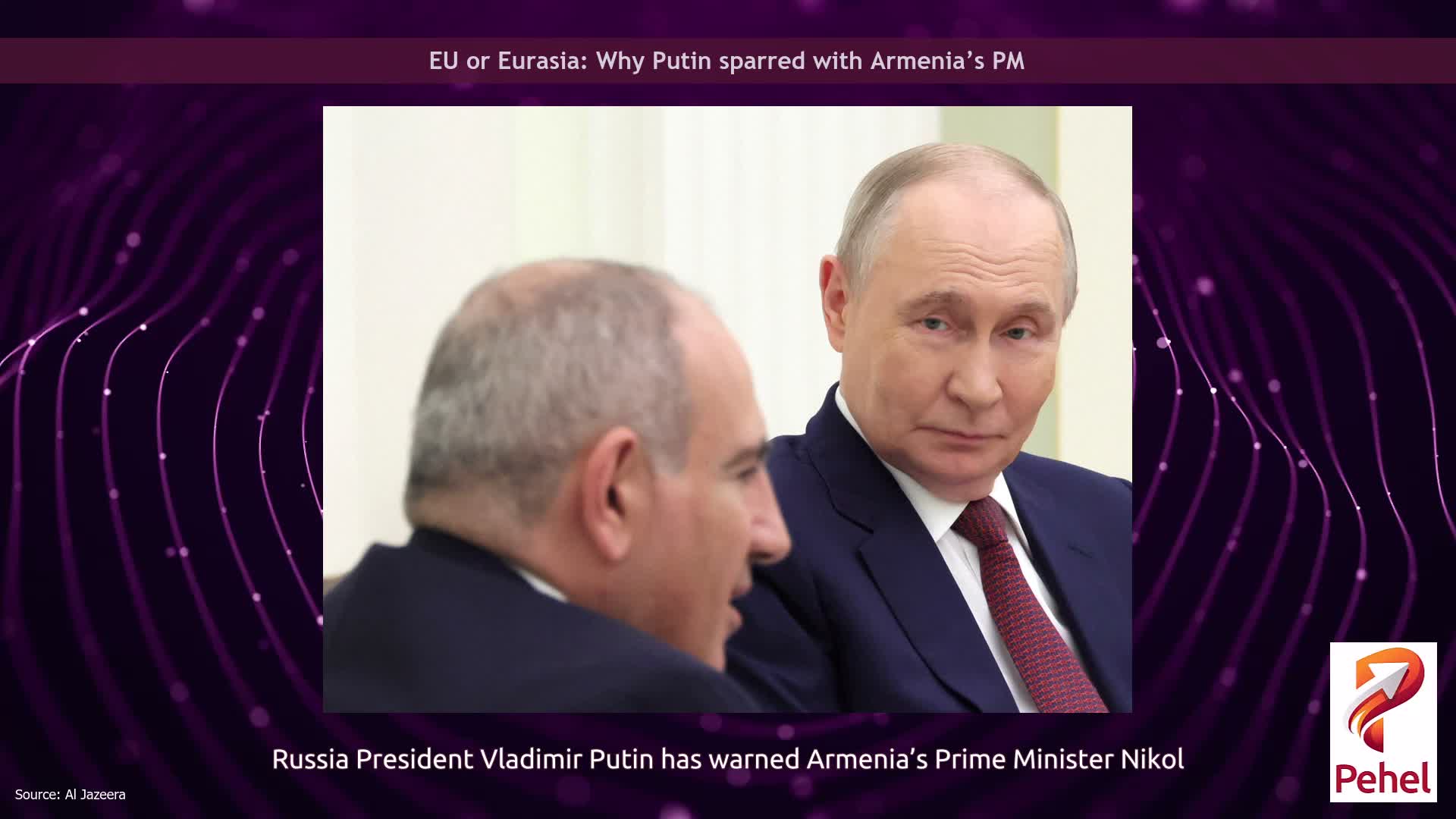
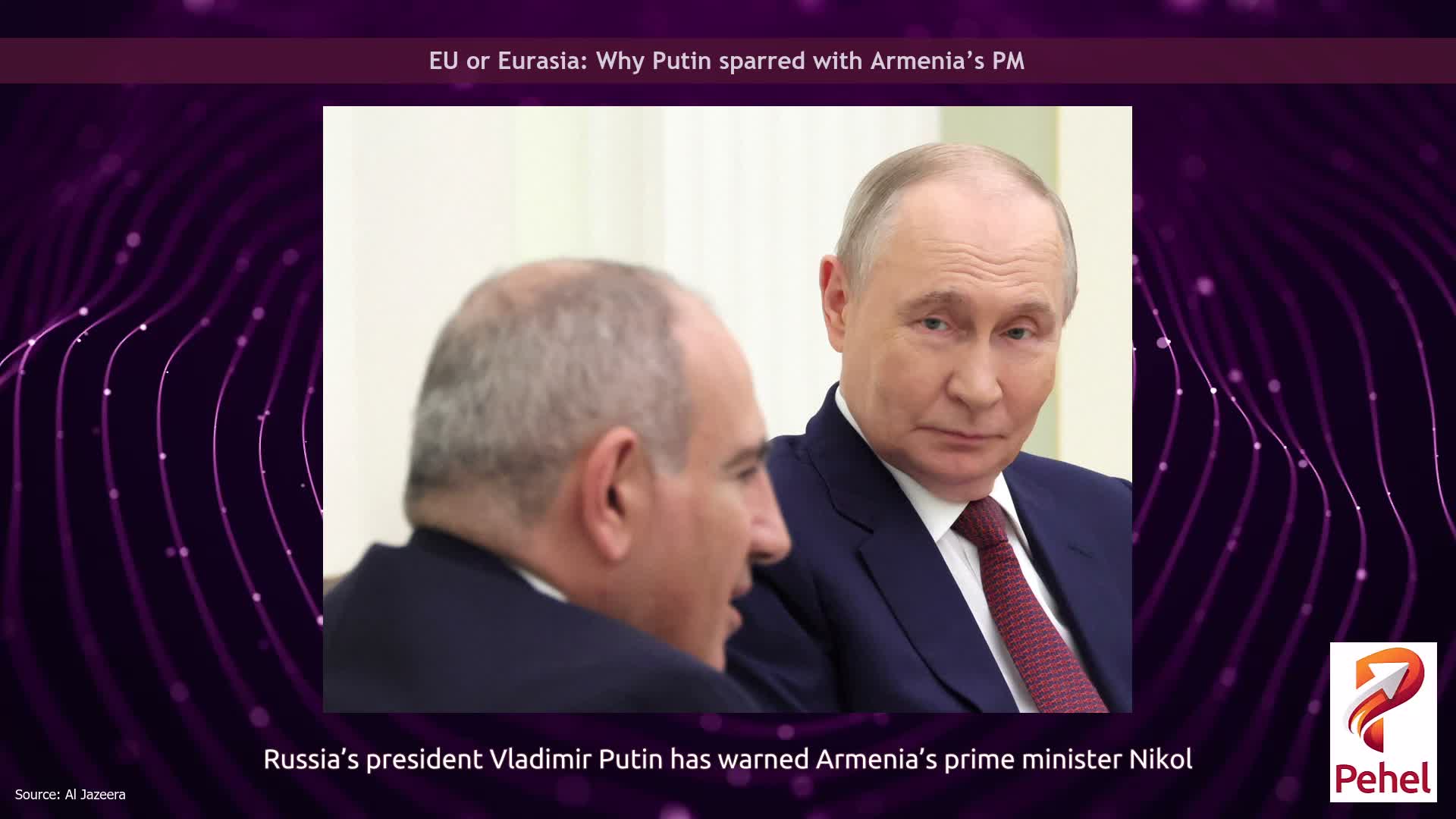
Armenian Prime Minister Nikol Pashinyan had appeared poised to win a clear victory in a closely watched parliamentary election Sunday, but the ballot result now defies easy geopolitical takeways.
In results announced Monday, Armenia’s Central Election Commission said Pashinyan’s ruling Civil Contract party had secured 49.81% of the vote, Reuters reported. That puts Pashinyan well ahead of the opposition Strong Armenia party, but it means he may lack the overwhelming mandate he needs to solidify a pivot away from Russia – the country’s longstanding security guarantor and trading partner – and to negotiate a lasting peace with Armenia’s neighbor and longtime adversary, Azerbaijan.
Pashinyan declared victory after early results came in, though the final allocation of seats in parliament is unclear. Smaller parties need to cross a 4% threshold to win seats, and it does not appear at this stage that Pashinyan will have the two-thirds constitutional majority to push through the most ambitious parts of his agenda.
The elections in Armenia were widely viewed as a referendum on the direction of the country’s foreign policy. Pashinyan ran on a pledge to secure peace with Azerbaijan, normalize ties with Turkey and strengthen ties with the European Union, a platform that won an endorsement from US President Donald Trump.
In a post on Truth Social ahead of the vote, Trump said Pashinyan “has my COMPLETE and TOTAL Endorsement for Re-Election on June 7, 2026. With Nikol’s help, we will bring the United States, Armenia, the South Caucasus, and Central Asia to greater heights than ever before. Make (Armenia) Great Again.”
Trump also played up his efforts to bring Armenia and Azerbaijan to the negotiating table as part of his ambition to be known as a global peacemaker. And in a bit of added branding, one piece of a potential deal between the countries would include granting the US exclusive rights to a transportation corridor through Armenia known as the Trump Route for International Peace and Prosperity (TRIPP) .
Armenia’s pivot to the West has irritated the Kremlin, however. In the run-up to the elections, Russia upped pressure on its ally by slapping import bans on Armenian products, including fresh fruit, flowers and spirits. The signal from Moscow appeared clear: Strengthening ties with Brussels and Washington would come at a cost.
In remarks ahead of the election, Russian President Vladimir Putin noted his country’s “special relations with the Armenian people” while not-so-subtly warning Armenia against a path of closer European integration.
“We are currently living through everything that is happening in respect of Ukraine,” he said. “And how did it start? It started with Ukraine’s joining or attempting to join the EU.”
Putin was distilling a bit of history there. Russia’s first direct military intervention in Ukraine – the annexation of Crimea and the launching of a proxy war in the Donbas region in 2014 – kicked off after Ukrainians ousted President Viktor Yanukovych in street protests over his government’s decision to suspend talks on a trade deal with the EU.
Armenia has been gradually moving away from Russia’s orbit in recent years. But that move accelerated following Armenia’s crushing military defeat by Azerbaijan in 2023, when the latter launched an offensive to retake Nagorno-Karabakh, a majority ethnic Armenian breakaway enclave. The military operation displaced more than 100,000 ethnic Armenians and forced Armenia into a major rethink of its security ties with Moscow, which it saw as having failed to protect the enclave from Azerbaijani aggression. In response, Pashinyan’s government froze its participation in the Russian-led Collective Security Treaty Organization.
In recent months, Pashinyan has pressed ahead on forging deeper ties with the EU, pursuing a reform agenda aimed at meeting the bloc’s accession criteria and hosting the first EU-Armenia summit last month. Armenia also played host to Ukrainian President Volodymyr Zelensky, a move that further rankled the Kremlin, especially because Pashinyan and Zelensky held talks in English, rather than in Russian, the old Soviet lingua franca.
In the June 4 readout of a phone call with Pashinyan, European Commission President Ursula von der Leyen said Russia’s economic restrictions on Armenia were “nothing short of economic coercion” and promised an EU support package and an easing of trade in some Armenian products.
“By extending export restrictions on Armenian products, Moscow is weaponizing economic relations for political pressure,” von der Leyen said. “We know this playbook all too well. This is why Europe stands firmly with Armenia.”
But Pashinyan has also sought to keep up a balancing act with Russia. The Armenian prime minister paid a visit to Moscow in April and met Putin; on June 1, Pashinyan’s birthday, he had a phone call with the Russian leader.
“Pashinyan has been doing a lot to keep Russia on board,” said Joshua Kucera, senior analyst for the South Caucasus at the International Crisis Group. “He is really trying to be multi-vector.”
Kucera, who spoke with CNN before Sunday’s election result, said Armenian government officials maintain they want a good relationship with Moscow, despite the shift away from security dependence on Russia. And he said that Russian posturing on Armenia might potentially ease after the election.
“I don’t know how much of this is substantive rather than rhetorical,” he said.
And Armenia’s path to greater integration with Europe is not expected to be an easy one, observers say.
“What the Kremlin is signaling to Armenia’s citizens and political elite is a warning that the European path at the expense of ignoring Russian interests comes with a price tag that Moscow alone determines. To claim, however, that Russian pressure automatically propels Armenian voters toward Europe would be naïve and analytically superficial. The Armenian government has been able to deepen its engagement with Europe although tangible outcomes of it are yet to be seen,” said historian Vahram Ter-Matevosyan.
“Additionally, Armenian public opinion has grown equally critical of Europe, particularly in the wake of the ethnic cleansing of Nagorno-Karabakh, a catastrophe of biblical proportion for Armenians, which was met with European inaction,” Ter-Matevosyan added.
Trump clinches Armenia-Azerbaijan deal — along with some personal branding and more Nobel Peace Price talk
It remains to be seen how Pashinyan might press ahead with his agenda, particularly when it comes to pushing through constitutional changes that Azerbaijan has demanded as part of any lasting peace deal.
At a press conference early Monday morning, Pashinyan claimed victory, saying Armenians had “voted for regional prosperity and cooperation and I hope this will draw a positive response from Turkey and Azerbaijan,” Reuters reported.
But Pashinyan’s pro-Russian rivals are also calling foul on the election results. Russian state news agency RIA-Novosti quoted Aram Vardevanyan – a representative of Strong Armenia, the party founded by Russian-Armenian billionaire Samvel Karapetyan – as saying numerous violations had been observed during the elections.
Whether the opposition can mount a challenge to the results, then, remains the question of the day for Armenia.