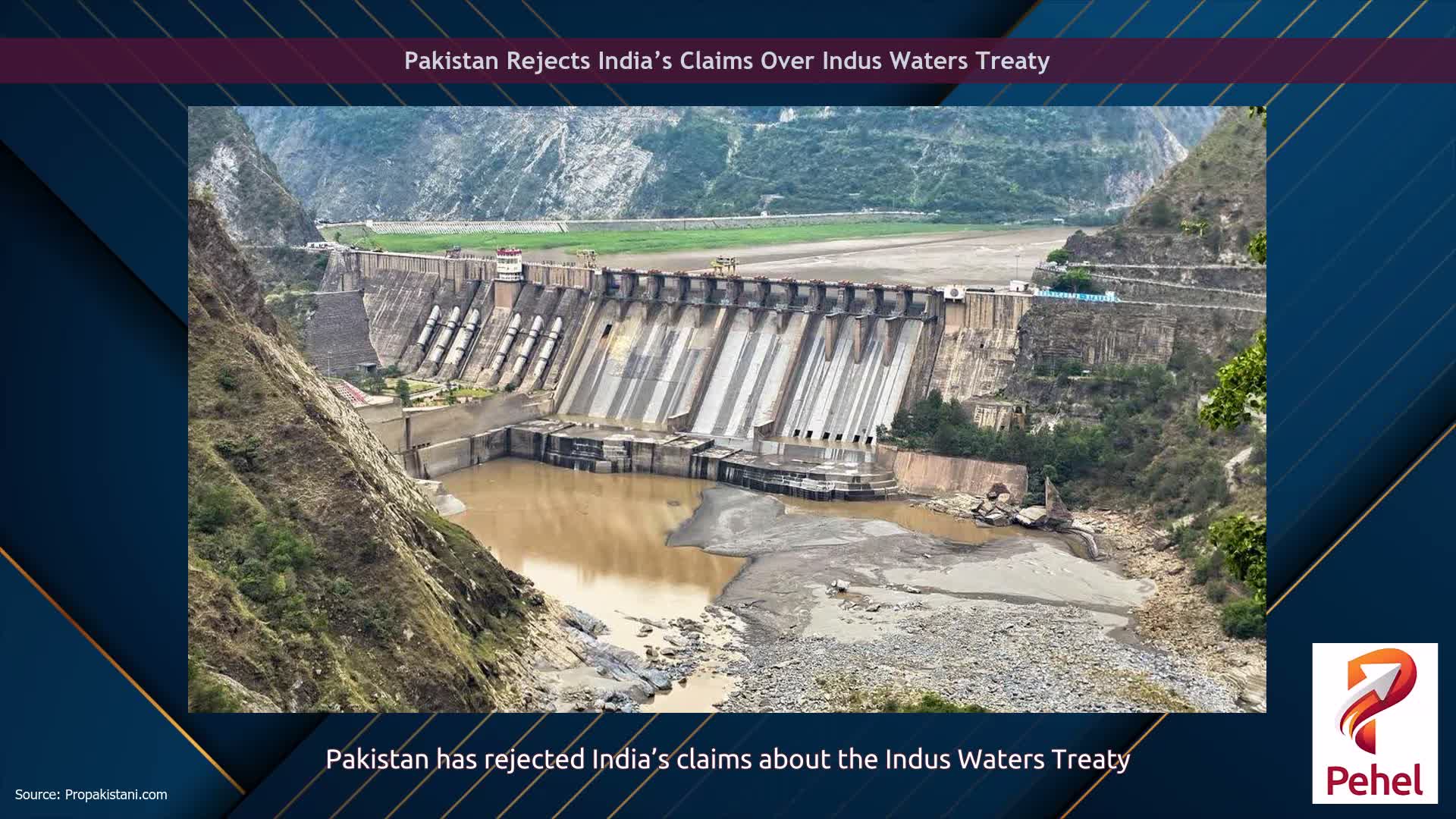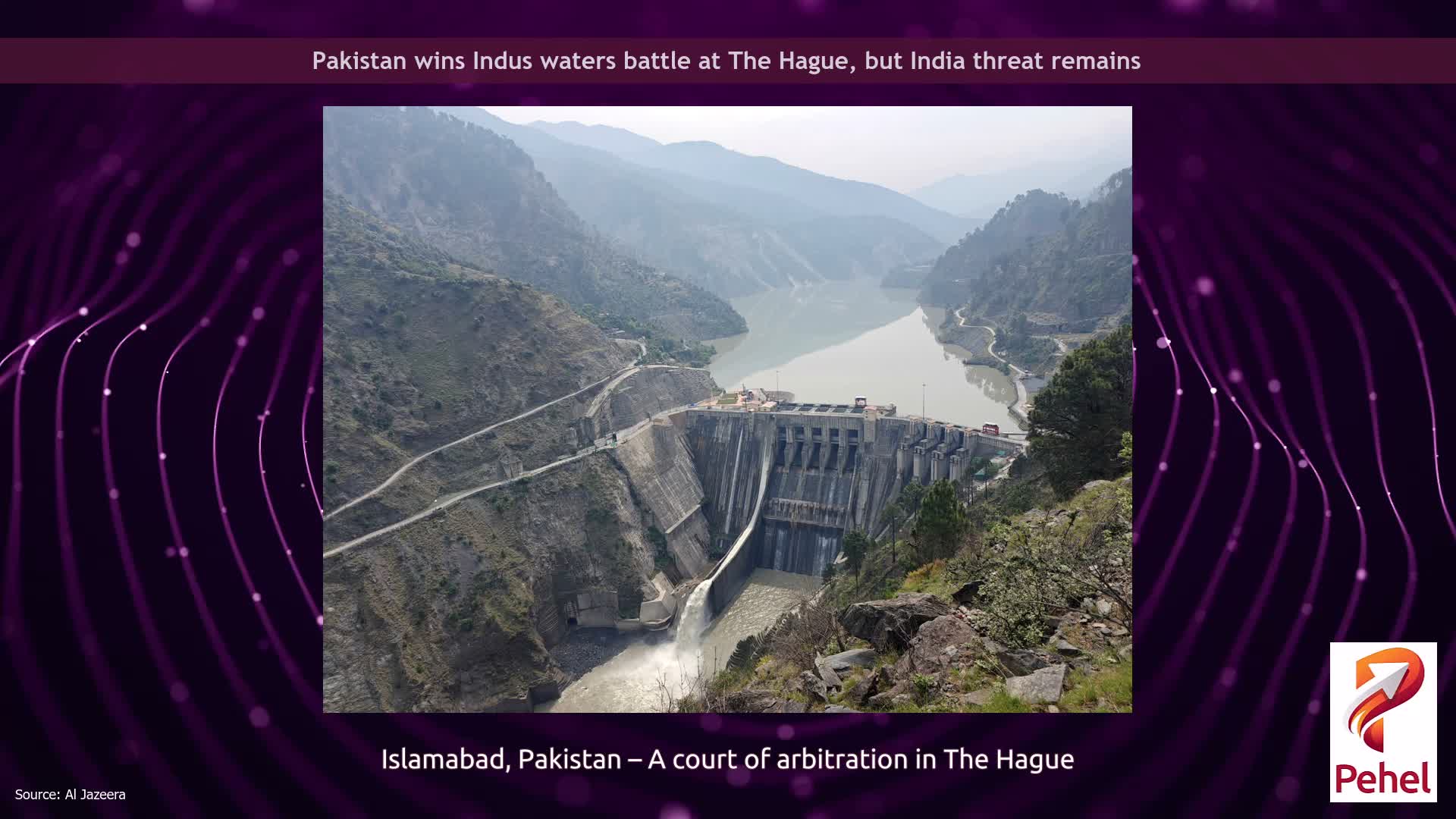
The Permanent Court of Arbitration (PCA) in The Hague has reaffirmed that the Indus Waters Treaty (IWT) remains fully in force and cannot be put on hold or terminated by either Pakistan or India acting alone.
In its latest decision, the tribunal upheld its earlier findings on the treaty’s validity, stressing that the legal regime governing the Indus river system continues to apply to both countries.
The case stems from Pakistan’s longstanding objections to India’s hydroelectric projects on the western rivers allocated to Pakistan under the treaty. Islamabad has argued that India’s run-of-river schemes could cut downstream flows and damage Pakistan’s agriculture, undermining the core purpose of the agreement.
In an earlier award issued in August 2025, the PCA had already ruled in Pakistan’s favour on key questions of how the IWT should be interpreted. The court held that India must let the waters of the western rivers pass to Pakistan for its “unrestricted use” and clarified that any exceptions for power generation must strictly conform to the treaty’s technical conditions rather than India’s preferred “ideal” or “best practices” designs. It also reiterated that the decisions of a Court of Arbitration and a Neutral Expert under the treaty are final and binding on both sides.
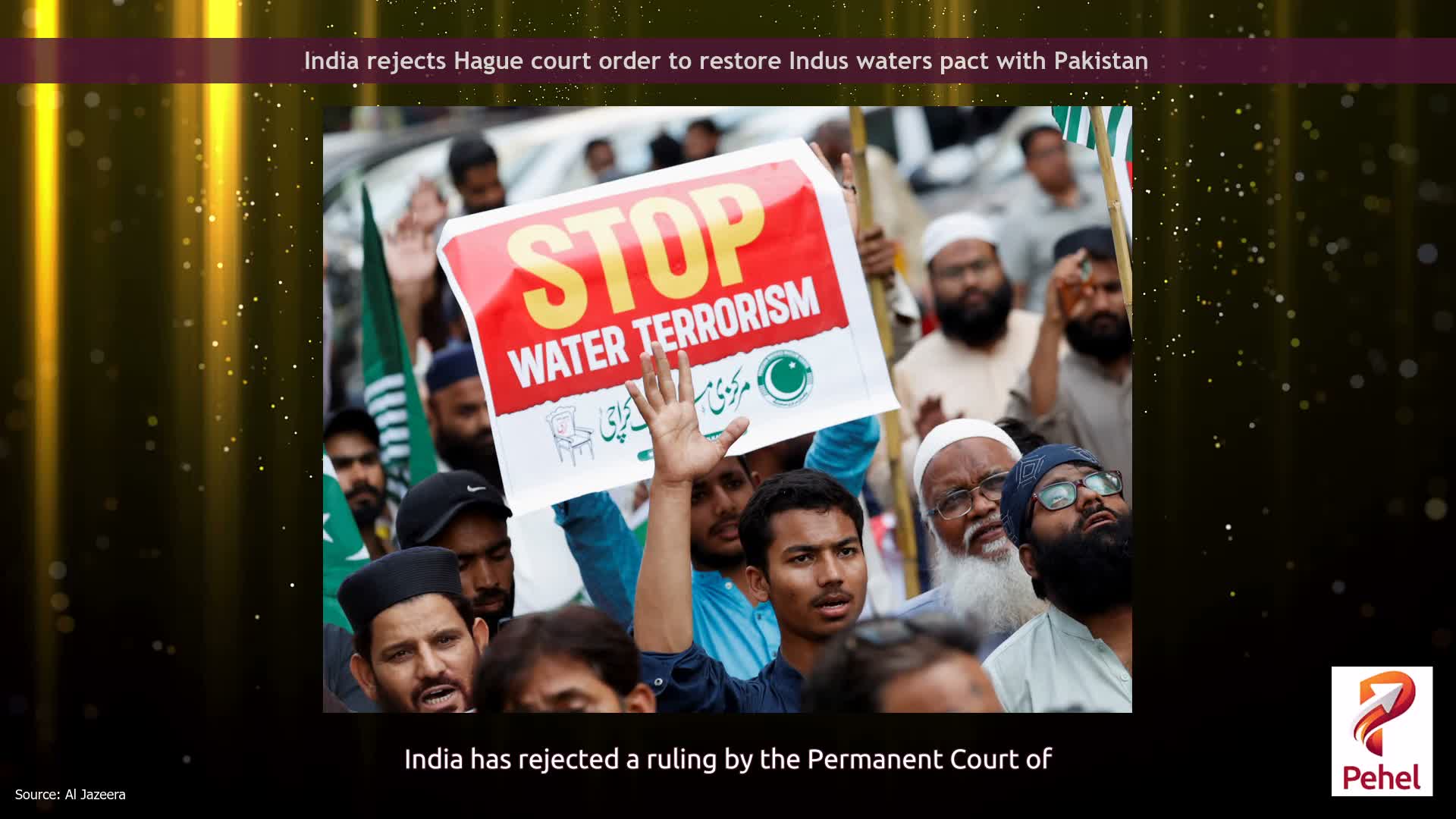
New Delhi, however, has rejected the entire process. Indian Ministry of External Affairs spokesperson Randhir Jaiswal dismissed the PCA as an “illegally constituted so-called Court of Arbitration,” declaring that its proceedings, awards and decisions are “null and void” in India’s view. He further stated that India’s stance of holding the Indus Waters Treaty in abeyance “remains unchanged,” signalling continued defiance of the tribunal’s rulings.
Political and diplomatic commentators in Pakistan condemned India’s response, calling it a serious affront to international law and judicial institutions. Former ambassador Manzoorul Haq criticised the Indian government’s rejection of the court’s authority as emblematic of what he described as the “fascist” Modi administration’s disregard for global legal norms. He noted that the arbitration body based in The Hague had issued what he termed a historic and binding decision on the treaty, which member states are obliged to respect.
Haq said India had already brushed aside UN Security Council resolutions on Kashmir and was now ignoring a landmark decision on the Indus Waters Treaty, further exposing New Delhi’s willingness to flout international commitments. He added that India had refused to accept the establishment of the arbitration court or recognise its awards, undermining not only the IWT framework but also the World Bank’s role as guarantor.
Haq warned that repeated violations of the treaty erode the credibility of international agreements and strain inter-state relations. He argued that India’s decision to effectively suspend the treaty threatens stability in South Asia and that any water-related confrontation between two nuclear-armed neighbours could have far-reaching and potentially dire consequences beyond the region.
📢 For the latest General & Pakistan news and analysis join ProPakistani's WhatsApp Group now!
Follow ProPakistani on Google News & scroll through your favourite content faster!
Shares