Deputy Prime Minister Ishaq Dar was informed by the petroleum ministry on Monday that the country has sufficient reserves of POL products till the third week of June.
The information was conveyed to the deputy premier during a high-level meeting to review the country’s petroleum, oil, and lubricants stock position.
“The Petroleum Ministry briefed the committee on the prevailing supply situation, confirming that, after factoring in incoming shipments, sufficient stock levels are available to ensure uninterrupted availability of POL products throughout Pakistan until the third week of June 2026.”
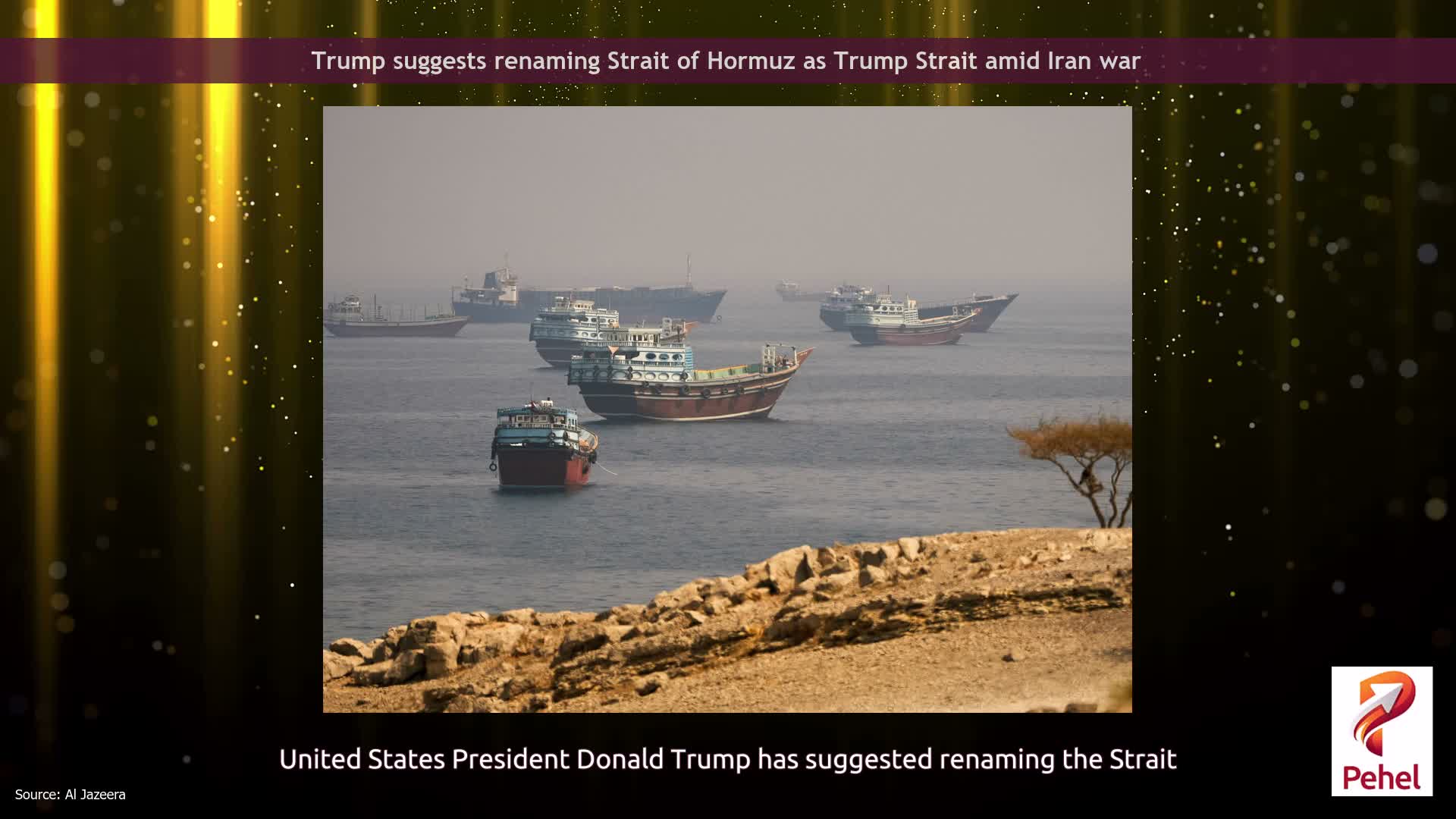
Global fuel prices have skyrocketed over the past two months as shipping through the Strait of Hormuz remains paralysed since the US and Israel launched joint strikes on Iran on February 28.
The attendees were also informed that the supplies are being continuously monitored on a daily basis by the National Coordination and Management Committee (NCMC), to “ensure effective oversight and proactive supply chain management”.
Dar commended the relevant stakeholders for ensuring the steady and reliable availability of fuel across the country, amid prevailing global and domestic challenges.
According to the DPM’s office, the meeting was attended by several cabinet ministers, alongside senior government officials from various ministries and departments.
Last Wednesday, Prime Minister Shehbaz Sharif said that the country’s weekly oil bill reached $800 million due to the ongoing oil crisis arising from the Middle East conflict.
PM Shehbaz commended the efforts of Petroleum Minister Ali Pervaiz Malik for tackling the fuel crisis resulting from the Iran war, stating that the situation now appeared “satisfactory”.
On that note, the prime minister remarked that fuel prices in the global markets had risen sharply, noting that “our weekly pre-war oil bill was around $300m, and today it is up to $800m”.
He further shared that the country’s fuel consumption “had lessened compared to previous weeks”, stressing that the situation was being monitored regularly.
In March, PM Shehbaz announced unprecedented austerity measures to cope with the crisis, saying it was being enforced to utilise the available reserves of oil in a “judicious manner”.
The premier announced that, among these measures, all government offices would observe a four-day working week from Monday to Thursday, although this would not apply to banks. The exemption also extended to the agriculture and industrial sectors, as well as essential services such as hospitals and ambulance services.