Driverless transport is moving closer to commercial use as NVIDIA expands its DRIVE Hyperion robotaxi platform through new partnerships with automakers, software firms and ride-hailing companies.
The company is working with Foxconn, VinFast, Autobrains, Uber, and HUMAIN to support the development and deployment of Level 4 autonomous electric vehicles across several regions.
Level 4 autonomy allows a vehicle to drive without human help, but only within defined areas and under certain conditions. NVIDIA’s platform provides the main hardware and software base for these vehicles through the DRIVE AGX in-vehicle computer, the safety-certified Halos OS and a sensor setup that includes cameras, radar and other systems to help the vehicle detect and respond to traffic.
Foxconn is expanding its partnership with NVIDIA to design and manufacture fully automated electric vehicles.
The project will begin in Taiwan, with Kaohsiung expected to serve as an early deployment city. Local officials are already upgrading infrastructure to support large fleets of smart electric vehicles.
Foxconn plans to launch a robotaxi service in 2028. The first vehicles will carry passengers between airports and city centers before the service expands to routes linked with Taiwan’s high-speed rail network.
VinFast is also joining NVIDIA’s robotaxi push through a partnership with Autobrains.
The Vietnamese automaker will build the vehicles, while Autobrains will provide the autonomous driving software. The companies plan to bring Level 4 vehicles based on NVIDIA DRIVE Hyperion to Southeast Asian markets.
VinFast executives said advanced mobility should not be limited to wealthy buyers. The company wants to develop more accessible electric vehicles that can handle the crowded and unpredictable traffic conditions common in Southeast Asian cities.
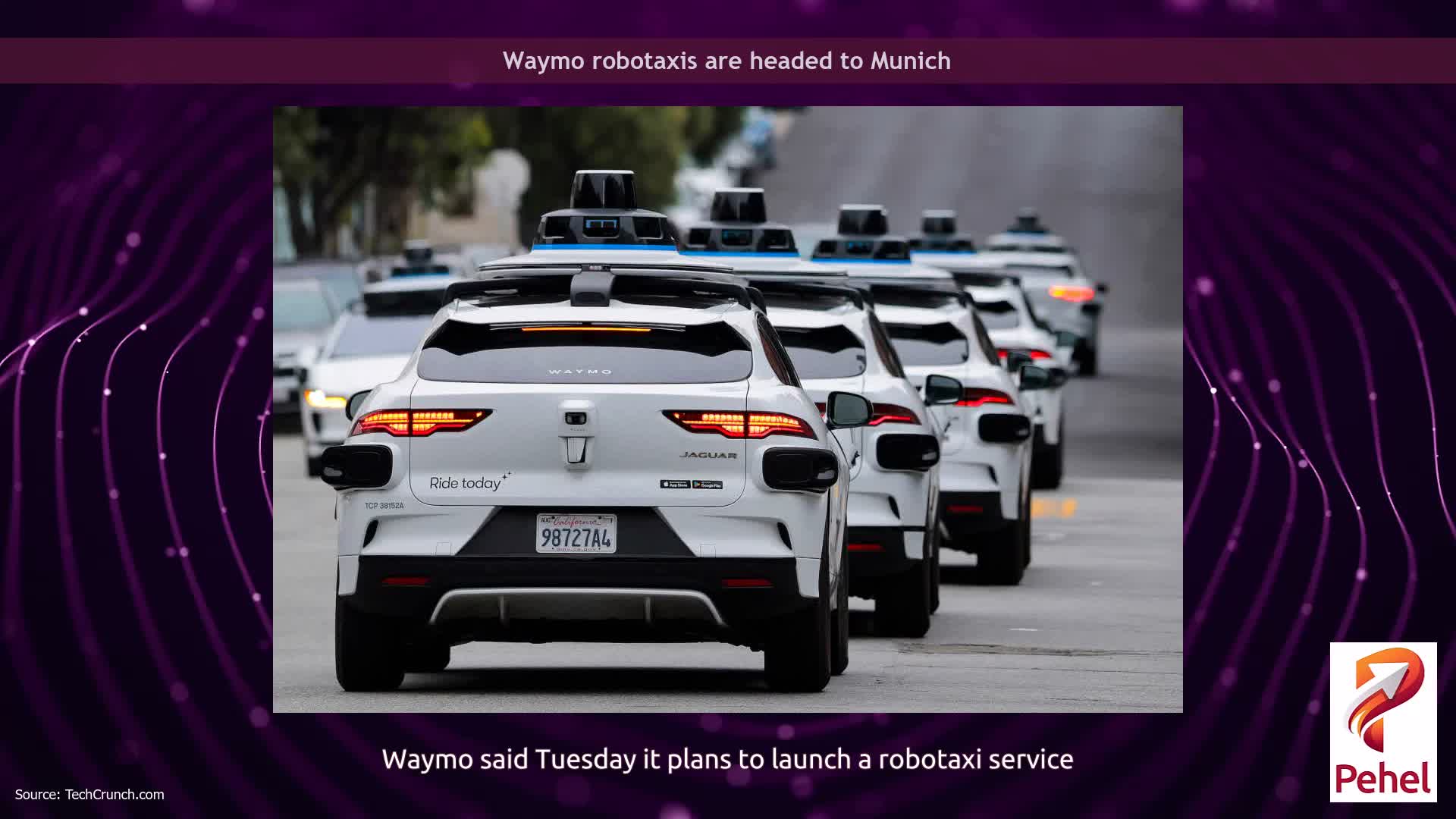
In Europe, Uber is working with Autobrains to launch a robotaxi program in Munich later this year.
The vehicles will use NVIDIA DRIVE Hyperion and Autobrains’ autonomous driving software. Uber plans to add the driverless fleets to its existing ride-hailing app, allowing users to request a robotaxi through the same platform they already use.
Uber has not yet announced which automaker will supply the electric vehicles for the Munich program. The company is expected to share those details later this year.
Autobrains says traditional autonomous driving systems can struggle because they often rely on one strict model for every driving situation.
Its Agentic AI approach is designed to split driving tasks into specialized decision-making systems. The company says this allows the vehicle to reason, adapt, and respond when unexpected situations appear on the road.
By combining Autobrains’ software with NVIDIA’s computing platform and Uber’s ride-hailing network, the companies aim to build autonomous fleets that can work across different vehicles, cities and road conditions.
The Middle East is also part of NVIDIA’s robotaxi expansion.
HUMAIN is working to bring DRIVE Hyperion-powered robotaxis to Saudi Arabia. The company sees autonomous electric vehicles as an important technology platform for the next decade.
Saudi Arabia’s investment in new smart cities could make it a key testing ground for autonomous vehicles that connect physical transport systems with digital intelligence.
Building robotaxis is more complex than developing regular electric vehicles. EVs mainly focus on battery range, charging, and efficiency, while robotaxis also need high-performance computing power to operate safely without a driver.
NVIDIA is trying to provide a shared platform so automakers and mobility companies do not have to build complete self-driving systems from the ground up.
If these projects move forward as planned, autonomous electric vehicles could shift from limited pilot programs to a more practical form of public transport in major cities.
📢 For the latest Tech & Telecom news, videos and analysis join ProPakistani's WhatsApp Group now!
Follow ProPakistani on Google News & scroll through your favourite content faster!