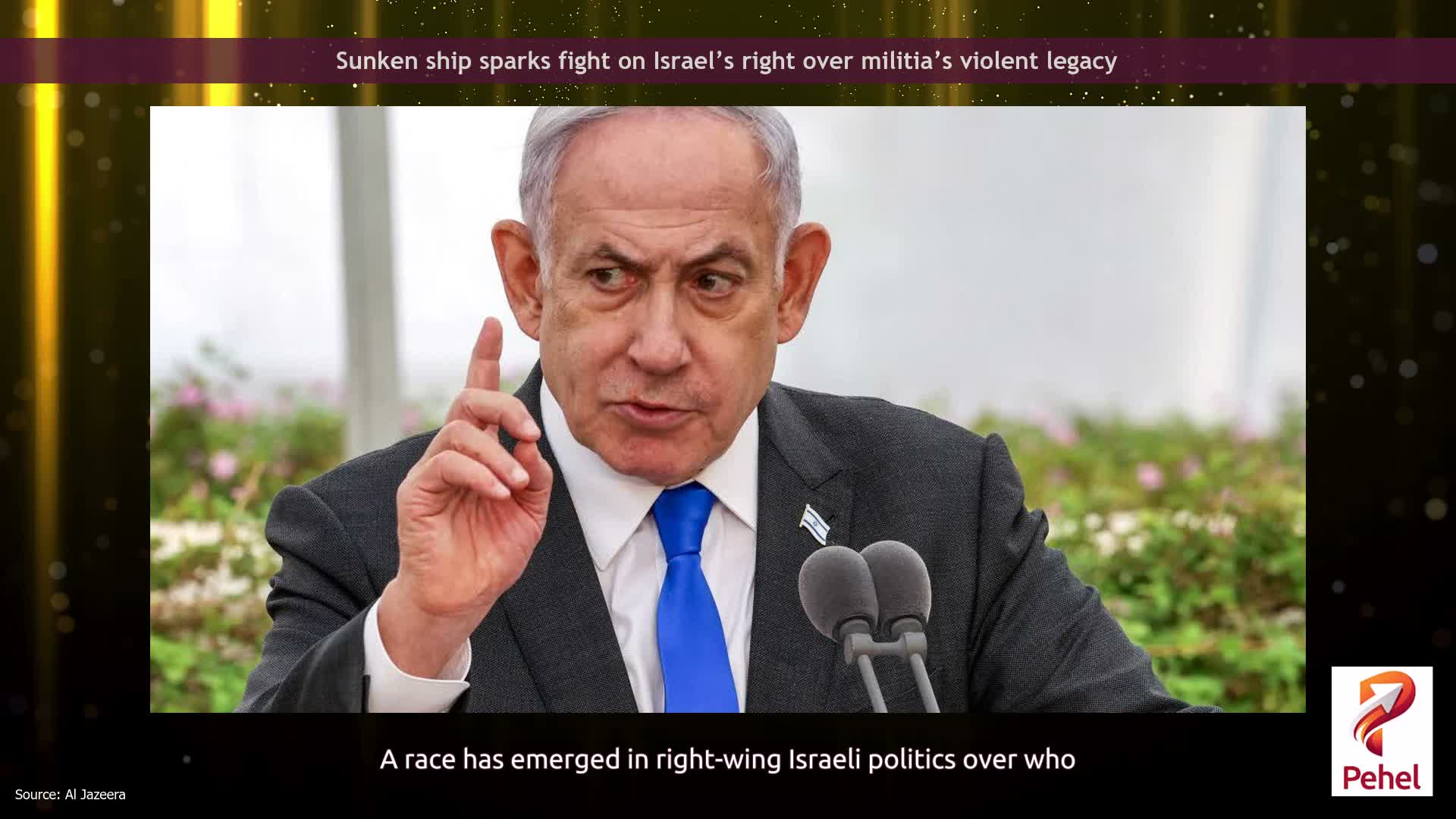
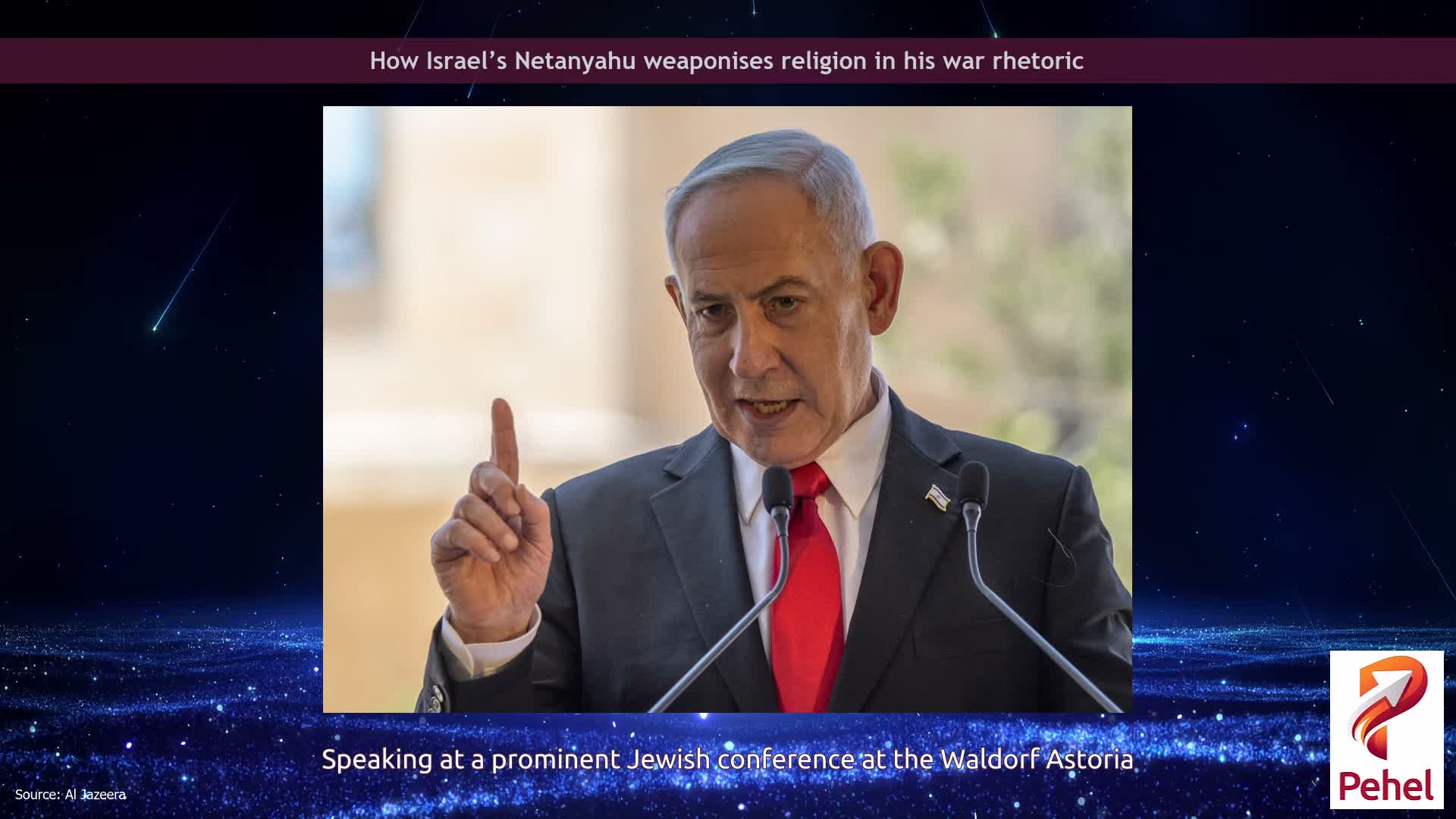
A wave of jeers greeted Prime Minister Benjamin Netanyahu as Israel’s parliament prepared for a blitz of controversial legislation in the government’s closing days.
“Shame, leave, go!” dozens of opposition lawmakers shouted on Tuesday.
The commotion was so loud that Netanyahu left the chamber, sitting out the vote entirely. It passed anyway.
Netanyahu’s absence didn’t slow the legislative push his coalition rushed through this week, before the Knesset dissolved Friday ahead of an October 27 election. A cluster of contentious bills were rapidly finalized – primarily designed to satisfy the demands of his ultra-Orthodox and far-right allies, analysts say.
At its core, the push is about preserving Netanyahu’s political bloc. After nearly four turbulent years, marked by mass protests, the October 7 attack, and a prolonged multi-front war, his government achieved a rare milestone: completing a full term in office, something no Israeli government has done since 1988. It’s also something Netanyahu himself, despite being the country’s longest-serving prime minister , had never previously achieved.
That durability rested on a consistent strategy: keeping his coalition partners satisfied at nearly every turn. This week’s end-of-term legislative push is a continuation of that logic.
“Netanyahu is fighting for his political survival, and the Haredi parties are essential to it,” political analyst Nadav Eyal wrote. The goal, he said, is “showing his Haredi partners that he is the only politician who will deliver for them.”
The most politically charged element of the package was legislation that enshrines the mass evasion of ultra-Orthodox, or Haredi, youth from military service. While Israeli law requires all 18-year-olds to serve, ultra-Orthodox men have long been exempted under historic arrangements the Supreme Court has repeatedly struck down.
The issue became particularly acute during wartime: the Israel Defense Forces (IDF) says it’s short at least 12,000 soldiers. Meanwhile, an estimated 72,000 eligible ultra-Orthodox men are not enlisted, leaving conscript and reserve soldiers to bear the burden.
Facing fierce public opposition to a sweeping exemption law, Netanyahu advanced a workaround to satisfy his ultra-Orthodox allies. One law enshrines Torah study as a foundational state value in a Basic Law, a move that critics say lays the constitutional groundwork for exemptions to survive future Supreme Court challenges. A second bill grants temporary immunity to tens of thousands of ultra-Orthodox draft evaders until late January 2027.
Ahead of the vote, IDF Chief of Staff Lt. Gen. Eyal Zamir issued an unusual public warning, calling the legislation “inconceivable” and “inconsistent” with the army’s needs, while cautioning it could erode trust among those who do serve. The letter drew a sharp backlash from Netanyahu’s allies, with some Likud lawmakers calling for Zamir’s dismissal, and Aryeh Deri, chairman of the ultra-Orthodox Shas party, accusing him of “dabbling in politics.”
The bill passed regardless but is already facing legal challenges. Within hours of the vote, opposition parties petitioned the High Court of Justice, which issued a temporary injunction freezing its implementation.
Why did veterans of Israel’s most famous secret operation boycott its commemoration?
The draft-related laws are only one piece of a broader coalition trade-off. Ultra-Orthodox parties supported several of Netanyahu’s own priorities, including legislation curbing the authority of the attorney general, a key component of the government’s broader judicial overhaul. The measure could allow the government to override legal interpretations and potentially reopen efforts to remove Attorney General Gali Baharav-Miara - an attempt blocked by the Supreme Court so far.
A separate bill overhauling broadcasting regulation, which critics say expands government influence over the media and threatens the freedom of the press, also passed this week, as did legislation expanding gender-segregated academic programs. The latter drew sharp denunciation from universities and women’s groups, who argue it excludes women, undermines equality and threatens academic standards.
Other coalition partners have used the moment to advance their own agendas. Finance Minister Bezalel Smotrich announced a package of settlement funding in the occupied West Bank, including roughly 2.4 billion shekels (approximately $790 million) for new “pioneer neighborhoods” and access roads, alongside the disclosure of an earlier decision to legalize 34 new outposts. Smotrich said these moves would bring the total number of new settlements approved under the current government to 104.
Public opinion appears sharply opposed to the core of the legislative push. A July survey from Channel 12 suggested that 66% of Israelis oppose the Torah-study basic law, while 61% would rather see the next government exclude ultra-Orthodox parties altogether.
Netanyahu’s emerging challenger represents his polar opposite, and that may be his appeal
Sensing the public sentiment, Netanyahu’s opponents have seized the issue as a major campaign theme. Gadi Eisenkot, the leader of the Yashar party who is currently polling as Netanyahu’s main challenger, denounced what he called “a reckless deal: a bloc in exchange for a state.” Former Prime Minister Naftali Bennett called it a “low, anti-Zionist moment,” accusing the government of “showing contempt for the soldiers, their families and the public they serve.”
Netanyahu appears to be betting that the political costs will fade. “Public memory is short,” a Likud insider said. “Preserving a unified bloc matters more than the unpopularity of any single law, and the damage is already priced into his standing,” the source said, presenting a straightforward calculation. “People who stuck with him after the judicial overhaul, after October 7, and after the war – are they going to leave him now?”
Netanyahu, the source added, is “unconcerned” even if the courts intervene, since a legal fight may reinforce the anti-judiciary message already central to his campaign.