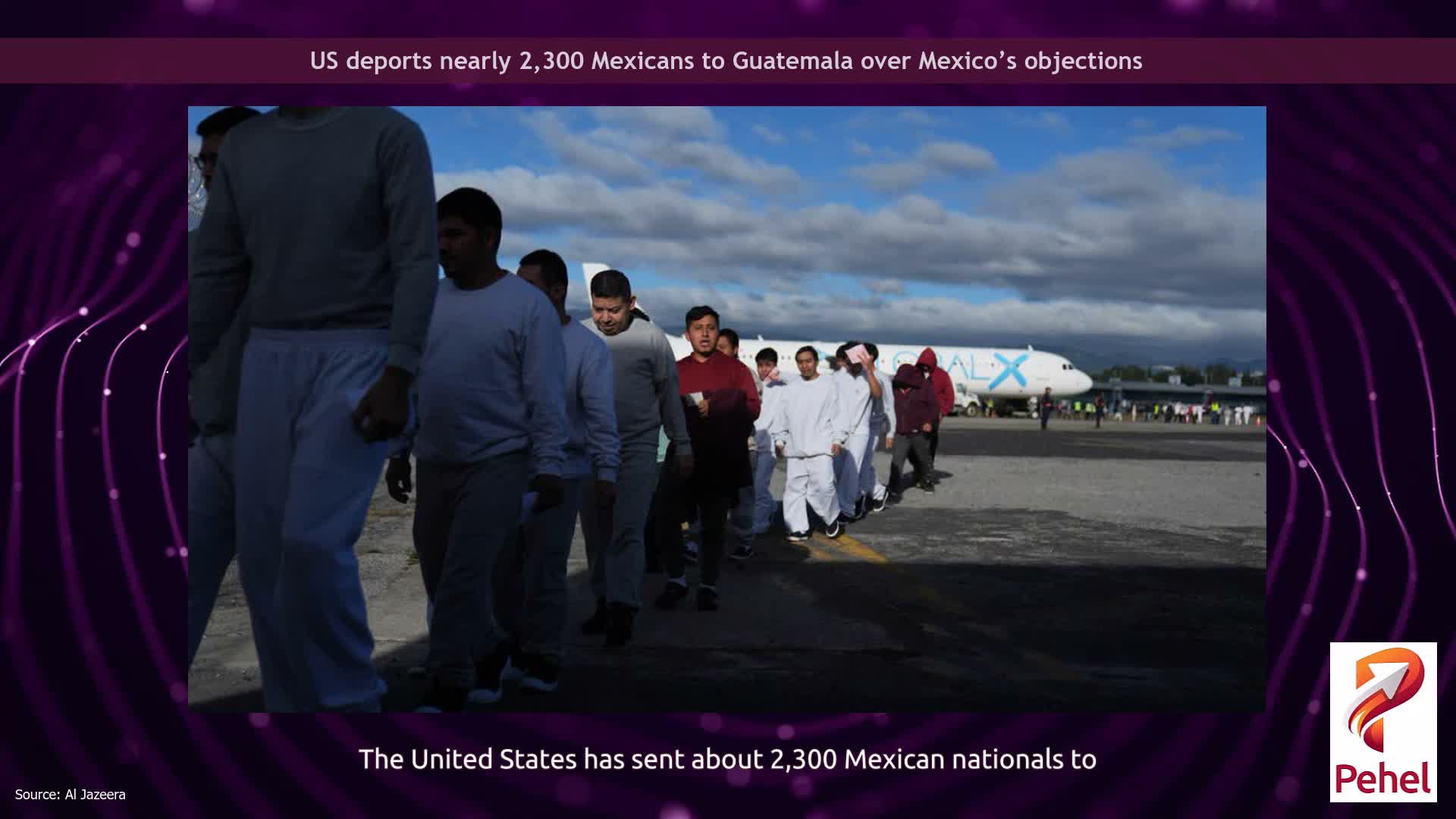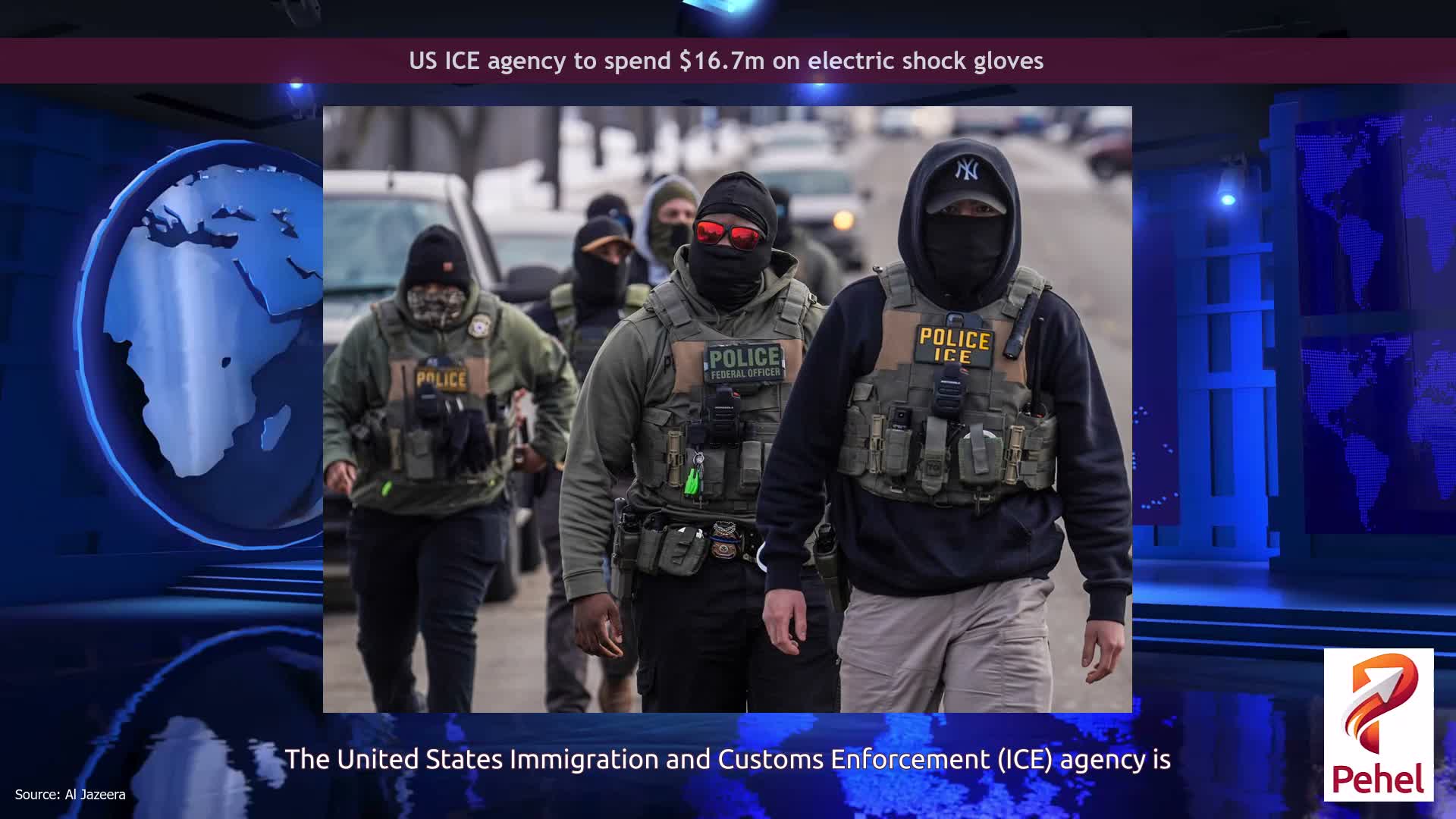
The death of a Mexican man in Houston at the hands of Immigration and Customs Enforcement is threatening to upend already-strained relations between Mexico and the United States.
Mexican President Claudia Sheinbaum took the unusual step of announcing at a press conference on Thursday that Mexico is seeking civil and criminal investigations in the US related to the deaths of 17 Mexican nationals during immigration enforcement operations or at detention centers.
These investigations aim to “protect the human rights of Mexicans in the United States,” the Mexican government said.
The impetus for the announcement was the ICE shooting death of Lorenzo Salgado Araujo in Texas last week. ICE officials said agents shot Salgado Araujo, whom they said was in the US illegally, after he rammed a law enforcement vehicle and refused to follow verbal commands during a traffic stop.
His family has disputed ICE’s account, telling CNN that the 52-year-old father of three would have stopped if he had known the car that followed him belonged to law enforcement.
At her press conference announcing the request for criminal investigations, Sheinbaum also called for petitions to the Inter-American Commission on Human Rights and the United Nations High Commissioner for Human Rights.
Asked about Sheinbaum’s comments, the US Department of Homeland Security defended ICE’s actions.
“ICE agents are trained to use the minimum necessary force to resolve dangerous situations to prioritize the safety of the public and our officers,” the agency said.
Mexico to file complaints in US over ICE-related deaths of 17 Mexicans
The agency also said that detainees in ICE custody “receive full due process, are provided with adequate food, water, and medical treatment, and have opportunities to communicate with their families and attorneys.”
Analysts who spoke with CNN said that Salgado’s death and Mexico’s response may signal a major rift between Mexican and US authorities.
“This is no minor incident,” said José Luis Valdés Ugalde, academic at the Center for Research on North America at the National Autonomous University of Mexico (UNAM). “It affects the bilateral relationship and the pending issues that Mexico and the United States have before them,” including “security, migration, and trade.”
International affairs expert and newspaper columnist Fausto Pretelin said the relationship between Mexico and the United States was at “its worst moment” in the aftermath of the killing of Salgado Araujo. But he thinks Sheinbaum’s actions will damage relations further, for little more than political points gained within Mexico.
“It’s a performance,” Pretelin said of Sheinbaum’s announcement. “The opportunity to take these issues seriously is lost. And when I say seriously, I mean that diplomatic channels should be used.”
Yet some might argue that diplomatic channels have seen plenty of traffic, especially on this issue. Mexico’s government has already issued 11 diplomatic notes of protest to the US over the deaths of its citizens, Foreign Minister Roberto Velasco told reporters.
Now, his country had to go “beyond the diplomatic realm.”
While Pretelin and Valdés Ugalde have warned that Sheinbaum’s announcement spells trouble for US-Mexico relations, some experts believe that the Mexican president hasn’t gone nearly far enough.
Academic and columnist Tomás Milton Muñoz Bravo, professor of international relations at UNAM, says that this type of response should have come much earlier.
“It’s incredible that 17 deaths had to occur for Mexican authorities to finally announce a strategy that goes beyond the merely diplomatic to the judicial,” said Muñoz Bravo. “Of course, the announcement has been made, but I still want to see the actions that have been stated actually develop.”
Trump wants to ditch his signature trade deal. It’s not that easy
Yet Valdés Ugalde points out that the US shows no signs of caring about Mexican criticisms of its immigration policy. Likewise, Valdés Ugalde said, Mexico has not known how to defend the migrant community and has made what he describes as “mistakes” in its foreign policy.
One of these, according to Valdés Ugalde, has been rejecting extradition requests for politicians allegedly linked to drug trafficking on the grounds of national sovereignty. This has given the Trump administration an opening to retaliate in other areas, such as the renegotiation of the US-Mexico-Canada Agreement, which protects many Mexican exports from American tariffs.
“There are no signs of rebuilding the relationship; the relationship is very damaged by the attitudes of both governments and by Mexico’s defensive stance,” Valdés Ugalde said.
Muñoz Bravo said that the November midterm elections in the US could open an opportunity for Mexico if Republicans lose their control of Congress.
“What we’re going to see in November is extremely important,” he said. If Trump “does not have a majority in the chambers, there will be checks and balances that will even allow for room to negotiate with other actors in the United States.”
Until then, tensions between the neighbors remain high, with any further deaths of Mexican migrants threatening to deepen the rift.