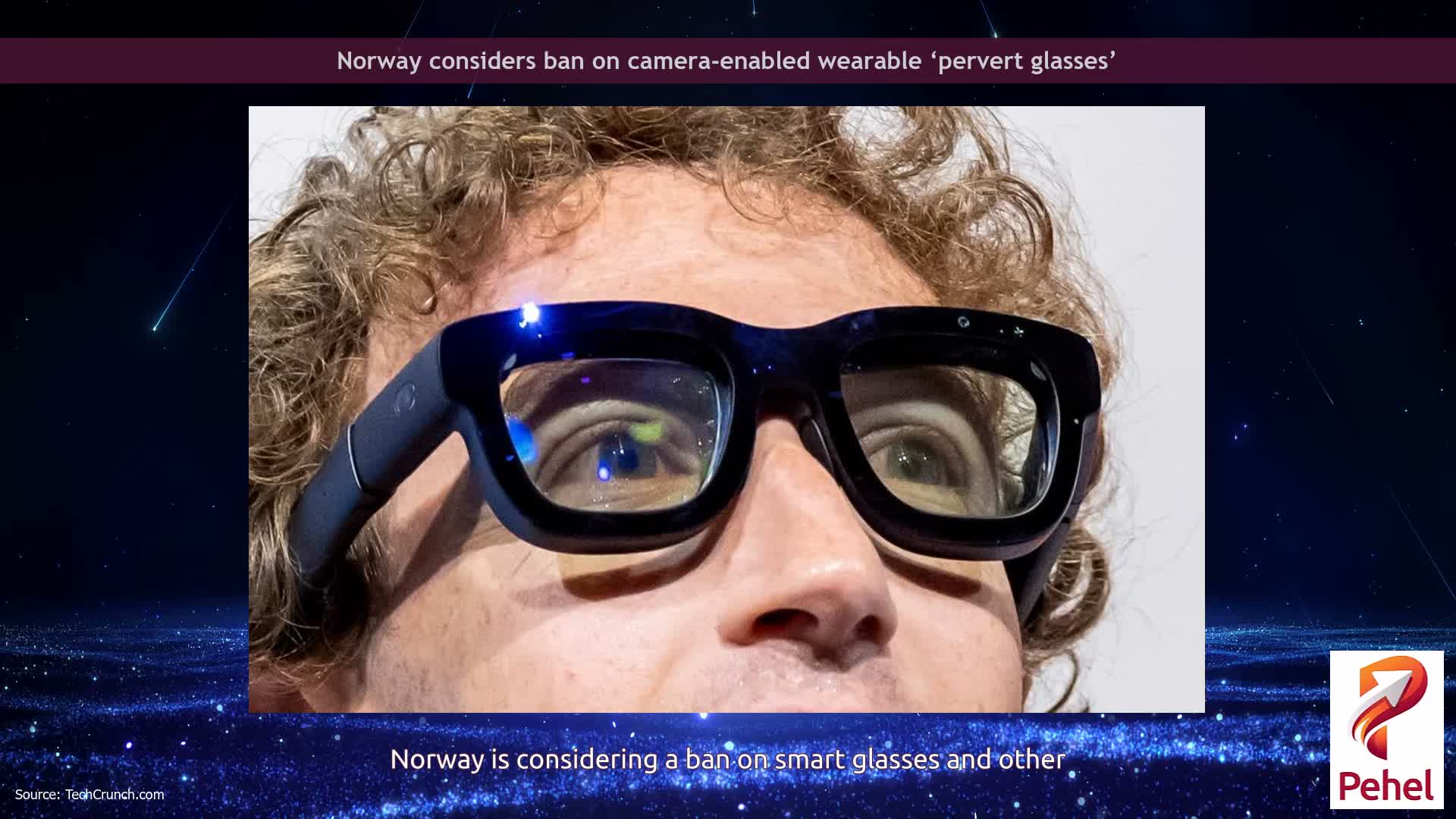
Meta is facing new privacy questions after a report found dormant facial recognition technology inside the companion app for its smart glasses.
The feature is reportedly called “NameTag” and is not active at the moment. However, the investigation found that Meta has included code linked to facial recognition in several updates to its AI app since January 2026.
The app is required for several Meta smart glasses products, including the Ray-Ban Meta lineup. The report also said the app has been installed more than 50 million times.
Researchers who reviewed the code said the feature could use the glasses’ camera to detect faces, create biometric identifiers, and compare them with a database stored locally on a user’s phone.
If the system finds a match, the wearer could receive a notification identifying the person.
Although the feature remains switched off, its presence has raised concerns among privacy advocates. Facial recognition has long been one of the most debated technologies in consumer devices, and Meta has faced major scrutiny over its past use of the technology.
In 2021, Meta announced that it was shutting down Facebook’s facial recognition system and deleting more than a billion stored faceprints after years of criticism, regulatory pressure, and legal disputes.
Those issues included a $650 million settlement in Illinois and a later $1.4 billion settlement in Texas over biometric privacy claims.
The newly discovered code suggests Meta may still be exploring similar technology internally.
Researchers reportedly found references to three AI models used for face detection and processing. They also found signs of a user-facing feature that could help people remember individuals they have met.
One test reportedly generated a sample recognition alert using a face template based on philosopher Michel Foucault.
Meta spokesperson Ryan Daniels said the code reflects internal experimentation and does not mean the company plans to launch the feature.
Meta said it has made no final decision and is not building a centralized facial recognition database. The company also said it would act carefully and be transparent if it ever decided to introduce such a feature to consumers.
Still, the report is likely to bring renewed attention to a debate that has not gone away.
Supporters of wearable AI point to the convenience these systems can offer. Critics, however, worry that such tools could blur the line between useful assistance and constant surveillance.
📢 For the latest Tech & Telecom news, videos and analysis join ProPakistani's WhatsApp Group now!
Follow ProPakistani on Google News & scroll through your favourite content faster!
Shares