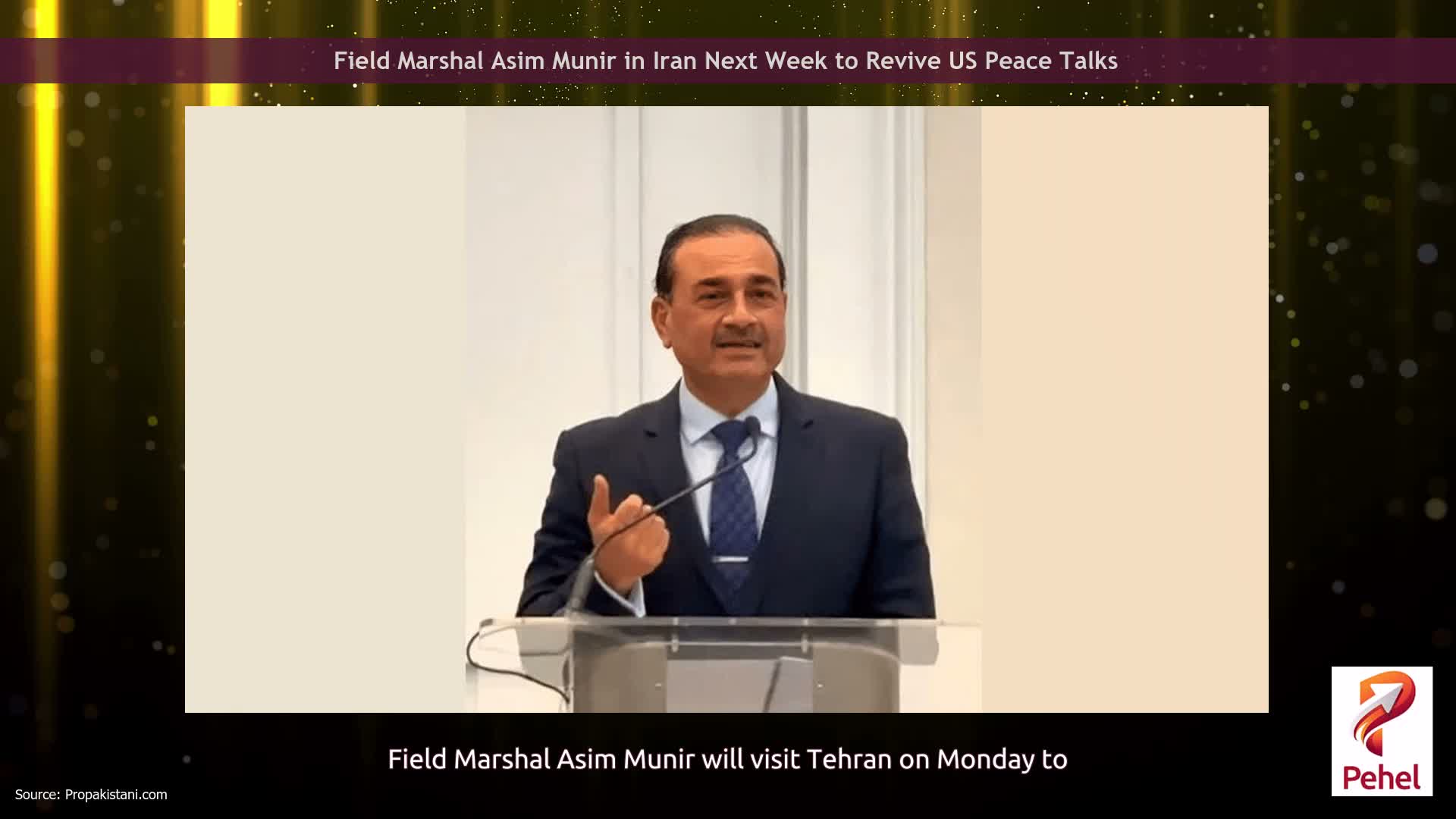
Islamabad, Pakistan – Pakistan has urged “all parties” in the escalating United States-Iran conflict to exercise restraint after a fragile ceasefire that had held for nearly three weeks collapsed into a new wave of strikes and counterstrikes .
“A renewed conflict is in no one’s interest,” the Ministry of Foreign Affairs said in a statement on Wednesday.
It urged both sides to honour commitments under the Islamabad Memorandum of Understanding (MoU), brokered by Pakistan in April, describing it as “an enduring foundation for understanding, mutual respect and shared prosperity for the region and beyond”.
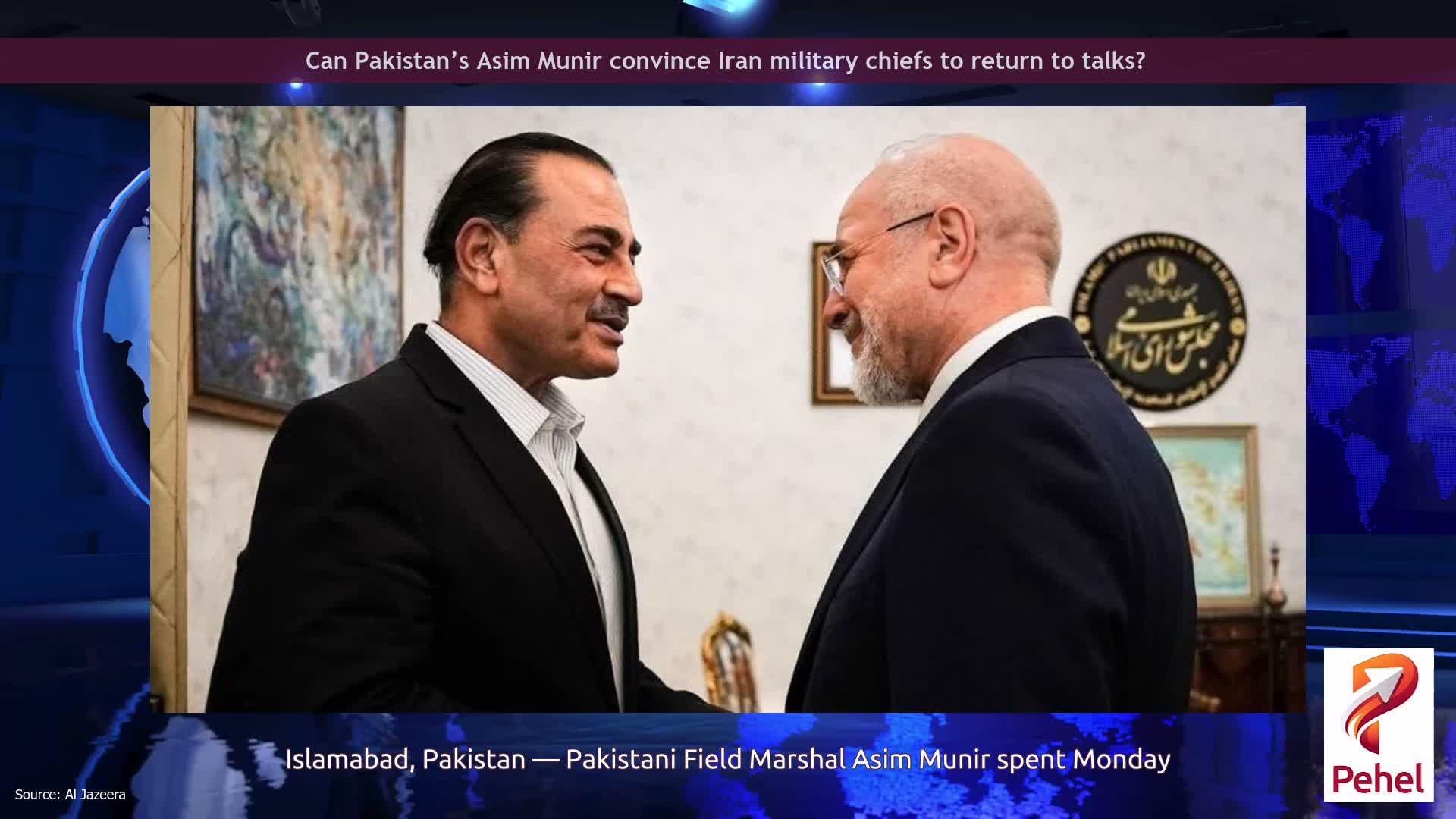
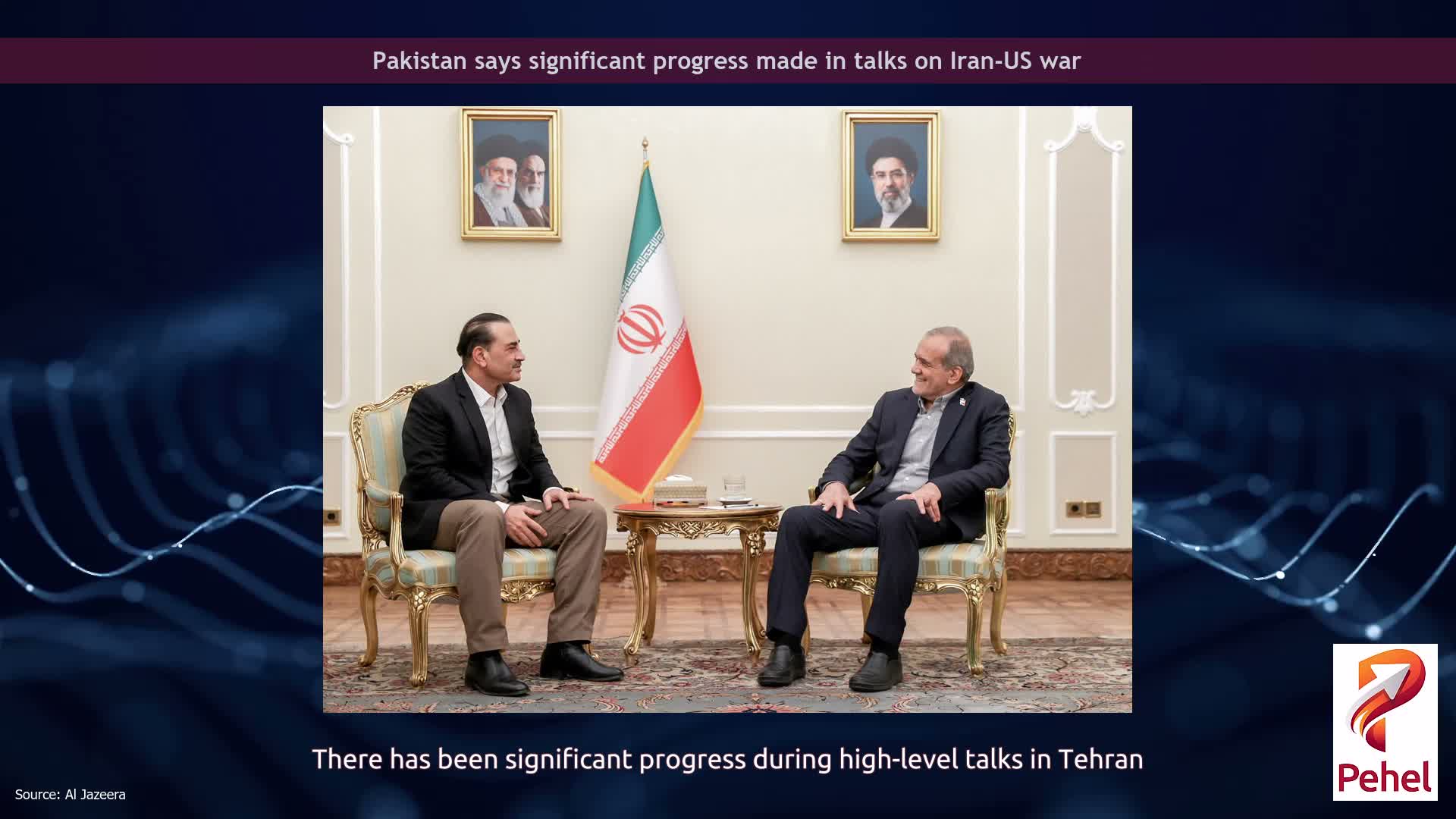
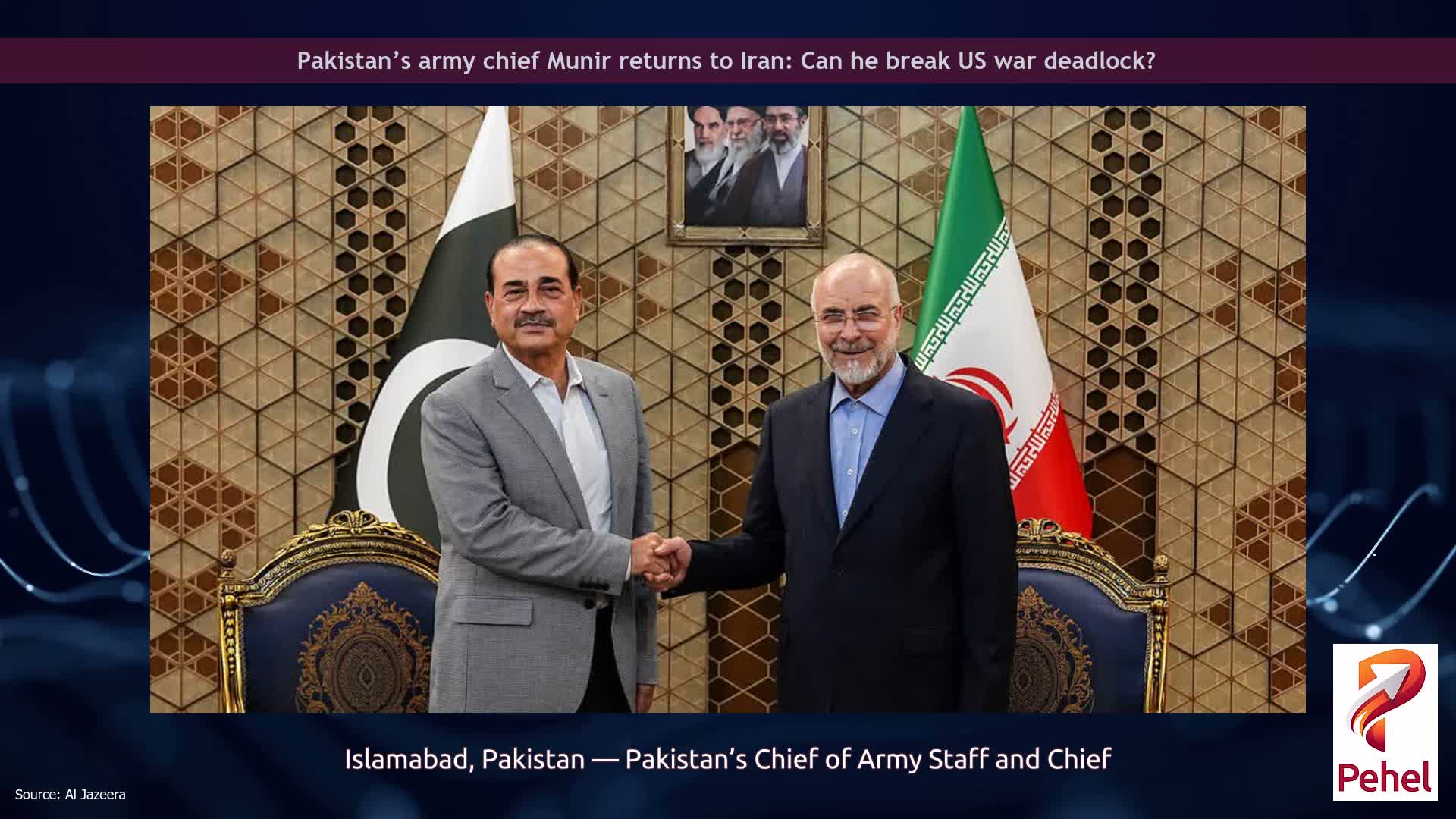
The Pakistani statement added that it “remains ready to continue playing its role” in efforts to de-escalate tensions.
Al Jazeera reached out to senior Pakistani officials for further comments but was referred to the Foreign Ministry’s statement.
Pakistan’s appeal came hours after the US carried out a second consecutive night of attacks on Iran, targeting about 90 sites, including coastal radar installations, missile and drone storage facilities, and naval assets.
Iran’s Islamic Revolutionary Guard Corps responded with drone and missile attacks on US military bases in Kuwait and Bahrain, including Camp Arifjan and the Fifth Fleet headquarters in Juffair, while also launching drones towards a site in Qatar.
Iranian state media reported the deaths of a soldier in Iranshahr and eight other air force and navy personnel in Bandar Abbas and Bushehr.
The latest exchange followed Iranian attacks on three commercial vessels in the Strait of Hormuz on Monday and Tuesday, including a Qatari-owned tanker. In response, Washington reimposed sanctions on Iranian oil exports, revoking a waiver granted under the MoU.
Speaking at the NATO summit in Ankara on Wednesday, US President Donald Trump declared the ceasefire “over”, described Iranian leaders as “scum” and threatened to reinstate a US naval blockade and target Kharg Island, Iran’s main oil export terminal.
On board Air Force One later, Trump told reporters Iran had “called a little while ago” seeking a deal but that he was “not sure they’re worthy of making a deal”. He also repeated that he considers himself Iran’s “number one” target for assassination.
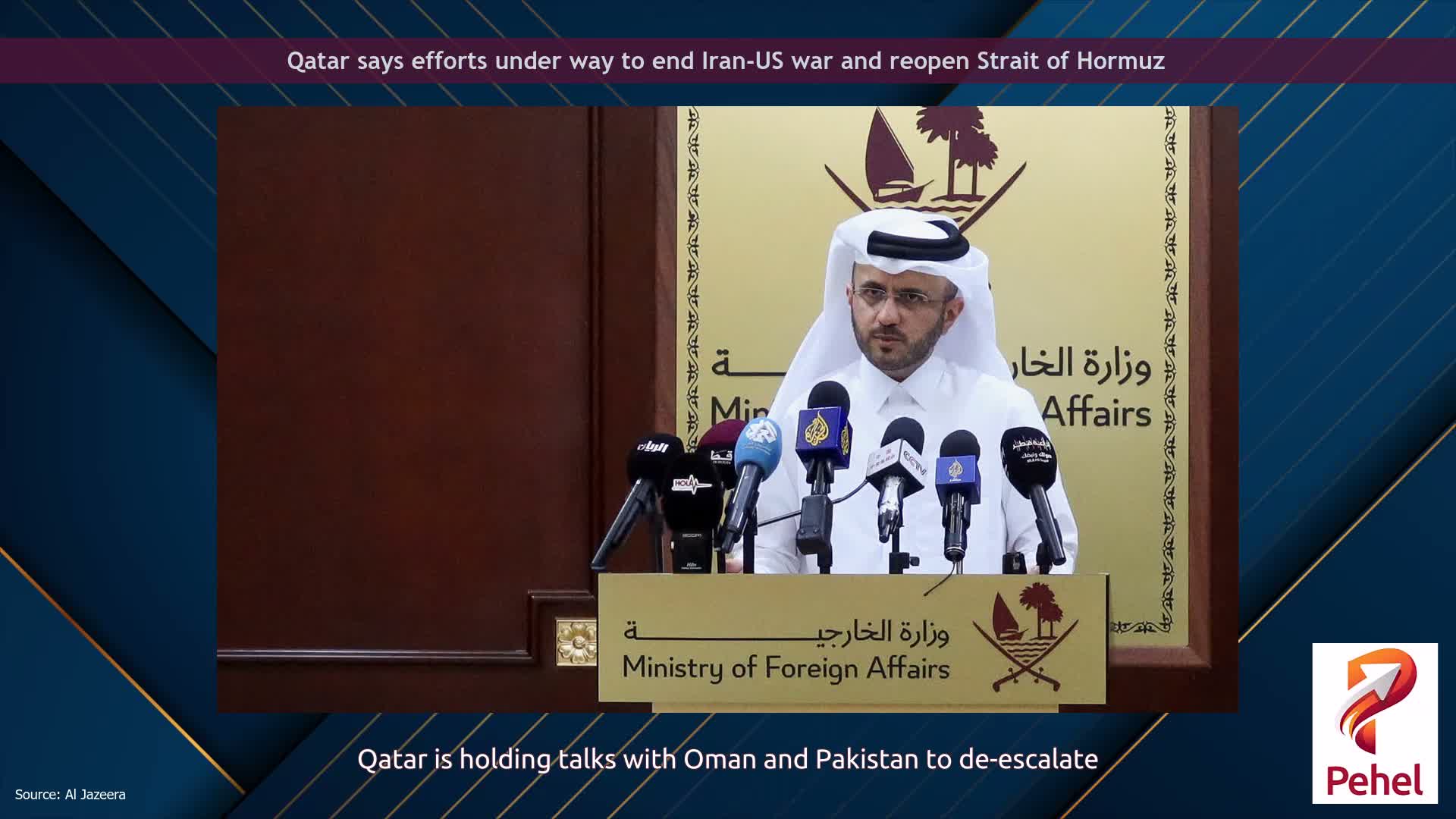
Qatari Prime Minister Sheikh Mohammed bin Abdulrahman bin Jassim Al Thani, in a phone call with Iranian Foreign Minister Abbas Araghchi, urged both sides to pursue diplomacy and implement the June 17 MoU. Qatar also condemned the drone attack on its territory.
Egypt called for “restraint and de-escalation to preserve peace in the region” while Kuwait described the attacks on its territory as a “flagrant violation of sovereignty”.
Gulf Cooperation Council Secretary-General Jasem Mohamed AlBudaiwi said the attacks on Bahrain and Kuwait undermined regional peace efforts.
The renewed fighting unfolded as Iran held weeklong funeral ceremonies for Supreme Leader Ali Khamenei, who was killed in the opening strikes of the US-Israel war on Iran on February 28.
Jauhar Saleem, a former Pakistani diplomat and president of the Islamabad-based Institute of Regional Studies, said the mediation process to end the Iran war was under severe strain.
“The process is really stressed right now, very fragile,” he told Al Jazeera. “Both sides need to be more flexible, and neither should overplay their cards because that jeopardises the entire process. Unfortunately, that is not what is happening.”
Saleem said Iran should accept that “unimpeded shipping flow through the Strait of Hormuz is non-negotiable” while Washington needs “to be more responsible” in its public statements, which he said were “creating an atmosphere of animosity”.
He argued that Pakistan’s role remains critical.
“There were several instances where the entire process seemed to be breaking down, and Pakistan was able to put it back on track when all appeared derailed,” he said.
“On their own, the two sides cannot make peace. But intermediaries can only do so much. Ultimately, it requires the cooperation of the two protagonists themselves.”