A federal judge in the United States has thrown out a lawsuit filed by the administration of US President Donald Trump claiming Harvard University did not do enough to protect Jewish students.
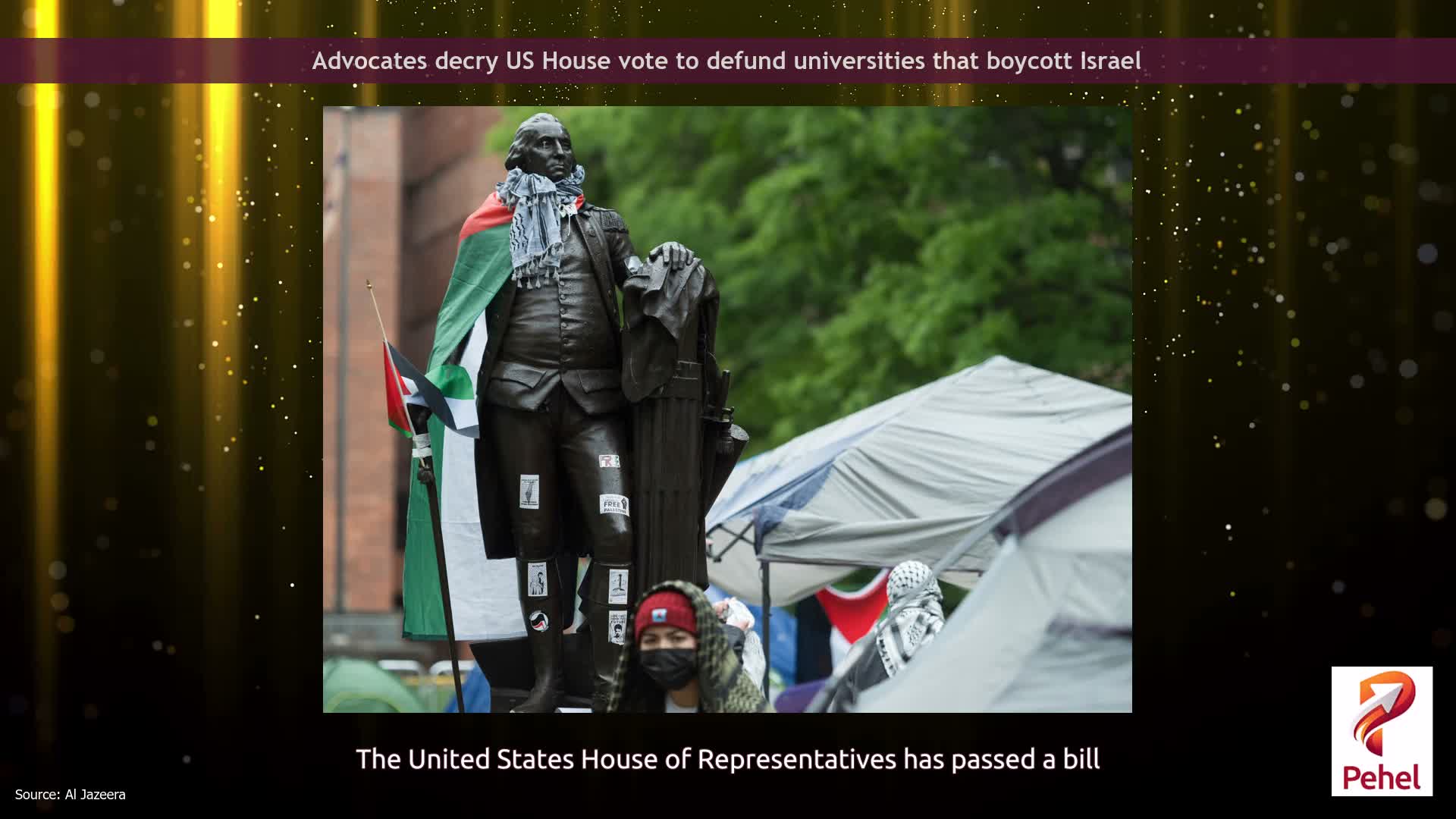
The legal filing was one of many actions taken by the Trump administration in response to how top universities responded to pro-Gaza protests amid Israel’s genocidal war in Gaza.
The administration has repeatedly claimed administrators did not adequately protect students against anti-Jewish actions during the demonstrations.
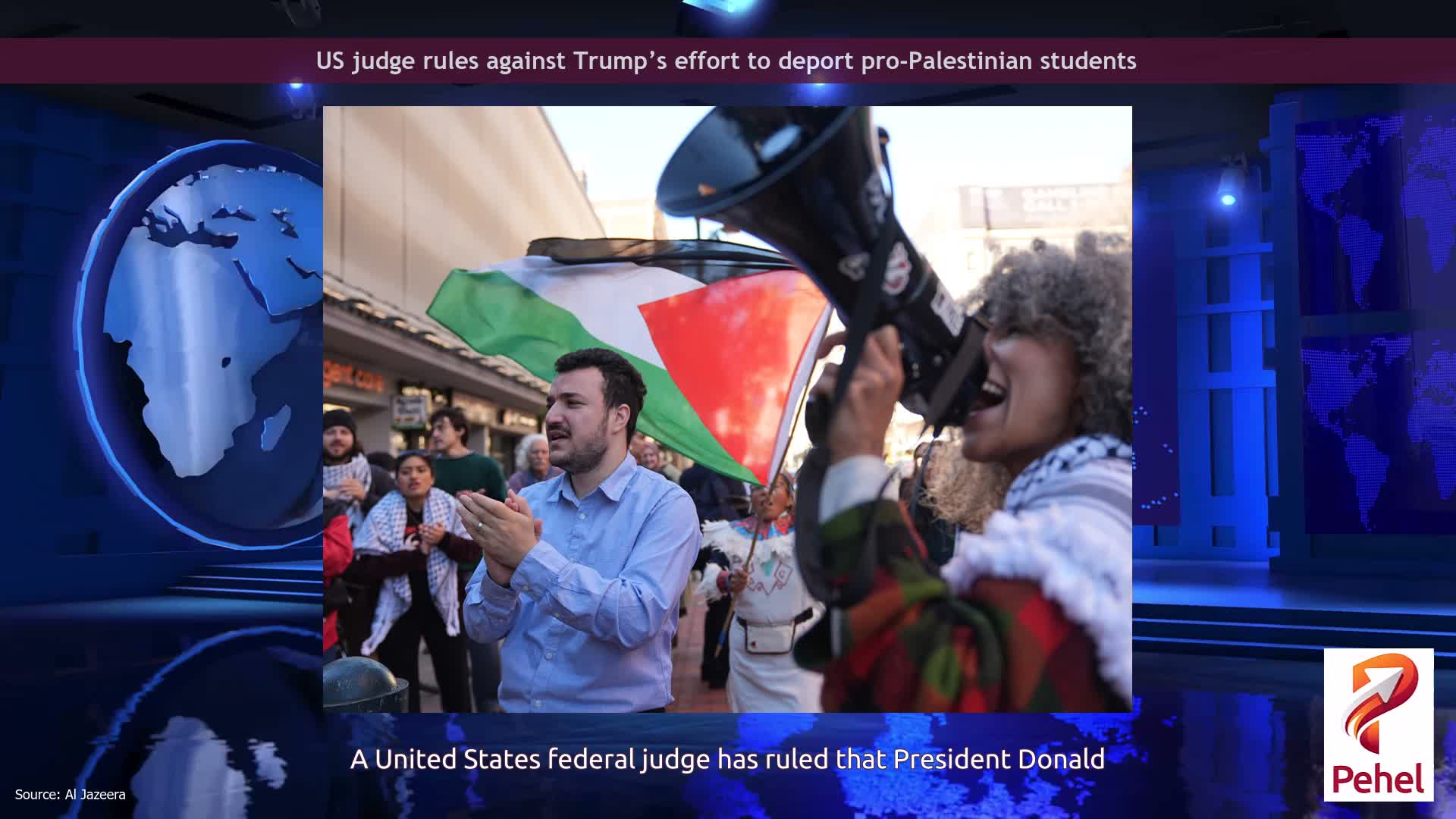
Protest organisers have long rejected the premise, saying the administration has willfully conflated criticism of Israel with anti-Semitism while using isolated anti-Jewish actions to justify crackdowns on pro-Palestinian speech.
The lawsuit filed in March by the Department of Justice charged that Harvard’s “faculty and leadership turned a blind eye to antisemitism and discrimination against Jews and Israelis”.
It said Harvard’s actions were not in compliance with Title VI of the Civil Rights Act of 1964, which bans discrimination based on race, colour and national origin in programmes that receive federal funding.
But Judge Richard Stearns said on Thursday the Trump administration’s lawsuit had not shown evidence of the claimed violation.
Stearns said the incidents highlighted in the legal filing were “too isolated and episodic” to support the claim of ongoing civil rights violations.
Trump had previously moved to freeze $2.2bn in federal funding to Harvard, in what the university’s lawyers have called an effort to leverage research money in exchange for allowing the administration to “micromanage” the institution.
A federal judge last year ruled that the freeze was unlawful.
Harvard, which has an endowment valued at more than $56bn, has stood apart from other top universities for its defiant approach to the administration.
Several others, including Columbia University, Northwestern University, and Cornell University, chose to reach multimillion-dollar settlements with the Trump administration to preserve funding in response to a series of allegations, including their response to pro-Palestine protests, as well as hiring and admissions practices.
Critics have noted the emphasis on anti-Semitism comes as the administration has used immigration enforcement to crack down on pro-Palestine advocates.
In July, Columbia University protest leader Mahmoud Khalil, who has been targeted for deportation, in part, for his involvement in the demonstrations, filed a civil rights lawsuit alleging a “public-private” partnership to silence pro-Palestine voices.
The lawsuit pointed to the conservative Heritage Foundation’s “ Project Esther ” report, which appears to have laid out a blueprint similar to the Trump administration’s approach. The lawsuit further alleges the Trump administration has relied on outside groups, including the Canary Mission and Betar, to identify student and faculty members to target.
A November 2025 report published by the American Association of University Professors accused the Trump administration of weaponising civil rights law to stifle free speech on college campuses.
It noted that “while reprehensible acts of antisemitism have occurred on campuses” since 2023, the association’s analysis found the majority of federal civil rights complaints came not from students, but from “people and organisations who have no relationship with the schools under investigation”.
“A longstanding ‘Palestine exception’ to the First Amendment now threatens to give way to a new reality,” the report said.
“Palestine is less an exception to academic freedom than it is a pretext for erasing the norm altogether, as part of an authoritarian assault on the autonomy of higher education and on the very idea of racial and gender equity.”